
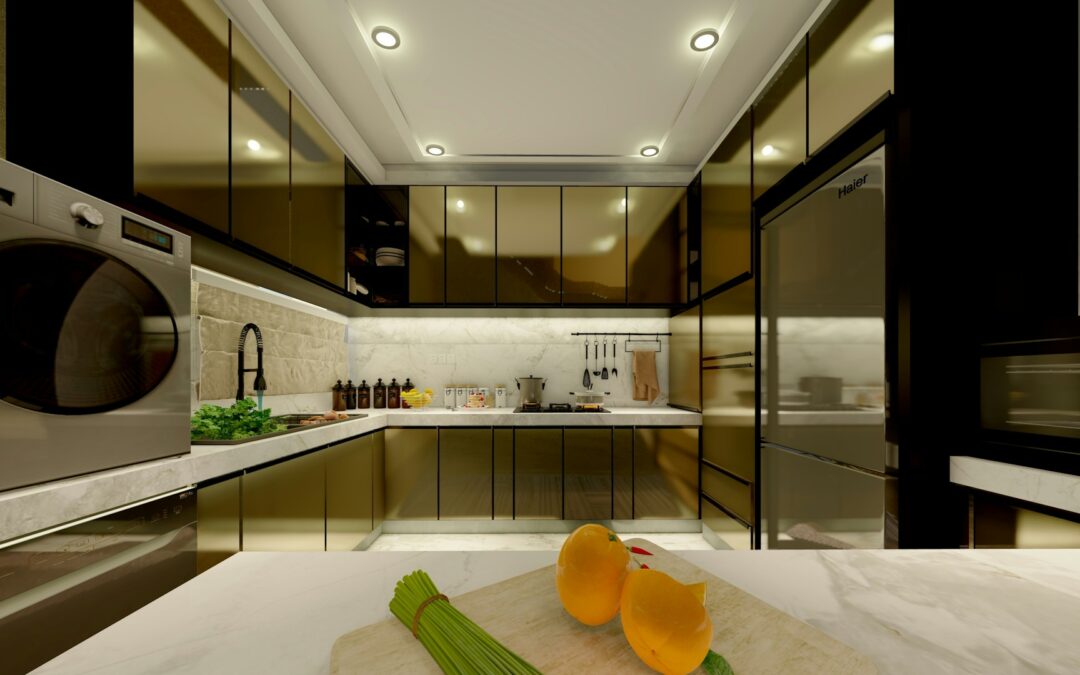
Sustainable kitchen renovation focuses on materials and systems that last longer, reduce waste, and support healthier air quality while still feeling refined and inviting. It’s a way to upgrade your kitchen so it works beautifully for daily life while being easier on the planet.
In coastal areas like Naples and Bonita Springs, your kitchen must handle humidity, salt air, and strong sun. Choosing climate-ready finishes, efficient appliances, and smart layouts keeps the space comfortable, resilient, and coordinated over time.
With Ambiance Creations, you can align design, materials, and planning in one streamlined process, from eco-conscious cabinetry and surfaces to lighting, water use, and maintenance. Explore the ideas below to shape a sustainable kitchen renovation that truly fits your home and lifestyle.
Planning a Sustainable Kitchen Renovation
Before starting your sustainable kitchen renovation, focus on clear goals, smart design choices, and an investment plan that supports long-term value. When you define what sustainability means for your home, it becomes easier to make decisions that are both eco-friendly and practical for everyday use.
Setting Green Goals
Begin by deciding what sustainability means for your kitchen. It may involve using materials that last longer, reducing waste during demolition and installation, or improving overall energy and water efficiency.
Consider priorities such as low-VOC paints, water-saving fixtures, and efficient lighting so your choices support healthier indoor air and responsible resource use. Create a written list of your must-haves, such as recycled countertops, LED lighting, or FSC-certified cabinetry.
This simple step keeps you and your designer aligned throughout the project. Remember that small choices add up: ENERGY STAR® appliances, thoughtfully chosen materials, and careful planning all contribute to a greener, more resilient kitchen.
Choosing an Eco-Friendly Design
An eco-conscious design for a sustainable kitchen renovation starts with materials and finishes that can handle Florida’s humidity and sun without constant upkeep. Engineered quartz, water-resistant cabinetry, and durable flooring reduce replacement needs and support long-term performance.
Avoid options that off-gas toxins or wear out quickly, as they undermine both comfort and sustainability. Plan your layout to maximize natural light and airflow, which reduces your dependence on artificial lighting and cooling.
Select energy-efficient appliances early, since their size and placement affect storage, ventilation, and workflow. By mixing textures like stone, wood, and metal while keeping every element aligned with your sustainability goals, you create a space that feels both elevated and responsible.
Budgeting for Sustainability
A sustainable kitchen renovation is an investment in durability, comfort, and efficiency. Quality materials require less frequent replacement, and energy-efficient appliances can lower utility costs over time.
When you plan your investment with long-term value in mind, you avoid quick fixes that cost more later. Allocate funds for LED lighting, water-saving faucets, long-lasting cabinetry, and responsible disposal of old materials.
Donating or recycling what you remove keeps waste out of landfills and can benefit local organizations. By weighing each choice against your environmental goals and daily needs, you can achieve the best blend of value, performance, and sustainability.
Selecting Sustainable Materials
Choosing the right materials is central to a sustainable kitchen renovation. Focus on durable, low-impact surfaces and finishes that stand up to wear while supporting a healthier home. In Southwest Florida, that also means selecting products that perform well in a coastal climate.
Eco-Friendly Countertops
For countertops, look to natural or recycled materials that offer long life with minimal maintenance. Quartz remains popular because it is durable, low-maintenance, and does not require sealing, making it a smart choice for busy kitchens.
Its blend of natural quartz and resins supports longevity and can reduce waste over time. Other sustainable options include recycled glass and concrete. Recycled glass countertops often incorporate post-consumer glass with concrete or resin, creating a unique visual effect while diverting material from landfills.
Concrete can be poured in place or precast, then customized with pigments or textures, though it may need regular sealing. Whichever surface you choose, look for products that avoid VOC emissions and harsh chemicals, so your kitchen feels clean, calm, and comfortable.
Recycled Flooring Options
Flooring is a major design element and a key part of your sustainable kitchen renovation. Bamboo and cork are renewable options that bring warmth and character while absorbing sound.
Bamboo is hard and durable enough for high-traffic family kitchens, whereas cork feels softer and more forgiving underfoot, with natural resistance to moisture and mold.
You can also explore recycled hardwood or composite flooring that repurposes wood scraps or fibers with binders, reducing overall waste. Many of these products mimic the look of traditional hardwood while adding durability and easier care. Prioritize floors with low-VOC finishes and certifications such as FloorScore, which support better indoor air quality and align with a greener lifestyle.
Sustainable Cabinet Choices
Cabinetry strongly influences how eco-friendly your kitchen can be. Choose FSC-certified woods or reclaimed wood to support responsible forestry and give your space a distinctive, natural look.
Cabinets built from formaldehyde-free plywood or composite materials with recycled content help reduce toxins and environmental impact.
Look for water-based, low-VOC finishes that protect your cabinetry while keeping the air cleaner in your home. Balancing aesthetics with responsible sourcing allows your cabinetry to anchor the room visually while staying true to the principles of a sustainable kitchen renovation.
Energy-Efficient Appliances
Energy-efficient appliances play a central role in reducing both utility costs and environmental impact. Thoughtful appliance selection enhances the overall performance of your kitchen and supports the broader goals of your sustainable kitchen renovation.
Selecting Low-Energy Appliances
Start by choosing appliances with the ENERGY STAR® label, which indicates they meet high standards for efficiency and performance. Refrigerators with advanced insulation and efficient compressors can significantly lower energy use.
Dishwashers with eco modes and multiple cycles help you match water and power consumption to each load. When selecting cooking equipment, consider induction cooktops and efficient ovens.
Induction technology heats faster and loses less energy than traditional electric or gas ranges, making meal preparation quicker and more efficient. Keep a simple checklist that includes ENERGY STAR® certification, eco settings, and efficient compressors, so every major appliance supports your sustainability goals.
Integrating Smart Kitchen Technology
Smart technology can help you maintain long-term efficiency without constant monitoring. Wi-Fi-enabled refrigerators, ovens, and dishwashers allow you to adjust settings remotely, receive maintenance alerts, and schedule cycles during off-peak hours to reduce energy costs.
Integrating appliances with home assistants, timers, and sensors ensures they run only when needed and at optimal settings. This creates a connected kitchen that adapts to your daily routines, turning efficiency into a natural part of how you use the space rather than an extra task on your to-do list.
Water Conservation Strategies
Water use is another key factor in a sustainable kitchen renovation. Focusing on smart fixtures and thoughtful habits helps you conserve water while maintaining performance and convenience.
Water-Saving Fixtures
Choose water-efficient faucets and appliances designed to reduce flow without sacrificing pressure. Faucets with aerators mix air into the stream, maintaining a satisfying feel while using less water overall. Touchless faucets add both hygiene and efficiency by turning off automatically when not in use.
Select a dishwasher that is rated for water efficiency, particularly in eco modes. Modern models typically use less water than hand washing, especially when run with full loads. Together, these choices make conservation part of your everyday routine without compromising comfort.
Optimizing Dishwashing Practices
Daily habits matter as much as hardware. When hand washing, fill one basin with soapy water and another with rinse water rather than letting the tap run continuously. This simple shift can save gallons of water each time you clean up.
If you use a dishwasher, wait until it is fully loaded before starting a cycle and select eco or light-wash modes whenever possible. Repair leaks promptly and check hoses and connections regularly. Consistent, small efforts like these help your kitchen operate more efficiently and support the long-term goals of your sustainable kitchen renovation.
Eco-Conscious Lighting Solutions
Lighting choices influence both the mood and the efficiency of your kitchen. Combining LED fixtures with thoughtful daylighting supports a comfortable, welcoming environment while managing energy use.
LED and Energy-Efficient Lighting
LED bulbs use significantly less energy than traditional incandescent options and last much longer, which reduces both waste and replacement costs. They are available in a variety of color temperatures and brightness levels, making it easy to tailor the lighting to different zones in your kitchen.
Look for ENERGY STAR® rated fixtures to confirm performance and efficiency. Dimmable LEDs give you greater control over light levels, allowing you to reduce output during evening hours or when full brightness is not needed.
Under-cabinet LEDs are especially effective for targeted task lighting without the need to over-illuminate the entire room.
Maximizing Natural Light
Natural light enhances both comfort and efficiency. Consider windows, glass doors, or skylights that bring in consistent daylight, especially on south or west-facing walls. In tight layouts, even modest openings or strategically placed transoms can help brighten work areas.
Use light-colored walls, reflective backsplashes, and pale countertops to bounce natural light deeper into the space. Where privacy or heat gain is a concern in Southwest Florida, energy-efficient window films or light-filtering shades can manage glare while preserving brightness. Thoughtful daylight planning supports a more enjoyable kitchen and reduces reliance on artificial lighting.
Sustainable Paints and Finishes
Finishes are often overlooked in sustainable kitchen renovation planning, yet they have a major impact on indoor air quality and longevity. Choosing low-VOC paints and non-toxic sealants creates a healthier environment while protecting the materials beneath.
Low-VOC Paints
Low-VOC or no-VOC paints release fewer harmful chemicals into the air than traditional options. This is especially important in the kitchen, where you and your family spend significant time cooking, gathering, and entertaining. These paints now come in a wide range of colors and sheens, so you do not have to compromise on style to support better air quality.
Because many low-VOC paints dry faster and clean more easily, they are highly practical for busy spaces. Use them on walls, ceilings, and even cabinetry to maintain a cohesive, eco-conscious finish throughout the room.
Non-Toxic Sealants
Sealants guard surfaces against moisture, stains, and daily wear, which is essential in a high-use kitchen. Opt for products that avoid harsh solvents and chemicals such as formaldehyde, and instead look for water-based or plant-based formulations.
These non-toxic sealants are ideal for cabinetry, countertops, and wood flooring, often drying clear and resisting yellowing over time. By protecting surfaces without compromising indoor air quality, they support both the aesthetic and the health-focused aims of your sustainable kitchen renovation.
Reducing Waste During Renovation
A greener kitchen is not only about what you install but also about how you handle what you remove. Thoughtful reuse, recycling, and disposal practices can significantly reduce the environmental footprint of your project.
Reusing Existing Materials
Before demolition begins, walk through the space and identify elements that can be refinished, relocated, or repurposed. Sturdy cabinets might be painted and fitted with new hardware, or moved to a pantry, laundry room, or garage. Islands, shelving, or quality fixtures may find a second life elsewhere in the home.
Reusing materials keeps them out of landfills and can help control costs. For example, you might retain a solid island base and top it with a new surface better suited to Southwest Florida’s humidity. Make a list of salvageable items before work starts and store them carefully to preserve their condition.
Proper Disposal and Recycling
Not everything can be reused, but much can be recycled if handled correctly. Drywall, metals, certain plastics, and clean lumber are often accepted at local recycling centers. In communities like Naples or Bonita Springs, your waste facility can advise which materials they process and how to prepare them.
Avoid sending hazardous products such as old paints, solvents, or chemicals to standard trash. These should go to designated hazardous waste programs. On-site, clearly labeled bins for wood, metal, and general waste make it easier for everyone involved to keep materials sorted and recyclable items out of the landfill.
Working with Green Contractors
Even the best plan benefits from the right professionals. Choosing contractors who understand and prioritize sustainability ensures that your design vision is executed with care, accuracy, and environmental responsibility.
Choosing Eco-Minded Professionals
Seek out contractors who can clearly explain how they approach energy efficiency, material selection, and waste reduction. Ask to see examples of previous projects that used reclaimed materials, low-VOC finishes, or high-efficiency systems.
Their experience with these products will influence the quality and longevity of your results. A good green contractor will also walk you through how they handle recycling, site cleanliness, and responsible disposal.
Look for teams that keep communication open and document decisions, so you always understand how each choice fits your sustainable kitchen renovation goals.
Certifications to Look For
Certain credentials demonstrate a deeper commitment to environmentally conscious building. Certifications such as LEED (Leadership in Energy and Environmental Design) or membership in regional green building councils indicate that a contractor is familiar with established standards and best practices.
You can also ask about training related to energy-efficient construction, indoor air quality, and responsible material sourcing. Contractors who maintain these credentials tend to stay current with evolving products and techniques, which can be especially valuable in high-performance kitchens.
Maintaining Your Sustainable Kitchen
Once your sustainable kitchen renovation is complete, daily habits will determine how well it continues to perform. Green cleaning methods and mindful energy use help protect your investment and preserve both comfort and efficiency over time.
Green Cleaning Practices
Rely on natural cleaning products such as vinegar, baking soda, and castile soap instead of harsh chemical cleaners. These are gentler on stone, wood, and eco-friendly finishes, and they reduce the number of irritants in your indoor air. Avoid bleach and ammonia whenever possible, as they can damage surfaces and release strong fumes.
Use reusable cloths or microfiber towels rather than disposable paper products to cut down on waste. Clean spills quickly so counters, cabinetry, and flooring stay protected, especially in a coastal climate. For appliances, follow manufacturer guidelines for filters and interior cleaning, pairing mild, eco-conscious cleaners with non-abrasive tools.
Continuous Energy Savings
Maintain your efficiency gains by using appliances intentionally. Run dishwashers and laundry machines with full loads and, when possible, during off-peak hours. Replace any failed bulbs with LEDs and consider adding dimmers or smart controls if you have not already done so.
Keep your refrigerator at the manufacturer’s recommended temperature and avoid leaving doors open longer than necessary.
When cooking, cover pots and use smaller appliances such as toaster ovens or induction burners for quick meals, reserving the full oven for larger dishes. These practical habits keep energy use low and support the long-term success of your sustainable kitchen renovation.
Bringing Your Sustainable Kitchen to Life
A sustainable kitchen renovation brings together durability, efficiency, and elevated design so your space feels as comfortable to use as it is beautiful to look at. The right choices today help your home stay healthier, easier to maintain, and more resilient over time.
In Southwest Florida’s sun and humidity, thoughtful materials, efficient appliances, and coordinated planning turn your kitchen into a long-term investment in comfort and performance. Every detail can work harder for your daily routine and for the environment.
If you’re ready to explore what’s possible, Ambiance Creations can guide you from first ideas through final installation. Get in touch to start planning a sustainable kitchen renovation that truly fits your home and lifestyle.
Frequently Asked Questions
Smart choices in materials, appliances, and design can help your renovation stay eco-friendly and durable. By paying attention to waste, cabinetry, flooring, and energy use, you can make your kitchen both practical and genuinely green.
How can I reduce waste during my kitchen renovation?
Start with a careful plan so you order only what you need and avoid unnecessary surplus. Reuse existing items where possible, such as cabinets, hardware, or fixtures that can be refinished or relocated.
For items you remove, donate, or recycle, such as cabinets, fixtures, and appliances, instead of sending them directly to the landfill. Coordinate with your contractor to minimize packaging waste and ensure recyclable materials are separated and handled properly.
What are some energy-efficient appliances for a green kitchen remodel?
Look for ENERGY STAR® rated refrigerators, dishwashers, and ovens, which meet strict standards for reduced power and water use. These models are designed to maintain performance while lowering utility demands.
Consider smart appliances that adjust energy use based on load size, temperature settings, or time-of-day schedules. Features such as eco modes, delay starts, and remote control through your phone can make it easier to maintain efficient habits.
Which materials are best for sustainable kitchen cabinetry?
Choose durable woods like FSC-certified hardwood or bamboo, which come from responsibly managed sources and typically have a lower environmental impact. These options are well-suited to long-term use when properly finished and cared for.
Avoid cabinetry built from materials that rely heavily on formaldehyde-based resins. Instead, look for products that use low-VOC finishes and moisture-resistant construction, especially important in Florida’s humid climate.
What should I consider when choosing eco-friendly flooring for my kitchen?
Prioritize durability and moisture resistance. Porcelain tile and natural stone handle spills, heavy traffic, and humidity well. Bamboo and cork can also be excellent, renewable choices when sealed correctly to protect against moisture.
Steer clear of flooring with high levels of VOCs or harmful additives. Eco-conscious flooring should balance comfort underfoot with the ability to stand up to daily use in a busy kitchen.
How can I ensure my kitchen renovation has a minimal carbon footprint?
Use local or regionally sourced materials when possible to reduce transportation emissions. Incorporate energy-efficient LED lighting, low-flow faucets, and high-performance appliances that support long-term reductions in energy and water use.
Work with a design and construction team that tracks waste, coordinates schedules carefully, and plans deliveries thoughtfully. A well-organized process avoids unnecessary trips, delays, and material waste, all of which contribute to a lower carbon footprint.
Are there any certifications or guidelines I should look for in sustainable kitchen products?
Yes. Look for FSC or SFI labels on wood products to confirm responsible forestry practices. For appliances, ENERGY STAR® certification remains a key indicator of efficiency and performance.
You can also seek GREENGUARD or similar certifications for products that meet strict standards for low chemical emissions. Combining these labels with your own sustainability goals helps ensure your kitchen supports a healthier home and environment.