
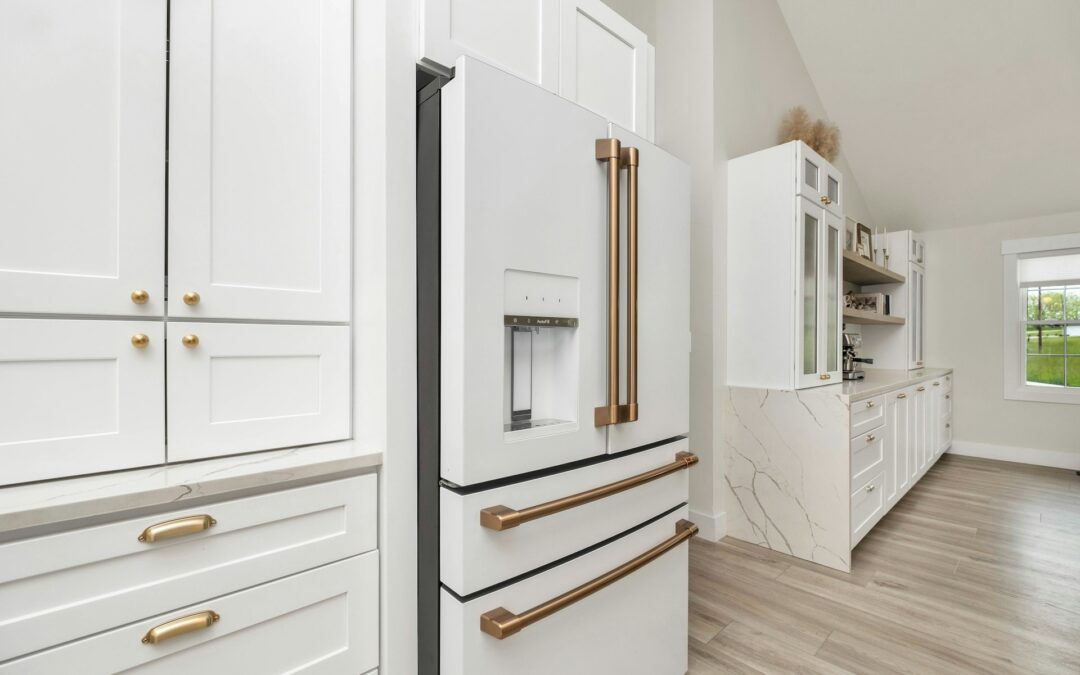
Your cabinets shape the entire look of a kitchen, but many conventional options bring hidden downsides, including higher emissions and less responsible sourcing.
If you want sustainable kitchen cabinets without giving up style or durability, Ambiance Creations can help you sort through materials, finishes, and build quality with confidence.
Up next, you’ll find the cabinet choices that matter most, plus practical tips to protect indoor air, reduce waste, and make a long-term investment you’ll feel good about.
What Makes Kitchen Cabinets Sustainable
Sustainable kitchen cabinets combine responsible material sourcing, safe finishing products, and manufacturing methods that protect both your health and the environment.
Eco-Friendly Materials
The foundation of sustainable cabinets starts with the materials used to build them. Bamboo stands out as a top choice because it grows quickly and reaches maturity in just 3-5 years, unlike traditional hardwoods that can take decades.
FSC-certified wood comes from responsibly managed forests where trees are replanted and ecosystems are protected. This certification helps ensure your cabinets don’t contribute to deforestation.
You can also choose reclaimed wood, which gives new life to materials from old barns, factories, or furniture. Recycled materials offer another path to sustainability.
Some manufacturers create cabinets from recycled wood fibers or metal. These options reduce waste in landfills while still providing durable, attractive cabinets for your kitchen.
Pick materials with a lower environmental impact, and you help reduce the carbon footprint of your kitchen renovation.
Non-Toxic Finishes and Adhesives
Traditional cabinet finishes often release harmful chemicals into your home air. Low-VOC or zero-VOC finishes eliminate these volatile organic compounds that can cause headaches, respiratory problems, and other health issues.
Water-based finishes and stains provide a safer alternative to solvent-based products. They dry quickly and don’t emit strong fumes during application or afterward.
The adhesives holding your cabinets together matter just as much. Many standard adhesives contain formaldehyde, a known carcinogen.
Look for cabinets that use formaldehyde-free adhesives or have CARB2 compliance, which limits formaldehyde emissions to very low levels. These non-toxic options protect your family’s health while maintaining the durability and appearance you expect from quality cabinets.
Responsible Manufacturing Processes
Sustainable cabinet makers focus on reducing waste during production. They use efficient cutting techniques that maximize material usage and minimize scraps.
Energy consumption matters too. Manufacturers committed to sustainability often power their facilities with renewable energy sources or implement energy-efficient equipment.
Some have achieved carbon-neutral production status. Look for companies with environmental certifications like SASC (Safe and Sustainable Cabinetry) or those that participate in green building programs.
These certifications verify that the entire production process meets strict environmental standards. Local manufacturing reduces transportation emissions.
Cabinets made closer to your home require less fuel for shipping, which lowers the overall environmental impact of your purchase.
Popular Materials for Sustainable Kitchen Cabinets
Sustainable cabinet materials combine environmental responsibility with practical performance and attractive design. These options reduce your carbon footprint while delivering the durability and style you need in your kitchen.
Bamboo Cabinets
Bamboo stands out as a renewable resource that grows to maturity in just three to five years. This fast growth cycle makes it far more sustainable than traditional hardwoods that take decades to reach harvest size.
The material naturally resists moisture and bacteria, making it ideal for kitchen environments. You’ll find that bamboo cabinets hold up well against humidity and daily wear without special treatments.
Bamboo offers a distinctive grain pattern that brings warmth and modern style to your kitchen. The natural color ranges from light blonde to rich amber tones. You can also find carbonized bamboo with darker hues achieved through heat treatment.
Key benefits of bamboo cabinets:
- Renewable and fast-growing
- Strong and moisture-resistant
- Naturally antimicrobial
- Unique visual appeal
The material’s hardness rivals or exceeds many traditional hardwoods. This durability means your cabinets will maintain their appearance and function for years.
Reclaimed Wood Options
Reclaimed wood gives new life to materials from old barns, factories, and buildings. This approach prevents usable wood from ending up in landfills while reducing demand for new timber.
Each piece of reclaimed wood carries unique character marks, including nail holes, saw marks, and weathered patina. These features create one-of-a-kind cabinets with stories built into every board.
You’ll need to verify that reclaimed wood is properly cleaned, dried, and treated before installation. Quality suppliers inspect materials for structural integrity and remove any hazardous substances like lead paint.
The environmental benefits extend beyond waste reduction. Using reclaimed wood eliminates the energy costs of harvesting, processing, and transporting new lumber. Your kitchen gains distinctive charm while supporting circular economy principles.
FSC-Certified Wood Choices
Forest Stewardship Council (FSC) certification ensures wood comes from responsibly managed forests. These forests maintain biodiversity, protect water resources, and respect the rights of workers and indigenous communities.
FSC-certified wood is available in popular species like maple, oak, cherry, and walnut. You get the traditional look and performance of hardwood cabinets with verified sustainable sourcing.
The certification process involves regular audits and chain-of-custody tracking. This means you can trace your cabinet materials back to their forest origin with confidence.
Look for the FSC label when shopping for cabinets or ask your cabinet maker about their wood sources. Both solid wood and wood veneer options come with FSC certification.
Recycled Content Materials
Recycled composite materials transform waste products into durable cabinet components. These materials often combine wood scraps, recycled plastics, or agricultural waste with binding agents.
Recycled medium-density fiberboard (MDF) uses post-consumer wood waste and produces fewer volatile organic compounds (VOCs) when made with low-emission adhesives. This material provides a smooth surface for painting and costs less than solid wood.
Composite materials made from wheat board or soy-based products offer alternatives to petroleum-based options. These agricultural byproducts create stable, workable materials for cabinet boxes and shelving.
Common recycled materials include:
- Post-consumer wood fiber
- Recycled plastic composites
- Wheat straw particleboard
- Sunflower seed hull board
These materials perform well in standard kitchen conditions and accept various finishes. You sacrifice some of the natural aesthetic of wood grain, but gain significant environmental benefits through waste reduction.
Design Considerations for Eco-Conscious Kitchens
Choosing sustainable cabinets goes beyond just picking the right materials. You need to think about how long your cabinets will last, whether the style will stay relevant over time, and how to make the best use of materials during installation.
Durability and Longevity
The most eco-friendly cabinet is one you never have to replace. When you choose durable materials and quality construction, your cabinets can last 20 to 50 years or more.
Look for cabinets with solid wood frames and dovetail joints. These features hold up better than particle board with stapled corners.
The hinges and drawer slides matter too. Soft-close hardware made from metal lasts much longer than plastic alternatives.
Consider how well the finish will hold up to daily use. Low-VOC finishes can be just as durable as traditional ones when applied correctly.
Ask about warranty coverage, as manufacturers who stand behind their products typically use better materials and construction methods. Regular maintenance extends cabinet life even further. Simple care, like wiping spills quickly and avoiding harsh chemicals, helps your investment last longer.
Timeless Aesthetics
Trendy cabinet styles often end up in landfills within a decade. Classic designs reduce waste by staying attractive for generations.
Shaker-style doors remain popular because of their clean lines and simple beauty. Flat-panel and recessed-panel designs also work well in both traditional and modern kitchens.
Stick with neutral colors like white, gray, or natural wood tones that won’t look dated in five years. You can add personality through hardware, backsplashes, and paint colors.
These elements are easier and cheaper to update than entire cabinet sets. This approach lets you refresh your kitchen’s look without creating unnecessary waste.
Efficient Use of Resources
Smart planning during design and installation reduces material waste. Standard cabinet sizes use materials more efficiently than completely custom dimensions.
Work with your designer to create a layout that maximizes storage without excess. Corner cabinets with pull-out organizers and tall pantry units make better use of space than multiple small cabinets.
This means you need fewer materials overall. Consider cabinet refacing if your existing boxes are still solid. This option uses up to 50% less material than full replacement. You get a fresh look while keeping the cabinet frames in place.
Plan for proper spacing and measurements from the start. Mistakes during installation create waste when pieces need to be recut or replaced.
Certifications and Standards to Look For
Third-party certifications help you identify cabinets that meet strict environmental and health standards. These labels verify that manufacturers follow sustainable practices and use materials that won’t harm your family or the planet.
GreenGuard Certification
GreenGuard Certification focuses on indoor air quality and chemical emissions. Cabinets with this label have been tested to ensure they release minimal volatile organic compounds (VOCs) into your home’s air.
These harmful chemicals can cause headaches, respiratory problems, and other health issues. The certification comes in two levels.
GreenGuard Certified is the standard level, while GreenGuard Gold meets even stricter requirements. The Gold level is especially important for spaces where children and sensitive individuals spend time.
When you choose GreenGuard-certified cabinets, you’re protecting your family from off-gassing and poor air quality. Look for the certification mark on product labels or ask your cabinet supplier for documentation.
Forest Stewardship Council (FSC) Label
FSC certification guarantees that wood comes from responsibly managed forests. The FSC sets standards for forest management that protect wildlife habitats, water quality, and the rights of workers and indigenous communities.
You’ll find three types of FSC labels. FSC 100% means all wood comes from FSC-certified forests. FSC Mix contains wood from certified forests and other controlled sources. FSC Recycled indicates the wood comes entirely from reclaimed materials.
This certification matters because it fights deforestation and promotes sustainable forestry practices. By choosing FSC-labeled cabinets, you support forests that can regenerate and continue providing resources for future generations.
CARB Compliance
CARB stands for California Air Resources Board, which sets some of the strictest formaldehyde emission standards in the world. Formaldehyde is a toxic chemical often found in pressed wood products and adhesives used in cabinet construction.
CARB Phase 2 compliance limits formaldehyde emissions from composite wood products like plywood, particleboard, and MDF. Many manufacturers now meet these standards even outside California because they represent best practices for health and safety.
Your cabinets should display CARB2 compliance documentation. This certification protects you from long-term exposure to formaldehyde, which can cause eye irritation, breathing problems, and has been linked to cancer.
Sustainable Kitchen Cabinet Installation and Maintenance
Proper installation methods and regular care extend the life of your sustainable cabinets while keeping environmental impact low. Working with the right professionals and using eco-conscious techniques protects your investment and the planet.
Choosing Green Contractors
Look for contractors who have certifications in green building practices like LEED or NAHB Green Building. These professionals understand how to handle sustainable materials properly and minimize waste during installation.
Ask potential contractors about their waste management practices. Good green contractors recycle scrap materials and donate usable leftover pieces to community organizations.
They should also use low-VOC adhesives and finishes during installation. Check if contractors have experience with your specific cabinet materials.
Bamboo, reclaimed wood, and recycled composite materials each require different handling techniques. A contractor familiar with sustainable products will know how to avoid damage and ensure proper fit.
Request references from previous eco-friendly projects. Talk to past clients about the contractor’s commitment to sustainable practices and whether they followed through on green promises.
Low-Impact Installation Techniques
Professional installers should use mechanical fasteners instead of excessive adhesives when possible. This approach reduces harmful chemicals in your home and makes future repairs or replacements easier.
Request that contractors bring their own dust collection systems. These tools capture sawdust and particles during cutting and fitting, which improves air quality during installation.
The collected wood waste can then be recycled or composted. Choose installation times that allow for proper ventilation.
Even low-VOC products release some emissions, so good airflow during and after installation helps clear the air faster. Open windows and use fans to speed up this process.
Ask your installer to protect existing surfaces with reusable drop cloths instead of disposable plastic sheeting. This simple switch cuts down on single-use plastic waste from your project.
Maintenance for Longevity
Clean your sustainable cabinets with a mix of simple soap and water or a splash of vinegar. Harsh chemical cleaners should be avoided because they can damage natural finishes and add unwanted toxins to your space.
A damp microfiber cloth usually does the trick for dirt and grease. It’s surprising how much you can remove with a quick, gentle wipe.
Tighten hardware every six months or so. Loose hinges put extra stress on wood, and over time, that can lead to cracks or warping.
Touch up scratches or worn spots as soon as you notice them, using a finish that matches and is eco-friendly. Small fixes help prevent moisture from getting in and keep your cabinets looking sharp.
Use exhaust fans while cooking to help control humidity. Wipe up spills right away, since cabinets of any material perform better when kept dry.
Designed for Healthier Living and Long-Term Value
Choosing sustainable kitchen cabinets helps reduce indoor air concerns, limit environmental impact, and avoid replacements that come too soon. The right materials and finishes make a noticeable difference in how your kitchen looks, feels, and performs over time.
When sustainability, durability, and design align, your kitchen becomes a smarter long-term investment, not a compromise. Small decisions now can prevent bigger issues later.
If you’re ready to explore sustainable kitchen cabinets with clarity and confidence, Ambiance Creations is here to help. Get in touch.
Frequently Asked Questions
What makes kitchen cabinets sustainable?
Sustainable kitchen cabinets use responsibly sourced materials, low-emission finishes, and safer adhesives. They are designed to reduce environmental impact while supporting healthier indoor air quality and long-term durability.
Are sustainable kitchen cabinets more expensive than traditional options?
Costs vary by material and construction, but many sustainable kitchen cabinets are comparable to conventional choices. Their longer lifespan and reduced need for replacement often make them a smarter long-term investment.
Which materials are best for sustainable kitchen cabinets?
Popular options include bamboo, reclaimed wood, FSC-certified hardwoods, and recycled-content composites. Each offers different benefits depending on durability needs, aesthetic preferences, and environmental priorities.
Do sustainable cabinets hold up to daily kitchen use?
Yes. When built with quality construction methods and durable finishes, sustainable kitchen cabinets perform just as well as traditional cabinets. Many are designed to last decades with proper care.
How do low-VOC finishes improve indoor air quality?
Low-VOC and zero-VOC finishes release fewer harmful chemicals into your home. This helps reduce odors, respiratory irritation, and long-term exposure to pollutants, especially in a space used every day.
Can I update my kitchen sustainably without replacing all cabinets?
Cabinet refacing or refinishing can be a more sustainable option if existing cabinet boxes are structurally sound. This approach uses fewer materials while still refreshing the look and function of your kitchen.
What certifications should I look for when choosing sustainable cabinets?
Look for certifications such as FSC for responsible wood sourcing, GREENGUARD for low chemical emissions, and CARB2 compliance for reduced formaldehyde levels in composite wood products.
How do I maintain sustainable kitchen cabinets over time?
Use gentle, non-toxic cleaners, wipe spills promptly, and manage moisture with proper ventilation. Routine care and small touch-ups help preserve finishes and extend the life of your cabinets.