
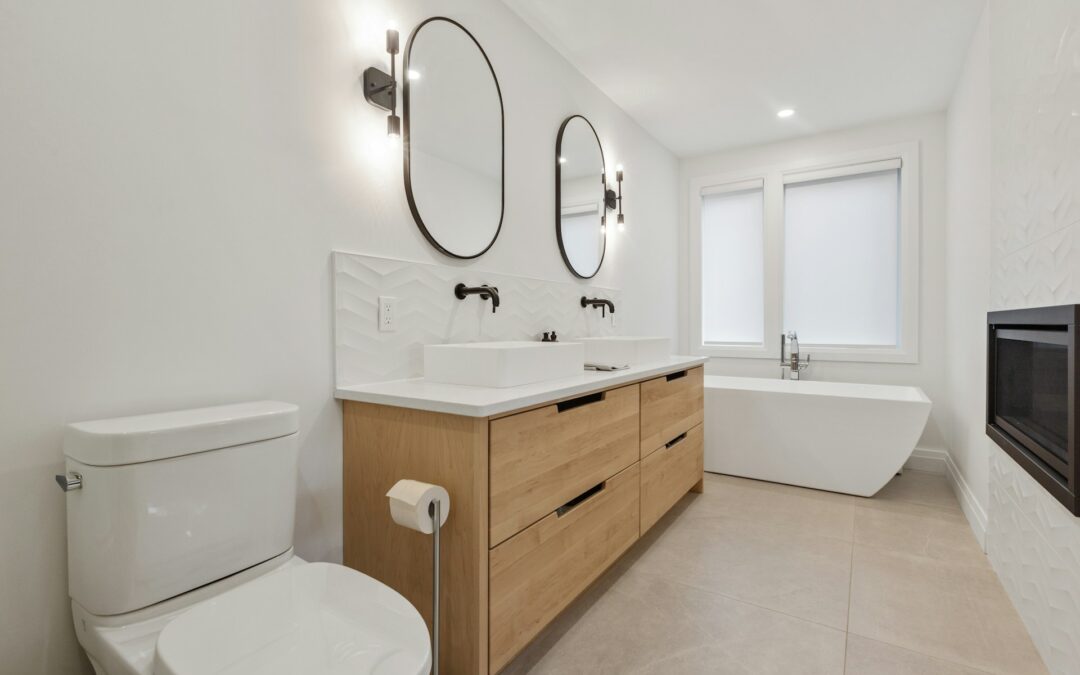
Your kitchen or bathroom may look dated, lack storage, or simply not work the way your household needs it to. Poor layouts, worn finishes, and constant maintenance can make everyday routines frustrating.
A custom kitchen and bathroom contractor helps solve these issues by designing spaces around how you actually live. Instead of forcing standard solutions, the process focuses on function, durability, and finishes that feel intentional.
At Ambiance Creations, projects are approached with quality, integrity, and long-term performance in mind. This guide explains what a custom contractor does, how the process works, and how to make confident decisions before you renovate.
Custom Kitchen and Bathroom Contractor Services
A custom kitchen and bathroom contractor delivers specialized design, renovation, and installation services. The goal is to translate your vision into a finished space through coordinated planning, skilled trades, and detailed craftsmanship.
Kitchen Renovation Solutions
Kitchen renovation services can range from targeted upgrades to full redesigns. Most projects include cabinetry, countertops, flooring, lighting, and fixture updates, with careful coordination of plumbing and electrical work.
Contractors typically handle appliance installation, code-compliant electrical upgrades, and plumbing fixture replacements. Many also update backsplashes, refresh hardware, and rework layouts to improve traffic flow and usability.
Common kitchen renovation services include:
- Cabinet refacing or replacement
- Countertop installation (granite, quartz, marble)
- Island construction and installation
- Sink and faucet upgrades
- Tile backsplash installation
- Flooring replacement
Timelines vary by scope. Smaller updates may take a few days, while full remodels often take several weeks.
Bathroom Remodeling Expertise
Bathroom remodeling focuses on comfort, durability, and smart space use, from powder rooms to primary suites. A custom kitchen and bathroom contractor typically manages plumbing updates, tile work, vanity installation, and shower or tub replacements.
Projects may include adding fixtures, improving storage, and updating lighting and mirrors. Many contractors also install accessibility upgrades like grab bars, walk-in tubs, and barrier-free showers.
Moisture control is central to bathroom work. Proper waterproofing and ventilation help protect finishes and reduce the risk of long-term damage.
Project Design and Planning
Design + build teams provide planning and construction under one coordinated approach. It starts with a consultation to align on needs, lifestyle, and an investment range.
Next, you’ll review layout options, material selections, and timeline expectations. Many contractors provide drawings and 3D renderings to help you visualize the finished space before construction begins.
Your contractor typically manages permits, coordinates inspections, provides finish samples, and schedules trades such as electricians and plumbers. This streamlined structure can reduce confusion and keep decisions organized.
The Remodeling Process
A kitchen or bathroom remodel usually follows a clear sequence from first meeting to final installation. Many projects run about 6–12 weeks, with timing shaped by scope, selections, and lead times.
Initial Consultation Experience
Your contractor visits the home to evaluate the space, measure key dimensions, and discuss goals. Expect questions about daily use, pain points, and priorities.
Do you need more storage, better lighting, improved ventilation, or a more functional layout? This meeting often lasts 1–2 hours.
Bring inspiration photos, notes, and a list of must-haves versus nice-to-haves. Clear priorities help your custom kitchen and bathroom contractor shape a plan that fits.
Personalized Design Options
After the consultation, the design phase translates goals into a practical plan. You’ll review layouts, proposed finishes, and often 3D views of the new space.
This stage commonly takes 2–3 weeks. You’ll select cabinets, countertops, flooring, fixtures, and hardware, then review a detailed proposal with specifications and an itemized scope.
Changes are typically easier and more cost-effective in design than during construction, so this is the moment to refine details.
Construction and Installation
Construction begins with demolition after design approval. Removing existing cabinets, countertops, and fixtures often takes 1–3 days.
Next comes rough-in work, where licensed pros update plumbing, electrical, and ventilation to meet current codes. This phase often takes 3–5 days.
Installation usually follows a structured sequence: cabinetry, countertops, flooring, fixtures, then appliances. Your custom kitchen and bathroom contractor coordinates trades, manages inspections, and reviews workmanship throughout the build.
Choosing the Right Materials
Materials influence durability, maintenance, and how well the space supports daily life. Cabinets, countertops, tile, and flooring should be selected for both style and long-term performance.
Cabinetry and Countertop Selections
Cabinetry is a major visual and functional element. Solid wood options like maple, oak, or cherry offer durability and can be refinished.
MDF can be a cost-effective choice for painted finishes, though it performs less reliably in high-moisture environments. For countertops, performance and upkeep vary widely.
Quartz resists staining and scratching without needing sealing and offers a broad range of looks. Granite provides natural variation but typically needs periodic sealing. Butcher block adds warmth and can be more affordable, though it needs ongoing care and is sensitive to water.
A custom kitchen and bathroom contractor should provide samples so you can confirm color, texture, and finish in your actual lighting.
Tile and Flooring Choices
Porcelain and ceramic tile are common choices because they handle moisture well. Porcelain is denser and often better for floors.
Large-format tile reduces grout lines, which can simplify cleaning. Luxury vinyl plank (LVP) can mimic wood while offering improved moisture resistance and a softer feel underfoot. Natural stone can deliver a refined look, but sealing and ongoing maintenance are part of the ownership experience.
For grout, epoxy grout resists staining and color shift better than cement-based grout. Heated floors can add comfort in bathrooms and can be installed under many tile types.
Eco-Friendly Options
Eco-friendly selections can improve indoor comfort and reduce long-term resource use. Bamboo grows quickly and can be strong for flooring and cabinetry components.
Recycled glass tiles and countertops reduce waste and create distinctive color variation. Low-VOC paints and finishes can improve indoor air quality by releasing fewer chemicals.
Some cabinet lines offer formaldehyde-free construction. Reclaimed wood adds character while keeping materials in use. LED lighting reduces energy use and lasts longer than many traditional bulbs, and water-efficient fixtures can reduce consumption without compromising performance.
Why Hire a Professional Contractor
A professional custom kitchen and bathroom contractor brings specialized skills, proper credentials, and organized management. Together, these protect your investment and help deliver results built to last.
Expertise and Craftsmanship
Experienced contractors understand how to handle complex installations, including custom cabinetry, tile work, plumbing systems, and electrical components. They also understand local code requirements and proven construction methods.
That knowledge helps prevent costly errors and supports better problem-solving when unexpected conditions appear. Quality shows in the details, such as clean tile lines, level cabinets, and smooth finish work.
Contractors often maintain relationships with reliable suppliers, which can help you access stronger product options and avoid materials with poor long-term performance.
Timelines and Project Management
Remodels involve multiple phases that must occur in the right order. A professional contractor builds a schedule, coordinates trades, and plans deliveries so materials arrive when needed.
They also schedule inspections appropriately to reduce stalls. When issues arise, experienced contractors can adapt sequencing and keep work moving without compromising quality.
Licensing and Insurance
Licensing indicates a contractor has met state requirements and understands construction standards and safety expectations. Insurance protects you from financial exposure.
Workers’ compensation can cover injuries on-site, and general liability can address accidental damage to your property. Request current proof of coverage before work begins.
You may also look for professional affiliations such as the National Kitchen & Bath Association, plus strong local references and documented work history.
Cost Considerations and Budgeting
Custom kitchen and bathroom projects often range from $25,000 to $100,000 or more, depending on size, materials, and complexity. Understanding pricing and payment structures helps you plan an investment aligned with your goals.
Estimating Project Costs
Kitchen remodels often run from $15,000 to $75,000, while bathrooms commonly fall between $10,000 and $50,000. Final cost is shaped by space size, scope, and selections.
Material choices often drive the largest swings. Stock cabinets may cost $3,000 to $8,000, while custom cabinetry can range from $15,000 to $40,000.
Laminate countertops may start around $1,500, while natural stone can exceed $8,000 depending on slab choice and fabrication. Labor often represents 35–50% of total cost, with typical hourly rates ranging from $50 to $150 depending on location and experience.
Plumbing and electrical work can add $1,000 to $5,000 per room. Structural changes, such as moving walls or relocating plumbing lines, can increase costs by $5,000 to $15,000.
Financing and Payment Options
Many contractors request a deposit of 10–25% when the contract is signed, then collect payments at defined milestones.
Home equity loans or lines of credit often offer lower rates than many unsecured options. Personal loans and credit cards may fit smaller projects but can carry higher interest depending on credit profile.
Some contractors offer financing through partners, occasionally with promotional periods for qualified applicants. Always confirm terms, fees, and timelines before selecting a payment structure.
Maximizing Value
Prioritize what improves daily function and long-term durability: quality cabinets, reliable fixtures, and proper ventilation. These choices often matter more than purely decorative additions.
Professional installation is a key part of protecting your investment. Poor workmanship can lead to water intrusion, uneven surfaces, and repairs that cost more than doing it right the first time.
Mid-range materials can be an excellent balance of durability and design, especially when paired with strong installation and thoughtful planning. Gather at least three detailed quotes from licensed pros, then compare scope line-by-line to ensure you understand what is included.
Plan a contingency of about 10–20% above your estimated total. Hidden issues, like water damage or outdated wiring, often appear once demolition starts.
Move Forward With Confidence in Your Remodel
Living with a kitchen or bathroom that doesn’t function well can affect your daily comfort and add unnecessary stress. Outdated layouts, limited storage, and recurring maintenance issues often signal it’s time for a smarter solution.
The right custom kitchen and bathroom contractor helps eliminate guesswork, coordinates every detail, and delivers a space designed to work reliably for years to come. Clear planning and experienced execution protect your investment and your peace of mind.
When you’re ready to move forward with clarity and confidence, Ambiance Creations offers a design + build approach grounded in craftsmanship and accountability. Get in touch!
Frequently Asked Questions
What does a custom kitchen and bathroom contractor do?
A custom kitchen and bathroom contractor manages the entire renovation process, from design planning through construction and installation. This includes coordinating trades, sourcing materials, handling permits, and ensuring the finished space functions properly and meets code requirements.
How is a custom remodel different from a standard renovation?
Custom remodeling focuses on layouts, storage, and finishes designed specifically for how you use the space. Rather than working from preset templates, a custom approach adapts cabinetry, fixtures, and flow to solve real-life issues like poor circulation, limited storage, or outdated systems.
Should appliances be selected before the design is finalized?
Yes, appliance-first planning helps avoid layout problems later. Appliance dimensions, ventilation needs, and electrical requirements directly affect cabinetry, clearances, and workflow, especially in kitchen remodeling projects.
How long does a typical kitchen or bathroom remodel take?
Most projects take between six and twelve weeks once construction begins. Timelines depend on scope, material lead times, inspections, and whether plumbing or electrical systems are being relocated.
What materials work best for kitchens and bathrooms?
Durable, moisture-resistant materials perform best. Common choices include quartz countertops, porcelain tile, solid or well-sealed wood cabinetry, and high-quality plumbing fixtures designed for daily use and easy maintenance.
Can a custom contractor help with indoor–outdoor or outdoor kitchens?
Many contractors experienced in Florida projects can design outdoor kitchens using weather-resistant cabinetry, proper ventilation, and appliances rated for exterior use. This ensures durability in heat, humidity, and coastal conditions.
How are trades like plumbing and electrical coordinated?
A professional contractor schedules and manages all licensed trades in the correct order. This coordination helps prevent delays, reduces errors, and ensures inspections happen at the right stages of the project.
How do I know if my space needs a full remodel or targeted updates?
If your space has layout issues, storage limitations, or aging infrastructure, a full remodel is often more effective than surface updates. A consultation can help determine whether focused improvements or a complete redesign will better solve the underlying problems.