
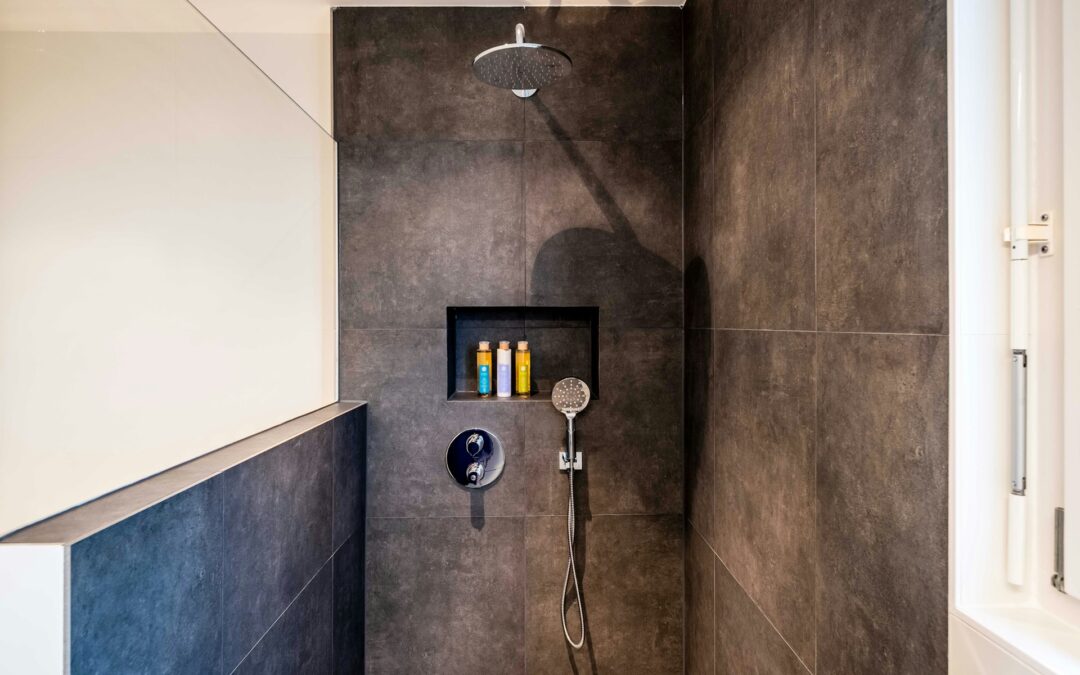
A custom walk-in shower design solves the frustrations that make bathrooms feel dated and hard to use. Think cramped layouts, constant splashing, slippery floors, and nowhere to put daily essentials.
With Ambiance Creations, the goal is a shower that looks refined and works better every day. Expect clean lines, smart storage, safer footing, and materials chosen for lasting performance.
Inside, you’ll find guidance on layout, finish, and glass options, accessibility upgrades, and modern features that enhance comfort. You’ll also see how to plan the project and investment range with fewer surprises.
Key Elements of Custom Walk-In Shower Design
A great custom walk-in shower design comes down to three essentials: smart space planning, durable finishes, and the right glass. Get these right, and your shower should look great and perform well for years.
Shower Layout and Space Planning
You’ll typically need at least 36 x 36 inches to meet code, but 48 x 48 inches feels far more comfortable. If you want built-in seating or multiple showerheads, plan for additional space.
Drain placement matters more than most people expect. Center drains work for many showers, but a linear drain along one wall can improve flow and make it easier to use large-format tile with a clean, modern look.
Decide whether you want a curbless or a small threshold. Curbless entries feel seamless and improve accessibility, but the floor slope must be precise to keep water where it belongs.
Layout checklist
- Showerhead placement for consistent coverage
- Controls aare t a comfortable, reachable height
- Built-in niches or shelves for daily storage
- Bench or seat height, typically 17–19 inches
Choosing Materials and Finishes
Your tile selection affects both style and maintenance. Porcelain and ceramic resist water and come in countless looks. Natural stone, such as marble or granite, can be stunning, but it requires regular sealing.
Large tiles, such as 12 x 24 inches and bigger, mean fewer grout lines and less scrubbing. Smaller tiles often work best on shower floors because extra grout lines improve traction.
Grout choice matters too. Epoxy grout resists stains and mildew better than cement grout. Dark grout can hide discoloration more effectively than white, especially in high-use showers.
Match fixture finishes like chrome, brushed nickel, matte black, or bronze to your tile and overall style. It’s a small detail, but it helps the entire custom walk-in shower design feel intentional.
Glass Enclosure Options
Frameless glass creates a clean, open look and uses thicker glass, usually 3/8 to 1/2 inch. It typically needs fewer metal supports, but it’s a higher investment than framed options.
Semi-frameless enclosures balance openness with subtle structure. Framed enclosures cost less and feel more traditional.
Glass thickness options
- 1/4 inch: Lower cost, needs more support
- 3/8 inch: Standard for semi-frameless
- 1/2 inch: Premium choice, often for frameless
Clear glass makes the room feel larger and highlights tile work. Frosted or textured glass adds privacy and can help hide water spotting. Some homeowners combine both, such as clear sides with frosted glass facing the door.
Fixed panels work well for larger showers where a door is not necessary. In tighter bathrooms, a hinged or sliding door may be the best fit. The right enclosure supports the function of your custom walk-in shower design without compromising style.
Personalization and Style Choices
A walk-in shower should feel personal. With the right mix of color, pattern, and storage, a practical shower becomes a space you enjoy using. A thoughtful custom walk-in shower design blends comfort, visual balance, and daily convenience.
Color Schemes and Tile Patterns
Color sets the mood. Light shades like white, cream, and soft gray help small showers feel brighter and more open. Darker tones like navy, charcoal, and black can look dramatic and modern, but they typically need strong lighting and more visual space.
Tile patterns create personality. Large-format tile reads clean and simple. Subway tile in classic or herringbone layouts stays timeless. Mosaics add texture and interest, especially as accents.
Mixing sizes builds depth. Use larger tile on most walls, then add mosaics in a niche or as a horizontal band. Natural stone brings organic pattern variation, so no two showers look the same.
Built-In Storage Solutions
Built-in niches keep products organized and eliminate clutter. A standard niche is often 12–14 inches wide to fit between studs. Add multiple niches at different heights for shampoo, soap, and daily essentials.
Corner shelves can use overlooked space. Tile them to match the walls, or choose solid stone for a more elevated finish. Floating benches can add seating while creating a spot for larger items.
Recessed shelving offers storage without taking up floor space. Make sure surfaces slope slightly so water does not pool. Storage planning is one of the easiest ways to make a custom walk-in shower design feel calm and functional.
Accessibility and Safety Considerations
A safe, accessible walk-in shower takes planning. Entry, flooring, and support details can reduce slip risk and support independence. A well-built custom walk-in shower design can meet style goals while improving daily comfort.
Barrier-Free Shower Entry
Barrier-free entry means no curb to step over. You can walk or roll right in, which can be helpful for many households. Ideally, the bathroom floor and shower floor meet at the same level.
If a fully curbless setup is not possible, a beveled threshold under 1/2 inch can still improve access. The floor must slope toward the drain, typically 1/4 inch per foot, to keep water contained.
Linear drains often support a gentler slope than center drains, especially in larger showers. That makes them a strong option in many custom walk-in shower design plans.
Non-Slip Flooring Options
Shower floors need grip. Textured tiles, slip-resistant coatings, and patterned surfaces can all help. Small mosaics add traction because more grout lines increase friction.
Textured porcelain and ceramic tend to perform well over time. Slip-resistant treatments can help smooth surfaces, but they may need refreshing. A common guideline for wet areas is a DCOF rating of 0.42 or higher.
Grab Bars and Seating
Grab bars provide stable support in and out of the shower. Walls should be reinforced to support at least 250 pounds. Horizontal bars often go along the longest wall, about 33–36 inches from the floor.
Vertical bars near the entrance or controls can add stability. L-shaped bars cover two directions and work well in corners.
Seating options include built-in benches or fold-down seats. A fixed bench is often 17–19 inches high and projects at least 15 inches. Fold-down seats save space while maintaining safety. These details can elevate a custom walk-in shower design without making it feel clinical.
Innovative Shower Features
Modern upgrades can make daily routines smoother. Smart fixtures and lighting can improve comfort, convenience, and safety. The best features support your habits and align with the overall custom walk-in shower design.
Custom Showerheads and Fixtures
Showerhead choice shapes the experience. Rainfall heads mount overhead for a gentle, full-body soak. Handheld sprayers add flexibility for rinsing and cleaning.
Many homeowners combine both, such as a fixed rainfall head paired with a handheld unit. Digital controls can store preferred temperature and pressure settings for consistent comfort.
Thermostatic valves help keep water temperature steady, even when other fixtures run. That reduces sudden hot or cold shifts and makes showers more comfortable.
Modern Lighting Ideas
Lighting improves safety and atmosphere. Recessed LED fixtures fit neatly into ceilings and resist moisture. Waterproof strip lighting can highlight edges or niches for subtle visual depth.
Warm white lighting supports a relaxing feel, while bright white lighting can improve task visibility. Dimmer switches add flexibility for early mornings or late nights.
Some LED systems offer color options, but consider how it fits the long-term style of the space. A lighting plan is a simple way to refine a custom walk-in shower design.
Planning and Investment Guidance for Your Project
A custom shower project starts with understanding costs and choosing professionals you trust. Plan for materials, labor, design complexity, and a buffer for surprises.
Cost Factors to Consider
Materials often represent 40–60% of the total. Tile can range from $2–$15 per square foot for ceramic to $15–$50 for premium stone or porcelain. Shower pans may range from $300–$800 for prefabricated units to $800–$2,500 for custom tile bases.
Glass pricing varies widely. A basic framed door may cost $400–$1,000. Frameless panels can range from $1,000–$3,500, depending on size and glass thickness.
Labor costs depend on location and complexity. Straightforward installs may run $1,500–$3,000. More involved builds with upgrades can reach $5,000–$10,000+. Plumbing, electrical, and structural work can increase the total.
Fixtures and extras also add up. Shower valves may run $200–$800, rain heads $100–$500, and body jets $150–$300 each. Benches, niches, and accessibility features can meaningfully shape the overall investment.
Working with Designers and Contractors
Get at least three detailed quotes. Each should break down materials, labor, timeline, and warranty so comparisons are clear. Verify licensing, insurance, and references.
Ask to see completed walk-in shower projects, and talk to prior clients when possible. A qualified professional should flag challenges tied to your bathroom layout and explain practical solutions.
Clear communication reduces mistakes. Provide specifics on tile patterns, fixture locations, and custom features. Keep documentation for change orders and payment schedules.
Plan a 10–15% buffer for hidden issues like water damage or outdated plumbing. Many projects take 1–3 weeks once work begins, though complex custom work can take longer. Solid planning keeps the custom walk-in shower design process smoother from start to finish.
Designed to Fix What Your Current Shower Gets Wrong
A smart custom walk-in shower design removes daily frustrations like tight layouts, slippery floors, poor drainage, and cluttered storage. When the details are planned correctly, the shower feels easier to use, safer, and far more comfortable.
The right materials, glass, and layout choices improve durability while creating a cleaner, more open feel. Small upgrades can make a noticeable difference in how the space performs every day.
If your shower feels outdated or inefficient, Ambiance Creations helps turn those pain points into a refined, long-lasting solution. Get in touch!
Frequently Asked Questions
What is the ideal size for a custom walk-in shower?
Most codes require a minimum of 36 x 36 inches, but larger dimensions improve comfort. A custom walk-in shower design often benefits from 48 x 48 inches or more, especially when adding benches or multiple showerheads.
Are curbless walk-in showers worth it?
Curbless showers create a cleaner look and improve accessibility. They reduce tripping hazards and make the bathroom feel larger, but they require precise floor sloping and drainage planning to prevent water from escaping.
What materials work best for walk-in showers?
Porcelain and ceramic tile are popular for their durability and easy maintenance. Natural stone offers a high-end look but needs regular sealing. The best choice balances appearance, slip resistance, and long-term upkeep.
How do I prevent a walk-in shower from feeling cold or drafty?
Proper layout, glass placement, and showerhead positioning help retain warmth. Partial glass panels, well-placed controls, and overhead rainfall heads can improve comfort without completely closing the space off.
Is a frameless glass enclosure practical for daily use?
Yes, frameless glass is durable and easy to clean when properly installed. Thicker glass provides stability, while minimal hardware creates an open feel that highlights the tile and overall custom walk-in shower design.
What safety features should I consider?
Non-slip flooring, grab bars, and built-in or fold-down seating improve safety. Thermostatic valves also help prevent sudden temperature changes, which is especially important for multi-user households.
How long does a custom walk-in shower project take?
Once construction begins, most projects take one to three weeks. Timelines vary based on complexity, material availability, and whether plumbing or structural changes are needed.
Can a walk-in shower increase home value?
A well-executed custom walk-in shower design can enhance both functionality and visual appeal. Buyers often view updated bathrooms with accessible, modern showers as a strong selling feature.
What’s the biggest mistake homeowners make when designing a walk-in shower?
Underestimating layout and drainage planning is common. Poor slope, limited storage, or awkward control placement can affect daily use, even when finishes look great.