
Bath remodeling can feel overwhelming when your bathroom is cramped, dated, or constantly hard to keep clean. If your shower feels unsafe, storage is never enough, or humidity is creating ongoing problems, it’s time for a smarter layout and better materials.
At Ambiance Creations, bath remodeling starts with solving the everyday pain points first, then refining the look so the space feels calm and intentional. The right plan improves function, comfort, and long-term performance without overcomplicating decisions.
Ahead, you’ll find clear guidance on layout priorities, moisture-ready finishes, fixture choices, lighting, and a practical process that keeps the project moving. Use it to turn daily frustration into a bathroom that works beautifully every day.
Planning Your Bath Remodeling Project
A successful bathroom remodel starts with planning. Define your investment range, understand what you’re working with, and choose a style direction that fits your home.
Setting an Investment Plan
First, decide how much you’re comfortable investing. Write down your total, then divide it among labor, materials, fixtures, and flooring.
Set aside 10–20% of your total investment for unexpected costs. Older homes, in particular, can reveal plumbing issues or hidden water damage once walls open up.
Before you fall in love with a specific tile or vanity, check pricing. Tile can range from about $1 to $20+ per square foot. Vanities might start around $200, or climb into the thousands depending on size, construction, and features.
Clarify priorities early. If you want a well-appointed shower, you may choose more streamlined hardware or lighting. List your must-haves and rank them, so decisions feel simpler when trade-offs appear.
Assessing Existing Constraints
Measure your bathroom carefully, and don’t skip it. Note windows, doors, plumbing lines, and outlets. Moving plumbing is costly because it often requires rerouting pipes through walls and floors. If you keep the toilet, sink, and shower where they are, you may save $1,000 or more.
If you rent, confirm expectations with your landlord before starting any work, and get approval in writing. Check ventilation. Many codes require an exhaust fan or an operable window. Look for moisture stains or peeling paint, since those signs often mean the room needs better airflow control.
Choosing a Design Style
Pick a design style that feels right for you and fits the rest of your home. Modern bathrooms use clean lines and simple fixtures. Traditional bathrooms lean into classic elements like pedestal sinks and trim.
Try a mood board. Save images, pull magazine pages, or collect finished samples. Patterns become clearer when you can see everything together.
If you’re not staying long-term, be cautious with highly trendy colors or dramatic patterns. Neutral palettes and timeless materials typically support resale. Choose materials that stand up to moisture and daily use. Porcelain and ceramic tile are dependable options, and they tolerate water better than many natural stones.
Key Bath Remodeling Elements
Bath remodeling comes down to selecting the right components and making them work as a cohesive system. The vanity, shower or tub, flooring, and lighting should support how you live every day.
Vanities and Storage Solutions
Your bathroom vanity is both a focal point and a workhorse. It stores everyday essentials and keeps counters from turning into clutter.
Select a vanity size that fits your room. Compact powder rooms often work well with a 24-inch single sink. Larger primary baths can support 60 to 72-inch double vanities. Wall-mounted vanities can also make tight bathrooms feel more open, and they simplify cleaning.
Don’t rely on the vanity alone for storage. Medicine cabinets keep small items organized. Built-in shelves and shower niches hold shampoo and soap without crowding corners. Tall cabinets and linen towers use vertical space when square footage is limited.
Whatever you choose, confirm it can handle humidity. Sealed solid wood can perform well, and engineered wood can be a durable, cost-effective alternative.
Shower and Tub Upgrades
Upgrading your shower or tub can change both function and feel. Walk-in showers with frameless glass read clean and modern, and they’re helpful if you’re planning for long-term comfort.
Tub-to-shower conversions are popular because they can create more usable space and simpler access. Curbless showers are often considered a top accessibility choice.
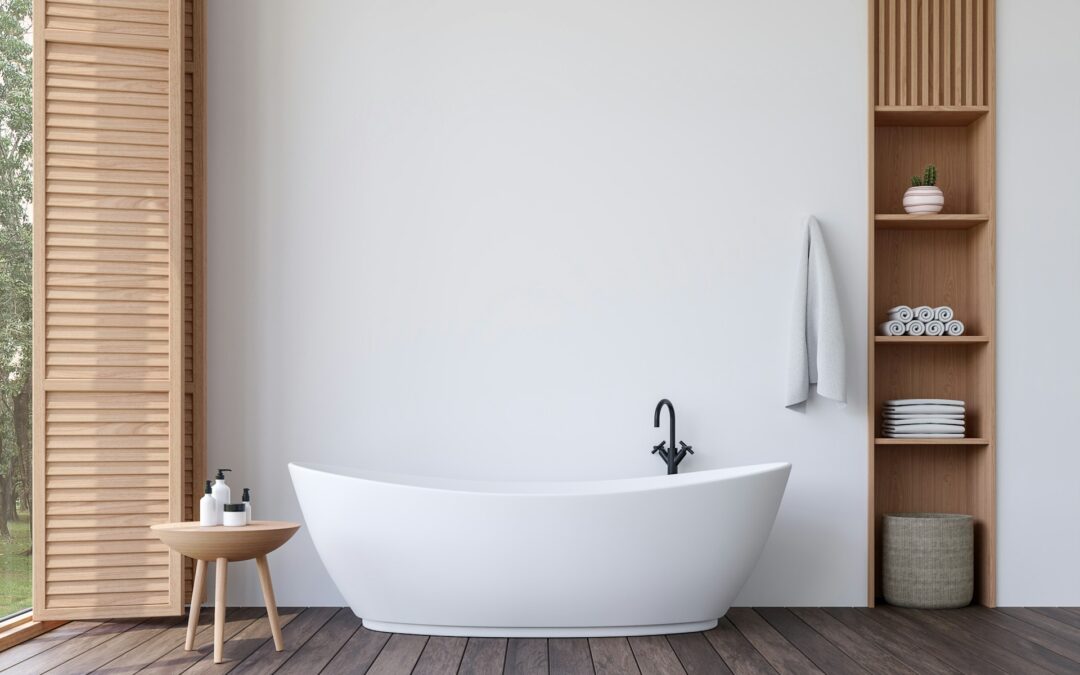
If you love baths, a freestanding tub can add a statement moment in larger bathrooms. Alcove tubs fit standard layouts, and soaking tubs deliver a deeper, more relaxing experience.
Enhance the shower with rainfall heads, handheld sprayers, or body jets for a spa-like routine. Built-in benches add comfort and stability, and non-slip flooring reduces fall risk.
Flooring and Tile Selection
Bathroom floors must handle water, humidity, and constant traffic. Porcelain and ceramic tile remain favorites because they’re tough, water-resistant, and available in nearly every look.
Popular flooring picks include:
- Porcelain tile (wood- or stone-look, highly durable)
- Vinyl plank (comfortable, DIY-friendly, water-resistant options available)
- Natural stone (beautiful, but requires sealing)
- Heated floors (a luxury upgrade for cold mornings)
Tile size affects how the room feels. Large-format tiles (12×24 inches or bigger) reduce grout lines and can make small spaces appear larger. Smaller mosaics are a strong choice for shower floors because they add traction.
Wall tile adds protection and style. Subway tile stays timeless, while bold patterns create a modern focal point. Tiling to the ceiling in the shower improves waterproofing and gives the space a finished look.
Lighting Options
Lighting matters more than most people expect. Aim for a mix of ambient, task, and accent lighting. Ambient lighting provides overall brightness, while task lighting supports grooming and detail work.
For daily routines, vanity lighting is essential. Mount fixtures on both sides of the mirror at about eye level to reduce shadows. LED bulbs in the 3000K–4000K range typically look natural and flattering.
Dimmer switches let you shift from bright mornings to relaxing evenings without changing fixtures.
Showers need wet-rated lighting that can handle moisture. Recessed LEDs work well, and smart switches or motion sensors are helpful when your hands are full.
Choosing Materials and Fixtures
In bath remodeling, materials and fixtures determine durability, ease of cleaning, water use, and the overall look. Choose with both performance and daily habits in mind.
Eco-Friendly and Water-Efficient Options
Water-efficient fixtures can reduce utility costs and support sustainability. Low-flow toilets use 1.28 gallons per flush or less, compared with older models that use more. Dual-flush toilets give you options based on need.
WaterSense-labeled showerheads can keep the flow around 2.0 gallons per minute while still feeling strong. Many offer multiple spray patterns or pause features. Faucet aerators can also reduce water use while keeping a comfortable stream.
Recycled glass tile and reclaimed-wood vanities add character with a lighter environmental footprint. Bamboo flooring is fast-growing and can perform well in moisture-aware designs. Low-VOC paints and sealants help maintain better indoor air quality.
Countertop Materials
Quartz is highly practical. It resists stains and scratches, doesn’t require sealing, and offers consistent patterns. Maintenance is simple, usually just mild soap and water.
Granite brings natural movement and variation, but it typically needs periodic sealing. It’s durable and heat-resistant, though it can crack if impacted heavily.
Marble is visually striking but demands more care. It can stain and etch, so cosmetics and certain cleaners require attention. Cultured marble can deliver a similar look with less maintenance.
Fixture Finishes
Chrome remains popular because it’s durable, widely available, and works with most styles. The trade-off is that water spots can show quickly.
Brushed nickel hides fingerprints and watermarks better. Its softer sheen fits both modern and classic spaces, and it often needs less frequent wiping.
Oil-rubbed bronze adds warmth and personality. It can change over time, which some homeowners love, and others prefer to avoid. Matte black makes a bold statement and can disguise water spots, though soap residue may show.
Hiring Professionals for Bath Remodeling
Bath remodeling often involves plumbing, electrical, and construction work. A strong contractor helps coordinate the project, manage specialists, and keep quality consistent from start to finish.
Selecting a Contractor
Ask people you trust for referrals, then check reviews and ratings to see what homeowners report about reliability and communication.
Interview at least three contractors. Ask about experience with similar bath remodeling projects, request references, and call those references to confirm outcomes. Verify licensing and insurance. This protects you if something goes wrong and signals professionalism.
Review photos of past bathroom work to evaluate craftsmanship and style alignment. Ask what materials they recommend, and why those choices make sense for your needs.
Request written estimates that separate labor and materials. The lowest number is not always the best value. Compare what’s included, the timeline, and the contractor’s experience.
Understanding Project Timelines
Most bathroom remodels take about two to six weeks, depending on the scope. Simple fixture swaps may take a few days. Full renovations with layout changes typically take longer.
Your contractor should provide a schedule before work begins. It should show when each trade is expected and what milestones define progress.
Delays happen. Materials can backorder, and hidden water damage can appear. Stay in regular contact, and keep decision-making moving so the schedule has fewer pauses.
Permits and Regulations
If you change plumbing, electrical, or structural elements, permits are usually required. Contractors often handle the paperwork and inspection scheduling.
Permits help ensure work meets local codes and safety requirements. The process can take one to three weeks, depending on where you live, and inspections occur at key stages.
Avoid skipping permits. Fines are possible, future resale can become complicated, and insurance may not cover damage tied to unpermitted work.
Finishing Touches and Maintenance
Details bring the room to life, and good habits protect the investment. Maintenance keeps surfaces looking clean and helps fixtures perform well for years.
Paint and Wall Treatments
Choose a moisture-resistant paint designed for bathrooms. Many formulas include mildew-resistant additives, and satin or semi-gloss finishes wipe down more easily.
Select colors based on lighting and room size. Lighter shades can make compact spaces feel more open, while deeper tones can make larger rooms feel more intimate.
If you want more than paint, tile wainscoting adds protection and visual structure. Waterproof wallpaper can work in areas away from direct splashes. Beadboard paneling offers a classic look and quick cleaning.
Hardware and Accessories
Install towel bars, hooks, and rings at heights that work for everyone. Towel bars are often placed around 48 inches from the floor, while hooks commonly land around 65 inches.
Essential hardware includes:
- Cabinet knobs and drawer pulls that coordinate
- A toilet paper holder within easy reach
- Robe hooks near the shower or tub
- Towel warmers for added comfort
For a cohesive look, keep metal finishes consistent unless you’re intentionally mixing. Brushed nickel, oil-rubbed bronze, chrome, and matte black can all work well when chosen with a clear plan.
Consider a mirror paired with lighting on both sides. This reduces shadows and makes grooming easier.
Cleaning and Upkeep Tips
Wipe down surfaces after showers to reduce soap residue and water spots. A quick squeegee pass takes seconds and prevents buildup.
Clean grout monthly with a baking soda and water paste. Seal grout about twice a year to limit stains and moisture absorption. If the caulk around tubs or sinks looks worn, replace it promptly to prevent water intrusion.
Run the bathroom fan during showers and for about 20 minutes afterward. This helps remove lingering moisture that can contribute to mold. Clean the fan cover every few months so airflow stays strong.
Check under sinks periodically for leaks or water damage. Tighten loose fixtures quickly, and replace worn washers before small drips become bigger problems.
A Bathroom That Finally Works for You
When a bathroom feels tight, outdated, or difficult to maintain, the frustration shows up every day. Thoughtful bath remodeling focuses on fixing layout issues, improving storage, and choosing materials that handle moisture without constant upkeep.
The right decisions reduce stress, improve safety, and create a space that supports your routine instead of fighting it. Small upgrades, when planned correctly, can make a noticeable difference in comfort and function.
If you’re ready to solve the problems and elevate the experience, Ambiance Creations is here to guide the process. Get in touch to start planning a bathroom that works beautifully for how you live.