
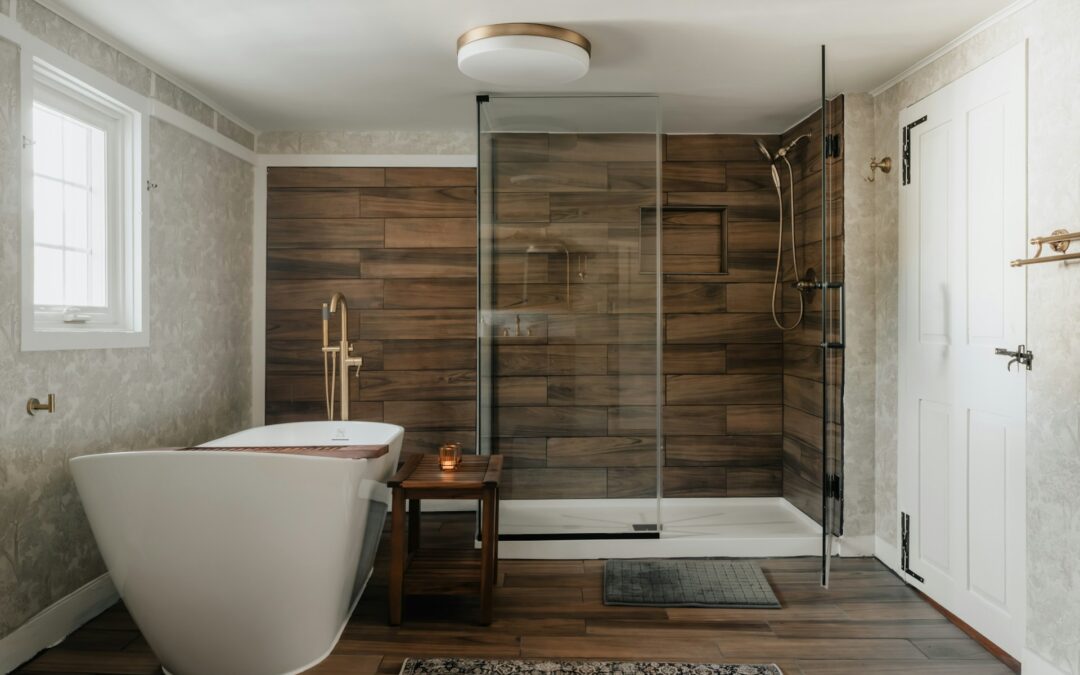
Your bathroom shouldn’t feel cramped, dated, or hard to keep clean. The right bathroom remodeling designs solve daily frustrations with smarter layouts, better lighting, and surfaces that wear well.
Ambiance Creations helps turn those pain points into a space that feels calm, functional, and tailored to how you live. You get durable materials, thoughtful storage, and finishes that elevate the room without making it fussy.
Inside, you’ll find design directions for small and large baths, plus guidance on fixtures, tile, and lighting choices that make the biggest difference fast.
Popular Bathroom Remodeling Designs
Today’s bathroom remodeling designs blend practical function with personal style. Three approaches show up again and again: clean modern lines, spa-level comfort, and timeless traditional elegance.
Modern Minimalist Bathrooms
Modern minimalist bathrooms strip away excess to create calm, functional spaces. Expect clean lines, simple shapes, and a focus on what matters most.
These designs often use neutral colors like white, gray, and black to create openness. Floating vanities are a standout because they visually expand the floor and simplify cleaning.
Wall-mounted faucets and toilets keep everything streamlined. Storage stays hidden behind smooth cabinet fronts or is built right into the walls.
You won’t find cluttered countertops or busy patterns here. Instead, you get organized surfaces where everything has a place.
Common minimalist features include:
- Frameless glass shower enclosures
- Large-format tiles with minimal grout lines
You’ll also see simple hardware in matte black or brushed nickel, recessed medicine cabinets, and linear drains in showers. Materials stay simple but high-quality, like polished stone, smooth concrete, or plain ceramic tile.
Natural light matters, too. Large windows or skylights bring in brightness and help the room feel even larger.
Contemporary Spa Retreats
Spa-inspired bathrooms turn everyday routines into a relaxing experience. These bathroom remodeling designs borrow from high-end spas to create a peaceful retreat at home.
Comfort and wellness take center stage. Walk-in showers with multiple shower heads deliver a luxury feel without adding visual clutter.
Rainfall shower heads, body jets, and handheld options let you customize the experience. Heated floors add comfort underfoot on cool mornings.
Soaking tubs often become the focal point. Freestanding tubs near windows or tucked into alcoves create a private escape, and some homeowners add jets for deeper relaxation.
Spa bathroom must-haves:
- Natural materials like stone, wood, and bamboo
- Soft, layered lighting with dimmer switches
Plush towel warmers, built-in benches in showers, and a few plants can elevate the mood. Color palettes tend to lean into earth tones and soft neutrals for a calmer atmosphere.
Blues, greens, and warm beiges help create that retreat vibe. Texture matters, too, especially when smooth stone is paired with warmer wood finishes.
Classic and Traditional Styles
Traditional bathroom design never truly goes out of style. These spaces use time-tested elements that feel elegant, welcoming, and well-composed.
Detailed woodwork defines the look, including crown molding, wainscoting, and furniture-style vanities. Hardware is often decorative, and drawers are plentiful for daily essentials.
Symmetry plays a major role. Matching sconces on either side of a mirror or evenly spaced dual sinks create visual harmony and a sense of calm.
Traditional style elements:
- Pedestal or console sinks
- Clawfoot or skirted bathtubs
White subway tile or classic hexagon flooring, chrome or polished brass fixtures, and framed mirrors with ornate details tie the space together. Colors often stay in whites, creams, and soft pastels.
Darker notes show up through wood finishes or accent tile. Marble and granite remain strong choices for countertops and shower surrounds.
Small Bathroom Transformation Ideas
Smart fixture choices, vertical storage, and layered lighting can make a small bathroom feel significantly larger. These strategies support style while protecting everyday function.
Space-Saving Fixtures
Wall-mounted toilets free up floor space and make cleaning easier. The tank is hidden in the wall cavity, so the room looks more open.
Corner sinks work well when every inch matters. Many models are narrow and wall-mounted, offering usable wash space without crowding circulation.
Compact tub-and-shower combinations can run shorter than standard lengths. Walk-in showers with glass doors keep sightlines open, which feels more spacious than a curtain.
Pocket doors slide into the wall rather than swinging inward. That can reclaim meaningful floor area you would otherwise lose to door clearance.
Creative Storage Solutions
Built-in shower niches hold toiletries without taking up space. They can be framed between studs during renovation for a clean, integrated look.
Recessed medicine cabinets sit flush to the wall and reduce visual bulk. Look for interior shelving and mirror fronts, and consider models with integrated outlets.
Vertical storage options include:
- Floating shelves above the toilet
- Tall, narrow cabinets in unused corners
Over-the-door hooks, ladder-style towel racks, and under-sink organizers help maximize every surface. Pull-out drawers and dividers keep daily items easy to find.
If you prefer a pedestal sink look, a tailored sink skirt can hide supplies while maintaining a streamlined profile. You can also mount towel bars on cabinet doors for extra function.
Lighting for Compact Spaces
Layered lighting combines overhead illumination, task lighting, and subtle accents. Start with a bright ceiling fixture for overall visibility.
Add sconces on both sides of the mirror at eye level for even light while getting ready. This reduces harsh shadows and improves everyday comfort.
Natural light makes any small space feel larger. Frosted glass or sheer window treatments can provide privacy while keeping daylight in play.
LED strip lighting under floating vanities creates a “lifted” look that visually expands the floor. Dimmers help you shift from bright morning light to softer evening ambience.
Mirrors amplify lighting and add depth. A large mirror can reflect both natural and artificial light, and backlit mirrors combine task lighting with a clean, modern finish.
Master Bathroom Design Inspirations
A primary bathroom remodel is a chance to create a personal retreat with comfort-driven features and thoughtful daily function. The most effective bathroom remodeling designs balance spa-like amenities with durable finishes and smart storage.
Luxury Features and Amenities
Luxury upgrades can elevate the room from basic utility to daily escape. Heated floors add comfort on cooler mornings and feel premium year-round.
Steam showers can bring spa benefits into a home setting. Smart controls are also popular, including digital shower systems that hold preferred temperature settings.
Motion-sensor faucets and lighting add convenience and can reduce wasted water and energy. Towel warmers provide that hotel-like finish many homeowners want.
Ambient lighting, including dimmable fixtures and concealed LED strips, supports different moods across the day. Built-in sound can round out the retreat feel for music or podcasts.
Natural materials like marble, quartz, and wood accents add visual richness and long-term durability. Wellness features, such as aromatherapy or chromotherapy options, can heighten the experience in a subtle way.
Walk-In Showers and Freestanding Tubs
Walk-in showers remain a top choice for modern primary bathrooms. They offer easy access and help the room feel open.
Frameless glass enclosures visually expand the space and highlight tile work. Large rainfall shower heads provide a calmer water flow, and multiple jets can personalize the experience.
A built-in bench adds comfort and improves accessibility. Practical details like handheld sprays and in-shower niche storage help the space perform daily.
Freestanding tubs serve as a striking focal point. Styles range from modern ovals to classic clawfoot silhouettes, depending on the look you want.
Positioning a tub near a window brings in light, while a dramatic ceiling fixture can add a refined statement. Many homeowners choose both a soaking tub and a walk-in shower for flexibility.
Non-slip flooring supports safety without compromising design. Texture-forward porcelain and thoughtfully selected stone finishes can offer traction while staying elegant.
Double Vanities and Expanded Storage
Double vanities reduce morning congestion by giving each person dedicated space. Separate sinks, mirrors, and counters help routines run more smoothly. Vanity choice should match your storage needs and floor plan. Floating vanities feel modern and simplify cleaning, while full cabinetry can provide deeper storage volume.
Built-in medicine cabinets keep essentials organized and out of sight. Pull-out drawers with dividers make it easier to find items quickly.
Vertical storage makes the most of wall space. Tall linen cabinets handle towels and backups, while open shelves can display decor and keep everyday items within reach.
Smart storage additions include:
- Drawer organizers for makeup and small items
- Pull-out hampers hidden in cabinetry
- Outlet strips inside drawers for hair tools
- Tray dividers for jewelry and accessories
Good lighting at each vanity prevents shadows and improves tasks like shaving or makeup. Twin mirrors add symmetry, and individual task zones feel more personal.
Choosing Materials and Finishes
The materials you select determine how the space looks and how well it holds up. Water resistance, durability, and maintenance should guide decisions just as much as style.
Flooring Options
Porcelain and ceramic tile remain top choices because they handle moisture well and last for years. Porcelain is denser and more water-resistant, making it ideal for high-use bathrooms.
Vinyl has advanced significantly and can convincingly mimic wood or stone. Luxury vinyl plank is waterproof, comfortable underfoot, and often simpler to install than many tile systems.
Natural stone like marble, slate, or travertine offers high-end character but requires more care. Regular sealing helps prevent staining and water-related wear. Stone can also carry higher material and installation costs compared to porcelain or vinyl. If you love stone, consider using it as an accent rather than everywhere.
Tile Trends for Walls and Showers
Large-format tile creates a clean look with fewer grout lines. That typically means easier maintenance and fewer areas where grime can collect.
Subway tile continues to be popular for its timeless versatility. Layout choices like herringbone, vertical stacking, or elongated formats can refresh the classic look.
Textured and patterned tile can add interest without overwhelming the room. Geometrics, wood-look porcelain, and stone-effect finishes introduce personality in measured ways.
Keep in mind that heavily textured surfaces can be harder to clean. A smart approach is to place texture where it will be seen, but not constantly scrubbed.
Countertop and Vanity Selections
Quartz resists staining, scratching, and moisture without needing sealant. It is non-porous, which helps limit bacteria and mold absorption. Granite offers natural variation with distinctive veining in each slab. It typically needs periodic sealing to maintain water resistance.
For vanities, solid wood with a water-resistant finish can perform well long-term. Plywood construction usually holds up better in humidity than particleboard.
Floating vanities can make the room feel larger and create a clean architectural line. Full-depth cabinetry can be the better choice when storage needs are high.
Personalizing Your Bathroom Remodel
A bathroom should reflect your style and support the way you live. The right color strategy, lighting plan, and sustainable upgrades can elevate the remodel into something that feels truly personal.
Color Schemes and Accents
Color sets the tone. Neutrals like white, beige, and gray create a clean look that works across many bathroom remodeling designs.
Neutrals also help smaller rooms feel brighter and more open. Accents can add personality without overpowering the space.
Introduce color through towels, mats, art, or a focused accent wall. Navy, sage, and terracotta are popular choices that add warmth and character.
Match the palette to your home’s architecture. Modern spaces often lean into crisp contrast, while traditional homes tend to feel best with softer creams and warmer grays.
Popular color combinations:
- White walls with black fixtures and warm metallic accents
- Light gray with navy accessories
- Beige with natural wood tones
- Soft blue with white trim
Statement Lighting and Mirrors
Lighting changes how the bathroom looks and how it works. Layered lighting offers options for tasks, grooming, and ambience.
Start with bright overhead lighting for overall visibility. Add focused lighting near the mirror for detail work like skincare or shaving.
A large mirror makes compact rooms feel bigger by reflecting light and creating depth. Mirrored medicine cabinets can add storage without sacrificing that effect.
Backlit mirrors and integrated LED designs provide even facial lighting and a clean, modern finish. Statement fixtures can become focal points over a tub or centered in the room.
Sconces placed on both sides of the mirror help eliminate shadows. Balanced task lighting supports a polished look and an easier daily routine.
Eco-Friendly Improvements
Water-saving fixtures can lower monthly costs and support conservation. Low-flow toilets often use about 1.28 gallons per flush, a significant drop compared to older models.
Low-flow showerheads can reduce water use while maintaining a comfortable spray pattern. LED bulbs use less energy than traditional lighting and typically last longer.
Sustainable materials can also be a smart choice. Bamboo regrows quickly and performs well in many interior applications, while recycled glass tile can add color and texture.
If you want to reduce wasted energy in an empty room, consider a programmable control for bathroom heating. Smart scheduling supports comfort while keeping consumption in check.
A Bathroom That Finally Works for You
Living with poor storage, awkward layouts, or dated finishes makes daily routines harder than they should be. Thoughtful bathroom remodeling designs solve those issues by improving flow, comfort, and long-term durability.
When design decisions are made around how you actually use the space, the bathroom becomes easier to maintain and far more enjoyable. Small upgrades, planned correctly, often deliver the biggest relief.
If you’re ready to stop working around your bathroom and start enjoying it, Ambiance Creations is here to help. Get in touch.
Frequently Asked Questions
How do I choose the right bathroom remodeling design for my space?
Start by identifying what does not work now, such as poor storage, limited lighting, or awkward layouts. The best bathroom remodeling designs respond directly to those issues while fitting your room size and daily routine.
What design features make a small bathroom feel larger?
Floating vanities, wall-mounted fixtures, large mirrors, and glass shower enclosures help open up sightlines. Lighter color palettes and layered lighting also make compact bathrooms feel more spacious.
Are spa-style bathrooms practical for everyday use?
Yes, when planned correctly. Walk-in showers, durable tile, and easy-to-clean surfaces allow spa-inspired bathrooms to stay functional while still feeling relaxing and refined.
How important is storage in bathroom remodeling designs?
Storage is critical for keeping the space organized and easy to maintain. Built-in cabinets, recessed niches, and drawer organizers reduce clutter and improve daily usability.
What materials hold up best in bathrooms?
Porcelain tile, quartz countertops, and moisture-resistant cabinetry perform well over time. These materials resist water damage and require less maintenance than many natural alternatives.
Should I plan lighting before choosing finishes?
Lighting should be planned early. It affects how finishes look and how well the space functions. A mix of overhead, task, and ambient lighting creates flexibility throughout the day.
Can I modernize my bathroom without changing the layout?
Yes. Updating finishes, fixtures, lighting, and storage often delivers a noticeable transformation without moving plumbing or walls.
How do I make sure my bathroom remodel stays functional long-term?
Focus on durable materials, proper ventilation, and a layout that supports daily habits. Well-planned bathroom remodeling designs balance visual appeal with long-term performance.