
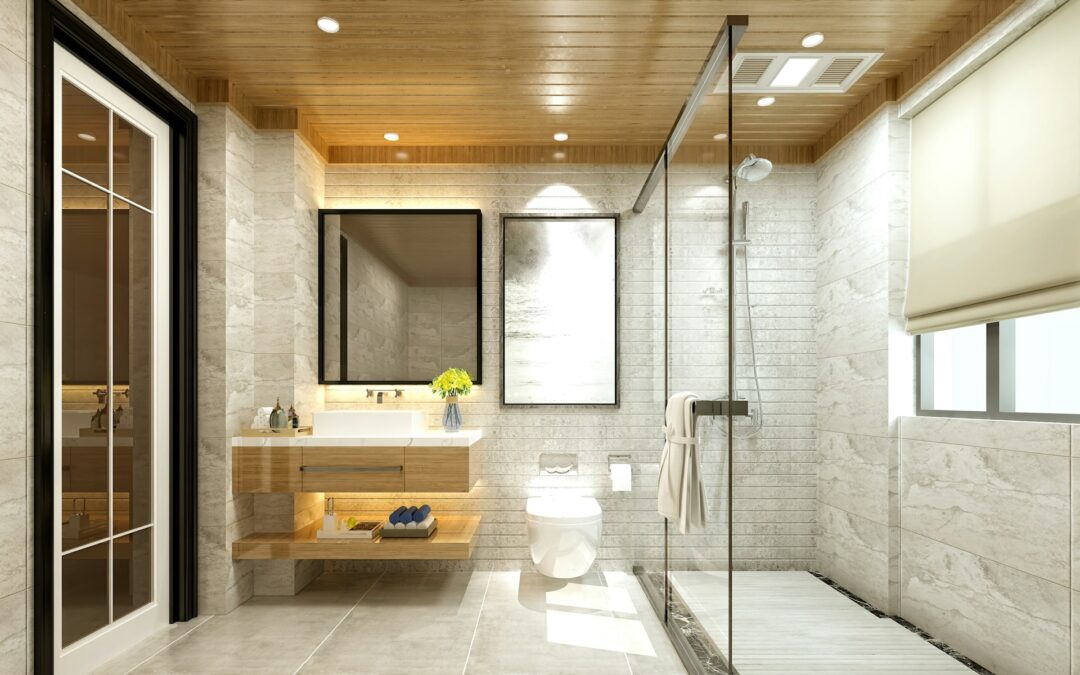
Planning a bathroom remodel is stressful when costs feel unpredictable. If you’re searching for cost bathroom remodeling, you likely want real ranges, clear drivers, and fewer surprises.
Ambiance Creations helps homeowners plan with integrity, functionality, and long-term value, not guesswork. The goal is a space that looks refined, works better every day, and holds up over time.
Inside, you’ll see common price tiers, the biggest cost levers, and where smart investments matter most. Use it to set priorities, compare estimates confidently, and keep scope from creeping.
Average Cost of Bathroom Remodeling
Bathroom remodeling costs swing widely based on project size, material selections, and how much you want to change. Knowing typical ranges helps you set realistic expectations and avoid sticker shock. Use these benchmarks as a starting point, then adjust for your home and goals.
National Average Bathroom Remodel Costs
The national average cost for a bathroom remodel falls between $6,600 and $18,000 for most projects. A typical bathroom renovation often costs around $12,000, though that number shifts by location and scope. When comparing cost bathroom remodeling estimates, it helps to break projects into tiers.
Budget-friendly remodels start at approximately $3,500 for small updates. Mid-range renovations usually run between $10,000 and $20,000. High-end remodels exceed $30,000 and can reach $100,000 or more with luxury materials and major changes.
You’ll pay roughly $100 to $500 per square foot for many bathroom projects. Labor typically makes up about 40% to 50% of the total, and material quality can swing pricing quickly. Keeping your existing layout often reduces complexity and keeps costs steadier.
Cost Breakdown by Bathroom Size
Your bathroom size directly affects your remodeling investment. Small bathrooms under 40 square feet usually cost $3,000 to $8,000 to remodel. They need fewer materials, but often require the same fixture types and core labor.
Medium bathrooms between 40 and 100 square feet run $8,000 to $18,000 on average. This size covers many standard family bathrooms and powder rooms. You’ll have more design flexibility, with higher material totals.
Large bathrooms over 100 square feet cost $15,000 to $35,000 or more. Primary baths often include double vanities, separate tubs, and walk-in showers. More square footage means more flooring, more wall tile, and potentially more fixtures.
Comparing Minor vs. Major Remodel Costs
Minor bathroom remodels cost $3,000 to $10,000 and focus on surface-level improvements. You might paint, swap hardware, update lighting, and install a new toilet or sink. These projects typically keep the layout and plumbing locations intact.
Major remodels range from $15,000 to $40,000 or higher when you change the structure and systems. Moving plumbing lines, expanding the space, or relocating fixtures adds substantial costs. At that point, you’re close to rebuilding the room from scratch.
Mid-range remodels between $10,000 and $20,000 offer a balanced approach. You can replace a bathtub or shower, install new tile, upgrade a vanity, and improve lighting, without moving walls or doing major plumbing.
Key Factors Affecting Bathroom Remodel Costs
The final price typically comes down to three areas: who does the work, what you choose for materials, and how much you modify plumbing and electrical systems. These items usually take the largest share of the overall cost of bathroom remodeling.
Labor and Professional Fees
Labor often makes up 40% to 60% of the total remodeling investment. General contractors may charge $50 to $150 per hour, depending on location and scope. Specialized trades often cost more, especially for complex work.
Plumbers typically charge $75 to $130 per hour, while electricians charge $50 to $100 per hour. A simple refresh needs fewer skilled hours than a full gut renovation. If you move plumbing fixtures or add outlets, labor hours can add up fast.
Location matters too, as labor rates in major cities can be significantly higher than in smaller towns. Licensed and insured professionals may cost more upfront, but help reduce risk later. For many homeowners, that peace of mind is worth the added investment.
Material and Fixture Choices
Materials and fixtures give you the most control over total spend. You can choose entry-level options or invest in premium products where it matters most. A smart plan blends durability, style, and long-term value.
Budget-tier toilets can start around $100, while luxury models can cost $800 or more. Similar ranges apply to sinks, faucets, and showerheads. Tile can vary from $1 per square foot for basic ceramic to $15 or more for natural stone or designer options.
Vanities also span wide ranges. A basic 36-inch vanity might cost $200, while custom cabinetry can exceed $2,000. Countertops range from about $20 per square foot for laminate to $100 or more for quartz or marble. Durability matters, since cheaper finishes may need replacement sooner.
Plumbing and Electrical Upgrades
Moving or adding plumbing lines can increase costs quickly. Running new water supply lines or drain pipes can add $1,000 to $3,000 to the project. Older homes may also need updates to meet current codes.
Replacing old galvanized pipes with copper or PEX often requires opening walls. That adds both material and labor expenses. Electrical upgrades can follow a similar pattern.
Adding GFCI outlets or upgrading a panel to handle new fixtures costs extra. If you’re installing heated floors or a whirlpool tub, you may need dedicated circuits. Permit fees for plumbing and electrical work often run $50 to $500, and inspections are commonly required.
Cost Ranges for Popular Bathroom Upgrades
Breaking the remodel into upgrade categories helps you see where money actually goes. The biggest ticket items are usually the shower or tub, flooring, and vanity setup. These are also where design choices can reshape the overall cost of the bathroom remodeling picture.
Shower and Tub Installation Costs
Installing a new shower typically costs between $2,000 and $9,000, depending on selections. A basic prefabricated shower unit may run $1,000 to $3,000 with installation. A custom tile shower often starts around $3,500 and can reach $10,000 or more.
Bathtub replacement costs range from $1,400 to $5,500 for standard models. Freestanding soaking tubs often cost $2,500 to $7,000. Walk-in tubs typically range from $5,000 to $10,000 installed.
Converting a tub to a shower can cost $2,000 to $12,000. That often includes demolition, plumbing adjustments, and the new shower installation. Layout changes and waterproofing needs can push the total higher.
Tile and Flooring Prices
Bathroom flooring typically costs $7 to $25 per square foot installed. Ceramic tile is often the most affordable option at $7 to $15 per square foot. Porcelain tile costs more at $10 to $20 per square foot and offers strong water resistance.
Wall tile for shower or tub surrounds can add $10 to $50 per square foot. Basic ceramic subway tile often runs around $10 to $18 per square foot. Natural stone or designer tile can rise to $30 to $60 per square foot.
Luxury vinyl plank flooring may cost $5 to $12 per square foot installed. It can mimic wood while handling moisture better, and it typically costs less than hardwood. It’s a practical option when you want warm visuals with simpler care.
Vanity and Countertop Expenses
A new bathroom vanity typically costs $300 to $3,800, not including installation. Stock vanities often run $300 to $1,200. Semi-custom vanities may cost $800 to $2,000, while fully custom pieces often start around $2,000.
Countertops can meaningfully change total vanity spend. Laminate typically costs $20 to $50 per square foot. Granite often runs $50 to $100 per square foot, and quartz can range from $60 to $150 per square foot.
A double vanity instead of a single can add $500 to $2,000. You’ll need more counter space, a second sink, and additional plumbing. Professional installation for vanity setups can add $200 to $1,000, depending on complexity.
Investment-Smart Bathroom Remodeling Ideas
You can transform a bathroom for as little as $300 to $3,000 by focusing on high-impact changes. The key is choosing updates that deliver visible improvement without a full tear-out. A clear plan also helps keep bathroom remodeling decisions grounded.
DIY vs. Professional Remodeling
Taking on select tasks yourself can reduce total costs substantially. Beginner-friendly projects include painting, updating cabinet hardware, swapping faucets, and installing light fixtures. These changes can make the room feel new without major disruption.
Hire professionals for plumbing relocations, electrical work, and structural changes. These often require permits and specialized skills to prevent expensive mistakes. A practical approach is DIY cosmetic updates, then licensed pros for technical work.
Best DIY Projects:
- Painting walls and vanities
- Installing peel-and-stick tile
- Swapping fixtures and hardware
- Adding storage solutions
- Updating mirrors and lighting
Leave to Professionals:
- Moving plumbing lines
- Electrical rewiring
- Removing walls
- Installing new shower pans
Smart Planning and Prioritization
Start by identifying what bothers you most about your current bathroom. Direct your spending to those problem areas instead of changing everything at once. This keeps decisions focused and avoids unnecessary upgrades.
Paint offers major visual impact for a low cost, often under $100 for supplies. New hardware and updated light fixtures can follow, commonly landing around $200 to $500 combined. Keeping the existing layout is one of the simplest ways to control overall spend.
Set aside 10% to 15% for surprises uncovered during demolition. Water damage and outdated wiring are common discoveries. A reserve helps you keep the project moving without compromising on essentials.
Repurposing and Refurbishing Fixtures
Your existing fixtures may only need a refresh. Cleaning grout and applying fresh caulk around tubs and sinks can change the look immediately. These small upgrades also improve performance and cleanliness.
Refinishing a bathtub instead of replacing it can save $2,000 or more. Professional reglazing may cost $400 to $600 and can make an old tub look new. You can also repaint a vanity cabinet and add new knobs or pulls for $3 to $15 each.
Consider sourcing gently used fixtures from local architectural salvage stores and online marketplaces. You can often find quality mirrors, lighting, and vanities for 50% to 70% off typical retail pricing. Creativity here can reduce the cost of bathroom remodeling totals without sacrificing style.
How to Plan and Save on Bathroom Remodeling
Planning carefully can save thousands. Many homeowners spend between $6,639 and $17,622, with an average of around $12,000, depending on scope and location. Start by setting a clear spending limit before you begin.
Write down exactly how much you can invest, then align material selections and scope to that number. This approach helps you choose where to invest for longevity and where to simplify. It also prevents “scope creep” that quietly expands totals.
Smart Ways to Cut Costs:
- Keep the existing layout instead of moving plumbing
- Refinish your bathtub rather than replacing it
- Choose prefabricated shower units over custom tile work
- Shop for fixtures during seasonal promotions or at outlet stores
- Do simple tasks yourself, like painting or removing old fixtures
Timing can help when you want to save. Some contractors offer lower rates during the winter months. You can also save by keeping cabinets that are in good shape and painting them instead of replacing them. Replacing only doors and hardware can refresh the look with fewer material costs.
Focus Your Investment on These Key Areas:
- Quality flooring that handles moisture well
- A reliable toilet that performs efficiently
- Proper ventilation to help prevent mold
- Adequate lighting for safety and daily use
Getting multiple quotes helps you find fair pricing. Ask at least three professionals for estimates, then compare what each includes. Doing everything at once often costs less than splitting the work into multiple phases.
Move Forward Without Cost Surprises
Bathroom remodeling feels overwhelming when pricing is unclear and scopes keep shifting. Clear ranges and informed decisions are the difference between a smooth project and ongoing stress.
Ambiance Creations helps homeowners plan smart investments by aligning materials, layout, and scope before work begins. That clarity protects your time, your home, and your long-term satisfaction.
See our showroom for real-world options and see how thoughtful planning pays off.
Frequently Asked Questions
What is the average cost of bathroom remodeling today?
Most bathroom remodels fall between $6,000 and $25,000, depending on size, materials, and scope. Smaller bathrooms with surface-level updates sit at the lower end, while larger spaces or full gut renovations push costs higher.
What drives bathroom remodeling costs the most?
Labor, material selections, and plumbing or electrical changes have the biggest impact. Keeping the existing layout and choosing durable mid-range finishes helps control the overall cost of bathroom remodeling totals.
Is it cheaper to remodel a bathroom without moving plumbing?
Yes. Keeping toilets, sinks, and showers in their current locations can save thousands. Plumbing relocations add labor, materials, permits, and inspection costs that quickly increase the final number.
How much should be allocated for labor?
Labor typically accounts for 40% to 60% of the total project cost. Complex tile work, plumbing changes, and electrical upgrades increase labor hours and overall investment.
Can a bathroom remodel be done for $10,000?
A $10,000 remodel is possible with careful planning. It usually means keeping the layout, choosing cost-effective materials, and limiting custom features while focusing on functional upgrades.
What upgrades offer the best value for the cost?
Improved lighting, updated vanities, efficient toilets, and durable flooring deliver a strong visual and functional impact. Proper ventilation is also a high-value upgrade that protects the space long term.
Should I remodel everything at once or in phases?
Doing the work at once often costs less than splitting it into phases. Multiple phases can repeat labor and setup costs, while a single coordinated project is usually more efficient.
How accurate are online bathroom remodeling calculators?
Online calculators provide rough national averages, but they do not reflect local labor rates or existing conditions. For accurate cost bathroom remodeling planning, detailed local estimates are more reliable.
How much extra should I plan for unexpected issues?
Setting aside 10% to 15% of the total project cost helps cover surprises like water damage, outdated wiring, or subfloor repairs without delaying the project.
When is the best time to remodel to save money?
Some contractors offer better availability or pricing during slower seasons, such as late fall or winter. Scheduling flexibility can sometimes reduce labor costs or shorten timelines.