
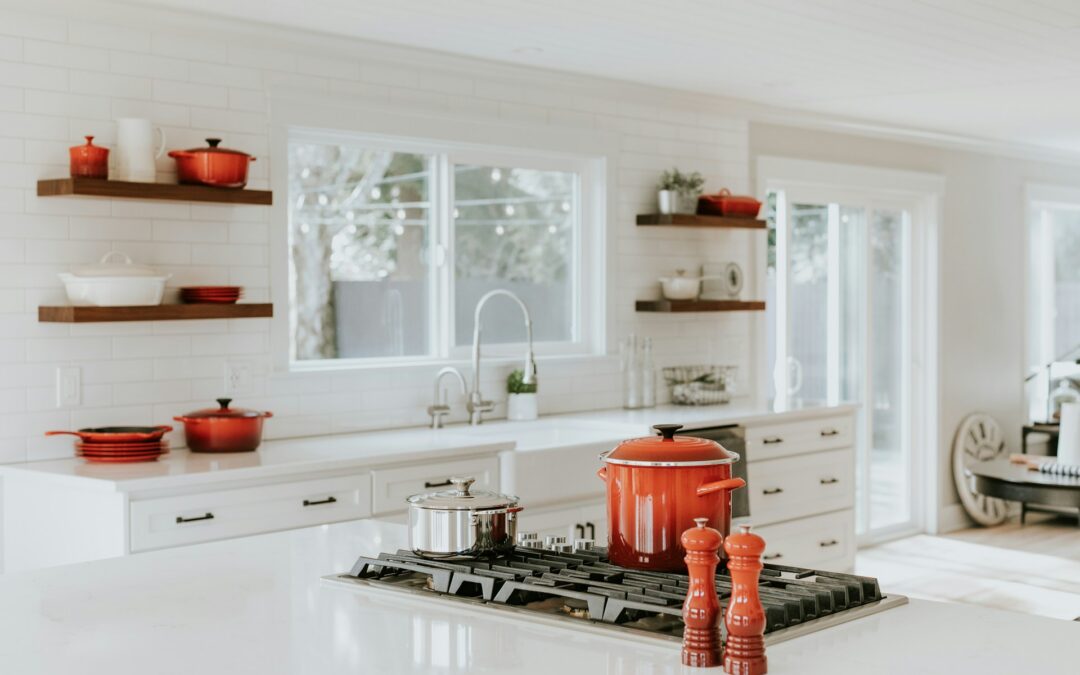
A custom kitchen remodel fixes what most kitchens get wrong: poor layout, not enough storage, and surfaces that feel hard to live with day after day.
With Ambiance Creations, the focus is on a kitchen that works the way you cook and move, with smart planning that prevents costly rework later.
Inside, you will see how to plan priorities, choose materials, and coordinate the process so your kitchen remodel feels clear and controlled from the start.
Planning Your Custom Kitchen Remodel
You cannot wing a custom kitchen remodel. Strong planning shapes your options, protects your investment, and keeps decisions aligned from start to finish.
Setting a Realistic Investment Plan
Your investment plan determines what is realistic in your remodel. Start by checking typical costs in your area for materials, labor, and permits.
A typical kitchen remodel can run from $25,000 to $75,000 or more, depending on scope, layout changes, and material selections.
Break costs into categories. Cabinets often take 30–40% of the total. Appliances may land around 15–20%. Labor commonly reaches 20–35%.
Set aside 10–20% for surprises. Hidden water damage or outdated wiring often shows up, and a contingency helps you stay steady when it does.
Track spending in a spreadsheet or app. List each category and update it as quotes arrive, so you can spot pressure points early.
Defining Must-Haves and Wish List Items
Before you choose finishes, make two lists. One is your must-haves, the other is your nice-to-haves.
Must-haves could include a specific cooktop setup, a dishwasher, or enough counter space to keep meal prep calm. Focus on what frustrates you now. Nice-to-haves might be a pot filler, a wine fridge, or glass-front cabinets. They add delight, but they are not always essential.
Rank everything by priority. If costs tighten, you will know what to protect and what to release without derailing the custom kitchen remodel.
Choosing the Right Layout for Your Space
Layout shapes how you move and work. L-shaped, U-shaped, galley, and island layouts each support different spaces and lifestyles.
The work triangle matters. Keep the fridge, sink, and stove in a practical triangle, with roughly 4–9 feet between each point.
Measure carefully, especially around doors, windows, and structural elements. L-shaped layouts suit open plans, while galley kitchens can excel in narrow footprints.
Do not forget traffic flow. Islands are excellent, but you typically want 42–48 inches of clearance around them for comfortable movement.
Design Elements and Personalization
Materials, cabinetry, and countertops shape both beauty and performance. This is where your custom kitchen remodel becomes uniquely yours.
Selecting Materials and Finishes
Materials set the tone. Flooring options include hardwood, tile, luxury vinyl, and stone, each with different maintenance and comfort levels.
Cabinet finishes range from painted to natural wood to modern laminates. Hardware choices include brushed nickel, bronze, brass, and chrome.
Backsplashes protect and add personality. Ceramic, glass, subway tile, and stone can create a focal area behind the range or sink.
Wall color and lighting finish the story. Try to visualize how surfaces interact in both color and texture before committing.
Cabinetry Design and Storage Solutions
Custom cabinetry solves storage challenges with intention. Consider pull-out drawers for pots, built-in spice storage, and appliance compartments.
Popular storage upgrades include:
- Deep drawers for heavy items
- Corner solutions like lazy susans
- Pull out trash and recycling
- Vertical slots for baking sheets
- Soft-close hinges and drawer glides
Adjust cabinet height and depth to fit your needs. Add glass fronts for display pieces, or open shelves for daily essentials.
Create work zones. A baking zone with mixer storage and a prep zone with knife slots can improve flow more than extra decoration.
Countertop Options and Considerations
Countertops vary by durability, maintenance, and look. Granite is heat-resistant but needs sealing. Quartz is low-maintenance and consistent.
Marble is striking but can stain and scratch. Butcher block adds warmth and works well for prep, though it needs regular oiling.
Concrete can be customized, yet it may crack over time. Think about how you prep, serve, and place small appliances day to day.
Edge profiles matter too. A simple profile feels modern, while a more detailed profile adds a classic finish.
Appliances and Technology Integration
Appliances, smart features, and lighting affect daily ease and energy use. In a custom kitchen remodel, these choices should serve your routine.
Energy-Efficient Appliance Choices
Energy-efficient appliances can reduce long-term operating costs. Look for ENERGY STAR-rated refrigerators, dishwashers, and ranges. Induction cooktops heat quickly and waste less energy. Many modern dishwashers use soil sensors to adjust water use efficiently.
Helpful considerations:
- Refrigerators: Bottom-freezer and French-door styles can be efficient
- Ovens: Convection settings often cook faster at lower temperatures
- Dishwashers: Eco cycles and half-load options can save resources
Panel-ready appliances can blend into cabinetry for a clean, cohesive look when that suits your design direction.
Smart Kitchen Technology
Smart appliances can connect to Wi-Fi for remote control and alerts. Preheating on the way home or checking door status can be genuinely helpful.
Some refrigerators include interior cameras and screens for lists and recipes. Voice assistants can handle timers and conversion of measurements hands-free.
Smart faucets with motion sensors can support cleanliness and reduce water waste. Review device compatibility before you buy.
Some features require subscriptions, so read the details before committing to a system for your custom kitchen remodel.
Lighting Solutions for Function and Ambience
Great lighting layers, task, ambient, and accent sources. Under-cabinet LEDs support prep areas without harsh shadows.
Pendant lights over islands add both function and style. Dimmers help you shift from bright prep lighting to softer evening ambience.
Lighting zones to consider:
- Task lighting for prep, sink, and cooking surfaces
- Ambient lighting for overall brightness
- Accent lighting in cabinets or above shelves
Smart lighting can adjust brightness and color, and motion sensors can be useful in pantries or deep cabinet runs.
Working with Professionals
The right team keeps quality high and stress lower. A strong designer supports decisions, and a reliable contractor keeps the work moving.
Hiring a Designer or Architect
A kitchen designer or architect can help you avoid expensive missteps. They plan plumbing, electrical, and ventilation systems while shaping the flow.
Look for certification and strong portfolios. If possible, visit completed projects to see finishing quality and real-world durability.
Design services often cost 10–15% of the total project. That investment can pay off through smarter layouts, better specifications, and clearer plans. Meet with at least three candidates. Choose the person who understands your goals and communicates clearly throughout the custom kitchen remodel.
Selecting a Reputable Contractor
Your contractor coordinates trades and sequencing. Confirm they are licensed, insured, and known for reliable workmanship.
Ask for references from recent projects and contact them. If possible, visit an active job site to see cleanliness, organization, and safety.
Get at least three written estimates with labor and materials itemized. Confirm who pulls permits and how schedule changes are communicated.
Read the contract closely. It should define scope, materials, payment schedule, and an estimated completion date.
Collaborating for Inspiration and Innovation
Share inspiration clearly, such as photos, clippings, or a digital board. Specify what you like, whether it is color, layout, or details.
Experienced professionals will offer alternatives when ideas conflict with structure, timeline, or investment plan. Stay open, while protecting your non-negotiables.
Schedule regular check-ins during design and construction. Decisions made early prevent small issues from turning into major delays. Keep changes organized and written. Clear change orders protect both timeline and cost control.
Navigating the Kitchen Remodel Process
A custom kitchen remodel involves permits, scheduling, and real-world surprises once demolition begins. Planning for disruption keeps you grounded.
Obtaining Permits and Approvals
Many remodels require permits, especially for moving plumbing, adding outlets, or changing structural elements.
Contractors often handle permitting, but homeowners are still responsible if something goes wrong. Processing time can range from 2 to 4 weeks by jurisdiction.
Permits you might need include:
- Building permit for structural work
- Electrical permit for new wiring
- Plumbing permit for relocating pipes
- Mechanical permit for ventilation or HVAC changes
Skipping permits can lead to fines, failed inspections, and resale complications. Insurance coverage may also be affected by unpermitted work. Costs vary, but permits often run $500–$2,000 depending on scope and location.
Managing Timelines and Expectations
Most custom kitchens take 6–12 weeks from the start of construction. Smaller projects may finish in 3–4 weeks, while complex renovations can extend.
Lead times matter. Custom cabinets alone can take 8–12 weeks to arrive, and specialty appliances may also require advance ordering.
Plan for a temporary kitchen. A microwave, coffee maker, and mini fridge in another room can make daily life much easier. Delays happen, from backorders to hidden damage. Flexibility helps you protect quality without rushing critical decisions.
Overcoming Common Renovation Challenges
Hidden issues appear in many remodels. Water damage, outdated wiring, and uneven floors can change the scope quickly.
Common challenges include:
- Incorrect measurements for custom pieces
- Delayed materials or appliances
- Inspection scheduling delays
- Subcontractor timing conflicts
- Overruns tied to surprise repairs
That 10–20% contingency matters. It protects momentum when the project shifts. Stay connected with your contractor through weekly check-ins. Clear communication keeps decisions moving and reduces costly rework.
A Kitchen That Finally Works for You
A custom kitchen remodel solves daily frustrations like tight layouts, wasted storage, and surfaces that never seem practical. When the design works, cooking and gathering feel easier instead of forced.
Clear planning, smart layout choices, and durable materials make the difference between a kitchen that looks good and one that truly supports your routine.
If you are ready for a kitchen designed around how you live, Ambiance Creations can guide the process with clarity and care. See our showroom!
Frequently Asked Questions
What is the biggest advantage of a custom kitchen remodel?
A custom kitchen remodel solves layout and storage problems that standard kitchens ignore. Everything is designed around how you cook, move, and use the space daily.
How long does a custom kitchen remodel usually take?
Most projects take 6–12 weeks once construction starts. Timelines vary based on layout changes, material lead times, and inspection schedules.
Is custom cabinetry worth the investment?
Yes, custom cabinetry maximizes storage, improves flow, and fits your space precisely. It eliminates wasted corners and awkward fillers common in stock cabinets.
Should appliances be chosen before or after design?
Appliances should be selected early. Appliance dimensions affect cabinetry, electrical planning, ventilation, and clearances throughout the custom kitchen remodel.
What layout issues cause the most frustration in kitchens?
Poor traffic flow, cramped prep zones, and badly placed appliances are common problems. A well-planned layout prevents congestion and daily inefficiencies.
Can I stay in my home during a kitchen remodel?
Most homeowners do, but expect disruption. Setting up a temporary kitchen helps manage daily routines while the main space is under construction.
What causes delays during a kitchen remodel?
Delays often come from material backorders, permit inspections, or hidden issues like outdated wiring or water damage discovered during demolition.
How do I avoid costly mistakes during a remodel?
Clear priorities, early planning, and working with experienced professionals reduce rework. Decisions made upfront protect both timeline and overall investment.
Do custom kitchens add value to a home?
A thoughtfully executed custom kitchen remodel can improve daily livability and long-term resale appeal, especially when layout and materials are well chosen.
What should I prepare before meeting with a designer?
Bring notes on what frustrates you in your current kitchen, inspiration images, and a list of must-haves. This clarity helps shape a smarter design from day one.