
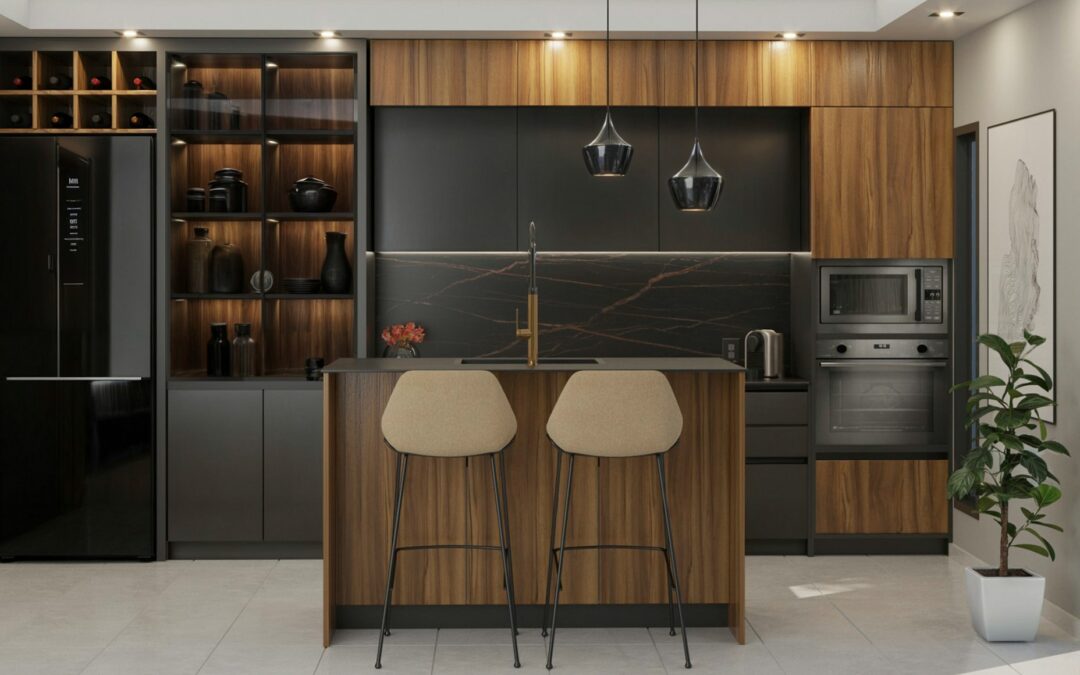
Eco-friendly kitchen cabinets are a simple way to reduce your home’s environmental impact while upgrading the space you use every day. By choosing sustainable materials and low-VOC finishes, you support a healthier kitchen.
In Southwest Florida, the right eco-friendly kitchen cabinets also need to handle humidity, salt air, and strong sun while staying beautiful and durable over time.
Ambiance Creations helps you compare materials, finishes, and layouts so your eco-friendly kitchen cabinets feel tailored to your home, your routine, and your long-term investment.
What Are Eco-Friendly Kitchen Cabinets?
Eco-friendly kitchen cabinets are designed to reduce harm to the environment while offering durability and style. They use materials and finishes that are safer for your home and the planet. Knowing what makes these cabinets different helps you make smarter choices.
Definition and Core Characteristics
Eco-friendly kitchen cabinets use sustainable materials, low-impact production processes, and non-toxic finishes. They avoid harmful chemicals like formaldehyde and VOCs, which can affect indoor air quality.
These cabinets often come from fast-growing or reclaimed wood, recycled composites, or bamboo. They focus on lasting quality to reduce waste from frequent replacements.
Environmental Benefits
Choosing eco-friendly kitchen cabinets lowers your kitchen’s carbon footprint. They use less energy in production and reduce waste. These cabinets help protect forests by using wood from certified sustainable sources or recycled materials.
They also reduce harmful emissions by avoiding plastics and toxic finishes. By investing in eco-friendly options, you support cleaner indoor air and reduce landfill waste. Your kitchen becomes part of a healthier home and planet, especially important in Southwest Florida’s sensitive environment.
Overview of Popular Materials
Common eco-friendly materials include:
- Bamboo: Fast-growing, durable, and renewable.
- Reclaimed wood: Salvaged wood repurposed from old buildings or furniture.
- FSC-certified wood: Wood from forests managed responsibly.
- Recycled composites: Made from wood fibers mixed with recycled plastics.
- Low-VOC finishes: Paints and stains with minimal harmful chemicals.
Each material suits different styles and investment levels but always meets sustainability standards.
Materials Used in Eco-Friendly Kitchen Cabinets
Eco-friendly kitchen cabinets focus on materials that reduce environmental impact and promote health. You’ll find options that involve using responsibly harvested wood, innovative plants like bamboo, or recycled products free of harmful chemicals. These choices offer strength, style, and safety for your home.
Sustainably Sourced Wood
Sustainably sourced wood comes from forests that are carefully managed to protect wildlife and encourage regrowth. This means the wood used in your cabinets won’t contribute to deforestation or habitat loss.
Look for certifications like FSC (Forest Stewardship Council), which ensure that wood is harvested responsibly. These woods are durable and offer a natural, warm look while protecting the environment.
Using sustainably sourced wood also supports long-term forest health and local communities. For your kitchen, this means quality cabinets that align with your values and stand up to daily use in a humid Florida home.
Bamboo and Reclaimed Wood
Bamboo is a fast-growing grass that renews quickly, making it a top choice for eco-friendly kitchen cabinets. It is strong and resists moisture well, which suits Southwest Florida’s climate. Bamboo’s unique grain adds a modern, natural texture to your kitchen.
Reclaimed wood is another smart option. It reuses old wood from barns, factories, or homes, giving new life to material that might otherwise end up in landfills. Using reclaimed wood reduces waste and often offers rich character through its aged appearance.
Both bamboo and reclaimed wood provide warmth and uniqueness, helping your eco-friendly kitchen cabinets feel personal and timeless.
Recycled and Non-Toxic Materials
Recycled materials include plastics, metals, and wood fibers that have been processed for new use. Cabinets made from these materials reduce landfill waste and often use fewer raw resources.
Non-toxic materials avoid harmful chemicals like formaldehyde, which can affect your indoor air quality. Look for finishes and adhesives labeled low-VOC (volatile organic compounds) or no-added formaldehyde. These options help keep your kitchen air clean and safe.
Sustainable Manufacturing Practices
Choosing eco-friendly kitchen cabinets means understanding how they are made. The materials, finishes, and production process all affect the environment. Knowing what certifications matter can help you find cabinets that are better for your home and the planet.
Low-VOC Finishes
Low-VOC finishes cut down on harmful chemicals released into your indoor air. These finishes help keep your kitchen’s air clean and safe while still giving your cabinets a beautiful look.
You’ll often find water-based or natural oil finishes used by sustainable manufacturers. These dry quickly, resist yellowing, and keep the smell low. Because they are less toxic, they are better for your family’s health and the environment.
Energy Efficient Production
Making cabinets while minimizing energy use is vital in sustainable manufacturing. Efficient factories use modern machinery that consumes less power and reduces waste. Some even run on renewable energy, like solar or wind power.
Waste from cutting wood or milling can be reused in other products rather than sent to landfills. Smart factories also optimize layouts and schedules to cut down on extra material use and transport emissions.
Choosing cabinets made with energy efficiency in mind lowers your kitchen’s overall environmental footprint.
Certifications to Look For
Looking for certificates can guide you to trustworthy, eco-friendly kitchen cabinets. Some well-known certifications include:
| Certification | Focus | What It Means for You |
| FSC (Forest Stewardship Council) | Responsible forest management | Wood comes from forests managed fairly |
| CARB (California Air Resources Board) | Limits formaldehyde in wood products | Cabinets with healthier air quality |
| GREENGUARD | Low emissions and indoor air quality | Safer air in your home |
These labels are proof that the manufacturer follows green rules. When you choose cabinets with these marks, you know your kitchen supports sustainability without compromising design or durability.
Design and Style Options
Your kitchen cabinets can reflect your personality while staying eco-friendly. You have choices between different design styles, custom or ready-made options, and many colors and finishes to suit your tastes and needs.
Modern and Traditional Designs
Modern eco-friendly kitchen cabinets focus on clean lines and minimal hardware, using materials like bamboo or FSC-certified woods. These designs often include flat-panel doors and built-in storage that reduce clutter and improve usability.
Traditional cabinets bring warmth with details like raised panels, corbels, and natural wood grains. Sustainable hardwoods with non-toxic finishes can deliver that classic look without harming the environment. Both styles can be tailored to your kitchen’s flow and lifestyle.
Custom vs Ready-Made Cabinets
Custom cabinets give you full control over size, materials, and details. You can choose eco-friendly woods, finishes, and hardware that suit your style and the Southwest Florida climate. This option often results in a better fit and higher quality.
Ready-made cabinets offer faster installation and lower initial cost. Many manufacturers now provide eco-conscious models made from recycled or sustainably sourced components. However, your choices in sizes and styles might be more limited.
Color and Finish Choices
Eco-friendly kitchen cabinets come in a wide range of colors and finishes. Natural wood stains showcase grain and texture, while using water-based, low-VOC paints protects indoor air quality.
You can select light, airy tones to make your kitchen feel open, or richer colors for a cozy atmosphere. Matte or satin finishes hide fingerprints and wear better than high gloss in an active kitchen. Finishes should also be durable to withstand Florida’s humidity and sun.
Cost and Investment Considerations
When planning for eco-friendly kitchen cabinets, it’s important to understand how their cost compares to traditional options, the long-term value you gain, and possible incentives that can help reduce initial expenses. Knowing this will help you make a smarter investment for your home.
Price Comparison with Conventional Cabinets
Eco-friendly cabinets usually cost more upfront than conventional ones. Materials like bamboo, reclaimed wood, or certified woods often have higher prices due to sustainable harvesting and production. You might pay anywhere from 15% to 30% more, depending on the material and finish.
Custom features and craftsmanship add to the price but ensure the cabinets last longer and fit your space perfectly.
Long-Term Value
Investing in eco-friendly cabinets can save money over time. These cabinets resist warping, moisture damage, and wear better than some traditional options, especially in Florida’s humid climate. This means fewer repairs or replacements down the line.
Materials chosen for durability and sustainability also help maintain your home’s value.
Incentives and Rebates
Some local and federal programs offer rebates or tax credits for using sustainable building materials. Depending on where you live in Southwest Florida, you might find energy-saving or green home improvement incentives that apply to eco-friendly kitchen projects.
Check with your local utility or municipality for current offers.
Choosing the Right Supplier
Finding a supplier for your eco-friendly kitchen cabinets means checking how they make their products and what questions you should ask. This helps you pick a company that meets your values and needs.
How to Identify Responsible Manufacturers
Look for manufacturers who use sustainable materials like FSC-certified wood or recycled components. They should provide proof of responsible sourcing. Ask if they minimize waste during production and use non-toxic finishes. Also, check if the supplier supports local craftsmanship or uses energy-efficient processes.
A transparent company shares details about manufacturing locations, labor practices, and environmental policies.
Questions to Ask Suppliers
When talking to suppliers, ask:
- What eco-friendly certifications do your cabinets have?
- How do you handle waste and pollution during production?
- Do you offer low-VOC finishes and adhesives?
- Are your products durable enough for Southwest Florida’s humidity?
- Can you provide references or examples of completed projects?
Clear answers help you know you’re investing in long-lasting, safe cabinets.
Installation and Maintenance Tips
Installing your eco-friendly kitchen cabinets carefully and caring for them properly will keep them looking great and lasting longer. Using the right methods during installation and simple, regular cleaning can protect your cabinets from damage and wear.
Eco-Friendly Installation Methods
Choose installation techniques that use low-impact materials and reduce waste. For example, use water-based adhesives and formaldehyde-free glues to limit harmful chemicals. Avoid drilling where possible to reduce dust and damage to your cabinets. Use reclaimed or sustainably sourced wood supports when needed.
Proper sealing around cabinets helps keep out moisture, which is important in Florida’s humid climate. Consider installing soft-close hinges and drawer slides, which reduce damage by preventing slamming. These small upgrades increase functionality and cabinet longevity without extra impact on the environment.
Cleaning and Care Guidelines
Clean your cabinets with mild, eco-friendly soaps or natural cleaners like diluted vinegar or olive oil soap. Avoid harsh chemicals or abrasive scrubbing pads that can strip the finish or scratch surfaces. Wipe spills and moisture quickly to prevent warping or staining.
Use a soft cloth to dust regularly, keeping dirt and grit from scratching the cabinet’s finish. For wood cabinets, occasionally apply a natural polish designed for wood to maintain shine and protect the surface.
Keep humidity in check by using exhaust fans or dehumidifiers. This preserves cabinets in Southwest Florida’s humid, salty air. Regular maintenance minimizes the need for costly repairs or replacements.
Impact on Indoor Air Quality
Choosing eco-friendly kitchen cabinets can improve the air you breathe inside your home. Many traditional cabinets use materials that release volatile organic compounds (VOCs). These chemicals can affect mood, breathing, and overall air quality.
Eco-friendly cabinets often use low-VOC or no-VOC finishes and adhesives. These materials reduce harmful emissions, helping your kitchen stay fresh and healthy. Here are some key ways eco-friendly cabinets impact indoor air quality:
- Lower VOC levels: Safer finishes and glues reduce chemical odors.
- Natural materials: Wood sourced sustainably often emits fewer pollutants.
- Better ventilation: Design choices allow air to flow around cabinets easily.
You might also want to consider the cabinetry’s sealants and hardware. Products with minimal off-gassing help keep your kitchen air cleaner. In a place like Southwest Florida, where humidity is high, cabinets that breathe and avoid trapping moisture can prevent mold growth. This also keeps your home healthier and your kitchen looking beautiful longer.
Future Trends in Eco-Friendly Kitchen Cabinets
More homeowners like you are choosing materials that are kinder to the environment. Expect a rise in cabinets made from recycled wood and low-VOC finishes. These options reduce waste and improve indoor air quality.
Another trend is using smart storage solutions that help you organize better and reduce clutter. Compact, multi-use cabinetry fits well with today’s smaller, more efficient homes. Look for locally sourced materials becoming more popular. This lowers transportation emissions and supports nearby producers.
Technology will also play a bigger role. Cabinets with built-in sensors or adjustable lighting can make your kitchen more energy-efficient and easier to use. You’ll see more focus on durable finishes designed for Southwest Florida’s heat and humidity. This makes your investment last longer and stay beautiful.
| Future Features | Benefits |
| Recycled wood | Reduces environmental impact |
| Low-VOC finishes | Better air quality indoors |
| Smart storage | Maximizes space |
| Built-in sensors | Improves energy efficiency |
| Durable coastal finishes | Withstands sun and humidity |
With these trends, your eco-friendly kitchen cabinets will be both stylish and thoughtful.
Ready to Plan Your Greener Kitchen?
Eco-friendly kitchen cabinets let you refresh your space while reducing environmental impact, improving indoor air quality, and adding lasting value to your home.
In Southwest Florida’s climate, thoughtful choices in materials, finishes, and installation help your kitchen stay beautiful, durable, and easy to live in every day.
For a tailored design that aligns style with sustainability, Ambiance Creations can guide you through selections, layouts, and finishes. Get in touch to explore eco-friendly kitchen cabinets that fit your home and lifestyle.
Frequently Asked Questions
Choosing eco-friendly kitchen cabinets means looking for materials and certifications that protect the environment and maintain quality. You can find options that match your style and fit your investment range.
How can I identify eco-friendly kitchen cabinets during my search?
Look for cabinets made from sustainably harvested wood or recycled materials. Check for low or no volatile organic compounds (VOCs) in finishes and adhesives. Ask about the source of materials and if they comply with environmental standards. Transparency from the manufacturer is key.
What materials are considered best for sustainable kitchen cabinets?
Bamboo, reclaimed wood, and formaldehyde-free plywood are top choices. These materials reduce waste and avoid harmful chemicals. Other good options include recycled metal and FSC-certified hardwood, known for sustainable forestry.
How does the GREENGUARD certification relate to kitchen cabinetry?
GREENGUARD certification means the cabinets meet strict chemical emissions limits. This certification helps keep your indoor air clean and safe. Choosing GREENGUARD-certified cabinets reduces exposure to pollutants, improving your home’s health.
Are there affordable options for eco-friendly kitchen cabinets?
Yes, plenty are available. Using bamboo or recycled materials often lowers costs while offering durability.
What brands are known for producing environmentally friendly kitchen cabinets?
Look for brands committed to shared values of quality and sustainability. Their partnership approach ensures your cabinets meet green standards and fit your design goals.
Can I find eco-friendly kitchen cabinets that are also stylish and modern?
Absolutely. Eco-friendly cabinets come in many finishes and designs, from sleek modern to warm coastal looks. Your kitchen can be both beautiful and responsible.