
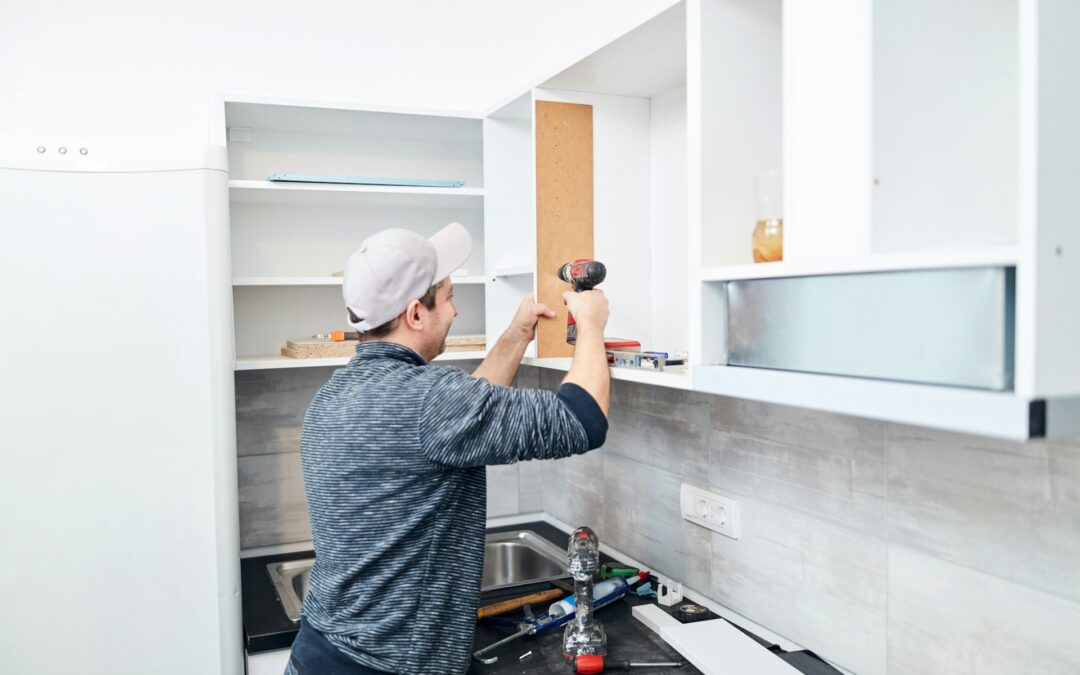
If your kitchen feels cramped, dated, or hard to keep organized, everyday cooking can start to feel like a chore instead of something you enjoy. The right ideas for kitchen remodeling can fix poor layouts, limited storage, and worn surfaces so your space finally matches how you cook, gather, and live.
In this guide, Ambiance Creations walks through practical options for layouts, materials, lighting, and storage tailored to Southwest Florida homes, so you can move from feeling frustrated to confident about your next step.
Planning Your Kitchen Remodel
Starting your kitchen remodel means making smart choices that fit your lifestyle and home. You’ll want to set a realistic investment, figure out your top priorities, and pick a layout that actually makes life easier when you’re cooking or hosting. Collecting clear ideas for kitchen remodeling early helps every decision feel more intentional.
Setting a Realistic Investment
Knowing how much you want to spend helps you set clear goals and avoid surprise bills. Think about the full scope: cabinets, countertops, appliances, lighting, and labor to avoid unexpected costs, and leave a cushion of about 10–15% for extras or last-minute upgrades.
Prioritize where you want to splurge, like on tough surfaces or quality appliances, since those make a difference in daily life and long-term value. Be up front about your investment limit early so your design team can put together a plan that matches your investment and still delivers a kitchen that feels right.
Identifying Your Kitchen Needs
Look at how you actually use your kitchen. Is it mostly for quick breakfasts, family dinners, or entertaining friends? List your must-haves, like smart storage, eco-friendly materials, or enough space for more than one cook, so you can choose extras such as drawers, pull-out shelves, or energy-efficient appliances.
Think about your daily routines and storage needs. Do you need more counter space or a better workflow between the fridge, stove, and sink? Small details can make a big difference, especially when you’re turning ideas for kitchen remodeling into reality.
Exploring Popular Layouts
Choosing the right layout shapes how your kitchen works and feels. Some common designs include:
- U-shaped: Lots of counters and cabinets on three walls.
- L-shaped: Opens up to the rest of the home, great for smaller spaces.
- Galley: Two parallel counters, efficient for cooking but not very open.
- Island: Adds workspace and seating, perfect for social kitchens.
Think about your kitchen’s size and how you want it to connect with other rooms. The right layout makes it easier to move around and gives you space to work and hang out.
Layout and Space Optimization
Making the most of your kitchen means paying attention to how space flows, where you store things, and how you move when you’re cooking. Smart designs open up your kitchen, give you more room for essentials, and help you work better. Sometimes it is the small adjustments that really change how a space feels.
Open Concept Designs
An open concept kitchen connects your cooking area with living or dining spaces. This makes your kitchen feel larger and lets you socialize while you cook. Removing walls or adding big openings can boost natural light and airflow.
You can use islands or peninsulas to create separation without closing things off. These features give you extra counters and places to sit. Choose materials and finishes that coordinate with the rest of your home for a more seamless look.
Maximizing Storage Solutions
Good storage keeps your kitchen tidy and easy to use. Go for cabinets that reach the ceiling to make the most of vertical space. Pull-out shelves, deep drawers, and corner carousels make it easier to reach everything without digging around.
Built-in organizers for utensils, spices, and pantry items save time and reduce clutter. Consider open shelving for everyday dishes or decorative pieces, and balance it with closed storage to hide small appliances and keep counters clear.
Improving Workflow Efficiency
A kitchen’s flow makes all the difference when you’re cooking. Arrange your main zones, sink, stove, and refrigerator, in a work triangle to cut down on extra steps. Put prep zones near sinks and cutting areas, and keep cooking and serving spots close together.
Adjust counter heights to fit your style and comfort. Lighting matters more than people think; task lighting over prep areas and softer general light make working easier and far more pleasant.
Cabinetry Choices and Customization
Picking the right cabinets sets the tone for your kitchen’s style and how it functions. You can choose between custom or prefabricated options, and modern design trends bring in sleek looks while smart organization features make your kitchen work better for daily routines.
Custom Cabinets vs. Prefabricated
Custom cabinets are built just for you. They fit your kitchen’s exact measurements and style, and you get to pick every detail, from wood type and finish to special features like glass doors or hidden drawers.
Prefabricated cabinets come ready-made in standard sizes and styles. They usually cost less and install faster, but you’ll have fewer choices in materials and finishes. These work best for simple layouts that match common cabinet sizes.
Modern Cabinet Design Trends
Today’s kitchens lean toward clean lines and lighter colors. Matte finishes in white, gray, or soft blues feel calm and airy. Natural wood grains remain popular, especially with warm stains that show off the texture.
Open shelving or glass-front cabinets add visual interest and make it easy to grab what you need. Minimal hardware or push-to-open doors keep things looking smooth and modern, and some designs mix materials, such as wood cabinets with metal or stone accents.
Smart lighting inside cabinets and under shelves is increasingly common. It brightens workspaces and highlights your favorite dishes or collectibles, helping your kitchen feel inviting as well as functional.
Innovative Organization Features
A good organization makes your kitchen easier to use every day. Pull-out shelves bring items into full view so you do not lose things in the back, while deep drawers keep pots, pans, and appliances tidy.
Built-in spice racks, cutlery trays, and adjustable dividers let you customize storage around your habits. Vertical dividers keep baking sheets upright, and some cabinets even hide trash and recycling bins to keep counters clear.
Lazy Susans and corner carousels put awkward spaces to work. Thoughtful storage solutions really do make a difference when you’re trying to keep things clean and clutter-free.
Countertops and Surface Materials
Choosing the right surface materials shapes how your kitchen looks and works every day. It is worth thinking about durability, eco-friendliness, and texture so your space feels inviting and easy to use.
Durable Countertop Options
Durability is a must for a kitchen in Southwest Florida, where humidity and salt air can be tough on some materials. Quartz stands out because it resists stains, scratches, and heat, is low-maintenance, and comes in many colors.
Granite brings natural beauty and strength, but you’ll need to seal it to keep it looking good. Solid surface materials like Corian are seamless and easy to clean, although they can scratch more easily than quartz or granite.
Marble looks stunning but needs extra care since it is softer and more sensitive to acids. If you want something that lasts, engineered stone or quartz holds up well and keeps your kitchen feeling fresh for years.
Eco-Friendly Surface Choices
If you want to reduce your kitchen’s environmental impact, consider surfaces made from recycled or sustainable materials. Paper composite countertops combine recycled paper with resin for strong, warm-feeling counters.
Bamboo and reclaimed wood, when properly treated for moisture, bring eco-friendly charm and a natural vibe. Recycled glass countertops offer a unique look with a bit of sparkle, and they are created with sustainability in mind.
Ask about suppliers who source materials responsibly. A little homework goes a long way if you want a kitchen that is as green as it is beautiful.
Mixing and Matching Textures
Mixing different surface textures adds depth and personality to your design. Pair smooth quartz counters with matte wood or rough stone tiles to create a balanced, welcoming feel.
You might choose a polished island top and a textured backsplash. That contrast draws the eye and helps each element stand out without overwhelming the room.
Think about how surfaces feel as well as how they look, opting for smooth finishes where you prep food and more texture where spills are less of a concern.
Appliances and Smart Technology
The right appliances and tech make your kitchen more efficient and easier to use. You can save energy, boost convenience, and keep the design clean and modern, while smart features and hidden appliances help your kitchen feel organized and high-end.
Integrating High-Efficiency Appliances
Energy-efficient appliances cut down on power use without sacrificing performance. Look for ENERGY STAR® certified refrigerators, dishwashers, and ovens that help you save on electricity and water, which is especially helpful in Florida’s warm climate.
Appliances with strong efficiency ratings also produce less heat, which keeps your kitchen more comfortable. Induction cooktops heat up fast and use less energy than gas or traditional electric ranges, making them worth considering.
Incorporating Smart Kitchen Features
Smart kitchen tools can elevate your daily routines. Wi-Fi ovens, voice-controlled faucets, and app-connected fridges let you control features from your phone or with your voice.
You might track groceries, preheat the oven from another room, or get alerts about leaks. Some smart devices even help you monitor energy use and find ways to save. Integrating these features takes planning for wiring and placement, so raise them early in the design process.
Hidden and Built-In Appliances
Built-in appliances give your kitchen a seamless, custom look. Refrigerators, microwaves, and dishwashers can be panel-ready, blending in with surrounding cabinets.
Hiding big appliances behind matching doors keeps counters clear and makes the whole room look tidier. It also creates the sophisticated, built-in feel associated with luxury kitchens.
Careful measurements and installation ensure your hidden appliances fit properly and work with your kitchen’s style and flow.
Lighting and Ambiance
Good lighting can completely change how your kitchen feels and functions. It affects cooking tasks, highlights design features, and brightens the space naturally. You want a balance of bright, soft, and natural light to create a warm, inviting kitchen.
Task Lighting Concepts
Task lighting focuses on the areas where you do most of your work, like countertops, sinks, and cooking zones. Under-cabinet LED strips or puck lights give you clear, shadow-free light right where you need it.
Pendant lights over islands add style and focused illumination. Choose fixtures with dimmers or adjustable brightness so you can tune light levels for different tasks or moods.
Harsh, overly bright lights can cause eye strain, so it is best to avoid them. The right task lighting makes daily cooking easier and much more enjoyable.
Accent Lighting Ideas
Accent lighting adds depth and personality to your kitchen. Use it to highlight art, architectural details, or display shelves. LED strip lights inside glass cabinets or toe-kick lighting below cabinets create a soft glow that adds warmth.
Dimmers let you adjust mood lighting during evenings or gatherings. Small spotlights or wall sconces can enhance texture and showcase finishes, making your kitchen feel more layered and intentionally designed.
Enhancing Natural Light
Maximizing natural light can transform the look and feel of your kitchen. Large windows or sliding glass doors bring in sunlight and make everything feel more open.
Keep window treatments minimal, such as sheer curtains or blinds that open fully. Reflective surfaces like glossy backsplashes or light-colored countertops bounce daylight deeper into the room.
Skylights or solar tubes brighten spaces without adding excess heat. Kitchens that connect you to Southwest Florida’s outdoor beauty tend to feel more relaxed and uplifting.
Flooring Solutions
Choosing the right flooring can make your kitchen more comfortable and easier to maintain. Focus on materials that handle heavy use and resist moisture, which is especially important for an active, sunny Southwest Florida home.
Durable Kitchen Flooring Materials
Durability is key since kitchens see a lot of foot traffic and spills. Hardwood floors offer warmth and timeless beauty, but engineered wood is often the better pick because it handles humidity more reliably than solid wood.
Tile is another strong option. Porcelain tiles resist scratches and stains, and they come in many styles, so you are likely to find a look that fits your design. Luxury vinyl plank, or LVP, is popular for its tough surface and easy upkeep.
LVP mimics wood or stone but is gentler underfoot and less prone to dents, which works well in busy households.
Water-Resistant Flooring Options
Water-resistant floors are essential in a kitchen where spills are part of daily life. Vinyl and tile do not warp or stain from moisture, so they are solid choices. Waterproof vinyl planks provide a seamless look and can handle standing water without damage.
They are also softer and quieter than tile underfoot, which is a plus if you are often barefoot. Natural stone, like slate or marble, adds elegance and durability, but it needs to be sealed well to prevent water absorption and stains.
Stone can feel cold, so radiant heating is worth considering if you want extra comfort. If you are set on wood, bamboo with a waterproof finish can work well; it is eco-friendly and handles moisture better than many traditional hardwoods. Selecting water-resistant materials helps your kitchen floor stay beautiful and functional despite daily wear.
Backsplash Inspiration
A backsplash changes the whole look of your kitchen while protecting your walls. You can play with patterns and materials that add personality and match your style, while keeping your kitchen feeling fresh and suited to Southwest Florida’s coastal vibe.
Trendy Tile Patterns
Tiles can be a simple way to refresh your kitchen. Popular choices include herringbone, chevron, and classic subway layouts, which offer clean lines with visual interest.
You might prefer large-format tiles for a modern, sleek look, or mosaic tiles to add texture and small pops of color. For a unique touch, consider contrasting grout colors.
White tiles with dark grout or navy tiles with light grout emphasize the pattern. Tile layouts can also help hide dirt and water spots, making your kitchen easier to keep clean.
Creative Material Selections
Think beyond ceramic tile for your backsplash. Natural stone like marble or travertine creates a warm, timeless feel and holds up well against Florida humidity.
Glass backsplashes reflect light and brighten your space. They are smooth and easy to wipe down, making them practical around cooking zones. Metal backsplashes, such as brushed stainless steel or copper, offer an industrial look and stand up to heat and moisture.
Mixing textures and finishes is a great way to add a distinctive, custom feel to your kitchen.
Color Schemes and Décor
Choosing the right colors and finishes sets the tone for your kitchen. Aim to balance classic hues with unique textures so the space feels both fresh and inviting.
Timeless Color Palettes
Neutral tones like soft grays, warm whites, and creamy beiges stay stylish over time. These shades provide a calm, airy backdrop that works well with Southwest Florida’s natural light.
You can add depth by mixing in darker accents like navy blue or charcoal. These colors create contrast without overpowering your design. Pairing wood tones, such as rift-cut oak, brings warmth and a natural feel.
Using classic shades also gives you flexibility if you decide to update fixtures or accessories later.
Mixing Textures and Finishes
Texture brings life to your kitchen’s color scheme. Combining smooth quartz countertops with matte cabinetry or brushed metal hardware adds subtle variety and dimension.
Try finishes like hand-finished wood, honed stone, and soft metals to keep the space interesting yet cohesive. Mixing shiny and matte surfaces can highlight details and create a more tactile experience.
You can balance harder materials with softer ones, like woven fabric seats or a natural fiber rug, for comfort. Choosing durable, Florida-ready materials helps protect your kitchen while keeping it beautiful.
Sustainable and Eco-Friendly Remodeling
You can reduce your kitchen’s environmental impact with a few smart decisions. Focus on cutting energy use and choosing materials that last without adding unnecessary strain on the planet. These steps help create a kitchen that is better for both your home and the environment.
Energy-Efficient Upgrades
Upgrading to energy-efficient appliances saves electricity and lowers utility bills. Look for Energy Star-rated refrigerators, dishwashers, and ovens, which use less power while delivering strong performance.
Lighting also matters. Switch to LED bulbs for your kitchen’s task and ambient lights, since LEDs use less energy and last longer than traditional bulbs. Consider low-flow faucets and efficient ventilation systems to reduce water and energy use without sacrificing comfort.
Smart controls, such as motion sensors or timers, prevent lights and fans from running when they are not needed. These small changes add up over time.
Sustainable Material Choices
Choose materials that are durable and eco-friendly to reduce waste and replacement cycles. Reclaimed wood or bamboo cabinets offer natural beauty while using renewable resources.
For countertops, look at recycled glass or engineered quartz surfaces. These stand up to daily use and resist stains or scratches, making them a practical long-term investment.
Low-VOC paints and finishes improve indoor air quality by emitting fewer harmful fumes. Using these materials helps your kitchen stay beautiful and functional for years with minimal environmental impact.
Small Kitchen Remodeling Ideas
Making the most of a small kitchen means focusing on smart storage and clever furniture choices. You want your kitchen to feel open and easy to move around in, while still having all the tools and work areas you need.
Space-Saving Solutions
Use vertical space to avoid clutter. Tall cabinets that reach the ceiling add storage without taking up more floor area. Pull-out shelves and rotating corner cabinets help you use every inch.
Open shelving can make your kitchen look bigger and keep everyday items within reach. Choose light colors and reflective surfaces, like glossy backsplashes, to bounce light around the room.
Hooks or magnetic strips on walls can hold utensils or pots, freeing up drawer space. A compact pantry or slim storage tower works well in narrow spots, helping the space work harder for you.
Multi-Functional Furniture
Use furniture that does more than one job. An island with built-in storage or seating saves space and adds function.
A fold-down table or wall-mounted drop-leaf can provide extra prep or eating space when needed, then tuck away neatly. Choose stools that slide under counters or tables to keep walkways clear.
Furniture with hidden compartments keeps your kitchen tidy without adding visual bulk, which is especially helpful in smaller layouts.
Personal Touches and Unique Features
Adding special elements can make your kitchen feel truly one of a kind. Choosing standout fixtures and custom islands brings character and improves how your space works day to day.
Statement Fixtures
Statement fixtures are focal points that catch the eye and express your style. Bold pendant lights or a unique chandelier over the island can add warmth and personality.
Brass or matte black finishes create a modern coastal feel that fits Southwest Florida living. You can also choose faucets and hardware that combine strong performance with beautiful design.
Look for pieces that feel sturdy yet have interesting shapes or textures. For example, a hand-finished bronze faucet pairs nicely with a natural stone sink, creating a layered, upscale look.
Custom Islands and Breakfast Bars
Custom islands let you design a centerpiece that fits your lifestyle. Whether you need a large workspace with smart storage or a cozy breakfast bar, an island can transform how you use your kitchen.
Consider built-in features like wine racks, pull-out drawers, or a prep sink to boost function. The island’s shape and countertop material also matter; quartz offers durability and easy care in humid Florida conditions.
Breakfast bars create casual spots to eat or chat. Adding seating with a textured wood or stone base brings warmth and invites people to gather.
Ready for a Kitchen That Actually Works?
If your kitchen still feels tight, dark, or disorganized, you do not have to keep working around it. The right ideas for kitchen remodeling can turn everyday frustrations into a space that finally supports how you cook and live.
From layout fixes to smarter storage and durable finishes tailored to Southwest Florida, you can solve real pain points instead of just covering them up with quick cosmetic updates. To explore what is possible in your home, reach out to Ambiance Creations and get in touch for a design conversation focused on what is not working today and how to make it better.
Frequently Asked Questions
Kitchen remodeling often involves adding special features, keeping the style simple, making big changes, and using space efficiently. It also means planning your investment carefully while adding modern touches that increase your home’s value.
What are some unique features to include in a kitchen remodel?
Think about built-in coffee stations, custom spice racks, or hidden charging stations. Smart lighting and touchless faucets can elevate both the look and convenience of your kitchen and make daily life easier.
How can I keep my kitchen remodel simple yet stylish?
Lean into a neutral color palette and keep lines clean. Quality materials like stone countertops or elegant hardware tend to look good for years, so there is no need to overcomplicate the design.
Which before-and-after transformations are most striking for kitchen remodels?
Opening up walls to create a more open layout can completely change how the space feels. Swapping out old cabinetry for hand-finished wood is another upgrade that stands out.
If you upgrade appliances early, the rest of your design can often fall into place around them, simplifying decisions.
How do I maximize space in a small kitchen remodel?
Tall cabinets and pull-out shelves are key for storage. A kitchen island that doubles as storage or seating adds function without creating clutter, which is ideal in compact spaces.
What are effective cost-conscious strategies for remodeling a kitchen?
Instead of replacing everything, consider refurbishing cabinets and updating hardware. Choose durable surfaces that can handle everyday life so you are not paying for repairs or replacements too soon.
What modern design elements can add value to a kitchen remodel?
Energy-efficient appliances, LED lighting, and eco-friendly materials deliver both savings and broad appeal. Open shelving and clever storage solutions give the space a fresh, practical vibe and help your ideas for kitchen remodeling feel current and well thought out.