
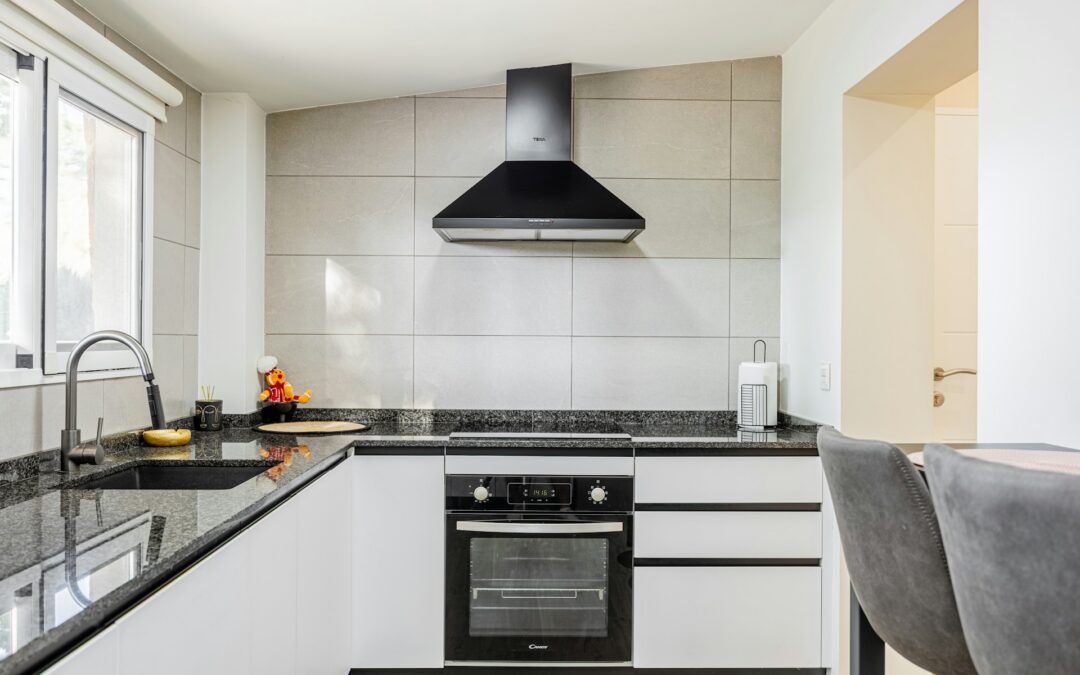
Planning a kitchen remodel can feel overwhelming when every decision affects how your space looks and functions. Without a clear list of kitchen remodel must-haves, it’s easy to overspend in the wrong areas or overlook essentials you’ll use every day.
At Ambiance Creations, we help homeowners cut through the noise by focusing on smart layouts, durable materials, and storage that truly supports daily life. The goal is a kitchen that works beautifully, not just one that looks good in photos.
Below, you’ll find the most important must-have features to prioritize so your remodel feels organized, efficient, and worth the investment.
Essential Kitchen Layout Features
The way you arrange your kitchen directly affects how well it works for cooking, cleaning, and spending time together. Smart placement of your sink, stove, and refrigerator creates efficiency and reduces daily friction. Thoughtful design choices help you squeeze the most out of your space.
Optimized Work Triangle
The work triangle connects your sink, stove, and refrigerator to reduce unnecessary steps while you cook. Each leg of this triangle should measure between 4 and 9 feet to keep everything within easy reach.
Avoid placing major appliances too close together or too far apart. When these three zones sit at the right distance, you can move smoothly from food prep to cooking to cleanup without constant backtracking.
Keep your work triangle free from obstacles like islands or dining tables that force you to walk around them. If multiple people cook at the same time, consider two smaller work zones instead of one large triangle.
Open Floor Plan Considerations
Removing walls between your kitchen and living areas can make your home feel larger. You stay connected with family and guests while you cook, which is a major lifestyle win.
Plan the layout so cooking smells, noise, and clutter don’t overwhelm nearby spaces. If possible, position your range and sink away from seating areas.
Install a powerful range hood that vents outside to manage odors. You can also add a peninsula or partial wall to define the kitchen without closing it off.
Because an open kitchen is more visible, make an investment in attractive storage that hides clutter. Choose finishes and colors that coordinate with adjacent rooms to create a smooth flow.
Functional Kitchen Island
A kitchen island adds counter space, storage, and seating in one central spot. Aim for at least 36 inches of clearance on all sides so you can open cabinets and move comfortably.
Plan your island size based on your kitchen dimensions. A space that’s 13 feet by 13 feet or larger typically works best. If you want a sink or cooktop in the island, you’ll need proper plumbing and electrical work, plus ventilation for cooking surfaces.
Add features that match how you actually use your kitchen:
- Deep drawers for pots and pans
- Open shelving for cookbooks or display items
- Electrical outlets for small appliances
- Raised bar seating for casual meals
- Wine storage or specialized organizers
An island with seating needs an overhang of 12 to 15 inches and stools that fit the counter height. Make sure your stools slide in easily and leave enough legroom.
Must-Have Appliances and Fixtures
The right appliances and fixtures can make your kitchen more efficient and help lower energy bills. Focus on items that work hard every day and improve how you cook, clean, and move through the space. These kitchen remodel must-haves are practical upgrades that pay off in daily use.
Energy-Efficient Appliances
Energy-efficient appliances can reduce monthly utility costs. Look for refrigerators, dishwashers, and ovens with the ENERGY STAR label.
These models often use 10–50% less energy than standard options. A convection oven with air-fry settings adds flexibility without crowding your counters with extra gadgets.
Induction cooktops heat faster than many gas or electric ranges and typically use less energy. They also keep the kitchen cooler while you cook, which can make a noticeable difference.
Smart refrigerators can help track expiration dates and reduce waste, but a straightforward ENERGY STAR fridge can still perform exceptionally well. The key is choosing appliances sized correctly for your household so you’re not cooling empty space or running half-full loads.
Modern dishwashers use less water than washing by hand, and many include soil sensors that adjust cycles based on how dirty dishes are. That’s a small feature that simplifies everyday routines.
Deep Basin Sink
A deep basin sink makes washing large pots and baking sheets easier. Look for sinks that are at least 9–10 inches deep. This depth helps prevent water from splashing onto counters and floors. Undermount sinks create a clean look and let you wipe crumbs straight into the basin.
Stainless steel sinks are durable and fit most styles. Composite granite sinks resist scratches and stains well, though they can cost more.
Consider a sink with sound-dampening pads to reduce noise during dishwashing and disposal use. A single large basin often offers more flexibility than a divided sink, especially if you rely on a dishwasher for smaller items.
High-Quality Ventilation
Good ventilation removes smoke, steam, and cooking odors. A range hood should move at least 100 CFM for electric stoves, while gas stoves typically need 150 CFM or higher.
Ducted range hoods that vent outside usually perform better than recirculating models with filters. Install your hood 24–30 inches above the cooktop for the best results.
Models with multiple fan speeds let you adjust airflow based on what you’re cooking. Quiet ventilation matters too, so look for range hoods rated at 3 sones or less to keep conversation comfortable.
LED lights built into the hood improve visibility over the cooking surface. Small details like this are real kitchen remodel must-haves because you use them every day.
Storage Solutions Every Kitchen Needs
Smart storage turns a cramped kitchen into a functional workspace. The right cabinets, shelves, and pantry design help you find what you need quickly and keep counters clear.
If your remodel goals include calm, organized surfaces, storage should be treated as a primary decision, not an afterthought.
Custom Cabinetry
Custom cabinets maximize every inch of your kitchen by fitting your exact space and needs. Unlike standard cabinets, custom options let you choose height, depth, and interior layouts that match how you cook.
You can add built-in dividers for baking sheets, pull-out trash bins, and dedicated compartments for small appliances. Deep drawers often work better than traditional base cabinets for heavy pots and pans because you can see everything at a glance.
Consider cabinets that reach the ceiling to use vertical space. This adds storage for items you don’t use daily and reduces dust-collecting gaps above uppers.
Custom cabinetry can be a higher upfront investment, but it eliminates wasted space and awkward fillers that come with standard sizing.
Pull-Out Shelves
Pull-out shelves bring items from the back of cabinets to you. You won’t need to crouch down or reach into dark corners.
These shelves work well under sinks where plumbing complicates standard shelving. Many systems can be installed in existing cabinets without a full remodel. Pull-out shelves typically hold 75 to 100 pounds, which handles most kitchen items comfortably.
Common pull-out options include:
- Spice racks that slide out from narrow gaps between appliances
- Two-tier shelves for canned goods and dry ingredients
- Corner units that rotate and extend for hard-to-reach areas
- Appliance garages that hide toasters and coffee makers
Built-In Pantry
A built-in pantry provides dedicated space for dry goods, snacks, and bulk items. Walk-in pantries offer the most storage, but even a pull-out pantry cabinet can be a major upgrade in tight layouts.
Install adjustable shelves so you can change heights as storage needs shift. Deep shelves work for large items, while shallower shelves make everything easier to see at once.
Keep frequently used items at eye level and store backups higher or lower. Good lighting makes a big difference, especially for deep pantry zones.
Add motion-sensor lights so you can spot what you need immediately. Label containers and group similar items to keep organization consistent over time.
Modern Countertops and Surfaces
Countertops and backsplashes define your kitchen’s look while handling daily cooking tasks. The right materials blend style and durability, making them true kitchen remodel must-haves. Choose surfaces that fit your lifestyle first, then refine color and pattern choices.
Durable Countertop Materials
Quartz countertops lead the pack for a reason. They resist scratches, stains, and heat, and they don’t require sealing.
Quartz is available in hundreds of colors and patterns, including options that mimic natural stone. Granite remains popular for its one-of-a-kind look since every slab is different, though it typically needs sealing about once a year.
Porcelain slabs are gaining attention in 2026. They offer a slim profile while staying extremely strong, and they resist heat, scratches, and UV exposure. Butcher block adds warmth and contrast, especially in contemporary kitchens. It requires more care than stone, but scratches can be sanded out, making it a practical choice for islands paired with stone perimeter counters.
Key benefits by material:
- Quartz: No sealing, consistent patterns, long lifespan
- Granite: Natural beauty, heat resistance, adds home value
- Porcelain: Slim profile, UV stable, works indoors and outdoors
Easy-to-Clean Backsplashes
Large-format tiles reduce grout lines, which means less scrubbing and a cleaner appearance. Porcelain or ceramic tiles in 12×24 inch sizes work well behind stoves and sinks.
Slab backsplashes can eliminate grout lines completely. Using the same material as your countertops creates a seamless, high-end look that wipes clean quickly.
Glass tiles resist stains and moisture and reflect light to brighten the kitchen. If water spots are a concern, textured glass can help disguise them between cleanings.
Easy-maintenance options:
- Glossy finishes tend to wipe cleaner than matte
- Darker grout hides stains better than white
- Smooth surfaces clean faster than heavily textured ones
Sheet metal backsplashes are trending in modern kitchens. Stainless steel or copper sheets install efficiently and clean with simple soap and water.
Lighting and Smart Kitchen Upgrades
Good lighting transforms how your kitchen looks and works. Smart features can also remove daily friction when they’re chosen with purpose. Treat lighting as a core part of your kitchen remodel must haves list, not a finishing touch.
Layered Lighting Design
Layered lighting uses three types of light sources to create a kitchen that functions well at any time of day. Ambient lighting provides overall illumination through ceiling fixtures or recessed lights.
Task lighting targets work areas like countertops, the stove, and the sink where you need bright, clear light for food prep. Accent lighting adds visual interest by highlighting architectural features, glass cabinets, or decorative elements.
Plan for each layer during the remodel because adding wiring later increases cost and disruption. Dimmer switches give you control throughout the day, supporting bright light for cooking and softer light for entertaining.
Under-Cabinet Lighting
Under-cabinet lights eliminate shadows on countertops and make food prep safer. LED strip lights are popular because they last for years, use minimal electricity, and produce very little heat.
You can choose plug-in models or hardwired options. Hardwired lighting looks cleaner with no cords, and it’s typically easiest to install during the remodel.
Color temperature matters. Warm white (2700–3000K) creates a cozy feel, while cool white (4000–5000K) provides crisp light for detailed tasks.
Smart Home Integration
Smart appliances and controls can connect to a phone or voice assistant for hands-free convenience. Some refrigerators track expiration dates and create shopping lists, and many ovens allow remote preheating or temperature monitoring.
Lighting systems can shift brightness and color based on time of day. You can also set scenes for cooking, cleaning, and entertaining with a quick command.
Focus on upgrades that solve real frustrations rather than adding technology for its own sake. A touchless faucet can be genuinely helpful when hands are messy, while some features add complexity without meaningful payoff.
A Kitchen That Works Hard and Lives Beautifully
A strong list of kitchen remodel must-haves keeps decisions grounded in function, comfort, and lasting value. When layout, storage, surfaces, and lighting work together, the entire home feels easier to live in.
Prioritize improvements you’ll feel daily, then refine finishes and features to match your style. That approach supports a cohesive result that stays rewarding long after the remodel is done.
For design guidance that balances performance and polish, Ambiance Creations can help you plan a kitchen that fits your life today and tomorrow. Get in touch!
Frequently Asked Questions
What are the most important kitchen remodel must-haves?
The most important kitchen remodel must-haves focus on layout, storage, and lighting first. A well-planned work triangle, functional island, and layered lighting system will improve daily use more than decorative upgrades alone.
Energy-efficient appliances, deep drawers, and durable countertops also rank high because they directly impact how the kitchen performs over time.
How do I choose the right layout for my kitchen remodel?
Start with how you use your kitchen every day. Consider traffic flow, who cooks, and whether you entertain often. An optimized work triangle, proper clearances around islands, and separation between cooking and seating areas help create a layout that feels natural and efficient.
Are custom cabinets worth the investment?
Custom cabinetry can be a smart investment when you want to maximize every inch of space. They allow you to tailor storage to your cookware, appliances, and lifestyle. While the upfront cost may be higher, the long-term benefits include better organization, improved functionality, and a more cohesive design.
What countertop material is best for busy kitchens?
Quartz is a popular choice because it resists stains and scratches without needing sealing. Granite offers natural beauty and strong heat resistance, while porcelain provides a slim, durable surface that performs well in high-use areas. The best option depends on how you cook and how much maintenance you prefer.
Do I really need a range hood that vents outside?
In most cases, yes. A ducted range hood that vents outdoors removes smoke, steam, and odors more effectively than a recirculating model. Proper ventilation protects air quality, helps preserve cabinetry, and keeps open-concept spaces feeling fresh.
What lighting should I include in a kitchen remodel?
Layered lighting is essential. Combine ambient lighting for overall brightness, task lighting for prep areas, and accent lighting for visual interest. Under-cabinet lighting is especially important because it eliminates shadows on countertops and makes food preparation safer and more comfortable.
Are smart kitchen features worth adding?
Smart features can be valuable when they solve everyday frustrations. Remote oven controls, touchless faucets, and programmable lighting scenes add convenience without changing how the kitchen looks. Focus on upgrades that improve function rather than adding technology simply for novelty.