
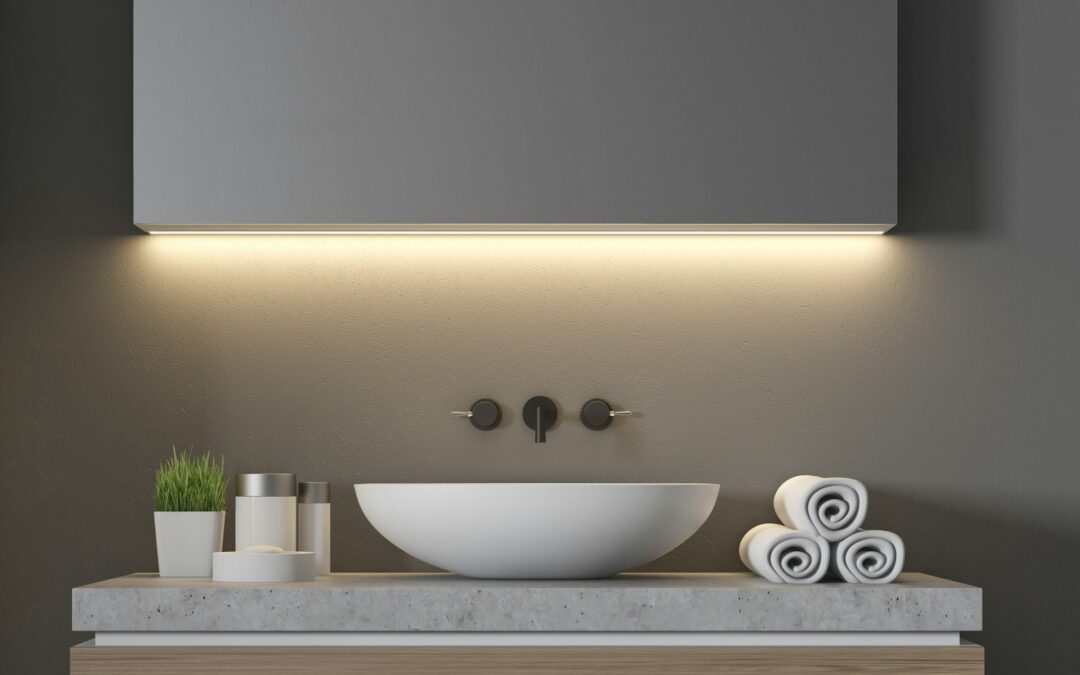
If your bathroom feels cramped, dated, or hard to keep calm and clean, it can drain your day before it starts. A few smart updates can make it feel quieter, more comfortable, and easier to live with.
At Ambiance Creations, we see homeowners want spa bathroom trends that solve real frustrations: harsh lighting, cluttered counters, and finishes that don’t handle moisture well. The goal is a bathroom that supports better mornings and smoother nights.
Inside, you’ll find materials that suit humid spaces, lighting that flatters and relaxes, and fixture ideas that add comfort without overcomplicating your routine.
Defining Spa Bathroom Trends
Spa bathroom design has gone way beyond a few luxury upgrades. Now, it’s about creating wellness spaces that support daily routines and long-term comfort. Smart tech meets natural materials, and sustainability plays a bigger role in people’s choices.
Evolution of Spa Bathrooms
Spa bathrooms used to mean a nice tub and some decent lighting. Over the last ten years, they’ve shifted toward something closer to a home wellness center. The focus moved from “nice finishes” to how the space supports recovery, calm, and better mornings.
It started with soaking tubs or a rainfall showerhead, simple upgrades that felt more relaxing. But for many homeowners, those changes didn’t reshape how the room functioned. By 2020, heated floors, steam showers, and improved ventilation had become must-haves.
Now, in 2025 and heading into 2026, spa bathrooms feel like personal health retreats. Homeowners are adding smart mirrors, chromotherapy lighting, and automatic-filtering water systems. Some also incorporate built-in audio for calming sound, integrated cleanly into walls or ceilings.
Key Features of Modern Spa Bathrooms
A true spa bathroom needs elements that support both relaxation and wellness. These features are what bring the space together and make spa bathroom trends feel practical, not just pretty. Look for upgrades that reduce friction in daily routines while elevating comfort.
Core essentials include:
- Freestanding soaking tubs with air jets or heated surfaces
- Walk-in showers with multiple showerheads and body sprays
- Heated floors for cozy footing during cooler months
- Natural stone or wood-look finishes for warmth and texture
- Humidity-loving plants that thrive in bathroom conditions
- Smart controls for temperature, lighting, and water delivery
Hidden storage keeps clutter out of sight, but essentials remain close at hand. Floating vanities create an airy feel and free up visual space beneath. Large mirrors with integrated lighting support grooming without harsh glare.
Water efficiency matters more than ever. Low-flow fixtures can still feel powerful when paired with the right valves and spray technology. Some homes even reuse shower water for toilet flushing, depending on local systems and feasibility.
Influence of Wellness on Home Design
Wellness has changed how people approach bathroom design. The bathroom is no longer purely practical; it’s a space for self-care and mental reset. That’s why spa bathroom trends prioritize calm visuals, healthier air, and better sensory control.
Soft lighting helps you decompress after long days. Natural materials like wood and stone bring the outdoors in and reduce the “sterile” feeling. Some homeowners even carve out a small meditation nook with a simple cushion and a warm lamp.
Physical wellness drives features, too. Steam showers can support breathing and recovery, and infrared sauna options are gaining attention. Contrast therapy is also showing up, pairing hot soaking with cooler rinse zones when space allows.
Air quality upgrades often include:
- Advanced ventilation that clears humidity quickly
- Air purifiers integrated into exhaust systems
- Operable windows for fresh air when possible
- Low-emission materials to reduce lingering odors and off-gassing
Bathrooms are also getting more square footage in remodels. For resale, many buyers now view the primary bath as a value driver rather than an afterthought. That shift keeps spa bathroom trends near the top of renovation wish lists.
Top Materials and Finishes for Spa Bathrooms
Materials set the mood. If you want a calming spa atmosphere, focus on natural textures, durable tile choices, and healthier finishes. The best spa bathroom trends pair beauty with surfaces that handle moisture and daily use gracefully.
Natural Stone and Wood Elements
Natural stone brings instant character. Marble, granite, and limestone are popular for countertops and floors because they feel substantial and timeless. Travertine works beautifully on shower walls, while slate adds texture and can improve slip resistance.
Wood adds warmth and balance, keeping the space from feeling too cold. Teak and bamboo handle humidity well, making them strong options for vanities, shelving, and shower benches. Reclaimed wood on an accent wall or as floating shelves adds depth without overwhelming the room.
Pebble flooring feels great underfoot and looks striking in a shower zone. A stone vessel sink can be a focal point, grounding the space in natural texture. For longevity, seal stone properly and choose finishes designed for wet areas.
Popular Tile Designs
Large-format tiles in soft neutrals make the room feel bigger. They also reduce grout lines, which simplifies cleaning and keeps the look more seamless. Many homeowners choose 12×24-inch tiles or larger for walls and floors.
Subway tile remains a classic, especially in white, gray, and warm beige tones. Textured tile adds interest without visual clutter, like ribbed patterns, gentle waves, or handmade surfaces. Zellige-style tile brings subtle variation that catches light throughout the day.
Matte finishes are trending over glossy. They feel more organic and show fewer water spots. Terracotta and cement-look tile in earthy shades can add a grounded, Mediterranean warmth.
Sustainable and Eco-Friendly Choices
Recycled glass tile is a strong, eco-friendly option. It works well for accents, niches, and backsplashes, and it comes in a wide range of tones. Cork flooring is also worth considering, since it feels soft, stays warmer, and naturally resists microbes.
Reclaimed materials add history and help keep usable materials out of landfills. Reclaimed wood vanities or salvaged stone counters can make the bathroom feel truly one-of-a-kind. Low-VOC sealants and finishes are a must if healthier indoor air is a priority.
Bamboo grows quickly, so it’s often viewed as a more sustainable wood choice. It works well for cabinetry, accessories, and shelving when properly finished. These material choices align with spa bathroom trends that prioritize wellness beyond aesthetics.
Color Palettes and Lighting Ideas
Colors and lighting can completely change a bathroom’s mood. Soothing palettes create spa calm, and layered lighting helps the room work morning to night. When these elements align, spa bathroom trends feel cohesive rather than piecemeal.
Neutral and Soothing Color Schemes
Soft neutrals are the backbone of most spa bathrooms. Warm whites, gentle beiges, and pale grays make the space feel bigger and more peaceful. They also create an easy backdrop for wood tones and stone veining.
Nature-inspired colors add depth without noise. Muted greens bring an outdoor feel, while soft blues echo water and sky. A subtle blush can feel warm and restorative when used sparingly in textiles or accessories.
Favorite combinations include:
- White and warm gray with wood accents
- Sage green, cream, and stone
- Pale blue, white, and a touch of silver
- Beige layered with earthy browns
Dark colors can work too, if you balance them well. Deep charcoal, navy, or forest green can feel cocoon-like and serene. Just ensure lighting is strong enough to keep the space from feeling heavy.
Layered Lighting Techniques
One light source is rarely enough. Overhead lighting provides general brightness, while sconces on both sides of the mirror support grooming. This is one of the most effective “small change” upgrades within spa bathroom trends.
Dimmer switches are a game-changer. Bright light helps you wake up, while softer light supports evening wind-down. A single dial can make the same bathroom feel energetic or restorative.
Lighting layers to consider:
- Overhead (recessed or flush-mount)
- Task lighting near mirrors
- Accent lighting for architectural details
- Decorative fixtures for visual warmth
Bulb color temperature matters. Warm white (2700–3000K) feels soft and spa-like. Neutral to cooler white (3500–4100K) can be better for precision tasks.
Incorporating Natural Light
Natural light elevates the entire space. If privacy allows, larger windows can make the bathroom feel open and fresh. For many homeowners, it’s the simplest way to make spa bathroom trends feel believable.
Skylights bring light from above, which is especially helpful in interior bathrooms. Frosted or textured glass can maintain privacy while still delivering daylight. Top-down shades, sheer curtains, or frosted film help you control brightness without blocking it completely.
Try placing a mirror across from a window. It bounces light deeper into the room, reducing the need for daytime electric lighting. That small move can make the room feel calmer and more spacious.
Spa-Inspired Fixtures and Features
Fixtures are where the “spa” experience becomes physical. This is the zone for rainfall showers, radiant warmth, and smart controls. Choose features that make daily routines feel smoother, not more complicated.
Rain Showers and Deep Soaking Tubs
Rain showerheads offer a wide, gentle spray, like warm rainfall. Some are ceiling-mounted, while others extend from the wall for easier installation. Many also let you adjust pressure and spray patterns depending on the moment.
Deep soaking tubs create a more immersive soak than standard tubs. They’re often 18 to 24 inches deep, supporting shoulders and full-body relaxation. Freestanding tubs can become a centerpiece if the layout allows.
Popular soaking tub styles include:
- Japanese-style ofuro tubs
- Classic clawfoot designs
- Modern oval silhouettes
- Corner models for compact layouts
Pairing a tub with a floor-mounted faucet adds a tailored, high-end look. Some tubs offer air jets or whirlpool features for a gentle massage effect. These upgrades remain central to spa bathroom trends because they change how the space feels, not just how it looks.
Heated Floors and Towel Warmers
Radiant floor heating is an upgrade many homeowners never want to live without again. Electric coils or hydronic tubes sit beneath tile to keep the floor consistently warm. It removes that “cold shock” feeling first thing in the morning.
Towel warmers add both comfort and function. They keep towels toasty and help them dry faster between uses. You can choose plug-in models or hardwired options during a remodel.
These upgrades can also reduce lingering dampness. Less moisture can mean fewer odor issues and a lower risk of mold over time. For comfort-forward spa bathroom trends, warmth is a foundational feature.
High-Tech Smart Bathroom Innovations
Smart mirrors often include LED lighting and defoggers. Some add touch controls, voice features, and display options for weather or schedules. When done well, this tech stays quiet and integrated, which supports the spa feel.
Digital showers let you set the temperature and flow precisely. Many systems allow presets, so the shower feels the same every time. Motion-sensor faucets and automatic dispensers can also reduce mess and support hygiene.
Smart toilets are becoming more common, especially with heated seats and bidet functionality. Some also include self-cleaning cycles and night lighting. These features can make everyday routines feel more comfortable and more refined.
Finishing Touches for a Spa-Like Experience
It’s the details that make a bathroom feel like a spa. Plants, scent, sound, and storage can turn a well-designed room into a true retreat. Many spa bathroom trends succeed or fail based on how these finishing layers are handled.
Plants and Natural Decor
Plants add life and soften hard surfaces. Look for humidity-friendly varieties like pothos, snake plant, or bamboo. If sunlight is limited, choose low-light options or rotate plants occasionally.
Place plants on shelves, windowsills, or hang them to save counter space. Natural accents like smooth stones, a wooden tray, or a bamboo bath mat add texture. A vase of eucalyptus near the shower can release a fresh aroma when steam rises.
Wood details help the room feel warmer. A teak stool, a wooden soap dish, or a simple bench can balance stone and tile. These are small touches that align perfectly with spa bathroom trends.
Aromatherapy and Ambient Sound
Scent shapes the experience more than most people expect. Essential oil diffusers can add a clean fragrance without overpowering the room. Lavender supports calm, eucalyptus feels clarifying, and citrus can boost energy.
Candles also help set a softer mood. Keep them away from fabrics and splash zones, and choose cleaner-burning options like soy or beeswax. A simple tray can keep the look tidy and intentional.
Sound is another comfort layer. A waterproof speaker can bring in gentle music or nature sounds. Ocean waves, rain, or soft instrumentals can help you decompress, even during a quick shower.
Minimalist Storage Solutions
Clear counters make a bathroom feel more peaceful. Store daily items in drawers, cabinets, and baskets so the room reads as calm and intentional. This is one of the most practical spa bathroom trends because it immediately improves the space.
Use drawer dividers for small items like cotton swabs and hair ties. Wall-mounted shelves and floating cabinets can save floor space while keeping essentials accessible. Clear containers help you see what you have while maintaining a clean look.
Keep only what you use regularly within reach. Store backups under the sink or in a linen closet. Less visual clutter makes the entire space feel more spa-like.
A Spa Bath That Actually Works for Daily Life
If your bathroom still feels cluttered, harsh, or hard to maintain, the right changes can fix the frustration fast. Focus on lighting that softens the space, storage that clears surfaces, and moisture-ready materials that stay looking clean.
Prioritize a few high-impact upgrades over scattered add-ons. When your shower, heat, and finishes are planned to work together, the room feels calmer, and your routine feels easier.
When you’re ready to turn spa bathroom trends into a bathroom that functions beautifully every day, Ambiance Creations is here to help. Get in touch to start planning.
Frequently Asked Questions
What defines spa bathroom trends today?
Spa bathroom trends focus on reducing daily friction in the space. That means calmer lighting, better moisture control, clutter-free storage, and materials that feel good to use while holding up over time. The goal is comfort and function, not just appearance.
Do spa bathroom trends work in small bathrooms?
Yes. Many spa bathroom trends are especially effective in smaller spaces. Light color palettes, large-format tile, floating vanities, and recessed storage can make a compact bathroom feel more open, organized, and easier to maintain.
Which upgrades make the biggest difference right away?
Lighting upgrades, improved storage, and a better shower experience usually deliver the fastest impact. Adding dimmers, clearing counters with smarter cabinetry, and installing a rainfall or handheld showerhead can noticeably improve daily comfort.
Are spa bathroom trends high maintenance?
Not when planned correctly. Modern spa bathrooms prioritize finishes that resist moisture, reduce grout lines, and clean easily. Matte tile, sealed stone, and streamlined fixtures are chosen specifically to lower upkeep, not increase it.
What materials hold up best in spa-style bathrooms?
Natural stone, porcelain tile, quartz, teak, and bamboo are popular because they handle humidity well. These materials align with spa bathroom trends by offering warmth and texture without breaking down in wet environments.
How important is lighting in a spa bathroom?
Lighting is critical. Layered lighting helps solve common pain points like harsh glare and poor visibility. Spa bathroom trends emphasize warm ambient light, balanced task lighting at mirrors, and dimmers to shift the mood throughout the day.
Can spa bathroom trends improve resale value?
Yes. Buyers increasingly view the primary bathroom as a key decision factor. A bathroom that feels calm, updated, and easy to maintain often stands out more than one filled with decorative but impractical upgrades.
How do I keep a spa bathroom from feeling cluttered?
Built-in storage is essential. Drawer organizers, recessed niches, and hidden cabinets keep essentials close without crowding surfaces. One of the core spa bathroom trends is visual calm, which starts with fewer items in sight.
Are smart features necessary for a spa bathroom?
Smart features are optional. While digital showers and smart mirrors can add convenience, spa bathroom trends work just as well with thoughtful layouts, quality fixtures, and comfort-focused upgrades. Technology should support ease, not complicate use.
What’s the best way to start planning a spa bathroom update?
Start by identifying what frustrates you most. Cold floors, poor lighting, clutter, or difficult cleaning often point directly to the upgrades that will matter most. Spa bathroom trends work best when they solve those specific pain points first.