
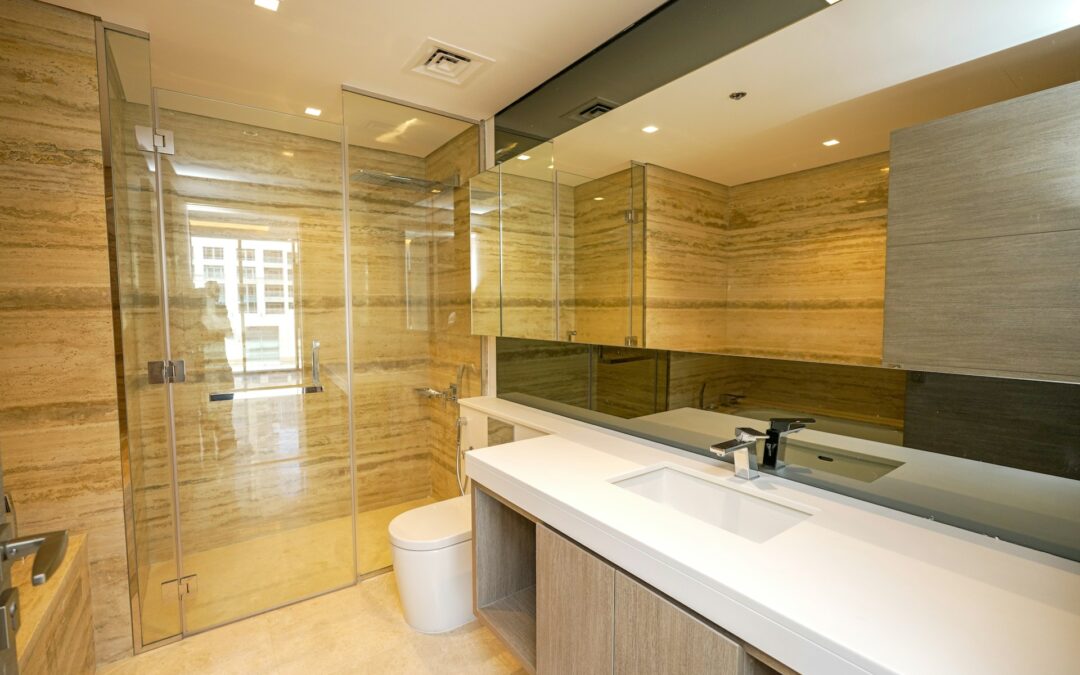
A sustainable bathroom renovation lets you update your space with less waste, lower water and energy use, and materials that truly last in Southwest Florida’s coastal climate.
With Ambiance Creations, you can expect thoughtful design, honest guidance, and layouts that feel calm, functional, and uniquely tailored to the way you live.
Inside, you’ll find practical ideas on materials, fixtures, smart planning, and local climate considerations—everything you need to plan a greener bath that still feels refined and inviting.
Why Choose a Sustainable Bathroom Renovation
Choosing a sustainable bathroom renovation brings tangible benefits for your home and the environment. It lowers long-term operating costs, supports better indoor air quality, and turns your bath into a space that is both healthier and more efficient for everyday use.
Environmental Benefits
Using eco-friendly materials helps reduce waste and pollution while protecting natural resources. Products like low-flow toilets and faucets cut water use without sacrificing comfort or performance, and durable surfaces and fixtures mean fewer replacements and less trash heading to landfills.
You can also choose energy-efficient lighting and water heaters to lower your home’s carbon footprint. These decisions support cleaner water and air in your local area and help protect Southwest Florida’s unique coastal environment for years to come.
Cost Savings Over Time
Sustainable features may cost more initially, yet they often deliver strong returns over time. Low-flow toilets and showerheads cut water bills significantly, while LED and energy-efficient lighting help reduce electric costs month after month.
Durable cabinets and countertops need less repair and replacement, which decreases future expenses and maintenance stress.
Considering appliances early in the design process ensures a smooth fit, better performance, and fewer changes later. Taken together, these choices turn your project into a long-term investment in efficiency and comfort.
Enhancing Indoor Air Quality
Materials like low-VOC paints and formaldehyde-free cabinets help keep bathroom air cleaner, reducing the risk of allergies and other health concerns. Proper ventilation is essential because it removes excess moisture and helps prevent mold, keeping air fresh and surfaces safer.
Choosing natural stone, quartz, or treated wood for key areas can also reduce harmful off-gassing, creating a more comfortable space you can enjoy every day. Good air quality is a core benefit of a well-planned sustainable bathroom renovation, not an afterthought.
Planning Your Eco-Friendly Bathroom
To create a bathroom that is kind to the planet and tailored to your lifestyle, you will want to set clear goals, select the right materials, and plan your investment carefully. Thoughtful planning helps you make choices that save energy, reduce waste, and reliably handle Southwest Florida’s climate throughout the life of your sustainable bathroom renovation.
Setting Green Renovation Goals
Begin by defining what being eco-friendly means for you. Your priorities might include lowering water use, improving indoor air quality, using recycled or reclaimed materials, or reducing harsh chemicals. When you know your top goals, every decision from fixtures to lighting becomes easier and more aligned with your values.
Think about water-saving toilets and faucets that lower consumption without losing comfort, and consider LED lighting for energy efficiency paired with proper ventilation to minimize mold in humid areas.
Set realistic milestones, such as choosing low-VOC paints, sourcing local materials, or upgrading to Energy Star–rated systems, so your project stays focused and cohesive.
Choosing Sustainable Materials
Select materials that last long and handle moisture well, especially in a coastal climate. Engineered stone countertops and ceramic tiles are strong performers in Southwest Florida’s humidity and offer timeless style.
Look for options made from recycled or rapidly renewable materials, such as bamboo flooring or reclaimed wood cabinetry, which add character without putting extra strain on the environment.
Avoid materials with harmful chemicals or products that wear out quickly, since premature replacement increases waste and costs. Aim for a balance of beauty, durability, and ecological impact so your finishes feel both luxurious and responsible.
Creating a Financial Plan for Sustainability
Plan your investment with sustainability in mind so your priorities stay clear. Eco-friendly fixtures or materials may carry a higher initial price, but they often save money in the long term through lower utility bills and fewer replacements.
Start by listing must-haves versus nice-to-haves so you can prioritize high-impact green upgrades. For example, a high-efficiency water heater or low-flow fixtures may offer more lasting value than ornate finishes that do little for performance.
Keep some flexibility for unexpected conditions or last-minute eco-friendly choices that align with your goals, and treat the process as a carefully guided investment rather than a series of quick decisions.
Water Conservation Strategies
Saving water in your bathroom reduces utility costs and protects natural resources. With the right fixtures and habits, you can significantly shrink your water use while keeping your bathroom experience comfortable and enjoyable.
Low-Flow Fixtures
Low-flow fixtures reduce water use at sinks without compromising comfort. Many are designed to limit flow to 1.5 gallons per minute or less, compared with standard fixtures that may use up to twice as much. They work by mixing air with water, so the stream feels full and satisfying while using less liquid.
This simple adjustment helps you save water during daily routines like washing hands or brushing teeth. Because many low-flow faucets and aerators fit standard sinks, they are relatively easy to install and provide a straightforward way to lower your bathroom’s water footprint over time.
Water-Saving Toilets
Toilets are often the largest source of water use in a bathroom, which makes upgrading to high-efficiency models especially effective. Modern toilets typically use about 1.28 gallons per flush (GPF) or less, far below older models that may use 3.5 to 7 GPF.
Dual-flush systems give you a choice between a lower flush for liquid waste and a higher flush for solids, further reducing water waste. Many current designs combine strong, reliable flushing with low water use, so you can cut consumption and lower your utility bills without sacrificing hygiene or performance.
Efficient Showerheads
Efficient showerheads reduce water flow to about 2 gallons per minute or less, compared with standard versions that can use 2.5 GPM or more. Well-designed models maintain a strong, even spray that helps you feel clean and comfortable while using less water.
Some energy- and water-saving showerheads include pause buttons, which allow you to temporarily stop the flow while lathering, then resume at the same temperature. Switching to a water-saving showerhead is one of the quickest, most noticeable steps you can take to reduce water use in your bathroom.
Selecting Sustainable Materials
The materials you choose set the foundation for a bathroom that is both beautiful and eco-conscious. By focusing on surfaces, paints, and flooring that reduce waste, improve indoor air quality, and stand up to Southwest Florida’s climate, you create a space that looks and feels good for years.
Recycled and Reclaimed Surfaces
Using recycled and reclaimed surfaces means giving existing materials a second life. For countertops and backsplashes, consider recycled glass, reclaimed wood, or composite products with post-consumer content, all of which reduce demand for new raw resources.
These materials often feature unique patterns and textures that bring character and warmth to your bath. Reclaimed wood works particularly well for vanities and shelving because it is durable and avoids the need for cutting new trees.
Recycled glass tiles resist stains and humidity, making them especially suitable for coastal homes. Choosing these options cuts landfill waste and supports a more circular, thoughtful material economy.
Non-Toxic Paints and Finishes
Non-toxic paints and finishes support healthier indoor air by lowering levels of volatile organic compounds (VOCs) and other fumes. Look for low-VOC or zero-VOC labels so your bathroom remains comfortable during and after construction.
Natural finishes such as water-based polyurethanes or plant-based oils help protect wood while avoiding harsh chemicals. These products also resist moisture and mildew, which are common concerns in Southwest Florida bathrooms. By selecting non-toxic finishes, you enhance both environmental performance and everyday wellness.
Eco-Friendly Flooring Options
Bathroom flooring must handle moisture, frequent cleaning, and temperature swings while still aligning with eco-friendly priorities. Bamboo and cork are renewable materials that grow quickly, absorb sound, and, when properly sealed, resist mold and fit beautifully into a coastal aesthetic.
Porcelain tiles with recycled content can mirror the look of natural stone but require fewer resources, and they offer excellent durability. You can also choose linoleum flooring made from natural ingredients such as linseed oil, wood flour, and cork dust. Linoleum is biodegradable, long-lasting, and well-suited to a sustainable bathroom renovation.
Energy-Efficient Lighting and Ventilation
Thoughtful lighting and ventilation choices significantly influence both comfort and energy use. By combining efficient fixtures with effective airflow, you create a bathroom that feels bright, fresh, and easy to maintain.
LED Lighting Solutions
LED lights use far less energy than traditional bulbs and typically last much longer. They are available in a wide range of color temperatures and brightness levels, which lets you create soft, spa-like ambient lighting or crisp task lighting around mirrors.
Installing dimmers adds control and potential savings by allowing you to reduce brightness when full intensity is not needed. Look for ENERGY STAR®–labeled LEDs to ensure quality and efficiency. Because LEDs produce less heat, they also help keep bathrooms cooler in warm Florida months and can often be installed in existing fixtures without major changes.
Natural Daylighting
Incorporating natural light through windows, skylights, or light tubes reduces the need for artificial lighting during daytime hours. Sunlight can make a bathroom feel larger, fresher, and more inviting, especially in smaller spaces.
Position windows to capture light without introducing glare or excessive heat. Frosted or textured glass can maintain privacy while still allowing light through, and skylights are excellent in rooms with limited wall space. Well-planned daylighting is an elegant way to lower energy use while elevating the atmosphere of the room.
Energy-Efficient Ventilation Fans
Proper ventilation is essential to prevent mold, manage humidity, and extend the life of bathroom surfaces. Choose fans that move air effectively while using less power, ideally with ENERGY STAR® ratings.
A fan with an appropriate cubic feet per minute (CFM) rating for your room will clear moisture quickly without running unnecessarily long.
Features such as timers or humidity sensors can automatically turn the fan off once moisture levels drop, saving energy and preserving comfort. Quiet fans keep the bathroom peaceful, and proper venting to the exterior protects walls and ceilings from condensation damage.
Responsible Waste Management
Responsible waste management during your bathroom project helps protect the environment and makes the construction process safer and more organized. The way you handle old fixtures, debris, and surplus materials can significantly influence the overall footprint of your renovation.
Recycling Old Fixtures
When you remove old sinks, toilets, or faucets, consider recycling options before sending anything to the landfill. Many metal components can be recycled as scrap, and some facilities accept porcelain toilets and sinks to be crushed and reused in road base or other construction materials.
Remove fixtures carefully and keep them as intact as possible so more parts can be salvaged. Separate metals like brass and copper from plastic or ceramic pieces, and check with local recycling centers for guidance on accepted items. Recycling reduces landfill waste, lowers the resource impact of your project, and supports Southwest Florida’s broader waste reduction efforts.
Proper Disposal of Renovation Debris
Construction debris such as drywall, tile scraps, wood offcuts, and packaging should be sorted before disposal. Hazardous items, including old paint, certain adhesives, or solvents, need to be separated from general debris and taken to approved local drop-off sites that handle these materials safely.
For other waste, you might rent a dumpster from a responsible provider or arrange scheduled pickups to keep the site orderly. Clearing debris daily or weekly helps maintain jobsite safety, minimizes accidents, and keeps the renovation timeline moving smoothly.
Donating Usable Materials
Before discarding old bathroom components, look for opportunities to donate items in good condition. Cabinets, gently used tiles, or quality hardware may be valuable to community groups, reuse centers, or homeowners seeking affordable materials.
Donations reduce waste, support local families, and can sometimes be picked up directly from your property, saving effort and time. Exploring local charities or building reuse programs in Southwest Florida allows you to give back while making room for your new sustainable bathroom.
Choosing Eco-Conscious Fixtures and Fittings
The fixtures and fittings you choose play a major role in how sustainable your bathroom truly is. By emphasizing water efficiency, responsible materials, and long-lasting design, you create a space that works beautifully and conserves resources day after day.
Sustainable Sinks and Faucets
Consider sinks made from recycled glass, natural stone, or sustainably sourced wood, all of which add distinctive character while supporting environmental goals. For faucets, look for WaterSense-certified models that limit water use without sacrificing style or performance. Touchless or single-handle designs make it easier to control flow and temperature quickly, which reduces waste.
Durable metals like brass or stainless steel offer long service lives and can often be recycled in the future. When possible, avoid fixtures with excessive plastic components. Choosing easy-to-clean finishes also decreases the need for harsh cleaning chemicals and supports a healthier bathroom environment.
Eco-Friendly Bathtubs
Bathtubs made from recycled content or natural composites are gentler on the environment than many traditional options. Acrylic tubs that include recycled materials or cast stone tubs produced with efficient processes are both strong possibilities.
Designs that conserve water, such as smaller soaking tubs or ergonomically shaped interiors, allow you to enjoy a comfortable bath with less volume.
Some tubs incorporate added insulation to keep water warmer for longer, which reduces the energy required for reheating. Prefabricated tubs sourced locally can further decrease transportation impacts while still delivering a beautiful focal point.
Green Vanity Options
Vanities built from FSC-certified wood or reclaimed timber support responsible forestry and give your bathroom natural warmth. Engineered materials that use low-VOC adhesives help protect indoor air quality and can perform well in humid Southwest Florida environments.
Choose finishes that resist moisture naturally, such as high-quality water-based stains or low-VOC paints, and pair them with durable hardware like brushed nickel or oil-rubbed bronze to reduce the need for frequent replacements.
Thoughtful vanity designs with modular or customizable storage also help you adapt the space over time without major tear-outs or waste.
Incorporating Smart Technology
Smart technology can enhance both comfort and sustainability in your bathroom. By monitoring water use and fine-tuning lighting, you gain better control over daily habits and long-term performance.
Smart Water Monitors
Smart water monitors track your bathroom’s water use in real time and can alert you to leaks or unusual patterns. Early detection helps prevent both water waste and potential damage to cabinets, floors, and walls.
Many models connect to your phone or home network, allowing you to view usage from anywhere and see which fixtures consume the most water.
With that information, you can make targeted improvements, such as installing additional low-flow faucets or repairing small leaks before they become larger issues. Smart monitoring is a powerful tool in any sustainable bathroom renovation.
Automated Lighting Controls
Automated lighting controls adjust illumination based on occupancy or schedules. Motion sensors turn lights on when you enter and off when the room is empty, saving electricity without requiring extra effort.
You can also program lights to dim in the evening or shift color temperature to support a relaxing atmosphere while still conserving energy.
Many smart lighting systems integrate with other home devices, allowing remote control through your phone or a voice assistant. This added convenience makes it easier to maintain energy-conscious habits and keep your bathroom aligned with your sustainability goals.
Adding Greenery and Biophilic Elements
Integrating plants and natural elements gives your bathroom a calm, spa-like feel and complements the environmental benefits of a sustainable design. The right greenery can simultaneously improve air quality, soften hard surfaces, and introduce a soothing visual connection to nature.
Plant Choices for Bathrooms
Choose plants that thrive in low light and high humidity so they remain healthy with minimal maintenance. Popular bathroom-friendly options include ferns, spider plants, peace lilies, and snake plants, all known for handling moisture well and supporting better air quality.
Place plants near windows or on shelves where they receive indirect light, and use containers with proper drainage to prevent root rot. Grouping small plants with different textures and heights creates an attractive composition that keeps your bathroom feeling lively and inviting without requiring extensive care.
Vertical Gardens and Living Walls
Vertical gardens are a creative way to bring greenery into a bathroom while saving valuable floor space. You can install a wall-mounted living panel or create your own arrangement using modular planters arranged in a grid or pattern.
Select small, hardy plants such as succulents, air plants, or certain herbs to simplify upkeep. Vertical gardens require consistent watering and good airflow to avoid mold or mildew, especially in humid climates, but when maintained properly, they become a striking focal point that reinforces the natural, restorative feeling of your space.
Long-Term Maintenance for Sustainability
Sustainability does not end when construction is complete. Ongoing care and mindful maintenance protect your investment, keep materials performing well, and ensure your bathroom remains efficient and healthy over time.
Eco-Friendly Cleaning Products
Choose cleaning products made with natural, non-toxic ingredients to minimize exposure to harsh chemicals and protect water systems. Avoid formulas that contain bleach, ammonia, or phosphates, which can damage certain finishes and harm the environment. Look for labels indicating biodegradable or plant-based ingredients.
Always confirm that cleaners are safe for the stone, wood, glass, and metal surfaces in your bathroom. Simple solutions, such as diluted vinegar, can be effective for many tasks without causing damage.
Store products in a cool, dry place so they remain stable, and remember that small shifts in cleaning habits can significantly lower your bathroom’s environmental impact.
Regular Fixture Inspections
Inspect bathroom fixtures every few months for leaks, corrosion, or wear. Dripping faucets, aging showerheads, or toilets that run constantly can waste a surprising amount of water and lead to higher utility bills.
Watch for warning signs such as water spots, slow drains, or unusual noises from pipes. Address issues quickly to prevent larger repairs and to maintain the efficiency that makes your sustainable bathroom renovation so valuable.
Keep seals and joints tight, and replace worn washers or gaskets when needed. These simple checks help extend the life of your fixtures and preserve both performance and comfort.
By committing to these ongoing habits, you safeguard your investment and support a more sustainable lifestyle day after day.
Inspiration and Real-Life Examples
When you imagine a sustainable bathroom renovation, real-world examples can clarify what is possible and inspire the details of your own project. For instance, one homeowner on the Paradise Coast replaced outdated fixtures with low-flow faucets and a high-efficiency toilet and saw water use drop by nearly 30 percent without any loss of style or comfort.
You might draw inspiration from choices such as LED lighting layered with decorative sconces, recycled glass tiles that echo coastal colors, or energy-efficient ventilation fans that keep humidity under control. Each of these elements contributes to both a lower environmental footprint and meaningful savings over time.
Here are a few ideas commonly used in successful projects:
- Dual-flush toilets to reduce water use
- Bamboo or reclaimed wood cabinetry for warmth and character
- Low-VOC paint and finishes for healthier air
- Efficient, customized storage solutions to minimize clutter
- Durable surfaces that resist Florida humidity and wear
Next Steps for Your Greener Bathroom
A well-planned, sustainable bathroom renovation gives you a space that feels calm, efficient, and tailored to coastal Southwest Florida living. Every smart choice you make today helps your home perform better for years to come.
With Ambiance Creations, you have a design partner focused on long-lasting materials, thoughtful layouts, and details that balance beauty with everyday function.
Get in touch to discuss your project or see our showroom to explore sustainable options in person.
Frequently Asked Questions
Making smart decisions about materials, water use, and energy allows you to reduce waste and long-term costs while creating a bathroom that feels tailored and timeless. Thoughtful layouts and eco-friendly products work together to support both style and function.
How can I reduce the environmental impact of my bathroom renovation?
Choose water-saving fixtures such as low-flow toilets and faucets, and pair them with energy-efficient lighting like LED bulbs. Reuse or recycle old materials whenever possible, whether that means donating cabinetry or recycling metal fixtures.
Opt for durable products that will not need frequent replacement, so the overall impact of your project stays low.
What are some cost-effective methods for creating an eco-friendly bathroom?
Focus on targeted upgrades that offer strong returns. Installing aerators on taps, fixing leaks, and switching to LED lighting are relatively simple steps that provide measurable savings.
Selecting recycled or reclaimed materials for cabinets and tiles can add character at a reasonable cost, and using paints with low or no VOCs supports better indoor air quality while aligning with sustainable goals.
Where can I find sustainable materials for bathroom countertops?
Look for surfaces made from recycled glass, bamboo composites, or engineered quartz that includes recycled content. These options balance long-lasting style with durability and ease of care.
Many suppliers now highlight environmentally responsible product lines, so you can compare certifications and recycled percentages when selecting materials.
What are the best practices for designing a sustainable bathroom?
Prioritize natural light wherever possible to reduce daytime electricity use, and make sure ventilation keeps humidity under control without overusing energy.
Choose timeless materials that resist Florida’s sun and salt air so the space ages gracefully instead of needing frequent updates. Finally, tailor storage to your lifestyle so you avoid clutter and make the most of every square foot.
Can you suggest eco-friendly alternatives to traditional bathroom products?
Consider bamboo toothbrushes, biodegradable soaps, and refills for hand and body products to reduce plastic packaging. Swap vinyl shower curtains for organic cotton or hemp fabrics that are free from harsh chemicals.
These simple changes, combined with reusable containers and thoughtful purchasing, support a more sustainable daily routine.
How do I ensure that my bathroom remodel adheres to sustainable construction standards?
Work with professionals who are experienced in green building practices and familiar with local guidelines for water and energy efficiency.
Ask about specific materials, fixture ratings, and waste management plans before work begins. Request a thorough walk-through at the end of the project to review details, confirm installations, and ensure that the finished bathroom aligns with your sustainability goals.