
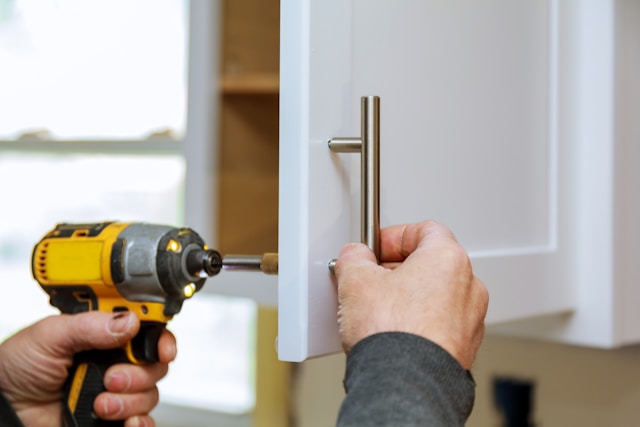
A sustainable kitchen renovation pairs elevated design with long-term performance, creating a space that looks refined and works beautifully in Southwest Florida’s humidity and sun. At Ambiance Creations, we guide every choice with quality and integrity so your kitchen feels tailored, resilient, and welcoming for years to come.
Inside, you’ll find coastal-ready materials and healthy finishes, energy-smart systems, and water-wise fixtures that protect your investment. We also cover smart storage, layout efficiency, and appliance-first planning for daily ease.
Explore ideas for indoor and outdoor kitchens, maintenance tips, and next-step guidance to make sustainability feel effortless.
Benefits of a Sustainable Kitchen Renovation
Choosing a sustainable kitchen renovation brings many advantages. It helps reduce waste and energy use, saves you money over time, and creates a healthier home.
These benefits improve your daily life and support a better environment.
Environmental Impact
A sustainable kitchen uses materials that last longer and come from renewable or recycled sources. This lowers demand for new resources and cuts down waste sent to landfills.
For example, bamboo cabinets or reclaimed wood reduce the need for cutting new trees. Energy-efficient appliances, LED lighting, and water-saving fixtures also reduce your kitchen’s carbon footprint.
Less energy use means fewer greenhouse gases, helping fight climate change. Choosing eco-friendly products that perform in Southwest Florida’s humid climate keeps comfort and style intact.
By choosing low-VOC paints and finishes, you improve indoor air quality and keep harmful chemicals out of the environment.
Cost Savings Over Time
Investing in ENERGY STAR appliances and durable materials lowers utility bills and repair costs. For example, certified refrigerators and dishwashers use less electricity and water, saving you money each month.
Durable surfaces like quartz and stone resist stains, heat, and scratches better than disposable options. This means fewer repairs and replacements, reducing long-term costs.
Proper insulation and LED lighting further cut energy expenses. While eco materials may have a higher upfront price, a thoughtful plan ensures your investment balances quality and value.
Healthier Living Spaces
A sustainable kitchen protects your family’s health by using non-toxic and natural materials. Paints and finishes with low or zero VOCs limit harmful indoor air pollution.
This creates safer breathing spaces, especially important for homes with children or allergies. Natural light and well-planned ventilation also improve air quality and mood.
Choosing materials resistant to mold and mildew, like engineered quartz, helps maintain a clean environment in Southwest Florida’s humid setting.
Planning Your Eco-Friendly Kitchen Upgrade
Making your kitchen greener starts with clear goals, a smart investment plan, and a design that works for your daily life. Focus on materials, costs, and layout choices that keep sustainability front and center without sacrificing style or function.
Setting Sustainability Goals
Start by deciding what eco-friendly features matter most. This might include recycled or locally sourced materials, choosing energy-efficient appliances, or reducing waste during construction.
You can also set goals to improve indoor air quality by picking low-VOC paints and finishes. Think about how long your kitchen materials will last.
Durable stone countertops, FSC-certified wood cabinetry, and LED lighting add value and cut down on future waste. Write down your priorities so your remodel team can pick the best products and methods.
Budgeting for Green Renovations
Plan your investment carefully, knowing that eco-friendly materials can sometimes cost more upfront but save money over time. For example, LED lights and ENERGY STAR appliances use less power, lowering utility bills.
Set aside funds for features that promote sustainability yet add value, like recycled glass backsplashes or bamboo flooring. Create a realistic plan that fits your vision and financial framework. Desi Top 0.26 of Creators twitter
Break your plan into key areas:
- Materials and finishes
- Appliances and fixtures
- Labor and installation
- Contingency for eco-upgrades
Track spending closely to avoid surprises, while ensuring you don’t cut corners on quality or sustainability.
Choosing the Right Design and Layout
Design your kitchen for efficiency and ease. An open layout with good airflow reduces the need for extra heating or cooling.
Position appliances to save energy, and use natural light when possible. Large windows or skylights create a bright environment, cutting down on electric lighting during the day.
Select cabinetry and surfaces that resist Florida’s humidity and wear. Materials like engineered quartz and durable, low-maintenance woods keep your kitchen looking fresh longer.
Sustainable Materials and Finishes
Choosing the right materials makes your kitchen not only beautiful but also kinder to the planet. Select cabinetry, countertops, paints, and flooring that reduce waste, avoid harmful chemicals, and last longer.
These options show care for your home and the environment.
Eco-Conscious Cabinetry
Cabinetry made from sustainably sourced wood or rapidly renewable materials, like bamboo, offers durability with a lower environmental impact. Look for FSC (Forest Stewardship Council) certification to ensure wood is responsibly harvested.
Consider formaldehyde-free MDF or plywood, which improves indoor air quality and resists warping in humid Florida climates. Water-based stains and sealants keep chemicals low.
Thoughtful selections blend quality and function with eco-friendly practices.
Recycled Countertop Options
Countertops made from recycled glass, concrete, or engineered quartz give you stylish surfaces that reuse materials otherwise discarded. Recycled glass catches light well and adds a unique texture, while concrete can be customized in color and pattern.
Premium quartz offers durable slabs with efficient fabrication. These surfaces resist stains and wear, extending the kitchen’s lifespan.
Low-VOC Paints and Sealants
Paints and sealants with low volatile organic compounds (VOCs) help keep indoor air fresh. VOCs can cause headaches and irritation, so low-VOC options improve comfort while protecting the environment.
These products maintain color richness and durability, suitable for kitchen walls and cabinetry. Look for labels like Green Seal or Greenguard Certified to verify standards.
Water-based sealants prevent airborne toxins and support longevity.
Sustainable Flooring Solutions
For flooring, materials like cork, reclaimed wood, and bamboo offer renewable and biodegradable choices. Cork is soft underfoot, naturally antimicrobial, and regrows quickly after harvesting.
Reclaimed hardwood adds character and reduces demand for new lumber. Bamboo grows faster than most trees, making it a reliable eco choice.
Tiles with recycled content or natural stone like travertine also perform well in Florida’s humidity, blending craftsmanship with lasting beauty.
Energy-Efficient Appliances
Choosing appliances that save energy can cut utility bills and reduce your environmental impact. Aim for devices that work well, last long, and fit your kitchen’s style and needs.
Selecting ENERGY STAR Appliances
ENERGY STAR certified appliances meet strict energy-saving guidelines. They use advanced technology to reduce power consumption without losing performance.
When you pick these products, you help lower greenhouse gas emissions and save money in the long run. Look for refrigerators, dishwashers, and ovens with this label.
These items often include better insulation and efficient motors. Ratings appear on product labels and in online descriptions.
Smart Cooking Technology
Smart cooking tools connect to your phone or home network to improve cooking efficiency. You can control ovens, cooktops, and even coffee makers remotely.
This means you use energy only when needed, avoiding waste. Many smart appliances include sensors that adjust heat or cook time, helping meals cook evenly and saving energy.
Some also provide recipes and step-by-step guidance, making cooking easier and more precise.
Water Conservation Strategies
Water use in your kitchen adds up quickly. Choosing the right fixtures and appliances helps lower waste without sacrificing performance or style.
Efficient Faucets and Fixtures
Installing low-flow faucets is a simple way to save water every day. Look for EPA WaterSense models, which use at least 20% less water than standard faucets.
Touchless or sensor-activated faucets cut down on unnecessary running water. Consider fixtures with aerators that mix air into the stream to maintain pressure while using less water.
This upgrade often costs little but makes a big difference in consumption.
Water-Saving Dishwashers
Modern dishwashers use far less water than hand washing. Choosing an ENERGY STAR certified dishwasher ensures efficient cleaning while minimizing water use.
Many models have soil sensors to adjust water levels based on load size, saving both water and energy. Quick wash cycles reduce consumption for lighter loads. Look for stainless steel interiors, which tend to be more durable and quieter.
Waste Reduction and Recycling
Reducing waste and managing scraps carefully makes your kitchen remodel more eco-friendly. Keep sorting systems easy and accessible so recycling and composting become daily habits.
Built-In Recycling Systems
Built-in recycling bins fit neatly into cabinetry, keeping your kitchen tidy and waste sorted. Use pull-out drawers with compartments for paper, plastics, glass, and metal.
This setup helps you organize recyclables without clutter. Choose durable, easy-to-clean bin materials, and consider vertical or stackable units to save space. Labels or color coding help everyone follow the system.
Composting Solutions
To cut down on food waste, composting is a smart choice. Add a small countertop or under-sink bin to collect scraps like vegetable peels, coffee grounds, and eggshells.
For outdoor composting in Southwest Florida, a weather-resistant bin supports a healthy garden by recycling organic waste naturally. Choose models that seal well to keep pests out and odors minimal.
A compost station that fits your workflow encourages daily use and reduces landfill waste.
Sourcing and Working With Sustainable Contractors
Choose experts who prioritize eco-friendly materials and ethical practices. You want teams that build quality and respect the environment and their workers. This ensures your investment supports sustainability and integrity.
Finding Green Building Professionals
Seek contractors who specify low-impact materials like reclaimed wood or recycled metal. Ask about green building certifications such as LEED or WELL.
Review experience with eco-friendly kitchens and local climate performance, and request references with examples of past green projects.
Confirm they use responsible suppliers and communicate clearly about sustainability goals.
Ensuring Ethical Labor Practices
Your contractor should ensure safe conditions and proper pay. Ask about hiring processes, compliance with labor laws, and transparent schedules.
Clear contracts avoid surprises and support trust. Asking about diversity and inclusion policies can further align values.
Supporting firms that promote ethical labor makes your renovation both responsible and rewarding.
Maintaining an Eco-Friendly Kitchen
Keeping your kitchen eco-friendly goes beyond design. Choose smart cleaning habits and proactive maintenance to reduce waste and save energy. Daily care makes a big difference for the environment and your kitchen’s lifespan.
Green Cleaning Methods
Switch to natural cleaning products like vinegar, baking soda, and lemon for most surfaces. These are non-toxic and break down safely.
Use microfiber cloths instead of disposable paper towels to reduce waste. For dishes, prefer efficient dishwasher cycles that use less water.
Recycle or compost food scraps, store cleaning supplies in reusable containers, and avoid aerosols with harmful propellants.
Sustainable Maintenance Tips
Regularly inspect appliances and fixtures to prevent leaks and reduce energy use. Fix dripping faucets promptly to save water.
Clean refrigerator coils every six months to keep performance high. Choose durable materials like quartz or stone for countertops to extend service life.
When cabinetry needs care, use gentle, natural cleaners to protect finishes. Plan upgrades with sustainability in mind, such as ENERGY STAR appliances or smart energy-management devices.
Inspiring Real-Life Sustainable Kitchen Renovations
Some kitchens show how smart choices and quality materials come together for beauty and lasting use. These examples highlight design ideas that focus on eco-friendly renovations.
Before and After Examples
A Southwest Florida homeowner replaced old cabinets with locally sourced wood and durable quartz countertops, cutting waste and adding long-term value in a salty, humid climate.
They swapped out inefficient lighting for LED fixtures paired with smart sensors, cutting energy use. An island made with recycled-content materials created more workspace and better storage.
In another project, outdated ceramic tiles gave way to bamboo flooring, a renewable choice that feels warm and holds up to daily wear. The finished kitchen is brighter, more inviting, and reduces environmental impact.
Lessons Learned From Green Renovations
Planning ahead is key. Select appliances early to fit designs precisely, avoiding last-minute changes or wasted materials.
Choose lasting finishes like engineered surfaces or stone to reduce future repairs. Avoid short-lived products that add to landfill.
Clients often note that clear communication with contractors keeps the project smooth and less wasteful.
Future Trends in Sustainable Kitchen Design
In the coming years, sustainable kitchens will blend smart technology with eco-friendly materials to save energy and reduce waste. Expect more adaptive lighting and efficient appliances tuned to daily routines.
Materials will focus on renewable and recycled sources. Think cabinetry from reclaimed wood or countertops crafted from recycled glass and stone. These choices support durability while lessening impact.
Water-saving fixtures, touchless faucets, and built-in sorting systems for waste and food scraps simplify green living. As indoor–outdoor living grows in Southwest Florida, expect weather-resistant cabinetry and stainless components to lead the way for sustainable outdoor cooking spaces.
Next Steps for a Greener Kitchen
Choose a sustainable kitchen renovation that elevates comfort, performance, and style for Southwest Florida living. Prioritize durable materials, efficient systems, and healthy finishes so your space works beautifully today and protects your long-term investment.
At Ambiance Creations, we guide you through a clear, design + build process with white-glove coordination and appliance-first planning. Expect custom cabinetry, coastal-ready surfaces, and lighting strategies that balance efficiency with a warm, refined aesthetic.
Ready to move forward? Get in touch to discuss your goals, see our showroom for materials and inspiration, or view our work to explore completed kitchens across Naples, Bonita Springs, and Marco Island.
Frequently Asked Questions
Many sustainable kitchen renovations focus on smart material choices, waste reduction, and energy-saving appliances. You can also find ideas to give old fixtures new life and choose cabinetry that lasts and looks great.
What are cost-conscious, eco-friendly materials for kitchen countertops?
Recycled glass, bamboo, and reclaimed wood are cost-conscious, eco-friendly countertop options. Quartz is durable and low-maintenance, making it a smart long-term investment.
How can I reduce waste during my kitchen remodel?
Donate or sell usable materials and fixtures to avoid landfill waste. Work with your contractor to recycle debris and plan purchases carefully to limit leftovers.
What are the best sustainable flooring options for a kitchen?
Cork, bamboo, and reclaimed hardwood are excellent for kitchens. They are renewable, durable, and comfortable underfoot, ideal for Southwest Florida homes.
Are there any energy-efficient appliances you’d recommend for a green kitchen?
Look for ENERGY STAR-rated refrigerators, dishwashers, and ovens. These appliances use less energy and water, helping to lower utility bills.
Can you suggest creative ideas for repurposing old kitchen fixtures?
Turn old wooden drawers into wall shelves or use vintage cabinet hardware as towel hooks. You can also refinish sinks or faucets to give them a fresh look.
What should I look for in eco-friendly kitchen cabinetry?
Choose cabinetry made from FSC-certified wood or recycled materials. Look for non-toxic finishes and hardware that stands up to heat and humidity common in Southwest Florida.