
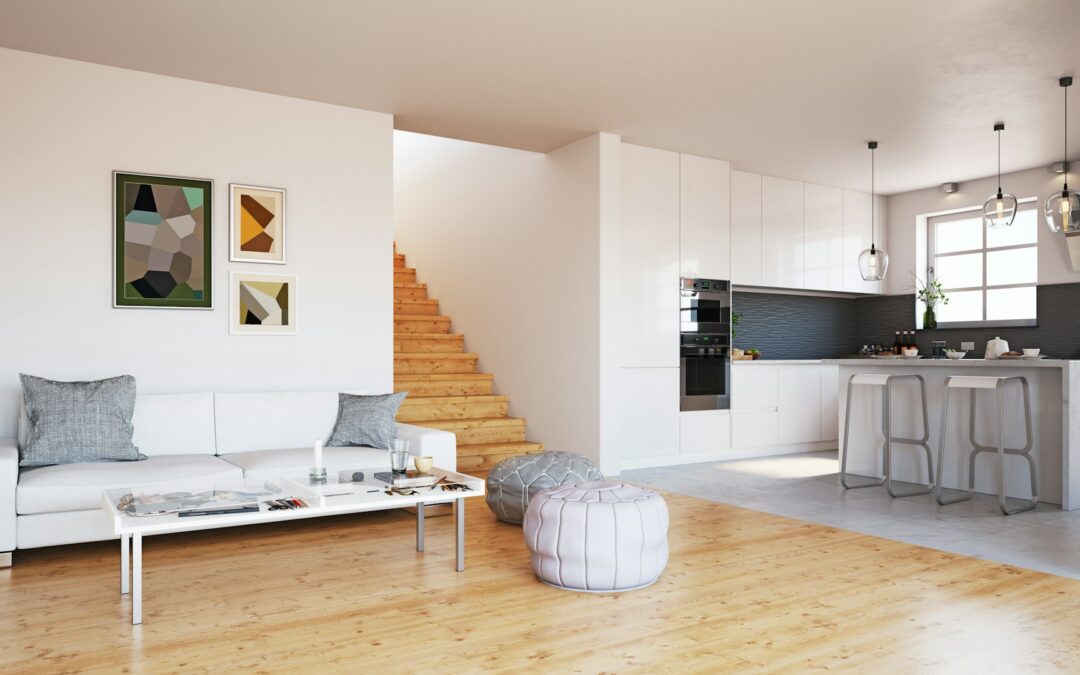
Choosing sustainable tile and flooring can feel overwhelming when every product claims to be green, yet details are vague and hard to compare. Homeowners often worry about durability, indoor air quality, and whether eco-friendly options truly perform in the long term.
At Ambiance Creations, we see this frustration often. Clients want floors that look refined, stand up to daily life, and align with responsible material choices, without sacrificing confidence in what they are investing in.
This guide simplifies sustainable tile and flooring by breaking down materials, certifications, and care essentials, so you can make informed decisions that support both your home and the environment.
What Makes Tile and Flooring Sustainable
Sustainable tile and flooring come down to three essentials: the materials, where they come from, and how manufacturers make them. These pieces work together to lower environmental impact and support long-term performance in real homes.
Key Elements of Eco-Friendly Materials
It starts with what goes into the tile. Natural materials like clay, sand, and stone have stood the test of time. They are abundant and typically avoid synthetic chemicals or petroleum-based ingredients.
Durability is central to sustainability. If a surface lasts 50 years or more, you are not replacing it every decade, as you might with carpet or some resilient products.
A few important characteristics:
- Low VOC emissions: Tiles release very little into indoor air.
- Thermal mass properties: Dense ceramic and porcelain can help stabilize indoor temperatures.
- Resistance to moisture and stains: You can often avoid harsh cleaners.
- Fire resistance: Natural materials do not burn or release toxic fumes.
The density of ceramic tile can help a home stay comfortable by absorbing and slowly releasing heat.
Renewable and Recycled Content
Many sustainable tile and flooring products now incorporate recycled content from multiple sources. Manufacturers can grind old glass, porcelain, and ceramic scraps, including material recovered from demolition, and blend them into new tile.
Some companies use post-consumer recycled content, like crushed glass bottles or reclaimed ceramics. This reduces demand for newly extracted raw materials. Depending on the product, tiles may range from about 20% to more than 70% recycled content.
Natural materials like cork are renewable because cork bark grows back after harvesting. Stone is not renewable, but it is long-lasting and widely available, which can still support sustainability when selected thoughtfully.
Low-Impact Manufacturing Processes
Tile manufacturers have made meaningful gains in reducing waste and energy use. Many capture and reuse water during production rather than discarding it.
Kilns and other equipment have also improved in energy efficiency. Some facilities use solar or other renewable energy, while others invest in lower-temperature systems to reduce overall consumption.
Where your tile is made matters as well. Sourcing closer to home can reduce shipping emissions. Many companies also reduce packaging and shift toward recyclable materials to limit waste across the supply chain.
Types of Sustainable Tile
Sustainable tile and flooring options include recycled materials, natural sources, and products made with greener manufacturing. Each choice offers a different mix of durability, visual character, and environmental impact.
Recycled Glass Tile
Recycled glass tile transforms bottles, windows, and other glass waste into distinctive flooring and wall surfaces. Manufacturers crush glass, blend it with binders, and form tiles that work well in kitchens, baths, and living areas.
You will find a wide range of colors and finishes depending on the glass source. Some styles feel refined and translucent, while others bring bold, graphic energy.
Glass tile resists water and staining, and it is easy to clean with mild soap and water. Choosing recycled glass helps divert waste from landfills and can reduce demand for new materials.
Natural Stone Options
Natural stone tiles such as slate, limestone, travertine, and marble come straight from the earth. They develop over thousands of years, offering a natural surface that is, in many cases, biodegradable.
Slate is a strong flooring choice because it is durable and slip-resistant. Its natural texture can add traction, especially in areas exposed to moisture.
With appropriate care, stone tiles can last for decades. That longevity reduces replacement cycles and supports the long-life benefits associated with sustainable tile and flooring.
Stone can also support indoor comfort by absorbing heat and releasing it slowly, which may help reduce heating and cooling demand in certain conditions.
Ceramic and Porcelain Tile Choices
Ceramic and porcelain tiles are made from natural clay and do not require intensive chemical processing. Manufacturing has become cleaner over time as plants improve efficiency and reduce waste.
Porcelain is denser than standard ceramic because it is fired at higher temperatures. It performs well in high-traffic areas and wet spaces.
These tiles can last 50 years or more with proper installation and care. Many brands also offer low-VOC options that support healthier indoor air. Look for credible certifications to confirm performance claims.
Eco-Friendly Flooring Options Beyond Tile
Natural materials such as bamboo, cork, and responsibly harvested wood offer alternatives to synthetic flooring. These surfaces can support a healthier home and reduce overall impact while still feeling elevated and design-forward.
Bamboo and Cork Flooring
Bamboo is one of the fastest-growing renewable resources. It can mature in three to five years, compared to decades for many hardwood species. Bamboo often grows without heavy pesticide or fertilizer use.
It is also durable and suitable for busy homes. Available styles include strand-woven, horizontal, and vertical grain patterns, giving flexibility for modern and classic interiors.
Cork comes from the bark of cork oak trees, which regrows after harvesting. Cork feels softer underfoot and can help reduce sound transfer between rooms.
Cork naturally resists mold and mildew due to suberin, and it provides thermal comfort that can make spaces feel warmer in cooler seasons.
Sustainably Sourced Wood
Certified wood flooring comes from forests managed with care. Look for FSC (Forest Stewardship Council) or PEFC (Programme for the Endorsement of Forest Certification) labels, which support responsible forestry.
Reclaimed wood is another strong option. Lumber recovered from barns, factories, and warehouses can bring character while keeping usable material out of landfills.
Engineered hardwood uses a hardwood veneer over stable core layers, delivering the look of solid wood while reducing the amount of slow-growing hardwood needed.
Linoleum and Natural Rubber
True linoleum is made from linseed oil, wood flour, cork dust, and natural resins pressed onto jute backing. These ingredients are renewable and biodegradable. Linoleum is not the same as vinyl.
Linoleum can last 25 to 40 years with appropriate care and is available in many colors and patterns. It also resists bacteria naturally and tends to stay low in VOC emissions.
Natural rubber flooring is made from latex harvested from rubber trees. It performs well in playrooms, gyms, and other comfort-focused spaces. Rubber is slip-resistant and provides impact cushioning.
Certifications and Standards for Green Flooring
Third-party certifications can help verify environmental and health claims. These programs evaluate emissions, sourcing, and overall sustainability, so comparisons are clearer.
LEED and Green Building Certifications
LEED (Leadership in Energy and Environmental Design) is a major rating system from the U.S. Green Building Council. Flooring that aligns with LEED criteria can support credits, such as Low-Emitting Materials and sustainable sourcing.
Green Squared is widely recognized for ceramic tile and related installation materials. It can cover tile, mortars, grouts, backer boards, and membranes, using a single standard that blends multiple sustainability factors.
Other programs that may accept certified flooring include:
- Green Globes
- CHPS (Collaborative for High Performance Schools)
- CALGreen (California Green Building Standards Code)
These frameworks help confirm that sustainable tile and flooring selections meet rigorous environmental and quality thresholds.
FloorScore and Other Product Labels
FloorScore is a leading indoor air quality certification for hard surface flooring, adhesives, and underlayments. It evaluates products for low chemical emissions and supports healthier indoor environments.
FloorScore is used by multiple building programs, including LEED v4.1 and WELL, as evidence of low VOC performance.
California Proposition 65 compliance can be another checkpoint. Products aligned with Prop 65 requirements avoid certain chemicals linked to cancer, birth defects, or reproductive harm. Review product documentation for specifics rather than relying on general marketing language.
Installation and Maintenance Tips for Sustainable Floors
Even the best sustainable tile and flooring can underperform if installation materials or maintenance practices introduce unnecessary chemicals or shorten lifespan. The right supporting products and habits make the difference.
Choosing Non-Toxic Adhesives and Grouts
Installation products matter as much as the surface itself. Some traditional adhesives and grouts contain VOCs that can linger indoors.
Choose low-VOC or zero-VOC adhesives whenever possible, often water-based rather than solvent-based. Many manufacturers now offer products designed for sustainable applications.
For grout, look for third-party-verified options, such as GREENGUARD-certified products. Epoxy grouts may offer lower emissions than some cement-based options, and some specialty grouts incorporate recycled content.
If you are working with a professional installer, ask which adhesives, mortars, and sealants they plan to use. A knowledgeable installer can recommend safer products without compromising performance.
Cleaning with Eco-Conscious Products
Harsh chemical cleaners can damage finishes and add unwanted indoor pollutants. Most eco-friendly floors perform best with gentle routines.
Use a dry or lightly damp microfiber mop for daily cleaning. Warm water is often enough for ceramic, porcelain, and many hard surfaces. If needed, use a pH-neutral cleaner approved for your specific material.
Avoid ammonia, bleach, and oil-based soaps that can strip finishes, discolor surfaces, or leave residue. For bamboo and cork, limit water exposure to prevent swelling.
A simple at-home cleaner can work well for many hard surfaces: one part white vinegar to four parts water. If you want scent, use a small amount of essential oil, and test first on an inconspicuous area.
Enhancing Lifespan Through Proper Care
You do not need complicated routines to protect sustainable tile and flooring. Consistent, simple habits provide the greatest return.
Place doormats at entrances to trap grit and moisture. Consider a no-shoes approach indoors to reduce abrasion.
Use felt pads under furniture legs and avoid dragging heavy items. For ceramic and porcelain, inspect grout lines annually and reseal as needed to protect against moisture intrusion.
Wipe up spills quickly, especially on cork, bamboo, and reclaimed wood. Maintain indoor humidity around 30% to 50% to help prevent warping or cracking.
Keep pet nails trimmed to reduce scratching. In high-traffic areas, use natural fiber rugs such as jute or wool to protect surfaces while adding texture.
Making Confident Choices in Sustainable Flooring
Selecting sustainable tile and flooring does not have to feel uncertain or overwhelming. When materials are durable, well-certified, and thoughtfully installed, they support healthier living without constant maintenance concerns.
Clear guidance helps eliminate guesswork, ensuring your flooring performs as promised while aligning with environmental responsibility. The right choice should feel secure today and valuable for years to come.
If you want expert support turning sustainable options into a cohesive, lasting design, Ambiance Creations is here to help. Get in touch!
Frequently Asked Questions
What makes tile and flooring truly sustainable?
Sustainable tile and flooring is defined by responsible materials, low-impact manufacturing, and long-term durability. Products made from natural, recycled, or renewable sources with low VOC emissions and verified certifications are typically considered sustainable.
Are sustainable flooring options durable enough for everyday use?
Yes. Many eco-friendly options, including ceramic, porcelain, natural stone, bamboo, and cork, are designed to last for decades. Longevity is one of the most important sustainability factors because it reduces replacement waste.
How can I tell if a flooring product is actually eco-friendly?
Look for third-party certifications such as FloorScore, GREENGUARD, FSC, or Green Squared. These labels verify claims related to indoor air quality, sourcing, and environmental impact, helping you avoid misleading marketing.
Is sustainable tile and flooring harder to maintain?
Not at all. Most sustainable surfaces require simple, low-chemical cleaning routines. Regular sweeping, gentle cleaners, and prompt spill cleanup are usually enough to keep floors in excellent condition.
Does eco-friendly flooring improve indoor air quality?
Many sustainable flooring materials emit very low or zero VOCs, which helps maintain healthier indoor air. Ceramic, porcelain, stone, cork, and linoleum are especially strong choices for air quality-sensitive households.
Can sustainable flooring work in high-moisture areas?
Yes. Porcelain tile, ceramic tile, natural stone, and properly sealed cork or bamboo can perform well in kitchens, bathrooms, and entryways when installed correctly with moisture-appropriate materials.
Is recycled tile as strong as traditional tile?
Recycled ceramic, porcelain, and glass tiles are tested to meet industry performance standards. When properly manufactured, they offer the same strength, stain resistance, and durability as conventional tiles.
How does installation affect sustainability?
Installation materials play a major role. Using low-VOC adhesives, grouts, and sealants helps protect indoor air quality and ensures the overall flooring system remains aligned with sustainable goals.
Can sustainable flooring support modern design styles?
Absolutely. Sustainable tile and flooring is available in a wide range of finishes, colors, and formats, from sleek porcelain slabs to textured reclaimed wood, making it easy to match contemporary or classic interiors.
Is sustainable flooring a smart long-term investment?
Yes. Durable materials, lower maintenance needs, and healthier indoor environments contribute to long-term value. Sustainable flooring often reduces replacement frequency, making it a practical and responsible investment over time.