
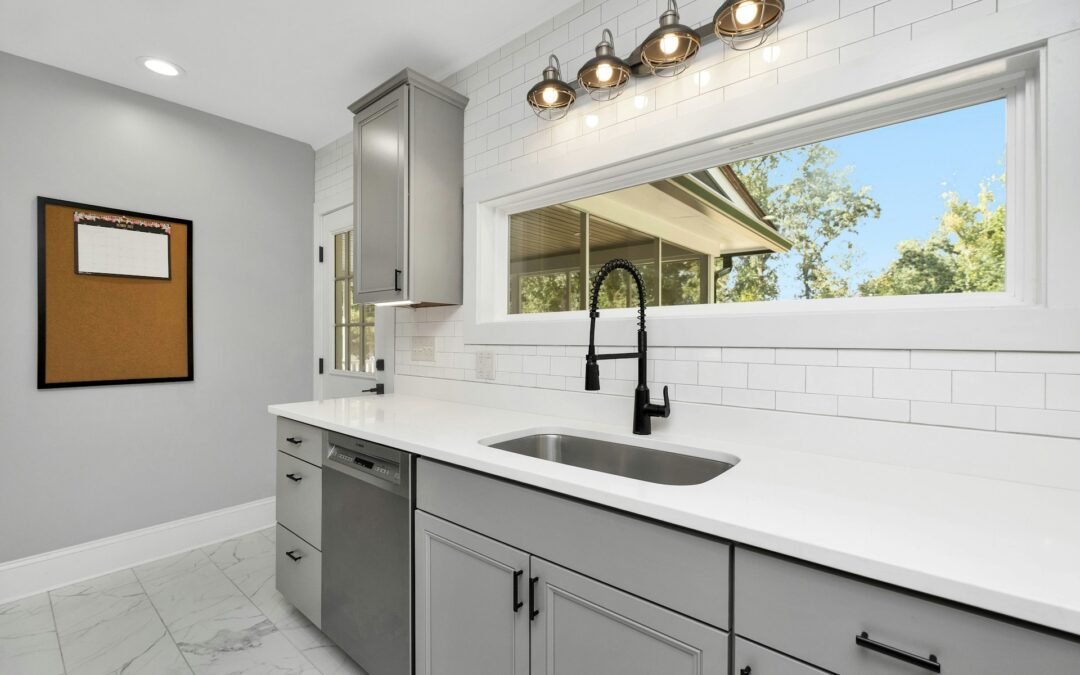
Cooking is harder than it needs to be when your kitchenware cabinet is overfilled, cluttered, or set up without clear zones. Lost lids, buried tools, and crowded shelves slow you down and make cleanup feel like a second job.
At Ambiance Creations, we solve that pain point with quality, integrity, and layouts built for real-life functionality and uniqueness. The goal is simple: storage that stays organized, feels effortless, and looks refined every day.
Up next, you will see cabinet types, material choices, design styles, and storage upgrades that improve access and flow. Keep reading to find the kitchenware cabinet ideas that fit your space and the way you cook.
Types of Kitchenware Cabinets
Picking the right kitchenware cabinets helps tame your cooking chaos and keeps your kitchen looking sharp. Each type of cabinet has its own job, whether it’s corralling heavy pots or showing off delicate dishes.
Knowing what’s out there helps you make choices that fit your space and how you actually use your kitchen. Sometimes it’s the small details that make the biggest difference.
Base Cabinets
Base cabinets rest right on the floor and anchor your kitchen storage. They hold up countertops and take on the heavy lifting—think pots, pans, and those small appliances you only use once a month.
Most have drawers and shelves designed for easy access. Deep drawers are a lifesaver for big kitchenware, while pull-out shelves help you reach what’s hiding in the back.
They create a work zone where you can prep food and keep essentials close. A solid base cabinet really sets the tone for how smoothly your kitchen runs.
Wall Cabinets
Wall cabinets hang above your counters, giving you storage without eating up floor space. They’re perfect for lighter stuff, such as glassware, plates, spices, and the things you want to grab quickly.
You can tweak the height and depth to fit your kitchen’s ceiling and make the most of vertical space. Glass-front doors add a bit of elegance if you like to show off your prettiest dishes.
Picking wall cabinets with clean lines and interesting textures can brighten up your kitchen’s vibe. It’s a small change that can totally shift the mood.
Tall Cabinets
Tall cabinets run from floor to ceiling, packing in tons of storage in one slim footprint. They often double as pantries or broom closets, but you can stash bakeware and big cookware in there, too.
These cabinets keep your tools organized and out of sight, which is a relief if you hate clutter. Adjustable shelves inside let you tweak the setup as your needs change.
Some even have built-in spots for ovens or fridges to keep everything streamlined. If you want clear counters, a tall cabinet is a smart move.
Custom Kitchenware Cabinets
Custom cabinets are all about making your kitchen fit you, not the other way around. They bring together style and function, tailored to how you actually live and cook.
You get to pick materials, finishes, and hardware so everything feels cohesive. Specialty compartments for knives, cutting boards, recycling bins, or wine racks? Absolutely, if that’s your thing.
Custom cabinets let your personality shine through while making sure every inch works hard. They’re a great choice if you want a kitchen that’s both warm and supremely useful.
It’s a good fit for anyone who wants a space that feels elegant, inviting, and genuinely functional.
Kitchenware cabinet materials
Picking the right material for your kitchenware cabinet is a balancing act: durability, style, and how much upkeep you’re willing to do. Some materials look gorgeous and last forever, while others are budget-friendly and stand up to moisture.
Knowing what each one brings to the table helps you zero in on what works best for your kitchen’s vibe and your everyday reality.
Solid wood cabinets
Solid wood cabinets have a reputation for strength and a timeless look. The grain and texture add warmth that’s hard to fake, and they tend to stick around for years, so they’re a solid investment.
You can paint them or stick with the natural finish. That kind of flexibility lets you swing between traditional and modern styles pretty easily.
Keep in mind, wood can swell or shrink a bit in humid places, so finishing and regular care matter if you want them to stay looking good.
Plywood kitchen cabinets
Plywood is made from thin sheets of wood glued together, which gives it good stability and helps prevent warping. It’s usually cheaper than solid wood but still feels sturdy in daily use.
Plywood holds screws well and doesn’t freak out when things get damp, which is a bonus if your kitchen sees a lot of humidity. You can stain or paint plywood for a clean look without breaking the bank.
MDF and particleboard cabinets
Medium-density fiberboard (MDF) and particleboard are engineered woods made from fibers or chips bound with resin. MDF gives you a super-smooth surface that’s great for paint, while particleboard is even more affordable but not quite as tough.
They’re popular in modern cabinetry because they’re easy to shape and won’t blow up your budget. The downside? They don’t love moisture, so sealing and smart placement are key if you want them to last. Still, they let you get a stylish look for less, especially if you pair them with quality finishes.
Kitchenware Cabinet Design Ideas
Your kitchenware cabinet should be a mix of style and pure practicality. Focus on designs that fit your space, stash your stuff, and give you the look you want—even if that means mixing things up a bit.
Whether you like crisp modern lines, classic touches, or a mishmash of both, there are clever ways to organize and show off your kitchen tools.
Modern Cabinet Designs
Modern kitchenware cabinets usually go for clean lines and a no-fuss vibe. Flat-panel doors and handleless designs keep things streamlined and simple.
Materials like matte or glossy laminates, or painted wood in cool shades—gray, black, navy—fit right in. Storage is a big deal here, so think pull-outs, deep drawers, and built-in organizers to keep everything tidy and easy to reach.
Lighting inside cabinets adds a little luxury and helps you spot what you need fast. In humid climates, it’s smart to pick finishes that can stand up to moisture and sun.
Traditional Cabinet Styles
Traditional kitchenware cabinets lean into raised panels, ornate moldings, and rich wood finishes like maple, cherry, or oak. Warm colors—creamy whites, taupes, deep browns—make the whole space feel cozy.
These cabinets don’t skimp on details. Glass-front doors or open shelves are great for displaying favorite dishes or family heirlooms, and classic hardware in bronze or brass brings it all together.
They’re not just pretty, though. Built-in spice racks, lazy Susans, and adjustable shelves make them super practical for everyday use. If you love a kitchen that feels timeless and organized, this style’s hard to beat.
Transitional Cabinet Concepts
Transitional kitchenware cabinets blend modern and traditional elements; think simple lines with just a hint of curve or detail. Painted finishes in neutral colors like greige or soft blue keep things fresh and approachable.
This style is flexible, so you can mix open shelves with closed storage, or glass panels with solid doors. Smart storage options like dividers, pull-out baskets, and tray organizers keep everything in its place.
If you want something classic but not stuffy, with modern touches that make life easier, transitional cabinets are worth a look.
Storage Solutions for Kitchenware Cabinets
Making the most of your kitchenware cabinet is all about squeezing every bit of usefulness out of it. You want easy access, clear organization, and efficient use of space.
The right features can save you time and keep things looking neat—no more digging for lost lids or buried spatulas.
Pull-Out Shelves
Pull-out shelves slide in and out like drawers, so you can finally reach what’s lurking in the back. They’re a game-changer for deep cabinets where things always seem to disappear.
You can adjust the height and spacing for tall bottles or wide pans, and some even come with non-slip mats to keep things steady. Adding pull-outs can turn forgotten corners into prime storage.
They also cut down on bending and stretching, making your kitchen a little safer and a lot more comfortable.
Drawer Organizers
Drawer organizers break up big drawers into tidy compartments, so your utensils and gadgets don’t end up in a tangled mess. Everything gets its own spot, which honestly just makes life easier.
Modular or adjustable organizers let you tailor things to your needs. Some have slots for knives, dividers for silverware, or compartments for measuring spoons.
Bamboo or wood inserts add warmth and hold up well, even in humid climates. Organizers also keep your kitchenware from banging around and getting scratched up.
Lazy Susans
Lazy Susans are those spinning trays you stick in corner cabinets or deep shelves. Give it a turn, and whatever you need comes right to the front—no more digging.
They’re perfect for grouping spices, jars, or cans, and some have multiple tiers to double or triple your storage. Non-slip surfaces keep things from sliding off as you spin.
It’s a simple fix that makes awkward spaces way more useful.
Space Optimization Tips
Getting the most out of your kitchenware cabinet space means working smarter, not harder. Organize things so you can reach them easily and keep clutter at bay.
Most people forget about vertical space and corners, but those areas can be goldmines for storage if you use them right.
Vertical Storage Use
Using vertical space in your cabinets lets you store more without making things feel crowded. Install dividers to keep baking sheets, cutting boards, and trays upright and easy to grab.
Slim organizers on cabinet doors create bonus storage for small stuff like lids, spices, or cleaning supplies. Hooks or racks can hang measuring cups or utensils in a neat vertical line, saving precious drawer space.
Pull-out trays let you stack things but still bring them forward for quick access. Try grouping items by height to avoid wasted vertical gaps. It’s a little thing that really helps keep everything in order from top to bottom.
Corner Cabinet Options
Corner cabinets are tricky. They often feel deep and hard to reach. Lazy Susans or rotating shelves make grabbing pots and pans way easier, so you don’t lose stuff in dark corners. Pull-out corner drawers slide out smoothly and let you actually see what’s in there.
They’re great for mixing bowls or those bulky appliances you never know where to stash. Some kitchens use swing-out racks that bring everything toward you, which is pretty clever.
If your cabinet’s tall, vertical pull-out units can fit in those awkward corner spaces for utensils or narrow containers. These tricks make corner storage way more useful.
Organization and maintenance
Keeping your kitchenware cabinet organized and clean just makes daily cooking less of a hassle. You’ll find what you need quickly and protect your stuff from damage.
Labeling and sorting kitchenware
Start by grouping kitchenware into categories—pots, pans, baking tools, dishes, you name it. Use sturdy containers, drawer dividers, or adjustable shelves to keep things together and cut down on clutter.
Label shelves or containers with easy-to-read tags. It helps everyone in your home put things back where they belong.
For example, a basket labeled “Baking Tools” or a shelf marked “Everyday Plates” keeps things simple. Put your most-used items where you can reach them easily, and stash holiday or rarely used stuff up high. This saves time and keeps your cabinet working for you, not against you.
Cleaning and upkeep
Regular cleaning stops dust, grease, and food gunk from building up inside your cabinet. Wipe shelves with a damp cloth and mild cleaner every few weeks—or after spills, obviously.
Pull everything out once in a while to clean the inside thoroughly. Check for damaged pieces and decide if they need fixing or tossing to avoid clutter.
Keep cabinet doors and hardware in good shape with gentle cleaning. If hinges squeak or stick, a little lubrication goes a long way. This kind of care protects cabinetry from Florida’s humidity and salt air.
Choosing the Right Kitchenware Cabinet
Picking out a kitchenware cabinet means thinking about what you need to store and where it’ll fit. Consider how you use your kitchen every day and choose a size and spot that makes your routines easier, not harder.
Assessing Kitchen Needs
Start by listing all the kitchenware you want to store. Think about plates, pots, pans, utensils, small appliances, and even cleaning supplies.
Group things by how often you use them. Keep everyday stuff close, like near the sink or stove, and stash less-used items in higher or deeper cabinets.
Think about what materials you want your cabinet to hold safely. Glassware needs sturdy shelves; heavy pots need stronger support. Having a clear list helps you pick shelves and compartments that actually fit your lifestyle.
Cabinet Sizing and Placement
Measure your available space carefully before picking a cabinet size. Larger cabinets give you more storage, but if they’re not placed well, your kitchen might feel cramped.
Keep cabinets within arm’s reach for the stuff you grab all the time. Corner cabinets and pull-out shelves can really maximize those weird spots.
Wall cabinets should be high enough to see inside, but not so high you need a ladder. Base cabinets are perfect for heavy items and keeping counters clear.
When you’re figuring out your layout, pay attention to flow. You want a clear path between the stove, sink, and fridge.
Installation and Upgrades
Installing or upgrading a kitchenware cabinet can totally change the look and feel of your space. Whether you’re a DIY type or prefer expert help, knowing the key steps makes everything smoother.
DIY Installation Tips
If you want to install cabinets yourself, start by clearing the space. Remove old cabinets and make sure the walls and floors are even.
Measure everything twice, maybe three times. Use a level to keep cabinets straight, and secure base cabinets to wall studs for stability.
Wall cabinets go up next, and a helper makes the job easier. Basic tools like a drill, stud finder, screws, shims, and clamps are must-haves.
Take your time lining things up and tightening everything down so nothing shifts later. For a quick upgrade, swap handles or add a peel-and-stick backsplash for a fresh look without a full remodel.
Professional Cabinet Installation
Pros save you time and headaches, especially with custom or tricky cabinets. Experienced installers handle everything from measuring and building to precise installation.
They coordinate with other trades, cut everything to fit, and make sure your cabinets look and work just right. Professional tools and techniques reduce damage and speed things up.
They usually take care of clean-up and a final walk-through, so you’re not left with a mess. Upgrades during install can include built-in organizers, soft-close hinges, and eco-friendly materials suited for Florida’s climate.
This kind of thoughtful approach really pays off in durability and style.
Popular brands and trends
When you’re picking kitchenware cabinets, you want something that looks good and lasts. Warmth, functionality, and craftsmanship matter for a space you use every day.
Popular trends for 2025? Bold colors and minimalist styles are everywhere. Matte finishes, and soft earth tones add warmth without feeling heavy.
Frameless cabinets with clean lines give kitchens a modern, airy vibe. Hardware is sleek and simple, usually brushed metals for a touch of shine.
Here are some features worth considering:
- Solid wood construction for durability and classic style
- Smart storage solutions to keep things organized
- Eco-friendly materials that handle Florida’s climate
- Customization for your unique needs
Quality materials, clean installation, and hitting deadlines really matter. Whether you want a coastal-inspired kitchen or something more modern, good cabinetry shapes the heart of your home.
Budgeting for Kitchenware Cabinets
Planning your kitchenware cabinets means thinking about your investment so you can balance quality and function. Costs vary—materials, style, and installation all play a role.
Stock cabinets usually run between $100 and $400 per linear foot. Custom choices can push the budget up fast, but sometimes they’re just worth it.
Think about the type of wood and finish you want. These choices affect how your cabinets look and how long they last, especially in Florida’s humid climate.
Installation fees can add 17% to 35% to your total. That covers fitting, hardware, and sometimes those annoying last-minute adjustments.
Here’s a quick cheat sheet on the main cost factors:
| Factor | Typical Range | Notes |
| Materials | $15 – $600 per sq ft | Depends on wood species and finish |
| Installation | 17% – 35% of total cabinet cost | Includes labor and hardware |
| Cabinet type | Stock, semi-custom, custom | Stock options save money; custom offers more uniqueness |
Choosing appliances early helps you design around exact needs and clearances. It’s a step that can save you from expensive changes later and helps you get cabinets that actually fit your life.
Keep Your Kitchenware Cabinet From Becoming Chaos Again
A kitchenware cabinet should make cooking easier, not turn every meal into a search mission.
When storage zones, access features, and durable materials work together, you stop fighting clutter and start moving through your kitchen with confidence.
At Ambiance Creations, we design cabinetry that protects your investment and your time, with layouts that stay organized in real life. You get storage that feels intentional, looks refined, and supports how you cook every day.
Get in touch to plan a kitchenware cabinet setup that ends the daily frustration and keeps your kitchen running smoothly.
Frequently Asked Questions
How do I organize my kitchenware cabinet efficiently?
Group similar items together—pots, pans, lids—so you’re not hunting every time you cook. Adjustable shelves or pull-out trays help maximize space and keep heavy items at a comfy height.
Label containers or shelf edges to keep things in order. Store your go-to pieces where you can grab them easily, and put seasonal stuff up high.
What are some innovative kitchenware cabinet storage solutions?
Pull-out spice racks, lazy Susans, and vertical dividers for cutting boards or trays are game changers. They make your cabinet more accessible without adding clutter.
Hidden compartments and drawer organizers help separate utensils and small tools. Adjustable inserts are great if your collection keeps changing.
What materials are best for a durable kitchenware cabinet?
Hardwoods like oak or maple offer strength and longevity. Cabinets with moisture-resistant finishes stand up to Florida’s humidity. Laminate surfaces are easy to clean but might not have the warmth of real wood.
Can you suggest some budget-friendly kitchen cabinet ideas?
Ready-to-assemble cabinets with quality finishes save on installation. Focus your spending on hardware like soft-close hinges and sturdy drawer slides. Painted cabinets give you a fresh look without the cost of fancy woods.
How do I maintain and clean my kitchen cabinets?
Wipe cabinets regularly with a soft cloth and mild soap to remove grease and dust. Skip harsh chemicals—they just ruin finishes.
Check hinges and handles now and then for tightness. For wood cabinets, products designed to nourish and protect the finish help them last longer.
What design elements should I consider for a functional kitchen pantry cabinet?
Think about adding adjustable shelves so you can fit all sorts of container sizes. Pull-out baskets or drawers make it so much easier to grab things lurking in the back.
Lighting inside the pantry cabinet really helps you see what you have. If you’re into glass doors or open shelves, they can make the space feel lighter, though you’ll need to keep things a bit tidier than usual.