
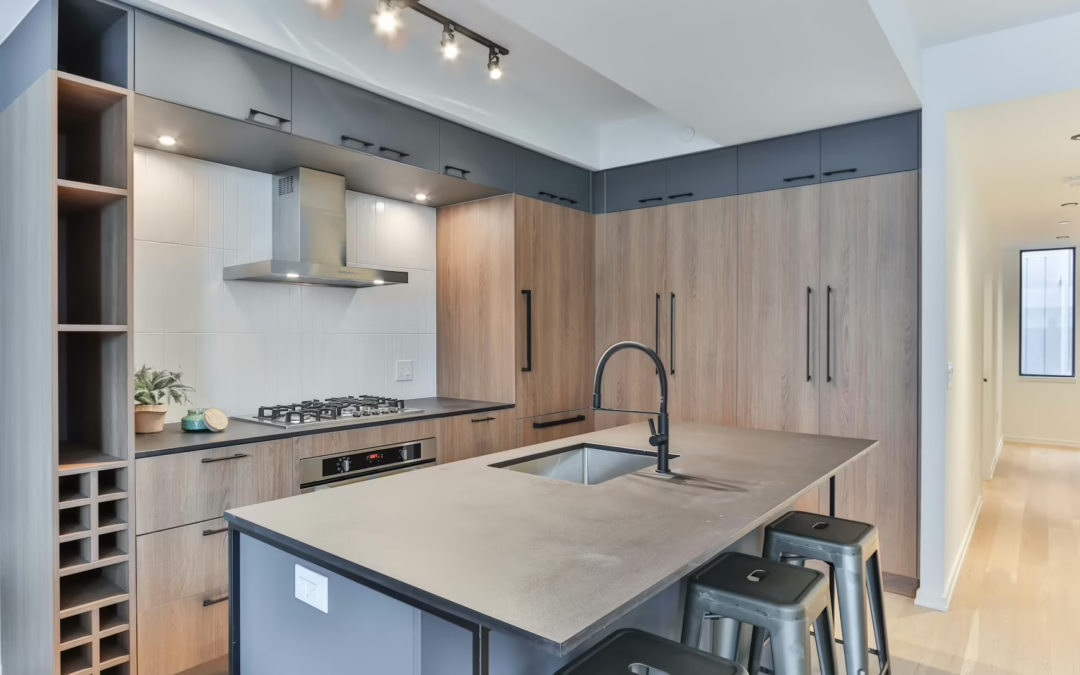
Custom kitchen remodeling transforms the most used space in your home into one that reflects how you live, cook, and gather. At Ambiance Creations, every project prioritizes quality, integrity, functionality, and a distinctly personalized result.
Planning is essential from the very beginning. Whether you are updating finishes or redesigning the entire layout, early decisions shape the outcome and help avoid costly adjustments later. A clear direction ensures the process stays efficient and the result feels cohesive.
This guide explores materials, process, and expert planning insight. You will learn how to define your scope, collaborate with professionals, select the right finishes, prepare for construction, and move forward with confidence.
Define the Scope of Your Project
Before selecting finishes or browsing cabinetry, define how extensive your custom kitchen remodeling project will be. Scope influences timeline, investment, and the type of professional you need.
Refresh, Replace, or Reconfigure
Not every renovation requires a full rebuild. Consider which category fits your goals:
- Refresh: Maintain layout and update finishes such as paint, lighting, or backsplash.
- Replace: Upgrade cabinetry, countertops, or appliances without altering the footprint.
- Reconfigure: Redesign layout by adjusting walls, plumbing, or electrical systems.
Each path carries different requirements. Choosing the right level prevents unnecessary complications.
How Lifestyle Needs Shape the Layout
Your daily routine should guide every layout decision. A well-designed kitchen supports how you move, cook, and gather.
If you cook frequently, prioritize prep space. If the island doubles as a workspace or homework hub, integrate seating and lighting. Ask practical questions about usage to guide decisions.
When a Full Redesign Makes Sense
Sometimes updates are not enough. A full redesign becomes valuable when flow feels restricted or the space no longer supports your lifestyle. Structural changes require expertise, but they deliver a kitchen that truly works.
Build the Right Design Plan Early
A strong design plan forms the foundation of successful custom kitchen remodeling. Planning thoroughly before construction reduces delays and costly revisions.
What to Expect From a Design Consultation
A consultation establishes direction. You will discuss how you use the space, what challenges exist, and what you want to improve.
Expect conversations around:
- Style and finish direction
- Essential features versus enhancements
- Appliance placement
- Storage priorities
Many firms now provide 3D visualizations, allowing you to experience the design before construction begins.
Working With a Designer or Project Manager
Designers focus on layout and aesthetics. Project managers coordinate execution and timelines. Some firms integrate both roles for efficiency. A single point of contact simplifies communication and keeps progress steady.
Using a Showroom or Design Center
Seeing materials in person brings clarity. A showroom allows you to compare textures, finishes, and colors under real lighting conditions. This step prevents missteps and ensures your selections align with expectations.
Choose Cabinetry, Storage, and Surfaces
Cabinetry and surfaces define both function and appearance in custom kitchen remodeling. Thoughtful selection enhances everyday usability.
Custom Cabinets vs. Semi-Custom Options
Custom cabinetry offers complete flexibility. Every dimension and detail reflects your needs.
Semi-custom cabinetry provides structured options with moderate flexibility. It balances personalization with efficiency.
| Feature | Custom Cabinets | Semi-Custom |
| Sizing | Built to exact specs | Standard with flexibility |
| Lead Time | 8–16 weeks | 4–8 weeks |
| Cost | Higher | Moderate |
| Design Freedom | Unlimited | Broad options |
| Best For | Unique layouts | Standard kitchens |
Cabinet Doors and Finish Details
Door style shapes the visual tone. Shaker designs feel versatile, while slab fronts create a clean look. Raised panels lean traditional. Finishes also influence the atmosphere. Painted surfaces feel crisp, while wood tones add warmth.
Countertops, Flooring, and Backsplash
Countertops serve as the primary work surface. Quartz offers durability, while natural stone adds variation.
Flooring should balance resilience and comfort. Tile, engineered wood, and luxury vinyl perform well in kitchens. Backsplashes connect the entire design. Classic tile remains popular, while large-format materials create impact.
Storage Solutions That Improve Daily Use
Efficient storage transforms how a kitchen functions. Consider:
- Pull-out shelving
- Deep drawer organizers
- Accessible open shelving
- Integrated waste systems
- Corner cabinet solutions
These features enhance both convenience and organization.
Prepare for Construction and Daily Life
Construction introduces disruption. Preparation helps you maintain a routine during your custom kitchen remodeling project.
Project Timelines and Installation Stages
Construction typically spans six to twelve weeks, depending on the scope. The process includes:
- Demolition
- Rough plumbing and electrical
- Structural adjustments
- Drywall and painting
- Cabinet installation
- Countertops
- Finishing elements and appliances
Delays can occur. Build flexibility into expectations.
How to Set Up a Temporary Kitchen
A temporary setup keeps daily life manageable. Use a small space with essential appliances and basic supplies. Simple planning reduces stress and keeps routines intact.
Permits, Communication, and Change Orders
Permits often apply to structural, electrical, or plumbing work. Confirm responsibilities early. Maintain consistent communication with your project manager. Document any changes clearly to avoid confusion.
Budget for Value, Quality, and Longevity
A well-planned investment ensures your custom kitchen remodeling delivers long-term value. Strategic allocation matters as much as total cost.
What Drives Costs in a Personalized Build
Key cost drivers include:
- Cabinetry (30–40%)
- Countertops (material-dependent)
- Flooring
- Labor (20–35%)
- Appliances
Each decision influences overall investment.
Where Custom Features Deliver the Best Return
Custom cabinetry and durable countertops provide strong long-term value. A well-designed layout also enhances usability and perceived space. You can often scale back on elements like hardware or lighting without compromising overall quality.
How to Compare Estimates With Confidence
Review multiple detailed estimates. Ensure each outlines materials, labor, and scope clearly. Avoid vague allowances. Evaluate quality, timeline, and communication alongside cost.
Find the Best Partner for the Job
Choosing the right professional defines your experience with custom kitchen remodeling. Expertise and communication matter.
Signs of a Reliable Kitchen Remodeler
Look for:
- Proven portfolio
- Clear contracts
- Proper licensing
- Strong client feedback
- Transparent communication
A trustworthy partner sets realistic expectations and confidently guides decisions.
Questions to Ask Before You Hire
Ask about:
- Project contact
- Permit handling
- Timeline
- Client references
- Change order process
- Payment structure
Clear answers reflect strong organization and professionalism.
When Kitchen and Bathroom Expertise Matters
Many homeowners renovate kitchens and bathrooms together. Coordinating both spaces improves efficiency and design consistency. A unified approach simplifies scheduling, materials, and execution.
Designed for Living, Built to Last
A thoughtful custom kitchen remodeling project does more than improve appearance. It enhances how your space functions every day, creating a kitchen that feels intuitive, efficient, and aligned with your lifestyle. Careful planning and material selection ensure lasting performance and visual harmony.
Every decision, from layout to finishes, contributes to the overall experience. When you prioritize quality craftsmanship and clear communication, the process becomes more streamlined and the outcome more rewarding. The right approach turns complexity into confidence.
At Ambiance Creations, each kitchen reflects a refined balance of design and functionality. Explore our work and discover how a well-executed transformation can elevate your entire home.
Frequently Asked Questions
What is included in custom kitchen remodeling?
Custom kitchen remodeling typically includes layout planning, cabinetry, countertops, appliances, lighting, and storage solutions. It can also involve structural changes, plumbing, and electrical updates, depending on the scope. Each project is tailored to match how you use your kitchen daily.
How long does a custom kitchen remodeling project take?
Timelines vary based on complexity. Most projects take between six and twelve weeks for construction, while planning and design may add several weeks before work begins. Larger or more detailed projects may require additional time.
Is custom cabinetry worth the investment?
Custom cabinetry offers precise sizing, better storage solutions, and a more refined finish. It works especially well in unique layouts or when maximizing space is a priority. Many homeowners find it adds long-term value and functionality.
Can I stay in my home during the renovation?
Yes, most homeowners remain in their homes during custom kitchen remodeling. However, you should expect some disruption. Setting up a temporary kitchen helps maintain daily routines while construction is underway.
Do I need permits for a kitchen remodel?
Permits are often required if your project includes plumbing, electrical, or structural changes. A qualified contractor typically manages the permit process and ensures everything meets local building codes.
How do I choose the right kitchen remodeler?
Look for a professional with a strong portfolio, clear communication, proper licensing, and positive client feedback. A reliable remodeler provides detailed estimates and sets realistic expectations from the start.
What should I prioritize in my kitchen remodel?
Focus on layout, cabinetry, and countertops first. These elements have the greatest impact on both function and appearance. Investing in these areas creates a kitchen that performs well and looks cohesive.
Can I remodel my kitchen and bathroom at the same time?
Yes, combining both projects can improve efficiency and create a consistent design throughout your home. Coordinating materials and timelines often simplifies the overall process.