
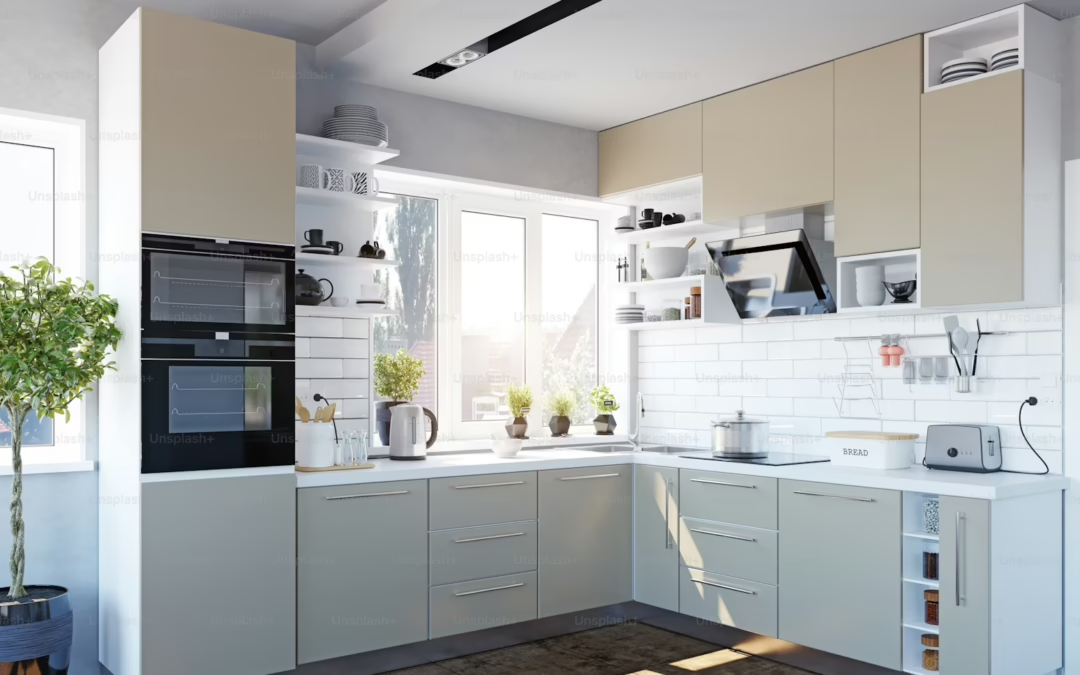
Kitchen cabinet installation often feels overwhelming when measurements are off, walls are uneven, or cabinets refuse to line up properly. Small mistakes early on can quickly turn into frustrating delays and costly rework. At Ambiance Creations, precision and planning guide every successful installation.
Many homeowners struggle with where to start, how to keep everything level, and how to avoid gaps, misalignment, or uneven finishes. Without a clear process, even simple steps can become time-consuming and stressful.
This guide simplifies the process into clear, manageable steps. You will learn how to plan accurately, install with confidence, and achieve a clean, professional result from start to finish.
Plan the Layout and Prep the Room
A successful kitchen cabinet installation begins long before the first screw goes in. Accurate measurements, clear layout lines, and properly prepared surfaces ensure a smooth installation process and consistent results.
Measure the Space and Build a Cabinet Layout
Start by measuring every wall where cabinets will be installed. Record dimensions carefully and include windows, doors, outlets, and plumbing locations to avoid conflicts during installation.
Next, total the widths of all cabinets to confirm they fit the available space. Allow proper clearance for appliances such as the refrigerator, range, and dishwasher so everything integrates seamlessly.
Create a detailed layout sketch or use a digital planner. Label each cabinet clearly so you can visualize placement and maintain organization throughout the installation.
Mark Layout Lines and Find Stud Locations
Use a level or laser level to draw a horizontal line approximately 48 inches from the floor. From there, measure down to identify the floor’s highest point, which will guide base cabinet placement.
Mark the base cabinet height, typically 34 inches, and extend a level line across all walls. Then measure 17 to 18 inches above this line to establish the bottom line for upper cabinets.
Locate wall studs using a stud finder and mark them clearly. In older homes, confirm stud placement manually to ensure secure anchoring.
Remove Old Cabinets and Prepare Surfaces
Carefully remove existing cabinets by taking off the doors and shelves first. Unscrew the cabinet boxes and pull them away from the wall without damaging surrounding surfaces.
Inspect the walls for straightness and plumb using a long level. Check floors for uneven areas, as these will require shimming during installation. Complete any necessary repairs and allow surfaces to dry fully. Address electrical and plumbing updates at this stage to avoid disruptions later.
Gather Tools, Hardware, and Cabinet Parts
Preparation plays a critical role in a smooth kitchen cabinet installation. Having all tools and materials ready allows you to maintain momentum and focus on accuracy.
Must-Have Tools for Accurate Installation
A well-equipped setup ensures efficiency and precision. Essential tools include a tape measure, stud finder, level, drill, jigsaw, clamps, and a framing square.
A cabinet jack or a reliable helper simplifies lifting and positioning heavy units. This support improves both safety and alignment during installation.
Fasteners, Supports, and Leveling Supplies
Use 2½-inch washer-head cabinet screws to secure cabinets directly into studs. These provide strong holding power and reduce the risk of failure over time.
Keep additional supplies on hand, including screws for joining face frames, wood shims for leveling, wall anchors, and filler strips for closing gaps. Each component plays a role in achieving a clean, stable installation.
Inspect Cabinets and Components
Before installation begins, inspect every cabinet thoroughly. Look for damage, confirm dimensions, and ensure all hardware components are included.
Organize cabinets in installation order to streamline the process. This preparation reduces confusion and keeps the workflow efficient.
Hang the Upper Cabinets First
Installing upper cabinets first creates unobstructed access to the wall and simplifies alignment. Starting from a corner establishes a reliable reference point for the entire run.
Start With the Corner Cabinet
Position the first cabinet and align it precisely with the layout line. Check that it is level and plumb before securing it to the wall.
For corner units, verify alignment in both directions. Accurate positioning here ensures that all subsequent cabinets align correctly.
Drill and Fasten Into Studs
Mark stud locations on the cabinet back and drill pilot holes accordingly. Secure the cabinet using appropriate screws, ensuring each connection is firm and stable.
Check alignment frequently during this step. Small shifts can affect the entire installation if not corrected immediately.
Align and Secure Adjacent Cabinets
Bring the next cabinet into position and clamp the face frames together until they sit flush. Secure them with screws, then fasten the unit to the wall.
Use shims to correct uneven walls and maintain consistent alignment. Continue this process across the entire run for a seamless appearance.
Set and Level the Base Units
Base cabinets require careful leveling, as floor irregularities can affect the final result. Precision during this stage ensures proper countertop installation and long-term performance.
Start at the High Spot
Begin installation at the highest point of the floor. Position the first base cabinet and use shims to achieve level alignment in all directions.
Secure the cabinet to the wall studs and confirm alignment after tightening. This step establishes the foundation for all remaining cabinets.
Install Adjacent Cabinets
Join neighboring cabinets before positioning them. Clamp the frames together, verify alignment, and adjust with shims as needed.
Slide the assembled units into place and secure them to the wall. Consistent leveling across the run creates a uniform surface for countertops.
Install Islands and Fillers
Position island cabinets according to the layout plan. Anchor them securely to the floor using brackets or cleats for stability.
Install filler strips where gaps appear between cabinets and walls. Properly fitted fillers create a polished and cohesive look.
Make Cutouts and Final Adjustments
This phase refines the kitchen cabinet installation and ensures all components function correctly within the space.
Cut for Plumbing and Electrical
Measure carefully and mark cutout locations for plumbing and wiring. Use a jigsaw to create clean openings that allow proper clearance. Precision during this step prevents unnecessary gaps and maintains a professional finish.
Adjust Doors and Drawers
Fine-tune cabinet doors using hinge adjustments. Align them evenly and ensure they close smoothly without resistance. Test all drawers for proper operation. Make small adjustments as needed to maintain consistent spacing and function.
Finish With Trim and Details
Final details complete the installation and elevate the overall appearance. These finishing touches transform the space into a cohesive design.
Install crown molding along the tops of upper cabinets for a built-in look. Measure carefully and secure each section with precision.
Fill visible holes with wood filler, sand the surface smooth, and apply matching paint or stain. Attach hardware, reinstall shelves, and perform a final inspection to confirm alignment and functionality.
Avoid Costly Mistakes with a Smarter Installation Approach
A precise kitchen cabinet installation prevents common frustrations like uneven doors, visible gaps, and misaligned cabinetry. When you follow a clear process, you avoid rework and achieve a clean, professional finish from the start.
Small details make the biggest difference. Proper leveling, secure fastening, and careful alignment ensure your cabinets not only look refined but also function smoothly for years.
At Ambiance Creations, every detail matters in creating a seamless result. Get in touch to bring clarity and confidence to your next installation.
Frequently Asked Questions
How long does a kitchen cabinet installation take?
A standard kitchen cabinet installation can take a few days, depending on the size of the kitchen and the complexity of the layout. Proper planning and preparation help avoid delays and keep the process efficient.
Do I install upper or base cabinets first?
Always install upper cabinets first. This approach gives you clear access to the wall and prevents damage to base cabinets during installation.
How do I make sure cabinets are level?
Use a long level and start from the highest point of the floor. Add shims where needed to keep cabinets aligned and even across the entire run.
What are the most common installation mistakes?
Common issues include skipping layout lines, missing studs, and failing to check for level throughout the process. These mistakes often lead to uneven cabinets and visible gaps.
Can uneven walls or floors affect the installation?
Yes, uneven surfaces are one of the biggest challenges. You must use shims and make small adjustments to keep cabinets straight and properly aligned.
What tools are essential for cabinet installation?
Key tools include a level, drill, stud finder, clamps, and a tape measure. Having the right tools ready improves accuracy and reduces installation time.
Do I need a professional for kitchen cabinet installation?
Many homeowners can complete a kitchen cabinet installation themselves with careful planning. However, complex layouts or high-end finishes often benefit from professional expertise to ensure a flawless result.