
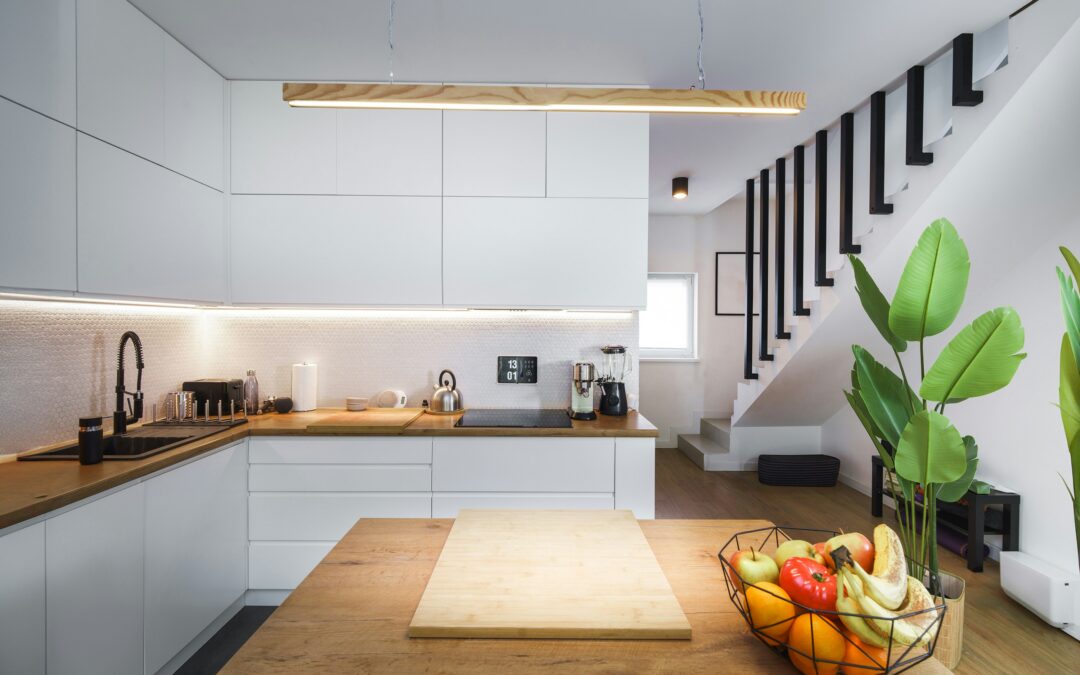
Your kitchen feels dated, cluttered, or simply harder to use than it should. Worn cabinets, limited storage, and poor layout can turn everyday tasks into constant frustration.
Kitchen cabinetry remodeling solves these issues by improving organization, flow, and visual clarity without requiring a full renovation. Small, intentional upgrades can make your space feel more functional and refined.
At Ambiance Creations, we focus on solutions that elevate both performance and design. In this guide, you’ll discover practical updates, material options, and smart features that transform how your kitchen works and feels.
What Is Kitchen Cabinetry Remodeling?
Kitchen cabinetry remodeling involves updating, refacing, or replacing cabinets to improve both aesthetics and function. You can install entirely new cabinetry, replace doors and hardware, or refresh finishes depending on your goals.
Full replacement removes existing cabinets and installs new systems, while refacing retains cabinet boxes and upgrades visible components. Refinishing updates color or texture without structural changes. Each option varies in cost and timeline, with replacement requiring the most investment, refacing offering balance, and refinishing serving as a cosmetic solution.
Benefits of Upgrading Kitchen Cabinets
Updated cabinetry enhances everyday use by improving storage and reducing clutter. With better organization, you gain easier access to cookware, tools, and pantry items, which simplifies daily routines.
Modern features such as pull-out shelves, soft-close hinges, and integrated organizers streamline functionality while elevating comfort. At the same time, your kitchen gains a refreshed and cohesive appearance that aligns with your preferred style.
Quality cabinetry also increases durability and contributes to long-term value. Well-built systems operate smoothly, resist wear, and remain reliable for years with minimal maintenance.
Common Cabinetry Remodeling Goals
Homeowners often prioritize increased storage when planning kitchen cabinetry remodeling, as efficient layouts help maximize available space. Taller cabinets, pull-out pantries, and custom inserts create a more organized environment.
Visual transformation is another major goal, as updated finishes or door styles redefine the kitchen’s atmosphere. Whether you prefer a clean, neutral palette or a bold statement, cabinetry plays a central role.
Functionality improvements also drive decisions, especially when addressing worn components. Fixing water damage, replacing broken hinges, and correcting alignment issues ensure the kitchen performs as well as it looks.
Explore open-shelving cabinets for stylish storage.
Planning Your Kitchen Cabinetry Remodel
A successful remodel begins with clear planning, where storage needs, layout, and overall investment guide every decision. Taking time to evaluate these factors helps prevent costly adjustments later.
Setting a Realistic Investment
Your investment shapes material and design choices, so defining a clear range allows for better allocation across cabinetry, hardware, and installation. Understanding available options helps you align expectations with results.
Stock cabinets offer affordability but limit customization, while semi-custom cabinetry provides flexibility in sizing and finishes. Custom cabinetry delivers complete design freedom and tailored solutions with a higher level of investment.
Installation typically adds 10 to 30 percent to the total, and setting aside an additional 10 to 20 percent helps cover unexpected updates such as wall repairs or layout adjustments.
Evaluating Your Storage Needs
Before selecting cabinet configurations, assess what you own and how you use your kitchen daily. Identifying frequently used items ensures they remain easily accessible.
Incorporating smart storage solutions improves both organization and efficiency. Deep drawers accommodate cookware, pull-out shelves enhance accessibility, and corner systems eliminate wasted space.
Measuring larger items ensures proper fit, while thoughtful placement reduces clutter and improves workflow throughout the kitchen.
Assessing Kitchen Layout Options
Your kitchen layout determines how cabinetry functions and how efficiently you move through the space. Maintaining a strong connection between the sink, stove, and refrigerator supports a practical workflow.
Galley kitchens maximize efficiency in compact spaces, while L-shaped layouts provide flexibility and openness. U-shaped designs increase storage and workspace, and island layouts introduce additional functionality for preparation and gathering. Accurate measurements ensure proper alignment, allowing cabinetry to integrate seamlessly into the overall design.
Choosing Cabinet Styles and Materials
Cabinet selections influence both durability and visual appeal, making it essential to choose options that support long-term performance. The right combination of style and material creates a cohesive and functional kitchen.
Popular Cabinet Styles
Shaker cabinets remain a leading choice due to their clean lines and versatility, allowing them to fit both modern and traditional spaces. Flat-panel cabinets deliver a sleek, contemporary look with smooth surfaces and minimal detailing.
Raised-panel styles introduce depth and classic character, making them ideal for more traditional interiors. Glass-front cabinets add variation and visual interest, allowing you to display curated pieces while breaking up solid cabinetry.
Material Options for Durability
Material selection directly impacts how cabinets perform over time. Solid wood offers strength and longevity, making it a preferred choice for high-quality cabinetry.
Plywood provides excellent structural integrity and resists moisture more effectively than lower-grade materials. MDF creates a smooth surface for painted finishes but requires careful placement in moisture-prone areas.
Particleboard serves as a short-term solution and works best in low-impact applications where durability is less critical.
Choosing Cabinet Finishes
Finishes define the final appearance of your cabinetry while influencing maintenance requirements. Painted finishes offer versatility in color selection but may require occasional touch-ups.
Stained finishes highlight natural wood grain and conceal minor wear more effectively. Clear finishes preserve the original tone and texture, allowing the material’s character to remain visible. Selecting the right finish ensures a balance between aesthetics and long-term practicality.
Incorporating Functional Features
Modern cabinetry integrates features that enhance usability, helping your kitchen operate more efficiently while maintaining a clean and organized appearance.
Maximizing Storage Solutions
Strategic storage solutions significantly increase capacity without expanding the kitchen footprint. Deep drawers improve visibility and accessibility, while pull-out pantries make narrow spaces more functional.
Corner systems, such as Lazy Susans and pull-out mechanisms, eliminate difficult-to-reach areas. Vertical dividers provide structured storage for trays and cutting boards, improving organization.
Soft-Close Hinges and Drawer Slides
Soft-close systems prevent doors and drawers from slamming, reducing wear and extending the lifespan of cabinetry. These features also create a quieter environment, which enhances overall comfort.
Pull-Out Shelving and Organizers
Pull-out shelving allows you to access items easily without reaching into deep cabinets. This feature improves convenience and reduces strain during daily use.
Integrated waste systems keep trash and recycling concealed while remaining accessible. Spice pull-outs and utensil organizers streamline storage, ensuring everything has a designated place.
Selecting Hardware and Decorative Elements
Hardware and lighting complete the cabinetry design, adding both functionality and visual refinement. These elements help unify the kitchen while enhancing usability.
Choosing Cabinet Handles and Knobs
Hardware should align with your kitchen’s design while providing durability and comfort in daily use. Selecting the right combination ensures both style and performance.
Modern kitchens often feature streamlined pulls in matte finishes, while traditional designs incorporate classic knobs in warmer tones. Mixing styles can create visual contrast when applied thoughtfully.
Proper sizing maintains balance, with larger drawers requiring longer pulls and smaller doors benefiting from compact hardware. Durable materials such as brass and stainless steel provide lasting performance.
Integrating Lighting into Cabinetry
Lighting enhances both visibility and ambiance, making it an essential component of cabinetry design. Well-placed lighting improves function while adding depth to the space.
Under-cabinet lighting brightens preparation areas, while interior lighting improves visibility in deeper storage spaces. Toe-kick lighting adds subtle illumination for nighttime use, creating a layered lighting effect.
Dimmers allow you to adjust brightness levels, ensuring the kitchen adapts to different activities throughout the day.
Hiring Professionals and Managing the Remodel
Working with experienced professionals ensures a smoother remodeling process and higher-quality results. Clear communication and structured planning help maintain progress and avoid unnecessary delays.
Selecting a Qualified Contractor
Verifying licensing and insurance protects your investment and confirms professional standards. Reviewing past projects and speaking with previous clients provides insight into workmanship and reliability.
Asking detailed questions about timelines, supervision, and problem-solving helps set expectations early. Comparing written estimates ensures you understand what each proposal includes.
Timeline for Kitchen Cabinetry Remodeling
Most kitchen cabinetry remodeling projects take four to eight weeks once installation begins, although custom cabinetry may require additional time for fabrication.
The process typically includes demolition, system updates, wall preparation, cabinet installation, and finishing details. Each phase builds on the previous one, requiring coordination to maintain efficiency.
Allowing extra time for unexpected conditions ensures the project stays on track without unnecessary stress.
Tips for a Smooth Remodeling Process
Preparing a temporary kitchen helps maintain daily routines during construction. Structuring payments around milestones provides financial clarity and protects your investment.
Maintaining regular communication with your contractor allows you to address questions early. Keeping documents organized and reviewing each phase ensures the final result meets expectations.
Elevate Everyday Living Through Design
Kitchen cabinetry remodeling transforms more than just the appearance; it improves how your kitchen supports daily routines, storage, and comfort. Thoughtful design choices create a space that feels intentional and highly functional.
By combining quality materials, smart planning, and refined details, you achieve results that remain timeless and practical. Each decision contributes to a kitchen that enhances both form and function.
At Ambiance Creations, we guide each project with precision and care to ensure every detail aligns with your vision. Get in touch to begin your transformation.
Frequently Asked Questions
What is included in kitchen cabinetry remodeling?
Kitchen cabinetry remodeling can include replacing cabinets, refacing existing ones, updating finishes, and installing new hardware. It may also involve adding storage features such as pull-out shelves, organizers, and soft-close systems to improve functionality.
Should I replace or reface my kitchen cabinets?
The right choice depends on your goals and the condition of your current cabinets. Refacing works well when the cabinet structure is solid, and you want a visual update. Replacement is better when you need to change the layout, improve storage, or address structural issues.
How long does kitchen cabinetry remodeling take?
Most projects take between four and eight weeks once installation begins. Custom cabinetry may extend the timeline due to fabrication. Proper planning and material selection help keep the process efficient.
What materials are best for long-lasting cabinets?
Solid wood and plywood offer the best durability and long-term performance. MDF works well for painted finishes, but should be used carefully near moisture. Choosing high-quality materials ensures your cabinets maintain their appearance and function over time.
Can I improve storage without changing my layout?
Yes, many storage upgrades do not require a full layout change. Adding pull-out shelves, deep drawers, vertical dividers, and corner solutions can significantly improve organization and accessibility within your existing footprint.
What features make cabinets more functional?
Features such as soft-close hinges, pull-out organizers, integrated waste systems, and built-in dividers enhance usability. These upgrades reduce clutter, improve access, and make everyday kitchen tasks more efficient.
Is professional installation necessary?
Professional installation ensures proper alignment, durability, and a refined finish. While some minor updates can be completed independently, working with experienced professionals helps avoid costly mistakes and ensures long-term results.