
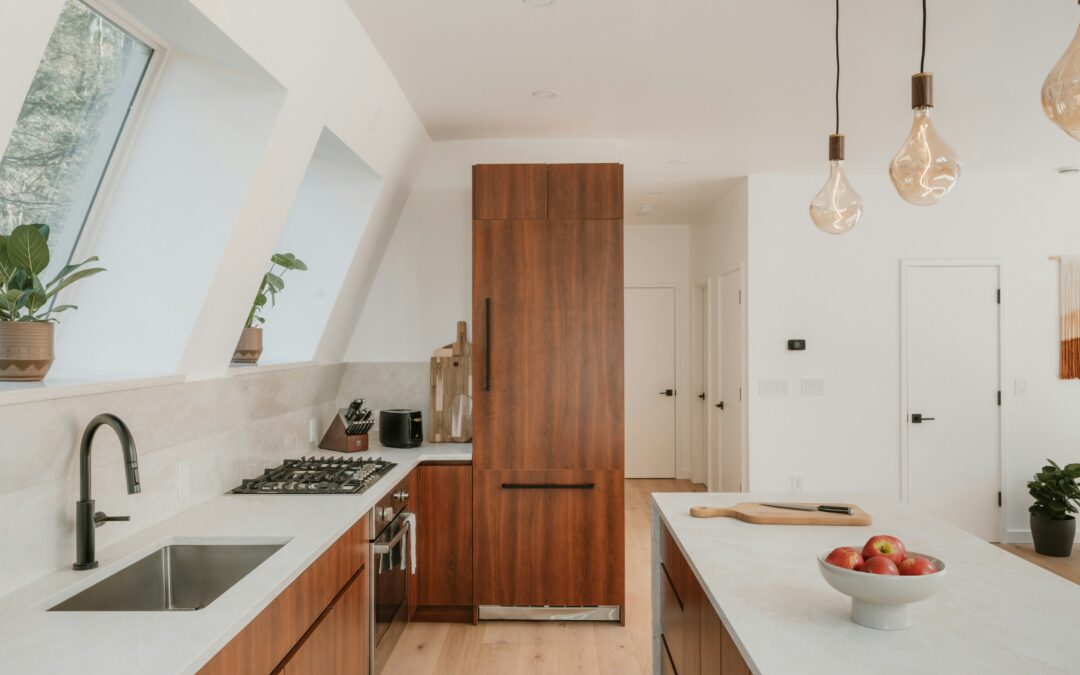
Kitchen cabinets can quickly become a frustration when they lack storage, feel outdated, or simply don’t fit your space. Poor layout, limited functionality, and mismatched finishes often make everyday use inefficient and visually unappealing.
At Ambiance Creations, we specialize in kitchen cabinet sales and installation, solving these challenges with thoughtful design, quality materials, and precise execution. The goal is to create a space that works effortlessly while reflecting your style.
This guide breaks down your options, from cabinet types and finishes to installation and planning, so you can move forward with clarity and confidence.
Kitchen Cabinet Sales And Installation: Options And Costs
Cabinets come in a wide range of construction types, styles, and finishes, and each of these factors influences both cost and how well the cabinets integrate into your space. Making the right selection requires balancing aesthetics, functionality, and your overall investment.
Your decision will ultimately depend on your design preferences, kitchen layout, and how customized you want the final result to be.
Types of Kitchen Cabinets Available
You’ll find four primary cabinet types in most showrooms, each offering a different level of customization and investment. Understanding how each option performs helps you choose the right fit for your space, timeline, and long-term goals.
- Stock Cabinets
Stock cabinets are pre-made in standard sizes and readily available, making them a practical choice for straightforward layouts and faster timelines. They are widely accessible and ideal when efficiency and simplicity are priorities.
These typically range from $100 to $300 per linear foot, offering a reliable solution for projects that do not require extensive customization.
- Semi-Custom Cabinets
Semi-custom cabinets provide more flexibility by allowing adjustments in dimensions, finishes, and select design elements. This option bridges the gap between convenience and personalization, making it a strong choice for many homeowners.
They are ideal for those who want tailored features without committing to full custom work, and generally range from $150 to $650 per linear foot, with moderate lead times.
- Custom Cabinets
Custom cabinets are built specifically for your kitchen, with every measurement and detail tailored to your space. This level of craftsmanship allows for complete design freedom and optimal use of every inch.
While they range from $500 to $1,200 per linear foot, they deliver unmatched precision and a fully personalized result that aligns with both function and aesthetics.
- Ready-to-Assemble Cabinets
Ready-to-assemble cabinets arrive flat-packed and require on-site assembly, offering a more hands-on approach to kitchen cabinet sales and installation. They are often selected to reduce labor costs while maintaining design flexibility.
Although they require additional effort during installation, they can be a practical option for those comfortable with assembly and looking to streamline overall project costs.
Popular Cabinet Styles and Finishes
Shaker-style cabinets remain one of the most popular choices due to their clean lines and versatile design, allowing them to complement both traditional and modern kitchens. Their simplicity makes them a reliable option for long-term style appeal.
Flat-panel cabinets create a sleek, modern look with smooth surfaces and minimal detailing, while raised-panel cabinets introduce depth and a more classic aesthetic. Each style contributes a distinct character to the overall kitchen design.
White remains a leading finish because it enhances brightness and creates a sense of openness, while natural wood tones such as oak, maple, and walnut are increasingly favored for their warmth and texture. Gray cabinetry offers a contemporary alternative, and two-tone designs introduce contrast and visual interest without overwhelming the space.
Choosing the Right Cabinets for Your Space
Before selecting cabinets, it’s essential to measure your kitchen carefully and understand standard dimensions. Base cabinets are typically 24 inches deep and 34.5 inches tall, while wall cabinets are usually 12 inches deep, with height variations depending on ceiling height.
Storage planning plays a key role in functionality, as deep drawers improve access for cookware and pull-out shelves make hard-to-reach areas more usable. Features such as lazy Susans, spice racks, and drawer dividers can significantly enhance organization.
Your investment level will guide your final choice: stock cabinets offer simplicity and affordability, while semi-custom and custom options provide greater flexibility and personalization.
The Kitchen Cabinet Installation Process
Kitchen cabinet sales and installation involve more than simply mounting cabinets; they require careful planning, precise measurements, and proper sequencing to ensure a durable, seamless result. A well-executed installation directly impacts both performance and longevity.
Most installations take about a week to complete, although custom cabinetry may require several weeks of fabrication before installation even begins.
Preparing Your Kitchen for Installation
The process begins by clearing out existing cabinets and removing fixtures to create a clean, accessible workspace. This step ensures that installers can work efficiently and safely throughout the project.
Wall studs should be located and marked to provide secure anchoring points, while surfaces must be clean, dry, and level to support proper installation. Plumbing and electrical connections should be disconnected where necessary, and protective coverings should be used to safeguard floors and appliances.
Setting up a temporary kitchen space can help maintain daily routines during the installation period, minimizing disruption to your household.
Step-by-Step Installation Overview
Installers typically begin with upper cabinets, as this approach allows unobstructed access to the wall and reduces the risk of damaging base units during installation. Establishing a level reference line ensures consistency throughout the process.
Wall cabinets are installed by attaching a ledger board for support, starting in a corner, and securing each unit to wall studs while using shims to maintain alignment. This step ensures stability and a clean, even appearance.
Base cabinets are then installed starting from a corner, with each unit carefully leveled front-to-back and side-to-side. Cabinets are clamped together before being secured to both the wall and adjacent units, creating a unified structure.
Once all cabinets are in place, trim, molding, and hardware are added, and doors and drawers are adjusted to ensure smooth and precise operation.
What to Expect During Installation
A professional installation team typically works with specialized tools such as drills, levels, clamps, and shims to achieve accurate results. The process involves noise and dust, and access to the kitchen will be limited during this time.
Most installations are completed within three to five days, depending on the project’s size and complexity; larger or more detailed kitchens require additional time.
A final walkthrough is conducted to confirm that all components function properly and meet expectations, ensuring that any necessary adjustments are made before completion.
Custom Cabinet Design Options
Custom cabinetry provides complete control over both the appearance and functionality of your kitchen, allowing you to create a space that reflects your lifestyle and design vision.
Tailored Cabinet Solutions
Custom cabinets are designed to fit your kitchen precisely, eliminating gaps and maximizing every inch of available space. This approach ensures a seamless integration with your layout, even in challenging configurations.
They are particularly effective for kitchens with unique features such as angled walls, varying ceiling heights, or unconventional layouts. Designers often provide detailed plans and 3D renderings, allowing you to refine the design before production begins.
Upgrading Storage and Functionality
One of the main advantages of custom cabinetry is the ability to incorporate storage solutions tailored to your needs. These features improve efficiency and make everyday tasks more convenient.
Options such as deep drawers with soft-close mechanisms, pull-out waste systems, and corner storage solutions help optimize space while maintaining a clean appearance. Additional features like appliance garages and built-in charging stations enhance both functionality and organization.
Cabinet heights and configurations can also be adjusted to suit your preferences, ensuring that the kitchen works comfortably for everyone who uses it.
Selecting Materials and Hardware
Material selection plays a critical role in both durability and visual appeal, with options such as maple, oak, cherry, and hickory offering distinct grain patterns and finishes. Choosing the right material ensures long-term performance and style consistency.
Door styles, including shaker, flat-panel, and glass-front designs, influence the overall aesthetic, while hardware selections such as soft-close hinges and drawer slides improve usability and longevity.
Handles and knobs serve as finishing details that tie the entire design together, contributing to both function and visual cohesion.
Budgeting and Pricing for Kitchen Cabinets
Cabinet costs can vary widely depending on materials, design complexity, and installation requirements, making it important to plan your investment carefully. Understanding these factors helps you make informed decisions without compromising quality.
Most homeowners invest between $2,000 and $13,000 in cabinetry, with labor typically adding 15 to 25 percent to the total project cost.
Factors Affecting Cabinet Costs
The type of cabinet selected is the primary factor influencing cost, as stock cabinets are more accessible while custom options require a higher level of investment due to their tailored nature.
Material choice also impacts pricing, with laminate offering a more economical option and solid wood providing increased durability and visual appeal. Premium materials further elevate both cost and overall finish.
Kitchen size directly affects total cost: larger layouts require more materials and labor, and complex installations involving angles or specialized features increase the time and expertise required.
Regional labor rates can also influence pricing, making it important to consider local conditions when planning your project.
Tips for Saving on Kitchen Cabinet Projects
Selecting stock cabinets and standard sizes can help reduce overall costs while still achieving a functional and attractive result.
Refacing existing cabinets is another effective strategy, allowing you to update the appearance by replacing doors and drawer fronts while retaining the original cabinet boxes.
Exploring discontinued styles or showroom displays may present additional opportunities for savings without compromising quality. Handling preparation tasks independently can reduce labor time, although professional installation remains essential to ensure accuracy and durability.
Post-Installation Care and Maintenance
Proper maintenance is essential for preserving the appearance and performance of your cabinets, ensuring they continue to function effectively for years to come.
Cleaning and Protecting Cabinets
After installation, surfaces should be cleaned using a soft cloth, mild soap, and warm water to remove any dust or residue. This initial cleaning helps protect finishes and maintain their appearance.
For ongoing care, a damp cloth, followed by drying, prevents moisture damage, while avoiding harsh chemicals ensures finishes remain intact. Promptly addressing spills further reduces the risk of staining or warping.
Additional protective measures, such as using drawer liners, installing soft-close mechanisms, and minimizing exposure to heat and moisture, help extend the lifespan of your cabinets. Periodic use of appropriate cleaners or conditioners can also maintain their finish.
When to Repair or Replace Cabinets
Minor issues such as loose hinges, misaligned doors, or small surface scratches can typically be repaired with minimal effort, helping maintain both function and appearance.
However, more significant problems, such as warping, water damage, or structural failure, may require full replacement to restore usability and safety. Regular inspections allow you to identify and address issues early, preventing more extensive damage and preserving your investment over time.
Stop Settling for Cabinets That Don’t Work
Outdated cabinets, poor storage, and awkward layouts can make your kitchen frustrating to use every day. When function and style fall short, the entire space feels less efficient and less enjoyable.
The right approach to kitchen cabinet sales and installation solves these issues by improving flow, maximizing storage, and elevating the overall design. Small changes in layout and materials can make a significant difference in how your kitchen performs.
At Ambiance Creations, we focus on creating solutions that feel intentional and refined. Get in touch to transform your kitchen into a space that truly works for you.
Frequently Asked Questions
What is included in kitchen cabinet sales and installation?
Kitchen cabinet sales and installation typically include design consultation, cabinet selection, measurements, delivery, and professional installation. It may also involve the removal of existing cabinets, adjustments for plumbing and electrical, and final alignment of doors and drawers.
Working with a full-service provider ensures that every step, from planning to completion, is handled with consistency and attention to detail.
How long does cabinet installation usually take?
Most standard installations take between three and five days, depending on the size and complexity of the kitchen. Custom cabinetry may extend the overall timeline due to fabrication, which can take several weeks before installation begins. Proper planning and preparation can help keep the process efficient and minimize disruptions.
Are custom cabinets worth the investment?
Custom cabinets are a strong investment if you want a precise fit, tailored storage, and a unique design. They maximize space and allow for features that improve everyday functionality. While they require a higher initial investment, the long-term benefits in durability and usability often justify the cost.
Can I install kitchen cabinets myself?
While it is possible to install cabinets yourself, it requires precision, proper tools, and experience to ensure they are level, secure, and aligned. Mistakes during installation can affect both appearance and functionality. Professional installation is recommended to achieve a high-quality, long-lasting result.
What cabinet style is best for resale value?
Neutral and timeless styles, such as shaker cabinets in white or natural wood finishes, tend to appeal to a broader range of buyers. Clean lines and functional layouts are key factors that support resale value. Choosing a balanced design ensures your kitchen remains relevant over time.
How do I maintain my kitchen cabinets after installation?
Regular cleaning with a soft cloth and mild solution helps preserve the finish and prevent buildup. Avoid harsh chemicals and excessive moisture, as they can damage surfaces. Routine inspections and minor adjustments, such as tightening hardware, will help extend the lifespan of your cabinets and maintain their performance.