
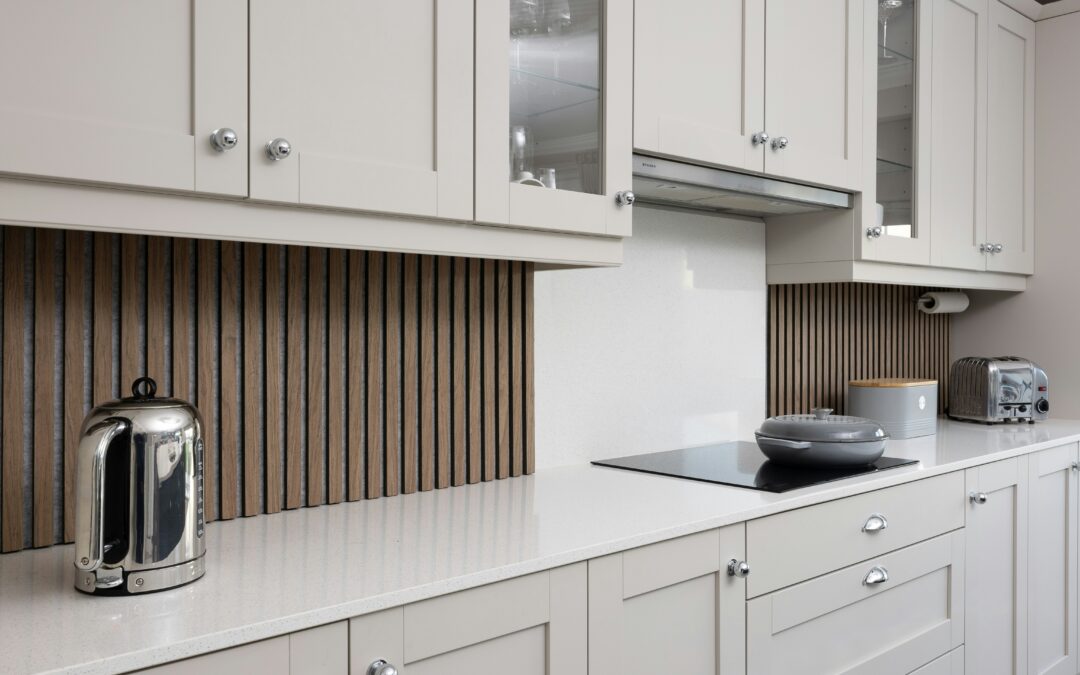
Custom cabinet installation solves one of the most common frustrations in any kitchen: wasted space and poor functionality. Standard cabinets often leave gaps, limit storage, and fail to match how you actually live and cook.
At Ambiance Creations, every design is built to fit your space precisely, improving flow, storage, and everyday use. The result is a kitchen that feels organized, efficient, and tailored to you.
In this guide, you’ll discover how custom cabinet installation works, what to expect during the process, and how to create a space that truly performs.
What Is Custom Cabinet Installation?
Custom cabinet installation is the process of creating cabinetry from scratch based on your space and preferences. Each piece is crafted to match exact dimensions, ensuring a precise and tailored fit.
The process begins with detailed measurements and design planning. You work closely with a professional to select materials, finishes, colors, and hardware that align with your vision. Once built, the cabinets are installed with precision. Installers ensure everything is level, secure, and properly aligned, delivering a final result that performs well and looks polished.
Benefits of Custom Cabinets
Custom cabinets eliminate wasted space and awkward gaps, allowing every corner to be used efficiently. This level of precision enhances both storage capacity and overall functionality.
You also gain flexibility in materials, finishes, and features. Options such as pull-out shelves and built-in organizers make daily use more convenient and tailored to your needs.
Quality craftsmanship typically exceeds mass-produced alternatives. This results in stronger construction, improved durability, and long-term value for your home.
Custom vs. Stock Cabinets at a Glance
Choosing between stock cabinets and custom cabinet installation comes down to priorities like fit, design flexibility, and long-term performance. The table below highlights the key differences to help you make a more informed decision.
| Category | Stock Cabinets | Custom Cabinet Installation |
| Price | Lower upfront cost | Higher investment with long-term value, durability, and performance |
| Timeline | Faster availability and installation | Longer process due to design, fabrication, and precise installation |
| Fit | Standard sizes may leave gaps or unused space | Built to exact dimensions for a seamless, space-maximizing fit |
| Design | Limited styles and finishes | Extensive flexibility to match your vision and functional needs |
Planning and Preparing for Your Project
Proper planning is essential for a successful custom cabinet installation. Accurate measurements and thoughtful material selection help avoid delays and ensure a smoother process from start to finish.
By making informed decisions early, you can prevent costly changes later. This stage sets the foundation for both the functionality and visual outcome of your space.
Measuring Your Space
Accurate measurements are the foundation of custom cabinet installation. It is important to measure width, height, and depth at multiple points, since walls and floors are rarely perfectly straight.
You should also note the placement of outlets, plumbing, windows, and fixtures. These elements directly impact cabinet layout and installation.
Taking photos and documenting all dimensions clearly will help guide design decisions. This preparation ensures better accuracy and fewer adjustments during installation.
Selecting Cabinet Materials
Material selection plays a major role in both durability and appearance. Solid wood offers strength and can be refinished, making it a long-lasting option.
Plywood provides excellent stability and resists warping, especially in humid environments. MDF is a reliable choice for painted finishes and offers a smooth surface.
Choosing materials suited for kitchens and bathrooms is essential due to their exposure to moisture. High-quality hardware also contributes to long-term performance and ease of use.
Design Considerations
Your cabinet design should reflect how you use your space daily. Features like deep drawers improve access to cookware, while pull-out systems make corner storage more functional.
Cabinet height and layout should align with user comfort to avoid wasted space. Thoughtful planning ensures that every element serves a purpose.
Door styles and finishes play a key role in the overall aesthetic. Selecting options that complement countertops and flooring creates a cohesive and visually balanced space.
Learn about open-shelving cabinets: stylish storage for modern homes.
Step-by-Step Custom Cabinet Installation Process
Custom cabinet installation requires precision, planning, and the right tools. Following a structured approach helps ensure consistent results and a professional finish.
Each step builds on the previous one, making accuracy and attention to detail essential throughout the process.
Tools and Materials
A successful installation requires essential tools such as a level, a drill, a stud finder, a measuring tape, and clamps. These tools help ensure proper alignment and secure placement.
Shims are used to fine-tune cabinet positioning, while appropriate screws anchor cabinets to wall studs and connect units together.
Safety gear, including gloves and protective eyewear, is also important. A laser level can further improve efficiency by providing consistent reference lines.
Site Preparation and Safety
Preparing the site is a critical first step in custom cabinet installation. This includes removing old cabinets, clearing the workspace, and repairing any wall imperfections.
Electrical connections should be turned off in the work area, and stud locations must be clearly marked. Establishing level reference lines ensures accurate placement.
These preparation steps create a stable and organized environment, allowing the installation process to move forward smoothly.
Setting the Base Cabinets
The installation process typically begins with base cabinets, starting in a corner if one is present. Each cabinet must be checked for level alignment before securing it in place.
Shims are used to adjust positioning, ensuring a precise fit. Cabinets are then anchored to wall studs and connected to adjacent units for stability.
Working methodically across the space ensures consistency. Maintaining level alignment throughout this stage is essential for a professional result.
Installing Wall Cabinets
Wall cabinets are installed before countertops to allow easier access and alignment. A temporary support ledger provides stability during placement.
Installation begins with a corner cabinet, followed by additional units that are aligned and secured together. Each cabinet must be checked for level and plumb positioning.
Once all units are installed, fasteners are tightened, and stability is verified. This ensures a secure and long-lasting installation.
Finishing Touches for Installed Cabinets
The final stage of custom cabinet installation focuses on refining details. These finishing touches ensure smooth operation and a polished appearance.
Attention to detail during this phase enhances both usability and visual appeal, completing the overall design.
Adjusting Doors and Drawers
Cabinet doors and drawers often require adjustment after installation. Hinges can be fine-tuned to ensure proper alignment and consistent spacing.
Small adjustments should be made gradually to achieve the desired fit. Proper alignment improves both functionality and overall aesthetics.
Caulking and Sealing
Caulking is used to fill gaps between cabinets and surrounding surfaces. This creates a clean, built-in look that enhances the final presentation. In moisture-prone areas, silicone caulk is recommended for better durability. Allow sufficient drying time before regular use.
Installing Hardware
Hardware such as knobs and handles should be installed with consistent spacing and alignment. Using templates can help ensure accuracy across all cabinets.
Pilot holes should be drilled to prevent material damage. Hardware must be secured firmly while avoiding over-tightening.
Explore cabinet finishes for a perfect kitchen look.
Maintaining and Caring for Custom Cabinets
Proper maintenance helps preserve the beauty and functionality of your cabinets. With regular care, custom cabinet installation continues to deliver value for years. Simple routines and periodic inspections can prevent damage and extend the life of your cabinetry.
Cleaning Recommendations
Cabinets should be cleaned regularly using a soft cloth and a mild soap solution. Wiping in the direction of the grain helps maintain the finish. Harsh chemicals and abrasive materials should be avoided. Surfaces should always be dried thoroughly to prevent moisture damage.
Routine Inspections
Routine inspections should be performed every few months to identify potential issues. Hinges, drawer slides, and hardware should be checked for wear or looseness. Early detection of minor problems helps prevent more significant repairs. Areas near water sources require extra attention.
Repairing Minor Damage
Minor scratches can be repaired using touch-up markers or fillers that match the cabinet finish. Loose hardware should be tightened to maintain stability. Replacing worn components, such as drawer slides, can restore functionality. These small repairs help maintain both performance and appearance.
Designed to Fix What Your Kitchen Lacks
Custom cabinet installation eliminates the frustration of cluttered storage, awkward layouts, and cabinets that simply do not fit your space. Instead of working around limitations, your kitchen is designed to support how you actually live and cook.
With the right planning and craftsmanship, every inch becomes functional, organized, and visually cohesive. You gain storage where you need it most, along with a layout that improves daily flow and usability.
At Ambiance Creations, each project is tailored to solve these exact challenges with precision and care. Get in touch to create a kitchen that finally works the way it should.
Frequently Asked Questions
What is included in a custom cabinet installation?
Custom cabinet installation includes measuring your space, designing the layout, selecting materials, fabricating the cabinets, and completing professional installation. It also involves final adjustments such as aligning doors, installing hardware, and ensuring everything functions properly.
How long does a custom cabinet installation take?
The timeline for custom cabinet installation varies depending on the size and complexity of the project. Design and fabrication can take several weeks, while installation typically takes a few days once the cabinets are ready.
Are custom cabinets worth the investment?
Custom cabinet installation is a long-term investment that improves both functionality and value. You get better use of space, higher-quality materials, and a design tailored specifically to your needs, which often leads to greater durability and satisfaction.
Can custom cabinets be installed in bathrooms as well?
Yes, custom cabinet installation works well in bathrooms. It allows you to maximize storage in smaller spaces while selecting materials that handle moisture and humidity effectively.
What materials are best for custom cabinets?
The best materials depend on your space and design goals. Solid wood offers durability, plywood provides stability in humid environments, and MDF works well for painted finishes. Choosing the right material ensures long-term performance.
Do I need to hire a professional for installation?
While some homeowners attempt installation themselves, professional custom cabinet installation ensures precise measurements, proper alignment, and secure mounting. This reduces the risk of errors and improves the final result.
How do I maintain my custom cabinets?
Regular cleaning with a soft cloth and mild soap helps maintain your cabinets. Periodic inspections and minor adjustments, such as tightening hardware or fixing alignment, will keep your cabinets functioning and looking their best.