
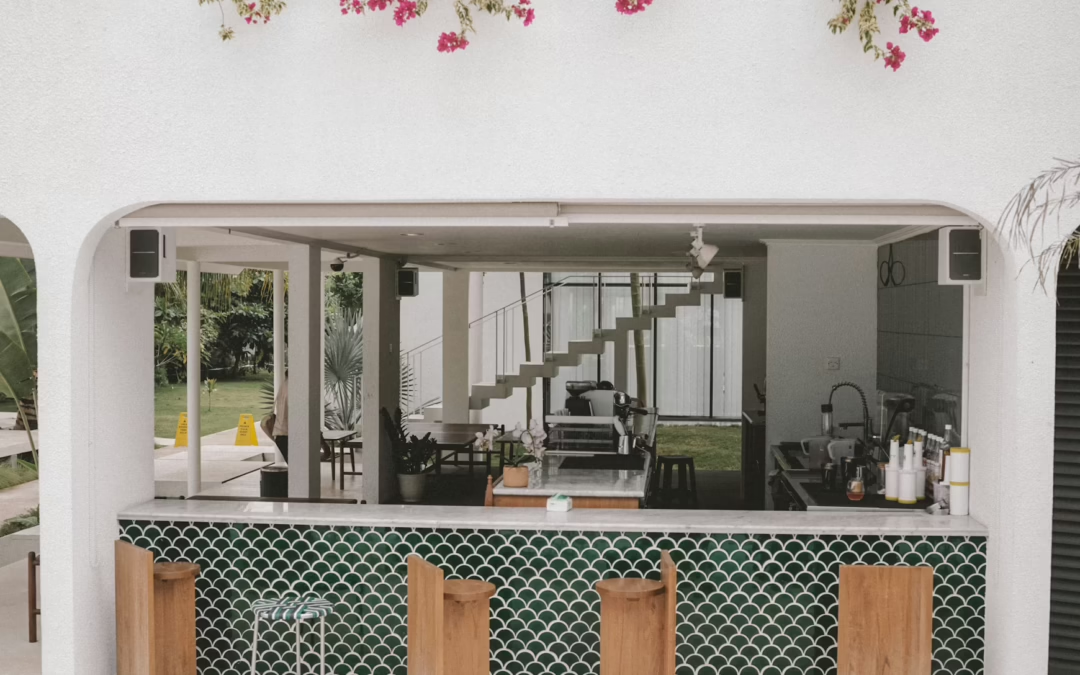
You want a luxury outdoor kitchen that reflects your lifestyle in Southwest Florida, where outdoor living feels natural year-round. Your space should balance refined design with effortless functionality for cooking, entertaining, and relaxing.
At Ambiance Creations, we approach each outdoor kitchen with a focus on craftsmanship, material integrity, and seamless integration with coastal environments. We design with humidity, sun exposure, and indoor-outdoor flow in mind to ensure your space performs beautifully over time.
In this guide, you’ll explore layout strategies, premium materials, appliance planning, and essential utilities that define a high-end outdoor kitchen. Each decision shapes how your space looks, feels, and functions, making thoughtful planning worth your time.
Core Design Principles
A truly great outdoor kitchen comes down to two things: a design that looks amazing and a layout that actually works. If you miss either, you might end up with a space that just sits there, unused.
Balancing Style With Everyday Function
It’s easy to get caught up in how everything looks, but function should always come first. Think about how often you’ll cook outside, what you like to make, and how many people usually show up.
Countertop height, where you put appliances, and how you handle storage all need to support real-life cooking. If your island is too far from the grill or you run out of prep space, you’ll notice.
Keep your go-to tools and ingredients close to the cooking zone. Tuck trash and cleaning supplies nearby but out of sight. Function wins every time in a kitchen you’ll actually use.
Matching the Space to Architecture and Landscape
Your outdoor kitchen should feel like it belongs there—not like it just landed from another planet. Match your materials, colors, and lines to your home’s style.
Mediterranean homes look great with natural stone and arches. Modern homes? Go for clean lines, stainless steel, and maybe some concrete or porcelain.
Take the landscape into account, too. Work with the existing slopes, trees, and views. Face your kitchen toward a garden, pool, or open sky so it feels connected rather than tacked on.
Layout and Entertaining Flow
Layout affects everything: how easy it is to cook, how guests move around, how the whole thing feels. Typical setups include L-shaped, U-shaped, straight-line, and island designs. Each works best for different yard sizes and how you like to entertain.
Cooking, Prep, and Serving Zones
Picture your outdoor kitchen in three zones: cooking, prep, and serving. Keep them close, but not overlapping.
- Cooking zone: Grill, side burners, pizza oven, smoker—this is where the magic happens. Put it away from the seating so guests aren’t stuck in the smoke.
- Prep zone: Countertop space, sink, cutting board, fridge access. It should sit right between cooking and serving.
- Serving zone: A bar or counter where dishes land, drinks are poured, and guests can grab what they need without crowding you.
If you’ve got the space, a U-shape naturally fits all three zones. Smaller yards? An L-shape keeps things tight but still works.
Seating Strategies for Guests and Hosts
Where you put the seating makes a huge difference. A raised bar along one side of the kitchen island lets you chat with guests while you cook, always a win.
For larger parties, add a dining table near the serving area. Make sure there’s at least 36 inches behind chairs so people can actually move.
Built-in benches along walls or planters save space and add a custom vibe. Mix up your seating—some for casual hangs, some for sit-down dinners.
Premium Appliances and Features
Your appliance choices set the tone for what you can actually do outside. With pro-level gear, you can handle anything from slow-smoked brisket to ice-cold cocktails, just like inside.
Built-In Grills, Side Burners, and Specialty Cooking
The built-in grill is usually the star. Look for at least 60,000 BTUs and a cooking surface of at least 700 square inches if you’re feeding a crowd.
Here are some top cooking features worth considering:
| Feature | Best For |
| Built-in gas grill | Every day grilling and searing |
| Side burner | Sauces, soups, and side dishes |
| Wood-fired pizza oven | Pizza, bread, roasted vegetables |
| Built-in smoker | Low-and-slow barbecue |
| Flat-top griddle | Breakfast items, stir-fry, smash burgers |
| Infrared sear burner | High-heat finishing on steaks |
Go for 304-grade stainless steel for anything exposed to the weather. It resists rust and lasts for years with just a little care. A dedicated natural gas line saves you from swapping propane tanks and keeps costs down over time.
Refrigeration, Ice, and Beverage Stations
Outdoor-rated fridges keep your food fresh and drinks cold, so you’re not running inside all the time. A separate beverage zone? It’s one of the best upgrades for guests.
Consider placing an undercounter fridge near your prep zone and a separate beverage cooler or kegerator near the serving area. An ice maker doesn’t cost much but makes hosting way easier in the summer.
Outdoor wine units keep bottles at the right temp, even when it’s hot or cold out. If you entertain a lot, a three-tap kegerator or built-in cocktail station really steps things up.
Materials Built for High-End Outdoor Use
Material choices can make or break your kitchen’s look and how long it actually lasts. Pick stuff that stands up to weather, stains, and fading without needing constant attention.
Cabinetry, Countertops, and Finishes
For cabinets, marine-grade stainless steel and high-density polyethylene (HDPE) are your best bets. Both fight off moisture, warping, and bugs. Stainless steel cabinets come in powder-coated colors to fit almost any style.
Popular countertop picks:
- Granite: Handles heat, looks great, tons of colors. Just remember to seal it once a year.
- Quartzite: Even harder than granite, with a sleek look. It stands up to heat and weather.
- Porcelain slabs: UV- and stain-resistant, barely any maintenance.
- Concrete: Custom shapes and colors, but you’ll need to reseal it now and then.
Skip interior-rated quartz for outdoor use—UV can wreck it over time. For accents, natural stone veneer, sealed reclaimed wood, and Corten steel add texture and character. They also hold up in most climates.
Weather Resistance and Maintenance Expectations
Everything you pick needs to handle your local climate. Freeze-thaw cycles crack porous stone if you don’t seal it. Strong sun fades unsealed wood and some composites.
Wipe down stainless steel regularly to avoid water spots and corrosion, especially near the coast. Stone and concrete counters need resealing every year or two.
Plan to spend a few hours each season cleaning and checking your surfaces, hardware, and grout. Catching little problems early saves you big money. Investing in better materials up front really cuts down on future headaches.
Utilities, Lighting, and Climate Control
Utilities and comfort features turn a basic spot into a real outdoor room. Plan these early; adding them later is a pain and costs way more.
Gas, Water, Drainage, and Electrical Planning
Every luxury outdoor kitchen needs four main utility hookups:
- Natural gas line: Feeds your grill, burners, fire features, and heaters. A dedicated line keeps pressure steady.
- Water supply: Hot and cold water at your sink makes prep and cleanup way easier. A pot filler by the grill is a nice touch.
- Drainage: Slope a drain under the sink and put a floor drain by the cooking zone to avoid puddles.
- Electrical: Dedicated circuits for fridges, lighting, outlets, smart-home gear. Use GFCI-protected outdoor outlets.
Bring in licensed pros for all utility work. Permits are usually required, and inspections keep you safe and protect your home’s value.
Task Lighting, Ambient Lighting, and Comfort Upgrades
You’ll want at least two types of lighting: task lighting for cooking and prep, and ambient lighting for dining and lounging.
LED strip lights under counter overhangs light up your workspace without blinding you. Hang pendant lights over bars or tables for a cozy vibe.
Ceiling fans help with airflow under covers. Infrared patio heaters let you use the space in the cooler months without the hassle of a wood fire. Motorized louvered pergolas? They let you tweak shade and breeze throughout the day—super handy if your sun exposure changes a lot.
Budget, Installation, and Long-Term Value
A luxury outdoor kitchen usually runs between $40,000 and $100,000+, depending on size, materials, and appliances. Where you spend your money matters more than you might think.
Where to Invest for Lasting Performance
Not every part deserves the same budget. Here’s where it really counts:
| High-Priority Investment | Why It Matters |
| Cooking appliances | You use them every time; quality affects food and durability |
| Countertops | Exposed to weather, heat, and heavy use daily |
| Utility infrastructure | Difficult and costly to change after the build |
| Cabinetry materials | Cheap cabinets fail fast outdoors |
You can save on things like decorative lighting, removable furniture, and non-structural facades, as they’re easy to swap out later.
A solid outdoor kitchen can add 60 to 80 percent of its cost back to your home’s value, especially in warmer parts of the U.S.
Working With Designers, Builders, and Contractors
A project this complex really needs a team. Start with an outdoor kitchen designer or maybe a landscape architect who knows their way around outdoor living spaces.
These pros can help you dodge layout mistakes and coordinate with your builder. It’s worth the investment up front.
Always get at least three detailed bids before picking a contractor. Make sure each bid breaks down costs for materials, labor, appliances, and utility work separately, so you can actually compare.
If you can, go see completed projects in person—don’t just rely on photos. Look for clean grout lines, level countertops, and cabinetry that feels solid.
Those little details say a lot about the quality of their work. It’s the stuff you notice later if it’s not done right.
Set a realistic timeline. Most custom outdoor kitchens take anywhere from 8 to 16 weeks after design approval, depending on permits and material availability.
Trying to rush it? That almost always leads to compromises you’ll probably regret. Sometimes you just have to let the process play out.
Your Southwest Florida Outdoor Living, Elevated
A well-designed luxury outdoor kitchen brings together thoughtful planning, durable materials, and seamless flow for everyday living. When each element works in harmony, your space feels refined, functional, and built for lasting enjoyment.
At Ambiance Creations, we deliver a white-glove design-build experience tailored to homes in Southwest Florida, where climate and lifestyle shape every detail. We coordinate every phase with precision so your outdoor kitchen feels cohesive, elevated, and effortless to use.
Your outdoor space deserves the same level of intention as your interior. Get in touch to begin designing a kitchen that enhances how you live and entertain outdoors.
Frequently Asked Questions
What should you include in a luxury outdoor kitchen in Southwest Florida?
A luxury outdoor kitchen in Southwest Florida should include high-performance appliances, durable cabinetry, and climate-resistant materials. You’ll want a built-in grill, refrigeration, ample prep space, and shaded seating for comfort. Designing for humidity, sun exposure, and airflow ensures your kitchen performs beautifully year-round.
How do you choose materials that withstand coastal humidity and heat?
You should select marine-grade stainless steel, porcelain, or natural stone that resists moisture and UV exposure. These materials hold up against salt air, strong sun, and frequent use without fading or warping. Regular sealing and light maintenance keep surfaces looking refined over time.
Why is appliance-first planning important for outdoor kitchen design?
Appliance-first planning ensures your layout supports how you cook and entertain from the start. When you position grills, sinks, and refrigeration early, you create efficient zones that improve flow and usability. This approach also prevents costly changes during installation.
How long does it take to complete a luxury outdoor kitchen project?
Most luxury outdoor kitchen projects take 8 to 16 weeks after design approval, depending on scope and permitting. Timelines vary based on material availability, utility work, and customization details. Proper planning and coordination help keep your project on schedule.
What utilities are required for a fully functional outdoor kitchen?
You’ll need gas, water, drainage, and electrical connections to support cooking, cleaning, and lighting. These utilities allow your kitchen to function like an indoor space with added convenience outdoors. Professional installation ensures safety and long-term performance.
How do you create a comfortable outdoor kitchen for year-round use in Florida?
You can add covered structures, ceiling fans, and infrared heaters to maintain comfort in changing weather. Proper lighting and ventilation also improve usability during evenings and warmer months. These features extend how often you enjoy your outdoor space.
Is a luxury outdoor kitchen a good investment for your home in Southwest Florida?
Yes, a luxury outdoor kitchen enhances both your lifestyle and your home’s long-term value in Southwest Florida. It creates a natural gathering space while increasing appeal in a market that prioritizes outdoor living. View our work to explore how thoughtful design can elevate your home.