
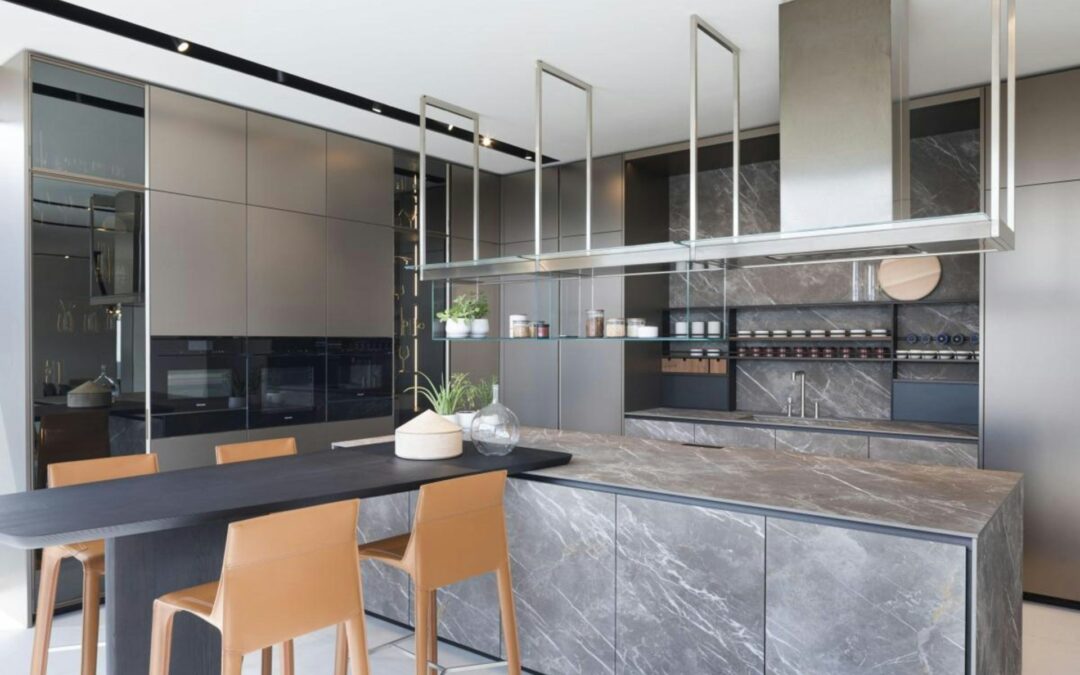
Remodeling your home is a major step that can refresh how you live every day. Whether you want a new kitchen, a spa-style bath, or a full-home update, thoughtful homeowners’ remodeling plans make all the difference.
With Ambiance Creations, you can align design, function, and materials that suit Southwest Florida’s coastal climate, so every space feels intentional and long-lasting.
In this guide, you will find practical homeowners’ remodeling tips on planning, investment, design, energy efficiency, and maintenance, so you can move from ideas to a smooth, stress-free upgrade.
Planning Your Homeowners Remodeling Project
Starting a remodeling project means making clear plans about what you want, how much you will invest, and when the work will happen. Choosing the right mix of projects helps you focus on what matters most for your home’s comfort and value.
Setting Realistic Goals
It is important to know exactly what you want from your remodel. Think about how you use your home daily and how homeowners’ remodeling goals can support those routines.
Are you looking to improve storage, update style, or increase function? Clear goals help you and your design team stay on track. Write down your priorities so you can make balanced decisions as the project progresses.
For example, if cooking is a passion, a kitchen upgrade focused on smart storage and better lighting might top your list. If relaxing spaces matter most, a bath remodel could be the focus.
Sometimes, goals include adding durable materials that stand up to Southwest Florida’s climate. Realistic goals help you avoid surprises later. Discuss what is feasible with your contractor, who combines design and practicality for long-lasting results.
Determining Your Investment
Your investment shapes what you can achieve. This means knowing what you are comfortable spending on materials, labor, and permits.
Start by researching costs for the work you want done and the quality of finishes you prefer. Single-room projects often can be paid with cash. Larger remodels might need financing or staged work.
It is wise to prepare for some extra costs for unexpected issues that come up during work. Create a clear plan for your investment by breaking down major expenses:
- Materials and finishes
- Labor and contractor fees
- Permits and inspections
- Contingency fund for surprises
Having this mapped out keeps your project moving smoothly and helps prevent delays or last-minute compromises.
Creating a Remodeling Timeline
A timeline helps you know when each step of your remodeling project starts and ends. It also helps you plan around daily living, especially if you are remodeling key spaces like kitchens or bathrooms.
Start by listing all phases: design, ordering materials, demolition, construction, and finishing touches. Some phases can overlap, but many need to happen in order so crews are not working on top of each other.
Allow time for inspections and permits. Be realistic about the time needed. Unexpected delays, like waiting for special materials or weather conditions, can push the schedule.
A trusted remodeling team can give you a clear schedule and update you regularly to keep things on time and reduce stress.
Choosing the Right Projects
Focus on projects that add the most comfort and function to your home. Consider what will improve your day-to-day life and what adds value to your house over time.
Think about these key areas:
- Kitchen: Improve storage, lighting, and durable surfaces for cooking ease.
- Bathroom: Upgrade materials that resist humidity and offer easy care.
- Outdoor spaces: Use weather-resistant cabinetry and grills for all-season entertaining.
- Living areas: Enhance flow, natural light, and storage to keep spaces open and usable.
Avoid trying to do everything at once. Prioritize projects based on your lifestyle and the most urgent needs. This focused approach makes homeowners’ remodeling more manageable and enjoyable.
Finding and Hiring Professionals
Finding the right experts for your remodel means checking licenses, comparing detailed bids, and carefully reviewing contracts. The process helps protect your investment and keeps your project on track.
Focus on professionals who communicate well and match your design goals and expectations.
Selecting a Licensed Contractor
Hiring a licensed contractor ensures your project meets safety codes and quality standards. Check that the license is current and valid in Southwest Florida, where specific rules apply.
Ask to see their insurance documents as well to avoid liability issues. Look for local experience, especially with Florida’s climate challenges like humidity and salt air.
Referrals from neighbors or testimonials can guide you to trustworthy professionals. A well-chosen contractor will offer clear timelines, punctuality, and respect for your home during work.
Comparing Remodeling Quotes
When you get quotes, do not just look at the price. Compare what each contractor includes, such as materials, labor, and permits.
Detailed estimates help you understand potential extras like specialty finishes or eco-friendly options. Request bids from at least three professionals.
This gives you a sense of market rates and helps you spot outliers. Keep communication open and ask questions to clarify differences so you know exactly what you are paying for.
Understanding Contracts and Agreements
Before any work begins, get everything in writing. A contract should list the project scope, start and end dates, payment schedule, and warranties.
Read all terms carefully to avoid surprises later. Be aware of change order policies, which outline how extra work or costs are handled.
Clear, honest communication during this phase is key. A solid contract protects both you and the contractor, making sure the remodel runs smoothly and finishes on time.
Design and Style Considerations
Your remodeling project should balance beauty, comfort, and practicality. Choosing the right style, updating to modern trends, and making the space work for your needs will create a home you love.
Incorporating Modern Design Trends
Modern design trends often focus on clean lines and a neutral color palette. White, beige, and soft grays create a bright, seamless look.
You might mix old and new elements for a transitional style, blending traditional comfort with sleek modern touches. Outdoor living has become more important for many homeowners remodeling in warm climates.
Consider spaces that flow from inside to outside, using weather-resistant materials for cabinetry and surfaces. Multi-use rooms, such as kitchens with flexible seating or workspaces, add value and convenience.
Choosing timeless materials like stone or engineered surfaces will keep your remodel looking fresh for years.
Maximizing Functionality
Function is key in any remodel. Think about how you use your space daily and what gets in the way of smooth routines.
Smart storage solutions keep clutter out of sight but within easy reach. In kitchens and baths, built-in organizers and clever cabinetry designs can make a big difference.
Early planning of appliances is important. Selecting your appliances first helps guide cabinetry size and layout. This avoids costly changes later and ensures everything fits perfectly.
Creating clear pathways and well-lit work zones improves safety and ease. Your remodel should make life easier, not more complicated.
Personalizing Your Space
Your home should reflect your personality. Start by identifying your favorite styles, colors, and materials.
Whether you prefer bold accents or a subdued, natural look, personal touches make your remodel unique. Incorporate meaningful collections, artwork, or special finishes.
Mixing textures, like wood with stone or metal, adds depth. Lighting plays a key role, so choose fixtures that complement your style and create the right mood.
Listening to your lifestyle guides every decision. From casual family dinners to elegant entertaining, your space should feel like you.
Permits, Codes, and Regulations
When you remodel your home, understanding the rules and paperwork involved is crucial. You need to meet safety standards and avoid delays or fines.
This means knowing the local building codes and securing the right permits before starting any major project.
Knowing Local Building Codes
Local building codes are a set of rules that guide how your home renovation must be done. These codes ensure work is safe, energy-efficient, and up to date with current standards.
They cover everything from electrical wiring and plumbing to structural changes and fire safety. You can usually find these codes through your city or county’s building department.
Knowing them helps you plan your remodel correctly and avoid expensive corrections later. When you hire a team, make sure they are experienced in navigating these codes, especially in Southwest Florida, where special rules may apply due to humidity and coastal conditions.
Acquiring Necessary Permits
Before starting your remodel, you must get permits from your local government. Permits give official approval for your project, showing it meets building codes and zoning laws.
Without them, you risk fines, stop-work orders, or problems when selling your home. Typical projects needing permits include room additions, electrical or plumbing work, structural changes, and major roof or window replacements.
Applying for permits involves submitting plans and paying fees, then having inspections at various stages. Always check with your local building office about which permits you need for your specific remodel.
Popular Remodeling Projects for Homeowners
Many homeowners focus on upgrading spaces where they spend the most time or want to add value. These projects often involve kitchens, bathrooms, basements, or adding new rooms.
Each project improves daily living and can increase your home’s long-term appeal.
Kitchen Upgrades
Your kitchen is the heart of your home. Upgrading it with smart storage, eco-friendly materials, and durable surfaces can make cooking and gathering more enjoyable.
Popular kitchen remodels include new cabinetry, countertops, and lighting. Many homeowners choose to select appliances early in the process so the design fits perfectly around them.
This approach helps avoid costly adjustments later. You might also add functional features like large islands, deeper sinks, and energy-efficient fixtures.
Bathroom Renovations
Bathroom renovations often aim to combine style with ease of maintenance. You can update surfaces, fixtures, sinks, and hardware to create a spa-like retreat that is still easy to keep clean.
Adding smart storage and better lighting can improve daily routines. Many homeowners pick materials that resist moisture and last long in humid Florida climates.
A walk-in shower or freestanding tub creates a luxurious feel without overwhelming the space. You can also coordinate with trusted partners for plumbing, tiling, and fixtures to make sure everything flows smoothly from demo to finish.
Basement Finishing
If your home has a basement, finishing this space can add comfort and functionality. By adding drywall, flooring, and lighting, you create a new living area for guests, hobbies, or home offices.
Basements benefit from good ventilation and moisture control because of Florida’s climate. When finished well, this space can be warm and inviting.
Practical layouts and multi-use designs help you get the most from this upgrade. Think about adding built-in storage or smart lighting to enhance its usability.
Room Additions
Adding rooms expands your living space without moving. Whether you want an extra bedroom, a home office, or a sunroom, an addition can be designed to blend naturally with the rest of your home.
These projects require careful planning to match materials, style, and function. You might include large windows to let in natural light or extra storage to keep the new area tidy.
Energy Efficiency and Sustainability in Remodeling
Making your home more energy efficient and sustainable means better comfort and lower costs over time. You can focus on improving insulation, upgrading windows, and choosing materials that last longer and have less impact on the environment.
Upgrading Insulation
Insulation is key to keeping your home cool in Southwest Florida’s heat and warm during cooler months. Upgrading your insulation reduces air leaks and stops heat from passing through walls and attics.
Look for materials with a high R-value, which means better resistance to heat flow. Spray foam and rigid foam boards are good options because they seal gaps tightly.
Proper insulation means your air conditioner works less, saving energy and cutting bills. A well-insulated home also feels more comfortable year-round.
Installing Energy-Efficient Windows
Windows can let in a lot of heat, making your cooling system work harder. Installing energy-efficient windows is a smart move to reduce heat gain and keep your home comfortable.
Choose windows with double or triple-pane glass and low-E coatings. These coatings reflect infrared and UV rays but let in natural light.
Frame materials like fiberglass or vinyl resist warping in the humidity and sun of Southwest Florida. Proper installation is just as important as the windows themselves.
Professional fitting prevents air leaks and water damage. You will notice a quieter home, less fading on floors and furniture, and lower energy use.
Choosing Eco-Friendly Materials
Using eco-friendly materials means picking products that last longer and are less harmful to the environment. Look for options like reclaimed wood, bamboo, or recycled stone for floors and countertops.
Low-VOC paints and finishes improve indoor air quality by reducing harmful fumes. Engineered surfaces, like quartz, offer durability and easy care while resisting Florida’s humidity and salt air.
Homeowners Remodeling with Smart Spending
Remodeling can feel overwhelming, especially when trying to keep costs under control. Saving money means making smart choices about who does the work, what materials you pick, and which projects give you the most value.
DIY vs. Professional Help
Doing some work yourself can save money, but you need to be realistic about your skills. Simple tasks like painting, installing shelves, or swapping light fixtures can be a good place to start.
These projects reduce labor costs and give you some control. For major jobs like plumbing, electrical, or custom cabinetry, hiring professionals is safer and more efficient.
Experts can avoid costly mistakes and help with permits. You can save by mixing both approaches. Do small tasks yourself and leave the complex work to licensed contractors.
Cost-Saving Material Choices
Choosing the right materials affects your investment and the lasting beauty of your space. Instead of expensive marble, consider durable engineered stone or quartz for kitchen and bath surfaces.
These options are more resistant to Florida’s sun and humidity, yet still feel upscale. Look for materials designed for the local climate, like moisture-resistant cabinetry and finishes that handle salt air well.
Sometimes, subtle upgrades in hardware or fixtures can refresh a space without replacing everything.
Prioritizing Projects for Value
Not all remodels need to happen at once. Identify the projects that improve everyday life or boost your home’s value first.
Kitchens and bathrooms often offer the best return. Focus on improving layouts, storage, and lighting in these spaces.
Smaller updates like new cabinet fronts, fresh paint, or better appliances can make a big visual difference at a lower cost. Plan your investment in phases if needed to spread out expenses.
A clear plan helps you avoid overspending or doing unnecessary work and supports a smoother homeowners’ remodeling journey.
Managing the Remodeling Process
Keeping your remodel on track means clear communication, being ready for changes, and keeping safety top of mind. Staying proactive through every step helps avoid frustration and keeps your home transformation smooth and successful.
Communicating with Your Contractor
You should set expectations and maintain open, honest communication with your contractor from the start. Ask for regular updates on progress and any issues that come up.
This helps avoid surprises and keeps your project on schedule. Write down key decisions and agreements so they are easy to revisit later.
Use emails or messages to confirm discussions. This gives you a clear record that protects you and ensures everyone is on the same page.
If questions arise, do not hesitate to ask your contractor. Clear communication builds trust and quality results.
Handling Changes and Delays
Changes happen in every remodeling project. You may want to adjust a design or face unexpected issues like material delays. When this occurs, be flexible and address changes quickly to minimize impact. Ask your contractor how the change affects the timeline and costs before agreeing.
Get any updates in writing. Handling these shifts calmly avoids confusion later. If delays occur, such as weather or shipping hold-ups, use this time to review plans or select finishes. Staying patient and proactive lets you manage setbacks without stress or rushed decisions.
Staying Safe During Construction
A remodeling site has risks like tools, dust, and construction debris. Keep children and pets away from work areas.
Clear, safe spaces let work move quickly without accidents. Wear protective gear if you visit the site, including closed shoes and masks if dust is heavy.
Ask your contractor about safety measures, such as secure scaffolding and proper cleanup routines, to protect everyone involved.
After the Remodel: Maintenance and Upkeep
Once your remodel is complete, taking care of your new space is key to keeping it beautiful and functional. You will want to check the work carefully, keep it clean regularly, and protect your investment against damage and wear over time. These steps ensure your space stays fresh and lasts longer.
Final Inspections
After the remodel ends, inspect every detail to confirm the work meets your expectations. Check cabinetry doors, drawers, and hardware for smooth operation and proper alignment.
Examine surfaces like countertops, tiles, and flooring for chips, scratches, or uneven finishes. Look closely at plumbing fixtures and appliances to make sure they function correctly without leaks or defects.
Note any scratches, dents, or paint touch-ups still needed. A walk-through with your contractor or remodeling team is essential. Ask questions about care instructions and warranties so you know how to maintain everything properly.
Routine Cleaning Tips
Keeping your remodel clean prolongs its life and preserves its fresh look. Use gentle cleaning methods suited to each surface.
For quartz or stone countertops, mild soap and water work best. Avoid harsh chemicals or abrasive sponges that can dull finishes.
Cabinetry should be wiped with a soft, damp cloth and dried immediately. Dust and debris can wear down finishes if left too long.
Flooring might require different care depending on the material. Engineered wood needs a light mop, while tile grout benefits from periodic scrubbing with a soft brush. A simple habit of daily or weekly cleaning keeps dust and grime from building up.
Focus on high-use areas like kitchen counters, sinks, and bathroom vanities to keep them spotless and functional.
Protecting Your Investment
Your remodeled home is a major investment, so protecting it pays off. Use coasters, placemats, and cutting boards to prevent stains and scratches on surfaces.
Consider sealing natural stone or wood periodically to preserve its appearance. Control humidity and temperature to avoid issues like warping or mold, especially in Southwest Florida’s coastal climate.
Use exhaust fans in baths and kitchens, and maintain HVAC systems regularly. Be mindful of outdoor exposure if you have added outdoor cabinetry or spaces.
High-performance outdoor materials resist sun and moisture but still benefit from seasonal checks and cleaning.
Increasing Home Value through Remodeling
Remodeling your home can boost its value by focusing on specific upgrades and understanding market demands. Choosing projects that offer strong returns and align with buyer trends helps you make smart investments.
High-ROI Upgrades
Some remodeling projects give you more value back than others. Kitchen remodels often lead the way, with new countertops, cabinets, and smart storage offering a strong return on investment.
Upgrading bathrooms with modern fixtures and fresh designs also attracts buyers. Simple updates like fresh paint, better lighting, and energy-efficient windows improve appeal without large costs.
Outdoor improvements such as durable cabinetry and well-planned grilling areas add usable space and draw attention in Southwest Florida’s climate.
Market Trends for Resale Value
Buyer preferences have shifted, especially in recent years, focusing on stylish, functional, and eco-friendly features. Spaces that flow easily between indoors and outdoors, with coastal-ready materials, hold strong appeal in areas like Naples and Bonita Springs.
Open kitchens with smart storage, energy-efficient appliances, and custom built-ins remain popular. Buyers also look for bathrooms that feel like spa escapes but are easy to maintain, given Florida’s humidity.
Outdoor living spaces with durable materials and thoughtfully planned cooking zones increase home value by enhancing lifestyle appeal. Knowing these trends helps you prioritize upgrades that improve daily living and support better resale potential.
Next Steps for Your Homeowners Remodeling Plan
A well-planned homeowners’ remodeling project can transform how you live every day, from smoother routines to more welcoming spaces for family and friends. Small, intentional choices in layout, materials, and storage add up to lasting comfort and value.
If you are ready to refine ideas, compare options, or map out a phased approach, a guided process will help you avoid costly missteps and feel confident at every stage. The right partner will coordinate details, communicate clearly, and keep your goals front and center.
For thoughtful homeowners remodeling in Southwest Florida, Ambiance Creations is here to help you move from inspiration to a polished result. Get in touch to start planning a home that feels more functional, beautiful, and tailored to the way you live.
Frequently Asked Questions
When investing in remodeling your home, it is important to understand costs, scope, and how to make smart, sustainable choices. Knowing how to find trusted contractors and read reviews carefully will help you plan your project with confidence.
How much should you plan for a full home renovation?
The total investment depends on your home’s size, the scope of work, and the materials you choose.
Typical full renovations can range widely, from modest updates to high-end transformations involving kitchens, baths, and interiors. Be prepared for extra costs like permits, unexpected repairs, or design changes.
What is the difference between renovation and remodeling?
Renovation means restoring or updating parts of your home to improve its condition or look, like repainting or fixing floors. Remodeling changes the structure or layout, such as expanding a kitchen or adding new rooms. Both affect your home’s value but involve different levels of work and planning.
Is it possible to renovate a house with an investment of $100,000?
Yes, you can complete meaningful renovations with that investment, especially by focusing on key areas like kitchens, bathrooms, or flooring. Prioritize quality materials and smart designs that enhance durability and comfort.
Working with teams who manage every step, from design to installation, ensures your dollars go further without sacrificing style or craftsmanship.
What are some eco-friendly options for home remodeling?
Consider sustainable materials like engineered stone surfaces, low-VOC paints, and energy-efficient appliances. Using smart storage, maximizing natural light, and choosing durable cabinetry reduces waste and improves energy use over time.
How do you find reputable home remodeling contractors in your area?
Look for local companies with proven experience, clear communication, and positive client feedback. Verify they understand local climate challenges and building codes. Ask for detailed proposals and check references.
What are the top tips for reading and understanding homeowners’ remodeling reviews?
Focus on consistent themes like communication, quality of work, and adherence to timelines. Beware of extreme opinions and look for balanced feedback.
Check if reviewers mention specific details about craftsmanship or problem-solving. Reviews can guide you to contractors who deliver both style and reliability.