
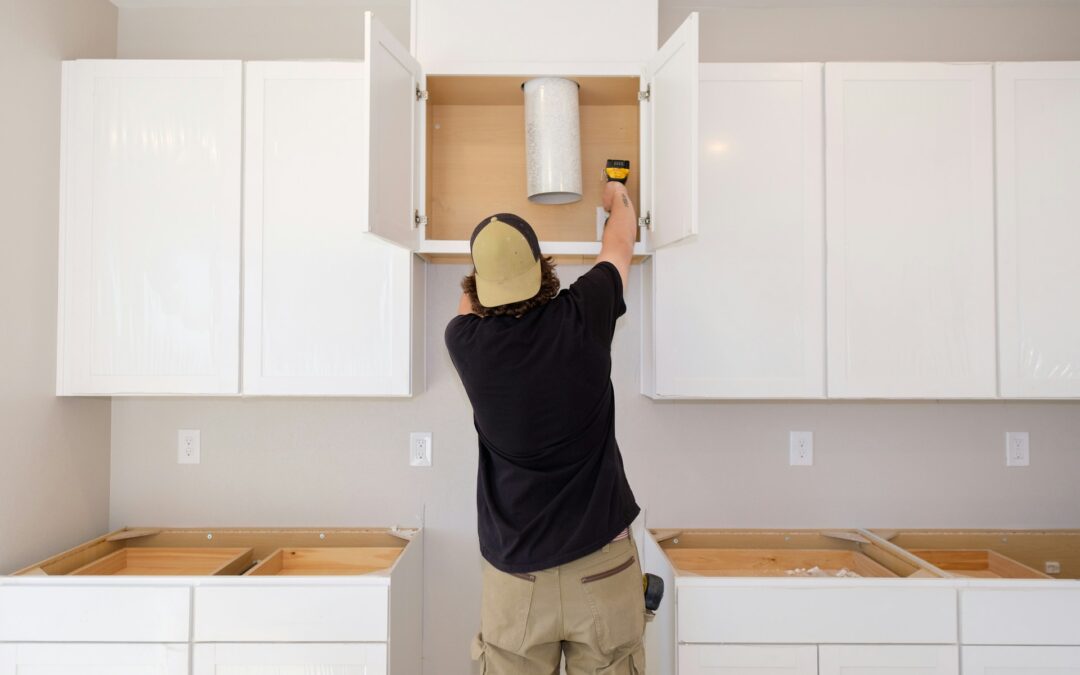
If you are wondering how long does it take a contractor to remodel a kitchen, most projects fall between a few weeks and several months, depending on scope and complexity. The more changes you make to layout, cabinetry, and appliances, the more time you should expect to allow.
In this guide, Ambiance Creations walks you through typical timelines, what can speed things up, and what can slow things down, especially here in Southwest Florida.
You will see how materials, permits, contractor schedules, and local conditions all affect your start and finish dates so you can plan with confidence.
Average timeline for a kitchen remodel
Remodeling your kitchen involves several steps, and the timing depends on your project’s size and level of detail. Knowing the typical time frames helps you avoid disappointment or surprises and gives you a clearer idea of how long it takes a contractor to remodel a kitchen in real life.
You’ll notice timelines shift based on the remodel’s level of involvement, industry averages, and how the phases stack up. It is rarely one-size-fits-all, but there are helpful benchmarks you can use to plan.
Typical duration by project scope
Smaller updates, like repainting, swapping fixtures, or just replacing cabinet doors, usually take 2 to 3 weeks. These projects skip moving plumbing or electrical, which keeps things simpler and quicker.
Mid-sized remodels, which might mean new cabinetry, countertops, and flooring, often stretch from 4 to 8 weeks. That includes demolition, installation, and finishing details that bring the space together.
Full kitchen remodels that change up the layout, upgrade appliances, and add custom details can take 8 to 12 weeks or more. At this scale, planning and coordination matter even more, and your contractor’s schedule will be a big factor.
Industry benchmarks
Most contractors in Southwest Florida plan for a 6 to 10 week window for a standard remodel. Many national remodeling resources note that typical projects last about 6 to 9 weeks, depending on contractor availability and how fast permits come through.
Keep in mind, holidays, weather, or supply issues can push things out. If you stay in close contact with your contractor, you can catch delays early and keep the schedule smoother and more predictable.
Breakdown of remodel phases
Your remodel generally follows five main steps, each with its own time frame and dependencies:
- Initial conversation and design concept: 1 to 2 weeks.
- Measurement and ordering materials: 1 to 3 weeks, depending on custom cabinetry and appliances.
- Demolition and prep work: 2 to 5 days.
- Installation of cabinets, countertops, appliances, and fixtures: 3 to 5 weeks.
- Final walk-through and adjustments: 1 to 3 days.
Each phase depends on the last one wrapping up on time. If appliances show up late, installation dates shift, and other trades may need to be rescheduled. Contractors often work with specialty appliance partners to keep deliveries coordinated and the overall timeline on track.
Staying involved during each phase helps your remodel stay on schedule and feel more like your own, since you can approve details and adjustments as they come up.
Factors That Affect Remodel Duration
The time it takes to remodel your kitchen really boils down to a few big things. Kitchen size and layout, the scope of work, and material availability all play a major role in the answer to how long it takes a contractor to remodel a kitchen.
If you understand these factors ahead of time, you’ll set more realistic expectations, plan with less stress, and make choices that support your preferred timeline.
Kitchen size and layout
Bigger kitchens mean more work, plain and simple. If your kitchen has an open floor plan or a more complex shape, expect it to take longer because there is more flooring, cabinetry, and surface area to update.
Moving walls or plumbing adds even more days. Smaller kitchens with straightforward layouts often finish faster because there is simply less to change and fewer trades to coordinate.
If you keep your plumbing and wiring as they are, things move quickly. Once you change the layout, you are coordinating electricians, plumbers, and carpenters, so you should expect some extra time for inspections and scheduling.
Scope of work
The kind of remodel you want changes everything. Swapping out cabinets or countertops might mean you are done in 2 to 3 weeks. Going for a full gut job with demolition, new appliances, and layout changes can mean 8 to 12 weeks or more.
Adding custom islands, built-in appliances, or eco-conscious materials takes extra time, too. Specialty lighting and clever storage solutions need skilled trades and careful planning to execute correctly.
If you are dreaming of a luxury kitchen with top-shelf finishes and one-of-a-kind touches, know that it is going to take longer. Contractors who care about quality will not rush the details, especially in high-use spaces like kitchens.
Material availability
Materials can disrupt your schedule more than almost anything else. Popular items, like certain quartz countertops or in-demand cabinet styles, might have wait times of weeks or even months.
Shipping delays or backorders can pause the whole project. If you pick rare or imported materials, you might wait longer for delivery because of transport routes and customs.
The best way to avoid this is to choose your materials early, especially in Southwest Florida, where certain choices can be more limited. Confirm everything before work starts, and you will dodge many headaches later.
Step-by-Step Timeline for Contractors
A kitchen remodel moves through several key stages, each needing its own time and attention. From that first meeting to the final details, each step builds on the last.
This rough timeline should help you understand what is coming and when, so you can better picture how long it takes a contractor to remodel a kitchen in your own home.
Initial Consultation and Design
Your remodel starts with a conversation about what you want, your style, and how you use your kitchen. The contractor listens and maps out a plan that fits the way you live and cook.
During this phase, you will review layouts, materials, and appliances to make sure everything works together. You also set the project scope and an initial timeline here.
This part usually takes 1 to 2 weeks, since it includes drawings, revisions, and approvals. Getting this right early saves time later on and reduces change orders.
Demolition and Prep Work
Once you approve the designs, demolition kicks off. Old cabinets, flooring, and fixtures come out, making space for the new elements. This usually takes 3 to 5 days, depending on your kitchen’s size and any quirks in the structure.
Prepping means fixing up walls, plumbing, and wiring. It is the groundwork for everything that comes next. You will probably deal with some dust and noise, but a good contractor keeps things as tidy and contained as possible.
Installation and Finishing
Next comes the installation phase: cabinetry, countertops, appliances, lighting, and flooring. This stage tends to be the longest, running about 3 to 5 weeks, because every piece needs careful placement and connection for both looks and function.
Final steps include painting, trim, hardware, and a deep clean. A last walk-through checks that everything matches your vision and works correctly. This is where your remodel truly turns into a kitchen you will want to use every day.
How to Speed Up the Remodel Process
If you want your kitchen remodel to finish faster, staying organized and decisive is your best strategy. Knowing what you want and working closely with your contractor keeps things moving.
Clear decisions, early selections, and strong communication can make a noticeable difference in how long it takes a contractor to remodel a kitchen in your home.
Effective Planning Tips
Start by making detailed decisions before construction starts. Pick your finishes, appliances, and cabinetry early; waiting until later can slow down ordering and installation.
Set up a realistic schedule with major milestones. Share it with everyone involved so nobody is caught off guard. Being somewhat flexible with small changes helps prevent bigger hold-ups.
Get your permits sorted right away. Waiting until the last minute for paperwork can lead to long pauses. Fast communication is key: respond to questions quickly and approve samples or plans as soon as you can. Less waiting means faster progress.
Working with Your Contractor
Choose a contractor who is straightforward and easy to reach. Set up regular check-ins so you can catch issues early and keep the work moving in the right direction.
Keep your contractor updated if your plans change. Trust their experience, but stay involved by reviewing progress and asking informed questions. A good contractor listens and adapts without slowing things down.
Ask for a contract that spells out deadlines and responsibilities. That kind of clarity keeps everyone aligned and helps avoid confusion that can stall the project.
Signs your remodel might take longer
Sometimes kitchen remodels run into delays that stretch out the process. The most common culprits are paperwork, material delays, and surprise problems hiding behind walls or under floors.
Knowing these risks ahead of time helps you plan better, build in a little cushion, and avoid a few nasty surprises.
Permit delays
Getting the right permits can be slow. Your city or county might take weeks or even months to approve plans, especially in Southwest Florida, where building codes are strict for weather resistance and safety.
If you are in neighborhoods like Pelican Marsh or The Moorings, expect extra time for permits; they enforce high standards for construction and appearance. Permits typically cover plumbing, electrical, and structural work. Missing paperwork can easily push your start date back.
Check in regularly with your project manager to track permit status and catch any hang-ups before they become bigger problems that affect trades and deliveries.
Unexpected structural issues
During demolition, you might discover water damage, rotten beams, or outdated wiring. These problems must be fixed before the remodel moves forward, which adds days or weeks.
Older homes in places like Bonita Springs, for example, often hide termite damage or mold that needs immediate attention. Structural repairs require specialists and inspections, so timelines stretch.
Severe damage means a longer project, with no way around it. If you stay flexible with your schedule, it will help keep stress down while the pros handle those fixes. Always ask your contractor about possible risks before work begins so you can prepare mentally and financially.
Understanding Contractor Schedules
Knowing how contractors juggle their time helps you set more realistic expectations for your remodel. Timing often depends on how many jobs they are managing and how well they coordinate with other specialists.
When you understand this, you can better align your expectations about how long it takes a contractor to remodel a kitchen during busier seasons.
Balancing multiple projects
Contractors often juggle several projects at once. They have to divide their time and resources carefully among them.
Your kitchen remodel is probably not their only focus, so they will schedule work to meet deadlines across all jobs. Their availability can strongly affect how quickly your project starts and finishes.
If a contractor has busy seasons or takes on large jobs, your remodel might take longer. Clear communication about their current schedule helps you avoid surprises.
Managing trades and subcontractors
A kitchen remodel needs many specialists, including plumbers, electricians, carpenters, and tile installers. Your contractor lines up these trades carefully to avoid delays.
If one trade is late, it can hold up others. Your contractor coordinates start and finish times for each task, making sure everyone is on site when needed.
It takes planning and experience to avoid downtime. When trades show up on time and work together, your kitchen remodel is more likely to stay on track and finish closer to the original timeline.
Preparing Your Home for a Smooth Remodel
Getting ready for your kitchen remodel means setting up your home to handle the work with as little stress as possible. Clearing the space and planning ahead for daily life will make the process more comfortable.
A bit of preparation goes a long way in keeping your project efficient and helps your contractor focus on the work instead of navigating around clutter.
Clearing the space
Start by emptying all cabinets, drawers, and countertops. Remove small appliances and personal items like dishes and food so nothing gets damaged or dusty.
This keeps your belongings safe and gives contractors room to work without interruptions. Protect your floors and nearby furniture with drop cloths or plastic sheeting.
If you can, seal off the kitchen from the rest of your home using plastic barriers or doors. That helps control dust and keep debris contained. Clearly label boxes or containers so unpacking is easier once the remodel wraps up.
Temporary kitchen solutions
Your kitchen will likely be unusable for several weeks. Plan a spot in your home for basic cooking and food prep so your routine stays manageable.
A small table or counter with a microwave, toaster oven, slow cooker, and mini-fridge can work surprisingly well. Set up easy access to utensils, plates, and dishes in this temporary area.
Keep trash cans nearby for cleanup. Consider meals that do not need much cooking, like salads, sandwiches, and prepared options, to reduce stress while your kitchen is out of commission.
Comparing DIY and Contractor Remodel Timelines
When you remodel your kitchen yourself, the timeline can stretch out. You might spend evenings and weekends learning new skills and solving unexpected problems as they appear.
This often means the project takes longer than a professional team would need. Here is a simple comparison:
| Aspect | DIY Remodel | Contractor Remodel |
| Time frame | Several months or more | 4 to 8 weeks |
| Skill needed | High, across various trades | Professional team handles all |
| Scheduling | Flexible, slower progress | Set milestones and deadlines |
| Materials sourcing | You manage purchasing | Coordinated by contractor |
DIY gives you full control but demands time and learning. Contractors bring quality, integrity, and efficiency, which saves you stress and helps ensure your kitchen both looks and functions beautifully.
What to Expect After Completion
Once your kitchen remodel wraps up, take a moment to explore your new space. Walk through each area and check that everything works as planned and feels right for your daily routine.
Look at cabinets, appliances, lighting, and surfaces to make sure they meet your expectations. You may notice some minor adjustments needed after installation, like a loose handle, a cabinet door that needs tweaking, or a bit of caulking that was missed.
Cleaning up after the project is often necessary. Dust or small debris may still be present, so plan a light cleaning before you start using your kitchen fully. Keep an eye out for any scuffs or marks that can be wiped away.
Tips to keep your new kitchen fresh:
- Use gentle cleaners recommended for stone and engineered surfaces.
- Avoid harsh chemicals on wood cabinetry or hardware.
- Test appliances soon after installation to confirm correct operation.
If you have questions or concerns later, your contractor should remain available to address them and fine-tune details if needed.
Ready to Plan Your Kitchen Timeline?
Knowing how long it takes a contractor to remodel a kitchen helps you protect your investment, plan your routine, and avoid surprises along the way. A clear timeline turns a disruptive project into a manageable, step-by-step process.
With thoughtful design decisions, early material selections, and open communication, you can keep your remodel focused, efficient, and aligned with how you really live in your home. Ambiance Creations can help you map out each phase so your expectations match the reality on site.
If you are ready to explore what your own project might look like in Southwest Florida, get in touch to discuss timelines, scope, and next steps tailored to your kitchen.
Frequently Asked Questions
What is the typical timeline for a small kitchen renovation?
A small kitchen renovation usually takes 2 to 4 weeks. This includes minor updates like new cabinets, fixtures, and surfaces, without major layout changes.
What should I expect in terms of duration for a complete kitchen overhaul?
A full kitchen remodel can last 6 to 12 weeks. This involves demolition, custom cabinetry, plumbing, electrical work, and finishing touches that bring everything together.
Your timeline may vary depending on design complexity and material availability, especially if you choose custom or imported items.
Is it possible to stay at home while my kitchen is being remodeled?
Yes, you can usually stay at home, but expect noise, dust, and limited kitchen use. Planning for temporary kitchen setups can help keep your daily routine comfortable during the work.
How quickly can kitchen cabinets be replaced during a renovation?
Cabinet replacement alone takes about 1 to 2 weeks. Custom cabinets may take longer because of fabrication and delivery times, particularly during busier seasons.
What is the average time required to complete a bathroom renovation compared to a kitchen?
Bathrooms typically take 3 to 6 weeks, depending on size and complexity. Kitchens usually require more time because of the larger scale, appliance coordination, and more extensive cabinetry.
Does a ready-to-assemble kitchen system take less time than other types of kitchen remodels?
Ready-to-assemble or modular kitchen systems usually go in fairly quickly, often within two to four weeks. That is mostly because the designs come pre-packed and the parts are modular, so you are not waiting around for custom fabrication.Custom designs can take longer since they are more personalized and detailed. That extra time can really pay off if you want something unique, high-end, and tailored to the way you cook and entertain.