
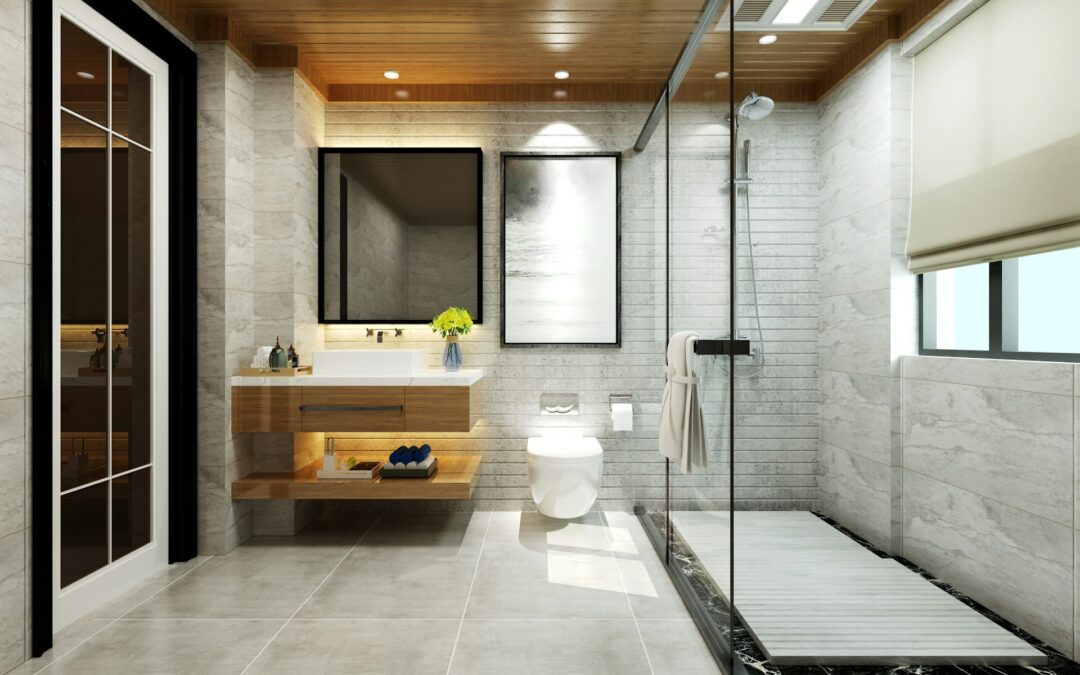
A bathroom that feels cramped, outdated, or hard to use can affect your day more than you realize. Poor storage, bad lighting, and worn finishes often make even simple routines frustrating.
The right ideas for bathroom remodeling focus on solving those everyday pain points first. Smarter layouts, better materials, and intentional upgrades can improve comfort, function, and long-term value without overcomplicating the process.
At Ambiance Creations, we help homeowners turn common bathroom frustrations into spaces that feel calm, efficient, and well-designed. Below, you’ll find practical ideas to help you plan with confidence and avoid costly missteps.
Planning Your Bathroom Remodel
A successful bathroom remodel starts with careful planning. Your investment, goals, and design preferences all matter here. These three elements work together and give you a roadmap for your project. It’s not always fun, but it definitely saves headaches later.
Setting a Realistic Investment
Your investment is going to shape every decision you make. Figure out what you can spend without making yourself miserable.
Divide your investment into categories so you can see where the money goes. Set some aside for fixtures, labor, materials, permits, and those annoying surprises that always pop up.
It’s smart to keep 10–20% of your total investment as a cushion. Trust me, something unexpected will come up.
Check out average costs in your area before you lock in a number. Small bathroom remodels usually run $6,000 to $15,000, while larger ones can hit $25,000 or more. Location, material choices, and the amount of work you do all affect the price.
| Investment Category | Typical Percentage |
| Labor | 40–50% |
| Fixtures & Features | 25–30% |
| Materials | 15–20% |
| Permits & Fees | 5–10% |
Don’t forget the little hassles. You might need to rent a portable toilet or shower somewhere else for a bit.
Defining Your Remodeling Goals
Write down what bugs you about your current bathroom. Is it the old fixtures, bad lighting, or just not enough storage?
Maybe you need more functionality for a growing family, or you want accessibility features for aging in place. Rank your goals by importance; it’s easier to compromise if your investment gets tight or you hit a snag.
Think about who actually uses the bathroom. A family bathroom isn’t the same as a guest powder room or a primary ensuite.
Consider daily routines, peak usage times, and if you need features like wheelchair access or kid-friendly stuff. Don’t expect miracles overnight. Small updates might take a week or two, but full gut jobs can drag on for four to six weeks, or longer if you’re unlucky.
Choosing a Design Style
Your design style sets the tone. Pick something that feels like you and fits your home. Modern bathrooms lean on clean lines and neutral colors. Traditional spaces often feature pedestal sinks, framed mirrors, and more detail.
Contemporary designs blend what’s trending with timeless details that won’t feel dated fast. Scroll through photos of bathrooms you like. Notice the color schemes, tile patterns, fixture finishes, and lighting.
Save your favorites to show contractors or designers. Try to choose finishes and materials that play well together. Your faucet finish should work with your light fixtures and cabinet hardware. Tile colors should look good with your paint and countertop. Aim for long-term appeal over whatever’s hot right now.
Upgrading Bathroom Fixtures
New fixtures can change how your bathroom looks and feels. Swap out those tired sinks, faucets, showers, and toilets for modern options that add style and make life easier.
These ideas for bathroom remodeling often deliver the quickest “new space” feeling without changing the layout.
Modern Sink and Faucet Ideas
Vessel sinks sit right on top of your counter and make a statement. They come in glass, copper, ceramic, and stone. Wall-mounted or tall deck-mounted faucets pair well with these styles.
Undermount sinks give you a seamless look and make wiping down the counter less of a chore. The sink tucks under the countertop, which looks especially nice with quartz or granite.
Popular faucet finishes:
- Matte black for a modern vibe
- Brushed nickel if you want something classic
- Brushed gold for a bit of warmth
- Chrome for that timeless shine
Touchless faucets are pretty cool. They save water and keep things cleaner since you’re not touching them with messy hands. Single-handle models make temperature control a breeze.
Shower and Bathtub Innovations
Walk-in showers with frameless glass doors open up small bathrooms and make everything feel bigger. Ceiling-mounted rain showerheads create a spa-like experience. Add a handheld sprayer for rinsing, cleaning, and everyday convenience.
Digital shower controls are handy if you like your water at a precise temperature. Some remember your favorite settings or let you control things from your phone.
Freestanding tubs are showstoppers and come in shapes from modern to traditional. You’ll need a floor- or wall-mounted tub filler for these, not a deck-mounted one. Soaking tubs with built-in heaters keep the water warm for longer. Whirlpool jets can help soothe sore muscles after a long day.
Toilet Upgrades
Dual-flush toilets offer two flush options, which can save a surprising amount of water over time. Wall-hung toilets mount right to the wall, hiding the tank for a floating, modern look. These are best if you’re doing a full remodel since you’ll need to open up the wall.
Comfort-height toilets sit a bit higher, usually 17–19 inches, which makes getting up and down easier. That’s especially helpful for tall folks or anyone with mobility issues.
Smart toilets are also an option. Heated seats, automatic lids, built-in bidets, self-cleaning features, and night lights can make daily use easier.
Smart Storage Solutions
Good bathroom storage keeps things organized and makes your daily routine smoother. The right choices can turn cluttered counters into usable space.
If you’re collecting ideas for bathroom remodeling, storage upgrades are often where function improves the fastest.
Built-In Shelving
Recessed shelving builds storage right into your walls, so you don’t eat up precious floor space. Install niches in your shower for shampoo and soap, or next to the toilet for extra rolls and a few essentials.
Most built-in shelves fit between wall studs, so you won’t need to start tearing down walls. Recessed medicine cabinets sit flush with the wall and look sleeker than bulky surface-mounted ones.
Pick shelves with different depths depending on what you want to stash. Shallow recesses are perfect for small toiletries, while deeper ones can hold towels or bigger items. Built-in corner shelves make use of awkward spaces. Tile them to match your walls or go bold with a contrasting color.
Vanity Organization Techniques
Drawer dividers are a lifesaver for keeping your vanity organized. Adjustable dividers let you create spots for makeup, hair tools, or dental stuff. Pull-out trays under the sink mean you’re not digging around in the dark for cleaning supplies.
Swap out cabinet doors for multiple shallow drawers and sort things by category. Hair tools in one, skincare in another, makeup in a third.
Add vertical dividers inside drawers to store things upright. Hair dryers and curling irons stay untangled when they stand up. You can even mount small organizers on the inside of cabinet doors for bonus storage.
Maximizing Small Spaces
Wall-mounted cabinets above the toilet add storage without hogging floor space. Stack towels, toilet paper, or cleaning supplies up there. Floating shelves also keep things open and airy.
The back of the bathroom door is great for hanging organizers or hooks. Perfect for robes, towels, or small baskets full of hair accessories.
Corner units and ladder shelves use vertical space in tight bathrooms. Magnetic strips inside cabinet doors hold tweezers, nail clippers, and bobby pins.
Stackable bins under the sink give you layers of storage. Rolling carts can slide into narrow gaps between the toilet, wall, or vanity and tub.
Fresh Flooring and Wall Options
Floors and walls set the whole mood for your bathroom. The right materials can handle moisture and still look good for years. These ideas for bathroom remodeling are also great for bringing in texture and personality without clutter.
Tile Patterns and Materials
Large-format tiles, think 12×24 inches or bigger, make small bathrooms feel more open and mean fewer grout lines to scrub. You can use these on floors and walls for a seamless, easy-to-clean look.
Natural stone like marble or travertine brings luxury to any bathroom, but it needs regular sealing to avoid water damage. Porcelain and ceramic tiles are more investment-friendly and come in tons of colors and textures.
Popular tile patterns:
- Subway tile in brick or herringbone
- Hexagons for a modern twist
- Wood-look planks for warmth (without the worry of real wood)
- Geometric designs for accent spots
Mosaic tiles work well on shower floors since all that grout helps prevent slips. They’re also great for feature walls or borders.
Moisture-Resistant Paint Choices
Go for paint labeled as bathroom or kitchen formula. It resists mildew and moisture better. Semi-gloss and satin finishes are easier to clean and stand up to steamy showers.
Light colors like soft gray, white, and pale blue make bathrooms feel bigger and brighter. Darker shades can work for powder rooms or accent walls where you don’t have as much moisture.
Test a few paint samples on your wall and check them out at different times of day. Light changes everything, and bathroom bulbs can make colors look totally different at night.
Accent Walls and Backsplashes
An accent wall behind the vanity or tub adds a focal point without going overboard. Use bold wallpaper made for bathrooms, textured tile, or painted wood planks for character.
Backsplashes protect walls from water splashes near sinks and tubs. Tile backsplashes, usually 4–6 inches above the counter, help prevent water damage and add style.
Glass tile reflects light and can make the room feel bigger, while natural stone adds texture. Beadboard or shiplap works for a cottage vibe. Just make sure it’s sealed well in wet areas.
Creative Bathroom Lighting Ideas
Good bathroom lighting isn’t just about being able to see. It’s about setting the mood, too. Mixing different types of lights lets you control both function and atmosphere.
Ambient Lighting Approaches
Ambient lighting is your base layer. Recessed ceiling lights give even coverage without cluttering up the ceiling. Space them about 4–6 feet apart for balanced light.
A dimmer switch is a game-changer. Crank it up in the morning, turn it down for a relaxing bath at night. Pendant lights can work if your ceilings are high enough. Hang them at least 7 feet above the floor so you don’t bonk your head.
LED strip lights along the ceiling edge create a soft glow. Natural light matters, too. If you’ve got a window, try sheer curtains or frosted glass to keep things bright but private.
Task Lighting for Functionality
Task lighting is all about getting light where you need it. Vanity lights on both sides of your mirror reduce shadows better than a single overhead fixture. Mount them at eye level, around 60–65 inches off the floor.
For mirrors, bulbs with a color temperature of 2700–3000K give warm, natural light that won’t make you look weird while shaving or doing makeup.
Install extra task lighting by the shower or tub if you like to read while soaking. Make sure fixtures are rated for damp or wet spaces.
Under-cabinet lighting helps with tasks like taking meds or handling contacts. Small LED strips are perfect for tight spots and don’t use much energy.
Turn Bathroom Frustration Into Daily Comfort
Living with poor lighting, limited storage, or an awkward layout can make a bathroom feel stressful instead of restorative. The right choices reduce friction, making everyday routines smoother and more enjoyable.
The most effective upgrades focus on function first, then layer in materials and details that last. When design decisions support how you actually use the space, the results feel better long after the project ends.
At Ambiance Creations, we guide homeowners through clear planning and thoughtful design to eliminate common bathroom pain points. Get in touch to start creating a bathroom that truly works for you.
Frequently Asked Questions
What are the most common problems homeowners want to fix?
Most homeowners want to fix poor lighting, lack of storage, outdated fixtures, and layouts that feel cramped or awkward. These issues make daily routines harder than they need to be and often drive the decision to remodel.
How do I choose the right ideas for bathroom remodeling?
Start with how the bathroom is actually used each day. Prioritize layout, storage, and lighting before selecting finishes so design choices solve real problems instead of adding visual clutter.
Can small bathrooms still feel comfortable and functional?
Yes. Wall-mounted vanities, recessed storage, large-format tile, and glass shower enclosures can make small bathrooms feel more open while improving movement and usability.
What upgrades offer the biggest day-to-day improvement?
Lighting upgrades, better ventilation, improved storage, and modern fixtures usually provide the most noticeable comfort improvements. These changes often cost less than structural work but deliver strong results.
How do I avoid regret during a bathroom remodel?
Avoid chasing trends before addressing function. Make sure layout, clearances, and material durability are right first, then layer in style elements that will age well over time.
Is it better to update finishes or change the layout?
If the layout works, updating finishes can be enough. If movement feels tight or storage is lacking, adjusting the layout often delivers more long-term satisfaction than surface-level updates.
How long should bathroom materials realistically last?
Quality fixtures, tile, and cabinetry should last well over a decade when chosen for moisture resistance and proper installation. Investing in durable materials reduces maintenance and future replacement stress.