
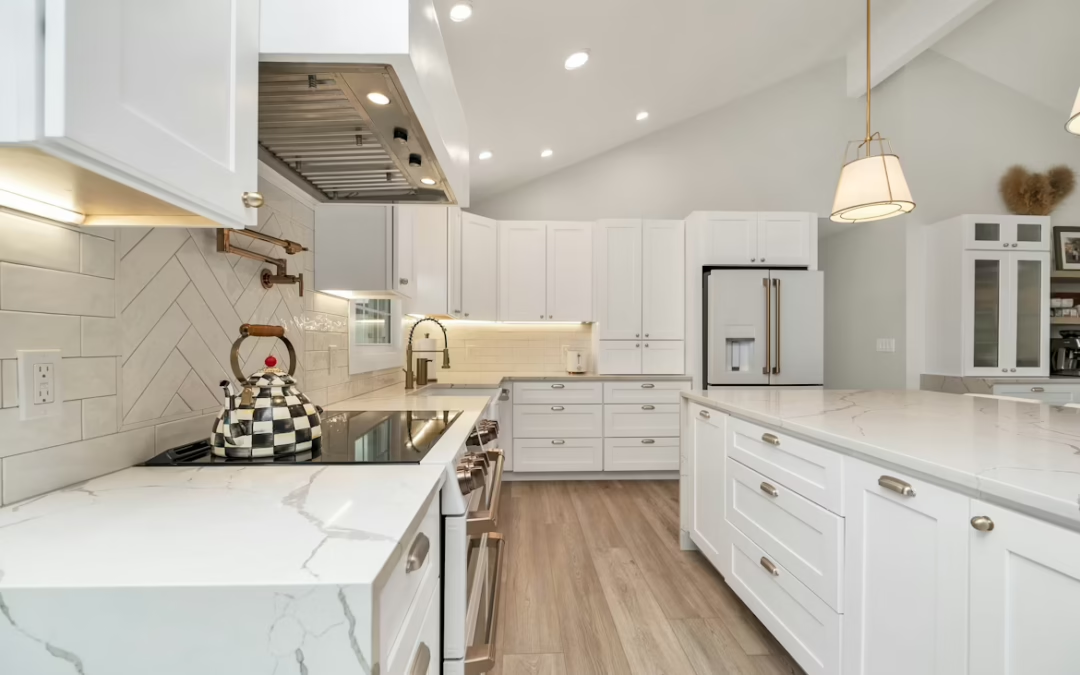
Your home should feel refined, functional, and easy to navigate every day. Integrated lighting cabinets bring layered illumination and clean storage design into kitchens, closets, and baths with a polished look that suits modern living.
At Ambiance Creations, we design cabinetry with lighting planned from the start for a seamless finish. In Southwest Florida homes, that approach supports indoor-outdoor living, highlights custom materials, and keeps every space feeling warm and intentional.
This guide explores fixture styles, smart controls, placement strategies, and long-term performance considerations. You’ll also learn how thoughtful lighting integration improves visibility, comfort, and the overall experience of your space.
Where Integrated Cabinet Lighting Works Best
Integrated cabinet lighting shines in any spot where overhead light falls short or where you want to add visual depth.
The most common applications include under-cabinet task lighting for countertops, interior lights for closed or glass-front storage, drawer lighting for quick access, and wardrobe lighting for closets and dressing areas.
Under-Cabinet Lighting for Countertops
Upper cabinets cast shadows on countertops, making food prep and reading recipes harder than they should be. Under-cabinet lighting solves this by placing LED strip lighting or slim fixtures beneath wall cabinets, directing light directly onto your workspace.
It’s one of the most popular forms of kitchen lighting for good reason. Flush-mounted and recessed options keep the fixtures nearly invisible.
Interior Cabinet Lighting for Closed and Glass-Front Storage
If you’ve ever dug around in the back of a deep cabinet looking for a spice jar, you already know why interior cabinet lighting matters. Puck lights and small LED strips inside the wall and base cabinets make every shelf visible at a glance.
For glass-front cabinets, interior lighting doubles as accent lighting. A soft glow behind glass doors highlights dishware, glassware, or collectibles.
LED shelf clips can attach directly to glass shelves for an especially clean look. It’s a nice touch if you want something subtle but effective.
Drawer Lighting for Everyday Access
Drawer lighting feels like a luxury until you use it daily—then it’s hard to go back. Small LED strips with built-in infrared sensors turn on automatically when you open a drawer, then shut off when you close it.
This works well in kitchen drawers, bathroom vanities, utility rooms, and craft areas. You see everything inside without bending down or fumbling for a flashlight.
Wardrobe Lighting for Closets and Dressing Areas
Closets are often the darkest rooms in a home. Integrated wardrobe lighting, usually in the form of LED strip lighting along clothing rods or inside shelving sections, helps you see colors accurately and find what you need quickly.
Motion-activated sensors are especially useful here. The light comes on as soon as you open the door and turns off after you walk away.
Choosing the Right Fixture Types and Effects
The fixture you pick determines the quality, direction, and feel of the light in your cabinets. LED strip lighting, puck lights, integrated profiles with diffusers, and different color temperatures each serve a distinct purpose.
Many projects benefit from using more than one type. It’s not always obvious which combination will feel right until you try it.
LED Strip Lighting for Continuous Illumination
LED strip lighting is the most versatile option for cabinet lighting. These thin, flexible strips can run along the full length of a cabinet, shelf, or drawer to produce continuous, even light with no gaps.
You can cut many LED strips to custom lengths, which makes them easy to fit into almost any space. They work well for under-cabinet lighting, toe kicks, inside drawers, and along closet rods. Look for strips with adhesive backing for simple installation. It saves a lot of hassle.
Puck Lights for Focused Highlights
Puck lights are small, round fixtures that produce a focused pool of light. They’re a good choice when you want to highlight a specific area inside a cabinet or under a shelf.
The downside? Puck lights can create uneven lighting with brighter spots and darker gaps between fixtures. Spacing them evenly helps, but strip lighting generally provides a more uniform result for larger areas.
Integrated Profiles and Diffusers for a Clean Look
Aluminum profiles and diffuser covers give your LED strips a polished, built-in appearance. The profile houses the strip, and the diffuser softens the light so you don’t see individual LED dots.
This approach is common in premium integrated lighting setups. It also protects the strip from dust and damage, thereby extending its lifespan.
Warm, Neutral, and Cool Light Output
Color temperature is measured in Kelvins (K) and affects the mood of your space:
| Color Temperature | Range | Best For |
| Warm white | 2700K–3000K | Cozy kitchens, living rooms, and closets |
| Neutral white | 3500K–4000K | General task lighting, bathrooms |
| Cool white | 5000K–6500K | Detail-oriented workspaces, garages |
Most people prefer warm or neutral white for kitchen and wardrobe lighting. Cool white can feel harsh in living spaces, but it works well where you need maximum visibility.
Controls, Sensors, and Smart Features
The way you control your cabinet lighting matters just as much as the fixtures themselves. Sensors, dimmers, smart apps, and voice control let you customize brightness, automate on/off behavior, and create scenes that match different activities.
Door-Activated and Motion-Based Operation
Door-activated switches and motion sensors are the simplest form of lighting control for cabinets. A small magnetic switch turns the light on when you open a cabinet door and off when you close it.
Motion sensors detect movement and automatically activate the light. These are especially practical for closets, pantries, and drawers where your hands may be full. There’s no switch to fumble for, it just works.
Dimming and Scene Control
Dimmable LED cabinet lighting lets you adjust brightness based on the time of day or the task at hand. Full brightness works well for cooking, while a lower setting creates a softer ambiance in the evening.
Some systems support scene control, where you can save preset brightness levels for different situations. This is helpful if your cabinets serve both functional and decorative roles.
App and Voice-Enabled Smart Lighting
Smart lighting systems connect your integrated LED lights to Wi‑Fi or Bluetooth. That allows control via a smartphone app or voice assistants such as Amazon Alexa, Google Home, or Apple HomeKit.
You can turn lights on and off remotely, set schedules, and adjust color temperature from your phone. Voice commands make it easy to control cabinet lighting while your hands are busy.
Planning a User-Friendly Lighting Control Setup
Keep your control system simple. A common mistake is layering too many control methods without a clear plan.
Pick one primary method, such as motion sensors for closets and a dimmer switch for kitchen under-cabinet lighting, and make sure every user in the household can operate it easily. Test your controls during the design phase if possible.
A lighting control setup that feels intuitive on paper can sometimes be confusing in practice. Don’t be afraid to adjust as you go.
Performance Details That Matter
Specifications like CRI, color temperature, energy use, and lifespan directly affect how well your integrated LED lighting performs over time. Paying attention to these numbers helps you avoid disappointment after installation.
Why CRI Affects Color Accuracy
CRI stands for Color Rendering Index, and it measures how accurately a light source shows the true colors of objects. The scale goes from 0 to 100, with higher numbers indicating better performance.
For kitchen lighting and wardrobe lighting, aim for a CRI of 90 or above. This ensures that food looks fresh, clothing colors appear accurate, and finishes on your cabinetry show their true tones.
How Color Temperature Changes the Feel of a Space
A 2700K light feels warm and inviting, similar to a traditional incandescent bulb. A 4000K light feels crisper and more alert.
Choosing the wrong room temperature can make it feel cold or overly warm. Many people install warm white in living spaces and neutral white in kitchens.
Some LED cabinet lighting systems let you switch between temperatures, giving you flexibility. That’s handy if you’re indecisive or just like to mix things up.
Energy Efficiency, Heat, and LED Lifespan
Integrated LED lights use very little power compared to halogen or incandescent alternatives. Most LED strips and puck lights produce minimal heat, which is important inside enclosed cabinets where temperatures can rise.
A quality LED cabinet light lasts between 30,000 and 50,000 hours. That translates to many years of daily use before you need a replacement.
Visibility, Safety, and Accessibility Benefits
Good cabinet lighting isn’t just about style. It improves safety by reducing the chance of cuts, burns, or spills in the kitchen.
It also makes cabinets more accessible for people with limited vision or mobility. Toe kick lighting adds a low-level glow that helps you navigate a kitchen at night without turning on bright overhead lights.
Installation and Design Planning
Planning your lighting integration early in the cabinet design process saves time, money, and frustration. Decisions about power sources, wiring paths, and fixture placement are much easier to make before cabinets are built or installed.
Factory-Integrated vs Retrofit Options
Factory-integrated lighting comes built into the cabinet from the manufacturer. Wiring stays hidden, fixtures are flush-mounted, and everything is designed to work together.
This is the cleanest option and usually the most reliable. Retrofit options let you add lighting to existing cabinets.
Adhesive LED strips, battery-powered puck lights, and plug-in systems are all available. Retrofits are more affordable but may involve visible wires or less precise placement.
Power Supplies, Drivers, and Wiring Paths
LED lights need a driver (also called a power supply) to convert household voltage to the low voltage the LEDs require. Plan the driver’s route before installation.
Common locations include inside a cabinet, above a cabinet, or in a nearby utility space. Map out your wiring paths so cables stay hidden.
Running wires through cabinet walls, behind panels, or along channels keeps the installation clean. It’s not glamorous work, but it makes a big difference.
Placement Tips for Even Light and Fewer Shadows
For under-cabinet lighting, mount fixtures toward the front edge of the cabinet, not against the wall. This directs light onto the countertop and reduces shadows from the cabinet face frame.
Inside cabinets, place lights near the top front so the light angles downward and toward the back. For drawers, a single strip along the front or back edge is usually enough.
When to Coordinate With a Cabinetmaker or Designer
If you’re ordering custom or semi-custom cabinets, discuss lighting integration with your cabinetmaker early. They can pre-drill holes for wiring, add channels for LED profiles, and plan switch locations.
A kitchen designer can help you create a layered lighting plan that combines under-cabinet, interior, and accent lighting into a cohesive system. This coordination prevents conflicts between electrical, plumbing, and cabinetry during installation.
Brands, Systems, and What to Compare Before Buying
Several manufacturers offer dedicated cabinet lighting programs with varying levels of quality, control options, and design integration. Comparing these programs before you commit helps you find the right balance of features and value.
What Wood-Mode and Häfele Highlight in Premium Programs
Wood-Mode offers integrated lighting as part of its custom cabinetry program, with a focus on seamless installation and design consistency. Lighting is planned alongside the cabinet layout so every fixture fits precisely.
Häfele’s Loox LED system is one of the most widely used lighting programs in the cabinet industry. It includes a broad range of fixtures, sensors, switches (including wave switches and touch switches), dimmers, and app-based controls.
Many custom cabinet makers, including premium brands, use Häfele components in their lighting integration packages.
Comparing Custom Cabinet Lighting Programs
When evaluating different cabinet lighting programs, compare these factors:
- Fixture variety: Does the program offer strips, puck lights, profiles, and specialty fixtures?
- Control options: Are sensors, dimmers, and smart controls available?
- Color temperature choices: Can you select warm, neutral, or tunable white?
- Warranty and lifespan: What is covered if a fixture fails?
- Compatibility: Does the system work with your preferred smart home platform?
Some manufacturers, like Miralis, offer factory-integrated lighting with specific temperature and placement options built into their furniture lines. Others let you mix and match from component catalogs.
Questions to Ask About Finish, Controls, and Service
Before you place your order, it’s smart to ask a few things:
- What’s the CRI rating on these LED fixtures?
- Do the drivers and wiring come with the system, or do you have to buy them separately?
- If you add more cabinets down the line, can you expand the system?
- Who actually takes care of warranty service—the cabinet maker, the lighting manufacturer, or both?
- What finish options are there for profiles and trim pieces?
It’s worth getting these details sorted out early. That way, you’re not caught off guard during installation, and your integrated lighting will hopefully work just the way you want for years.
Your Southwest Florida Home Deserves Intentional Design
Integrated cabinet lighting brings together visibility, atmosphere, and refined functionality in ways overhead fixtures cannot. Thoughtful placement, quality LED systems, and tailored controls help your cabinetry feel more polished and easier to use every day.
At Ambiance Creations, we coordinate lighting, cabinetry, and finish selections as part of a complete design vision. Our white-glove process supports Southwest Florida lifestyles with solutions that feel elegant, durable, and seamlessly integrated throughout your home.
The right lighting plan transforms how your kitchen, bath, or wardrobe functions from morning to night. Get in touch to explore cabinetry solutions that elevate comfort, visibility, and everyday living in your home.
Frequently Asked Questions
How do integrated lighting cabinets improve kitchen functionality in Southwest Florida homes?
Integrated lighting cabinets improve visibility for food prep, storage access, and everyday organization. In Southwest Florida kitchens, layered cabinet lighting also supports open-concept layouts and creates a softer transition between indoor and outdoor living areas.
What type of LED lighting works best for integrated cabinet designs?
LED strip lighting works best for most integrated cabinet applications because it delivers even illumination with minimal visual clutter. Many homeowners combine strip lighting with puck lights or recessed profiles to create both task lighting and accent lighting throughout the space.
Can integrated lighting be added to existing cabinets?
Yes, retrofit lighting systems allow you to add integrated cabinet lighting to existing cabinetry. Adhesive LED strips, battery-powered fixtures, and plug-in systems offer flexible options, though factory-integrated solutions typically provide the cleanest appearance.
Which color temperature is best for kitchen and bathroom cabinet lighting?
Warm white and neutral white lighting remain the most popular choices for kitchens and bathrooms. Warm tones create a comfortable atmosphere, while neutral lighting improves visibility for cooking, grooming, and detailed tasks.
Do integrated lighting cabinets work well in humid coastal environments?
Yes, high-quality LED systems perform well in humid coastal environments when you select durable fixtures and proper installation methods. Many Southwest Florida homeowners choose enclosed LED profiles and moisture-resistant components for longer-lasting performance.
What should you plan before installing integrated cabinet lighting?
You should plan fixture placement, wiring paths, driver locations, and lighting controls before cabinet installation begins. Early coordination helps keep wiring concealed and allows the lighting system to feel fully integrated into the cabinetry design.
Are smart controls worth adding to integrated lighting cabinets?
Smart controls add convenience, energy efficiency, and flexibility for everyday use. Features like dimming, motion sensors, and voice control help you customize lighting scenes throughout the day, and view our work to see how thoughtful lighting integration elevates custom cabinetry design.