
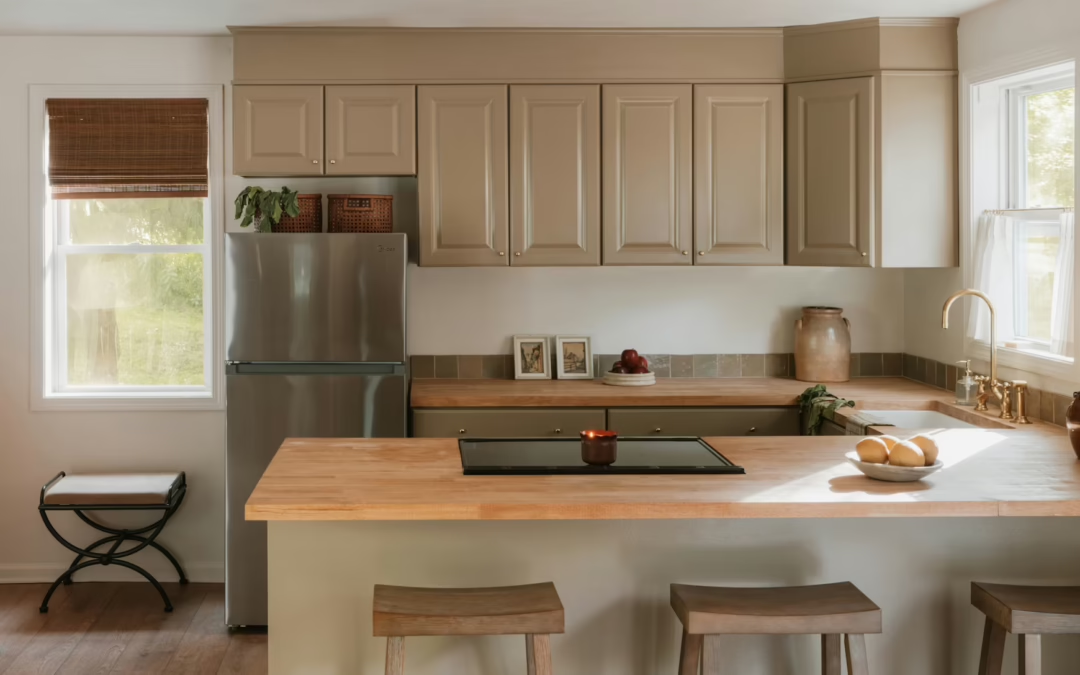
Your kitchen cabinet design affects how your kitchen looks and how smoothly it works every day. At Ambiance Creations, we see homeowners struggle with cabinets that look good but lack storage, flow, or durability.
Poor layout leads to cluttered counters, wasted space, and daily frustration. Many kitchens fail because cabinets were chosen for style before function, leaving gaps in storage and workflow.
This guide breaks down how to fix those issues with smart layout planning, better storage solutions, and design choices that actually support how you use your kitchen.
Plan the Layout Around How the Kitchen Works
Before choosing finishes or colors, focus on a layout that supports cooking, cleaning, and storage. A well-planned layout improves flow and prevents the space from feeling tight or inefficient.
Measure the Room, Appliances, and Clearances
Start by measuring walls, windows, doorways, and ceiling height. Record exact appliance dimensions, including the refrigerator, range, and dishwasher.
Note plumbing, outlets, and gas lines. Maintain at least 36 inches of clearance between opposing surfaces. For shared kitchens, increase this to 42–48 inches.
Sketch layouts using graph paper or digital tools to visualize how everything fits before committing.
Use the Work Triangle and Kitchen Zones
The work triangle connects the sink, refrigerator, and range. Each side should measure between 4 and 9 feet. Keep pathways clear to maintain efficiency.
Designers also organize kitchens into zones:
- Cooking zone: Range, oven, utensils
- Cleaning zone: Sink, dishwasher, waste
- Storage zone: Pantry and refrigerator
Place items where they are used most to support a natural workflow.
Choose the Right Footprint for the Space
Your kitchen’s size determines the best layout:
- L-shaped: Flexible, ideal for small to medium kitchens
- U-shaped: Maximizes storage and counter space
- Galley: Efficient for narrow spaces
- G-shaped: Adds a peninsula for extra workspace
- One-wall: Keeps open layouts streamlined
If space allows, incorporate an island for added storage, seating, and prep space. Maintain proper clearance on all sides.
Choose Cabinet Types and Configurations First
Cabinet selection directly affects storage capacity, usability, and overall design.
Upper, Base, and Tall Cabinet Options
- Upper cabinets: Provide easy access to daily items
- Base cabinets: Support countertops and handle heavy use
- Tall cabinets: Offer full-height storage for the pantry or utility
Use corner solutions like lazy Susans or pull-outs to eliminate wasted space.
Stock vs. Custom and What You Gain
- Stock cabinets: Faster, cost-efficient, standard sizes
- Custom cabinets: Tailored dimensions, premium materials
- Semi-custom: Balanced flexibility and investment
Custom solutions allow you to maximize every inch while aligning with your design vision.
Open, Glass-Front, and Closed Storage Mixes
Combine styles for function and visual balance:
- Closed cabinets reduce clutter
- Glass-front cabinets add display appeal
- Open shelving improves accessibility
Aim for 70–80% closed storage to maintain a clean, organized look.
Maximize Storage With Smart Interior Features
Smart storage transforms cabinetry from simple boxes into efficient systems.
Pull-Out Organizers for Everyday Access
Install pull-out shelves and deep drawers for better visibility and access. These features eliminate hard-to-reach areas and improve usability. Use dividers for trays, cutting boards, and lids to keep everything organized.
Use Vertical and Corner Space Efficiently
Maximize vertical space with:
- Narrow pull-outs for oils and spices
- Tall pantry cabinets
- Vertical dividers for baking sheets
Upgrade corner cabinets with rotating or sliding systems for full accessibility.
Create Dedicated Storage for Tools and Appliances
Design storage based on usage:
- Spice racks inside cabinet doors
- Appliance garages to clear countertops
- Drawer inserts for utensils and tools
Keep everyday items at eye level and store seasonal items higher or lower.
Define the Look With Door Styles, Materials, and Color
Once layout and storage are set, refine the aesthetic details.
Shaker, Slab, Flat-Panel, and Raised Panel Doors
- Shaker: Versatile and timeless
- Slab: Clean, modern, minimal
- Flat-panel: Contemporary balance
- Raised panel: Traditional and formal
Door style sets the tone for the entire kitchen.
Painted vs. Natural Wood Finishes
- Painted cabinets: Crisp, customizable color
- Wood cabinets: Natural warmth and durability
Wood finishes age gracefully and conceals wear better than paint. For a healthier home environment, review guidance from the U.S. Environmental Protection Agency on indoor air quality and how finishes can impact it.
One-Color, Two-Tone, and Bold Palettes
- Single color creates a cohesive look
- Two-tone adds depth and contrast
- Bold colors introduce personality
Balance strong cabinet colors with neutral surfaces to maintain harmony.
Finish the Design With Hardware, Lighting, and Details
Details elevate the entire kitchen experience.
Pick Hardware That Matches Style and Use
- Knobs for doors, pulls for drawers
- Match finishes to the overall design
- Limit to two metal finishes for consistency
Hardware should feel intuitive and complement the cabinetry.
Layer Lighting for Function and Mood
Use a layered lighting approach:
- Under-cabinet lighting for task visibility
- Overhead lighting for general illumination
- Pendant lighting for style and focus
Under-cabinet lighting significantly improves usability and ambiance.
Pair Cabinets With Shelving and Surfaces
Incorporate floating shelves for display and visual balance. Select countertops that complement cabinetry:
- Marble for elegance
- Quartz for durability
- Butcher block for warmth
Add crown molding to create a finished, cohesive look.
Investment, Sourcing, and Installation Decisions
Cabinetry represents a major investment in any kitchen project. Strategic planning ensures lasting value.
Set Priorities for Cost, Durability, and Customization
Typical allocation:
- Cabinets: 55–65%
- Hardware: 8–10%
- Installation: 18–22%
- Accessories: 5–10%
Invest more in high-use areas, such as near the sink and range.
Know When to Hire a Professional
Hire a professional when altering layout, plumbing, or electrical systems. Expert guidance prevents costly mistakes and ensures precision. DIY works best for straightforward cabinet replacements when measurements are accurate.
Prepare for Delivery and Installation
Order cabinets early to avoid delays. Inspect all items upon delivery and store them in a controlled environment.
Installation typically takes 2–5 days. Prepare a temporary kitchen setup to maintain convenience during the process.
Elevate Everyday Living Through Thoughtful Cabinet Design
A poor kitchen cabinet design leads to clutter, wasted space, and daily frustration. When storage and layout do not align with how you use your kitchen, even simple tasks feel harder than they should.
The right approach fixes these issues by improving flow, maximizing storage, and creating a space that works effortlessly. Small upgrades in layout and organization can completely change how your kitchen feels and functions.
At Ambiance Creations, we design cabinetry that solves these pain points with precision and lasting quality. Get in touch to create a kitchen that finally works the way you need it to.
Frequently Asked Questions
What is the most important factor in kitchen cabinet design?
The most important factor in kitchen cabinet design is how well it supports your daily routine. A layout that matches your cooking, cleaning, and storage habits prevents clutter and improves efficiency.
When cabinets align with how you actually use the space, everything feels easier and more organized.
How do I choose between stock and custom cabinets?
Choose stock cabinets if your kitchen has a standard layout and you want a faster, more cost-effective solution. Custom cabinets work best when you need precise sizing, unique storage, or a more tailored look. The decision comes down to how much flexibility and personalization your space requires.
How can I maximize storage in my kitchen cabinets?
Maximize storage by using pull-out shelves, deep drawers, and vertical dividers. These features make items easier to access and eliminate wasted space. Focus on keeping frequently used items within reach while storing less-used items higher or lower.
What cabinet style works best for most kitchens?
Shaker cabinets remain the most versatile option. They work across modern, transitional, and traditional kitchens without feeling outdated. If you prefer a cleaner look, slab doors offer a more modern and minimal style.
Should I choose painted or wood cabinets?
Painted cabinets give you more control over color and create a clean, uniform finish. Wood cabinets add warmth and highlight natural grain, which helps hide wear over time. Your choice depends on whether you prioritize color flexibility or natural texture.
How long does cabinet installation take?
Cabinet installation usually takes between two and five days for a standard kitchen. The timeline depends on the size of the space and the complexity of the design. Planning ahead helps reduce disruptions during the installation process.
Do I need a professional for cabinet installation?
You should hire a professional if your project involves layout changes, plumbing, or electrical work. Professional installation ensures accuracy and long-term durability. For simple replacements with no layout changes, experienced DIY installation can work.