
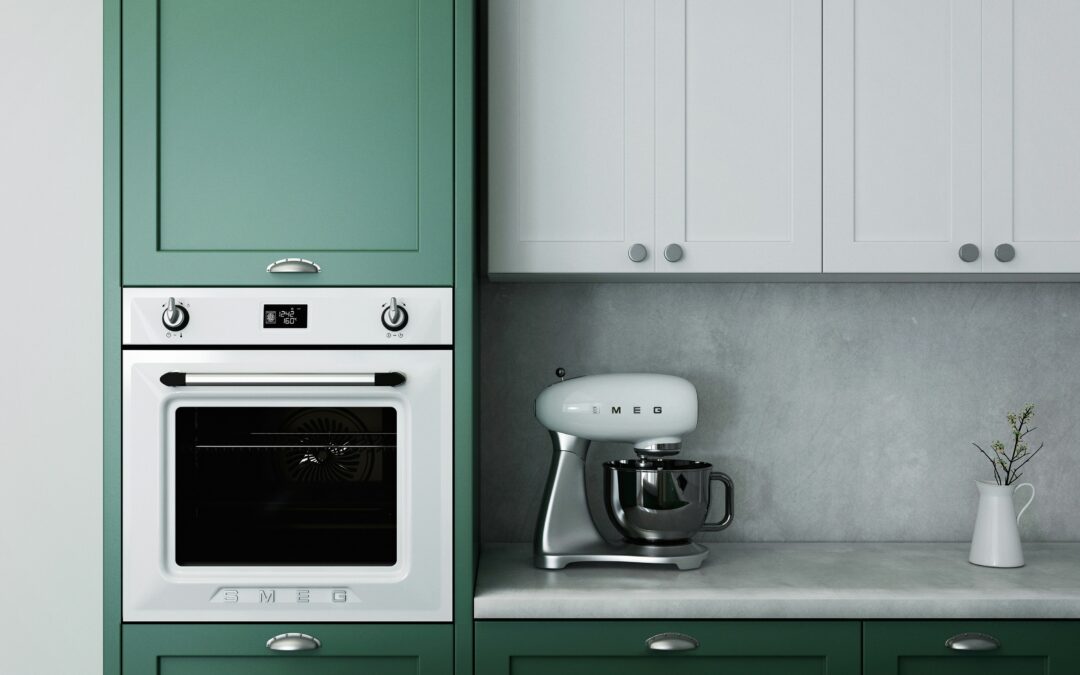
Kitchen cabinets take up the most space in your kitchen, so when they are poorly planned, everything feels harder than it should. Limited storage, awkward layouts, and mismatched finishes can quickly turn everyday tasks into frustration. These kitchen cabinet design tips help you avoid common mistakes and create a space that works effortlessly.
At Ambiance Creations, every design is guided by quality, integrity, and functionality, ensuring your kitchen is both beautiful and practical. Whether you’re remodeling or upgrading, the right cabinet decisions will define how your kitchen looks and performs.
In this guide, you will learn how to plan your layout, choose the right materials, and improve storage so your kitchen feels organized, efficient, and refined.
Planning Your Kitchen Cabinet Layout
A successful cabinet layout begins with understanding how you move through your kitchen, since every measurement and placement decision affects daily usability. When these fundamentals are handled correctly, your kitchen feels intuitive and efficient without extra effort.
Understanding Workflow and Functionality
The work triangle connects your sink, stove, and refrigerator in a triangular layout that promotes efficiency, with each leg ideally measuring between 4 and 9 feet. While this concept is a strong foundation, your personal cooking habits should ultimately guide your design choices.
Think about how you prepare meals and move throughout the space, whether that means prepping ingredients before cooking or needing quick access to cleanup zones. Creating defined work zones helps organize your kitchen more effectively, ensuring that prep, cooking, and cleaning areas each function seamlessly.
If your kitchen accommodates multiple users, spacing becomes even more important, with walkways needing at least 42 inches and work aisles ideally reaching 48 inches to prevent crowding and improve comfort.
Discover open-shelving cabinets: stylish storage for modern homes.
Measuring and Mapping Your Space
Accurate measurements are essential, so every wall, opening, and fixture should be carefully recorded and double-checked to avoid costly mistakes. Be sure to include windows, doors, outlets, switches, and even the direction doors swing, as these details influence cabinet placement.
Plumbing and gas lines should be noted precisely, since relocating them can significantly increase your overall investment. Ceiling height, soffits, and structural elements must also be accounted for to ensure a smooth installation process.
Creating a scaled drawing, either by hand or digitally, allows you to visualize your layout and experiment with different configurations before committing to final decisions.
Determining Cabinet Placement
Base cabinets serve as the foundation of your kitchen, supporting appliances and work surfaces, so their placement should be prioritized early in the design process. Standard dimensions provide a reliable starting point, but spacing around appliances is equally important for safety and usability.
Maintaining 15 to 18 inches of counter space beside your cooktop allows for safe food preparation, while upper cabinets positioned about 18 inches above the countertop ensure accessibility without crowding the workspace.
Not every wall needs upper cabinetry, and incorporating open shelving or windows can create visual balance. Specialty solutions such as pull-out drawers, lazy Susans, and wider sink cabinets enhance usability and make your kitchen more efficient.
Choosing Cabinet Styles and Materials
Cabinet styles and materials define both the appearance and durability of your kitchen, making it essential to select options that align with your aesthetic preferences and long-term needs. Each component, from door profile to finish, contributes to a cohesive design.
Selecting Cabinet Door Profiles
Cabinet door profiles establish the overall character of your kitchen, with Shaker-style doors offering a clean and versatile look that works across many design styles. Flat-panel doors provide a sleek, modern appearance, while raised-panel options introduce depth suited for more traditional spaces.
Beadboard designs bring a relaxed, cottage-inspired feel, and glass-front cabinets create openness while allowing you to display select items. Choosing simpler profiles often reduces maintenance and supports a more timeless design.
Exploring Material Options
Material selection plays a major role in longevity and performance, with solid wood remaining a preferred choice for its strength and natural beauty. Options like oak, maple, cherry, and birch offer durability and the ability to be refinished over time.
MDF provides a smooth surface ideal for painted finishes and performs well in humid environments, while plywood offers strength and moisture resistance commonly used in cabinet construction. Alternative materials like thermofoil and laminate provide easy maintenance, though they may not deliver the same lifespan as wood-based options.
Comparing Finish Choices
Finish choices influence both aesthetics and maintenance, with painted cabinets offering versatility and a clean, consistent appearance. Neutral tones remain popular for their ability to adapt to changing styles.
Stained finishes highlight the natural grain of wood, adding warmth and depth, while glazed finishes enhance detail and dimension. The level of sheen also matters, as matte finishes reduce visible smudges while higher gloss options allow for easier cleaning.
Maximizing Storage and Organization
Well-designed cabinetry balances appearance with functionality, ensuring that storage solutions support daily routines while keeping your kitchen organized and efficient. Thoughtful planning can dramatically improve how your space performs.
Incorporating Pull-Out Solutions
Pull-out shelves and drawers transform hard-to-reach areas into accessible storage, making it easier to organize cookware and pantry items. Sliding systems allow pots and pans to move toward you, reducing strain and improving convenience.
Integrated waste solutions keep trash and recycling concealed while remaining easy to access, and corner systems such as lazy Susans help maximize space that would otherwise be underutilized.
Utilizing Vertical Space
Maximizing vertical space increases storage capacity without expanding your footprint, using solutions like shelf risers to create additional layers within cabinets. Door-mounted hooks and racks provide space for smaller items that might otherwise create clutter.
Vertical dividers keep larger items like baking sheets and cutting boards upright and easy to access, while adjustable systems allow flexibility as your storage needs change over time.
Customizing Drawer Interiors
Custom drawer organization ensures that every item has a designated place, improving efficiency and reducing clutter. Dividers and inserts help separate utensils, tools, and specialty items for easier access.
Deeper drawers can incorporate flexible systems such as pegboards, allowing layouts to adapt over time, while grouping similar items together simplifies daily use and keeps your kitchen running smoothly.
Enhancing Visual Appeal
Cabinetry significantly influences the overall atmosphere of your kitchen, and thoughtful design choices can elevate the space into something cohesive and visually refined.
Selecting Hardware and Accessories
Hardware serves as a subtle yet impactful design element, with finishes like brushed nickel and matte black complementing modern spaces, while brass and bronze enhance more traditional designs. Selecting the right size and style ensures both comfort and visual balance.
Mixing knobs and pulls can add interest when done thoughtfully, and consistent finishes help maintain a cohesive look. Proper placement also improves usability while reinforcing clean design lines.
Matching Cabinets with Countertops
Pairing cabinets with countertops requires balance, ensuring that neither element overwhelms the other. Light cabinetry often pairs well with darker surfaces, while darker cabinets benefit from lighter countertops to maintain visual contrast.
Matching undertones is essential, as warm and cool tones should align to create a harmonious appearance. Edge profiles further enhance the design, with simpler edges suiting modern styles and more detailed edges complementing traditional cabinetry.
Playing with Color and Texture
Color and texture play a key role in defining the mood of your kitchen, with lighter tones creating openness and darker shades adding depth and sophistication. Two-tone cabinetry introduces contrast and visual interest without overwhelming the space.
Combining painted finishes with natural wood elements adds warmth and dimension, preventing the design from feeling flat while creating a more layered and inviting environment.
Lighting and Final Touches
Lighting and finishing details bring your kitchen together, enhancing both function and ambiance while highlighting the beauty of your cabinetry.
Integrating Under-Cabinet Lighting
Under-cabinet lighting improves visibility for everyday tasks, with LED strips providing efficient, long-lasting illumination that minimizes heat. Proper placement toward the front of cabinets ensures even light distribution across work surfaces.
Additional options like puck lights offer focused illumination, while dimmers allow you to adjust brightness based on the time of day, creating a more flexible and comfortable environment.
Showcasing Glass Cabinets
Glass-front cabinets benefit from interior lighting that highlights displayed items and adds depth to the overall design. Choosing the right color temperature allows you to create either a warm, inviting feel or a more modern aesthetic.
Textured or frosted glass offers a softer look while still allowing light to filter through, maintaining visual interest without full transparency.
Styling Open Shelves
Open shelving provides an opportunity to introduce personality into your kitchen, with carefully arranged groupings creating balance and visual appeal. Mixing heights, textures, and functional items keeps the display dynamic while maintaining usability.
Leaving space between objects prevents clutter, and maintaining a consistent color palette ensures cohesion. Rotating decorative elements seasonally keeps the space feeling fresh and thoughtfully curated.
Designing a Kitchen That Truly Works
A well-designed kitchen brings together layout, materials, storage, and finishing details into a cohesive space that supports your daily routine while maintaining a refined aesthetic. Every decision contributes to long-term performance and overall comfort.
These kitchen cabinet design tips provide a framework for creating a kitchen that is both functional and visually compelling, ensuring your space reflects how you live and interact within it.
At Ambiance Creations, every project is guided by precision, craftsmanship, and a commitment to exceptional results. Get in touch to begin creating a kitchen that is uniquely yours.
Frequently Asked Questions
What are the most important kitchen cabinet design tips to follow?
The most important kitchen cabinet design tips focus on layout, storage, and material selection. A well-planned layout improves workflow, while smart storage solutions keep everything accessible and organized. Choosing durable materials and finishes ensures your cabinets perform well over time.
How do I choose the right cabinet layout for my kitchen?
Start by considering how you move through your kitchen daily, especially between the sink, stove, and refrigerator. Creating defined work zones for prep, cooking, and cleaning helps improve efficiency and makes the space more functional.
What cabinet materials last the longest?
Solid wood and plywood are among the most durable options, offering strength and longevity. MDF is also a reliable choice for painted finishes, especially in humid environments, while laminate and thermofoil are easier to maintain but may not last as long.
How can I maximize storage in my cabinets?
Incorporating pull-out shelves, drawer organizers, and vertical dividers can significantly improve storage. Using vertical space and customizing drawer interiors helps ensure every inch of your cabinets is functional and easy to access.
Should cabinets be lighter or darker than countertops?
Cabinets and countertops should create contrast without competing visually. Light cabinets pair well with darker countertops, while darker cabinets work best with lighter surfaces, helping maintain balance and clarity in the design.
Are custom cabinets worth the investment?
Custom cabinets offer tailored storage solutions, higher-quality materials, and a more personalized design. While they require a greater investment upfront, they often provide better long-term value through durability and improved functionality.
What type of lighting works best for kitchen cabinets?
Under-cabinet LED lighting is one of the most effective options, as it improves visibility for tasks and enhances the overall ambiance. Interior lighting for glass cabinets can also add depth and highlight design features.