
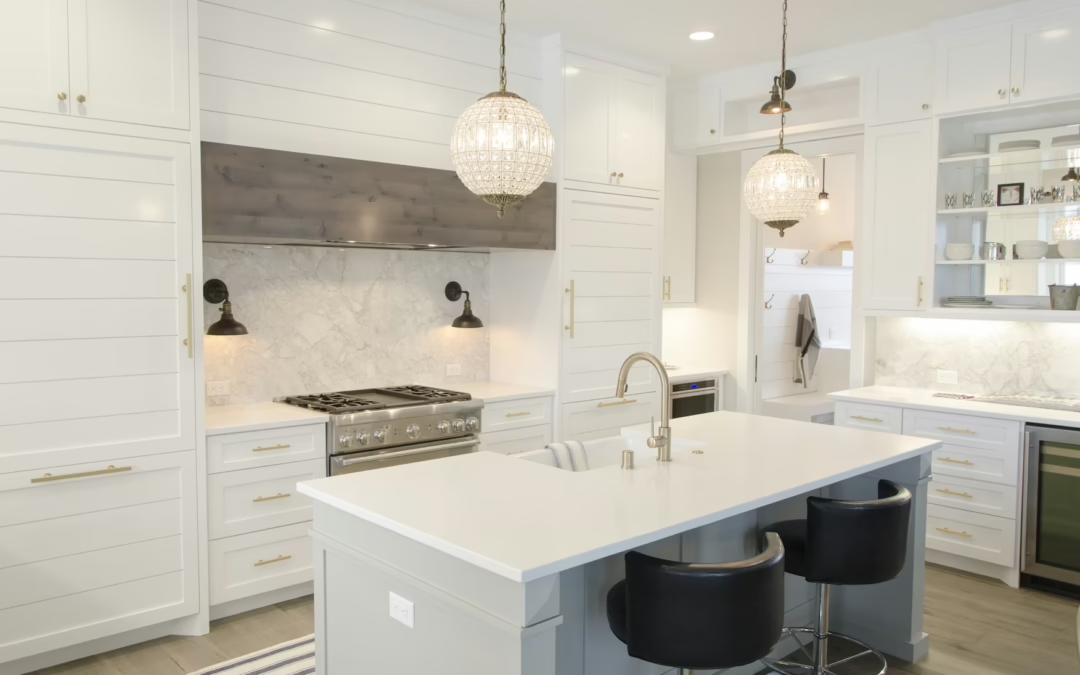
You want a kitchen that reflects your lifestyle, not compromises it. Kitchen remodel financing makes it possible to design a space in Southwest Florida that delivers both beauty and function.
At Ambiance Creations, we approach every project with precision and craftsmanship, shaping kitchens that suit coastal living and humidity demands. We guide you through thoughtful planning so your investment aligns with long-term value and daily comfort.
This guide walks you through financing options, cost factors, and approval insights tailored to your home. You’ll gain clarity on how to move forward with confidence and make decisions that truly elevate your space.
How Much You May Need to Borrow
The amount you borrow shapes what financing actually makes sense. A small project offers more choices than a full-blown renovation. Your final number depends on a handful of moving parts.
Typical Project Cost Ranges
Kitchen remodel prices are all over the map. Here are some rough estimates, depending on how ambitious you’re feeling:
| Project Size | Estimated Cost Range |
| Minor refresh (paint, hardware, fixtures) | $5,000 to $15,000 |
| Mid-range remodel (new countertops, cabinets, appliances) | $28,000 to $75,000 |
| Major renovation (full gut, layout changes, custom finishes) | $75,000 to $160,000+ |
Most people land somewhere in the middle. If you’re moving plumbing or knocking down walls, expect the price to jump fast.
Factors That Change the Budget
A bunch of things can push your budget higher or lower:
- Kitchen size. A 200-square-foot kitchen costs more than a small galley.
- Material choices. Laminate counters are way cheaper than quartz or stone.
- Labor rates. These change based on where you live and how busy contractors are.
- Permits and inspections. If you’re making structural or electrical changes, you’ll probably need permits.
- Surprises. Hidden water damage, bad wiring, or mold can tack on another 10% to 20%.
It’s smart to build in a buffer of at least 10%. Almost every remodel uncovers something unexpected, and having a cushion keeps you from running short halfway through.
Common Ways to Pay for the Project
There are a bunch of ways to fund a kitchen remodel, from loans that use your home as collateral to unsecured options that rely on your credit. The best fit depends on how much you need, how quickly you need it, and how much risk you’re willing to take.
Home Equity Loans
Home equity loans give you a lump sum based on the equity you’ve built in your house. You pay it back at a fixed rate, usually over 5 to 30 years.
Monthly payments stay the same, which makes budgeting a lot easier. Rates are usually lower than personal loans because your home backs the loan. This works best if you know exactly what your project will cost.
The catch? If you can’t make payments, your home is on the line.
HELOCs
A home equity line of credit (HELOC) works kind of like a credit card. You get approved for a maximum amount and draw from it as needed during a draw period (usually 5 to 10 years).
HELOCs are great if your project will happen in phases or if you’re not sure about costs. You only pay interest on what you borrow. Most have variable rates, so your payments can go up or down.
Personal Loans
Personal loans are unsecured, so you don’t have to put your home at risk. You get a lump sum and pay it back over 2 to 7 years.
Approval can be fast, sometimes in a day or two. Rates start around 6% and can go much higher if your credit isn’t great. These work well for mid-sized projects if you want quick cash and don’t want to tap home equity.
Cash-Out Refinancing
With a cash-out refinance, you replace your old mortgage with a new, bigger one and keep the difference as cash. This can make sense if current mortgage rates are close to or lower than your existing rate.
Just remember, closing costs on a refi can run 2% to 5% of the loan amount. The process takes a while, maybe 30 to 45 days. This is best if you need a big chunk of money and can get a good rate.
Credit Cards and Promotional Offers
Credit cards can help cover smaller costs or tide you over while waiting for other financing to come through. Some cards offer 0% APR for 12 to 21 months.
If you pay off the balance before the promo ends, you pay no interest. If not, the rate usually jumps to 20% or more. Some contractors and kitchen retailers offer their own payment plans with promo rates. Always read the fine print before signing up.
How to Compare Borrowing Costs
Choosing how to finance isn’t just about the interest rate you see at first glance. You really need to look at the total cost over the life of the loan. Even small differences in fees or terms can add up fast.
Interest Rates and APR
The interest rate tells you what you’ll pay to borrow, but the APR (annual percentage rate) includes most fees, too. Always compare APRs, not just rates.
- Home equity loans and HELOCs usually have APRs ranging from 6% to 10%.
- Personal loans can range from about 6% to 24% APR.
- Cash-out refinances generally match up with current mortgage rates.
Fixed rates make payments predictable. Variable rates might start low but can rise later.
Repayment Terms
Longer terms mean lower monthly payments, but you’ll pay more in total interest. For example, a 5-year personal loan costs less in interest than a 15-year home equity loan at the same rate, though the monthly payment is higher.
Think about how long you want to carry the debt. Matching the loan term to how long you’ll stay in the home is one way to think about it.
Fees, Closing Costs, and Penalties
Watch out for costs that aren’t always obvious:
- Origination fees on personal loans (1% to 8%)
- Closing costs on home equity loans and cash-out refis (2% to 5%)
- Annual fees on HELOCs
- Prepayment penalties for paying off early
- Late payment fees
Ask each lender for a full breakdown before you sign. Sometimes a loan with a slightly higher rate but no origination fee is actually cheaper.
Qualifying Requirements and Approval Factors
Lenders look at a few key factors when deciding whether to approve you and what rate you’ll get. Knowing where you stand before you apply can save you time and frustration.
Credit Score Expectations
Your credit score has a big impact on your rate and approval odds. Here’s a rough breakdown:
| Credit Score Range | What to Expect |
| 740 and above | Best rates and terms for most loans |
| 670 to 739 | Good rates; most options are open |
| 580 to 669 | Higher rates; not all lenders will say yes |
| Below 580 | Limited options; you might need a co-signer or collateral |
Check your credit report for mistakes before you apply. Fixing even small errors can bump your score and unlock better rates.
Home Equity and Loan-to-Value
For home equity loans, HELOCs, and cash-out refis, lenders check your loan-to-value ratio (LTV). That’s the percent of your home’s value that’s already mortgaged.
Most lenders want you to keep at least 15% to 20% equity after borrowing. For example, if your home is worth $400,000 and you owe $280,000, you have $120,000 in equity. If the lender allows 80% LTV, you could borrow up to $40,000 against that.
Income, Debt, and Documentation
Lenders need to see that you can handle the new payment. They’ll check your debt-to-income ratio (DTI), which compares your monthly debt payments to your gross income.
A DTI under 43% is a common cutoff for approval. You’ll need to have these handy:
- Recent pay stubs or income proof
- Tax returns from the last two years
- Bank statements
- Current mortgage statement (for equity-based loans)
- A government-issued ID
Having your paperwork together before you apply speeds things up and helps avoid delays.
Choosing the Right Fit for Your Situation
There’s no single “best” way to finance a kitchen remodel. The right option depends on your project size, your finances, and how much flexibility you want.
Best Options for Small Updates
If your project is $15,000 or less, you probably don’t need anything too complicated. A personal loan is fast, doesn’t require collateral, and works well for upgrades like new floors, paint, or appliances.
A 0% APR credit card also works for small purchases; you can pay off before the promo ends. Just make sure you’ve got a clear plan to pay it down.
Best Options for Major Renovations
For bigger projects, think $50,000 to $160,000; using your home equity usually makes the most sense. A home equity loan gives you a lump sum and predictable payments.
A cash-out refinance can be a good move if you can lock in a solid mortgage rate. These options tend to offer lower interest rates than unsecured loans, which saves you a lot over time.
When Flexibility Matters Most
Kitchen remodels almost never go exactly as planned. If your project is happening in phases or your budget keeps shifting, a HELOC can offer real flexibility.
You can draw funds as you need them, paying interest only on what you use. That’s a relief when your contractor bills in stages or you’re still picking out materials as you go.
Just remember to watch for changes in variable rates. Those can sneak up on you if you’re not paying attention. Take some time to get quotes from at least two or three lenders. Comparing offers side by side is probably the easiest way to keep your borrowing costs down.
Your Southwest Florida Home Deserves Thoughtful Investment
A well-designed kitchen reflects more than style. It supports how you live, entertain, and move through your home each day. With the right approach to kitchen remodel financing, you align your investment with lasting quality and performance.
At Ambiance Creations, we bring together refined design, material expertise, and seamless coordination across every phase. We ensure your project moves forward with clarity, so each decision enhances both function and long-term value in your Southwest Florida home.
Now is the time to take the next step toward a kitchen that truly serves you. Get in touch to explore your options and move forward with confidence.
Frequently Asked Questions
What is the best way to approach kitchen remodel financing in Southwest Florida?
The best approach depends on your project size, timeline, and home equity. In Southwest Florida, many homeowners use a mix of financing tools to balance flexibility and long-term value. Choosing the right option ensures your investment supports both design quality and coastal durability.
Can I finance a high-end kitchen remodel using home equity?
Yes, you can use home equity loans or HELOCs to fund a high-end remodel. These options often provide lower interest rates and higher borrowing limits, which suit larger projects in Naples or Marco Island. They also align well with long-term ownership and property value growth.
How do I estimate the total cost before applying for financing?
Start by defining your scope, including layout changes, materials, and appliances. In Southwest Florida, factors like humidity-resistant cabinetry and ventilation systems can influence costs. A clear plan helps you secure the right financing amount without overextending your investment.
Are personal loans a good option for kitchen remodel financing?
Personal loans work well for mid-sized projects that don’t require tapping into home equity. They offer fast approval and fixed payments, which can simplify planning. However, rates may be higher, so they suit shorter timelines or smaller scopes.
What should I consider when comparing financing options?
You should compare APR, repayment terms, and total borrowing cost over time. In coastal areas, aligning your financing with durable materials and long-term performance is especially important. This ensures your kitchen remodel financing supports both function and longevity.
How long does it take to get approved for kitchen remodel financing?
Approval times vary based on the financing type and your financial profile. Personal loans may be approved within days, while equity-based options can take several weeks. Preparing documentation in advance helps streamline the process.
Can financing be adjusted if my kitchen project scope changes?
Yes, flexible options like HELOCs allow you to draw funds as your project evolves. This is especially helpful when selections or timelines shift during a remodel. View Our Work to see how thoughtful planning supports a seamless kitchen transformation.