
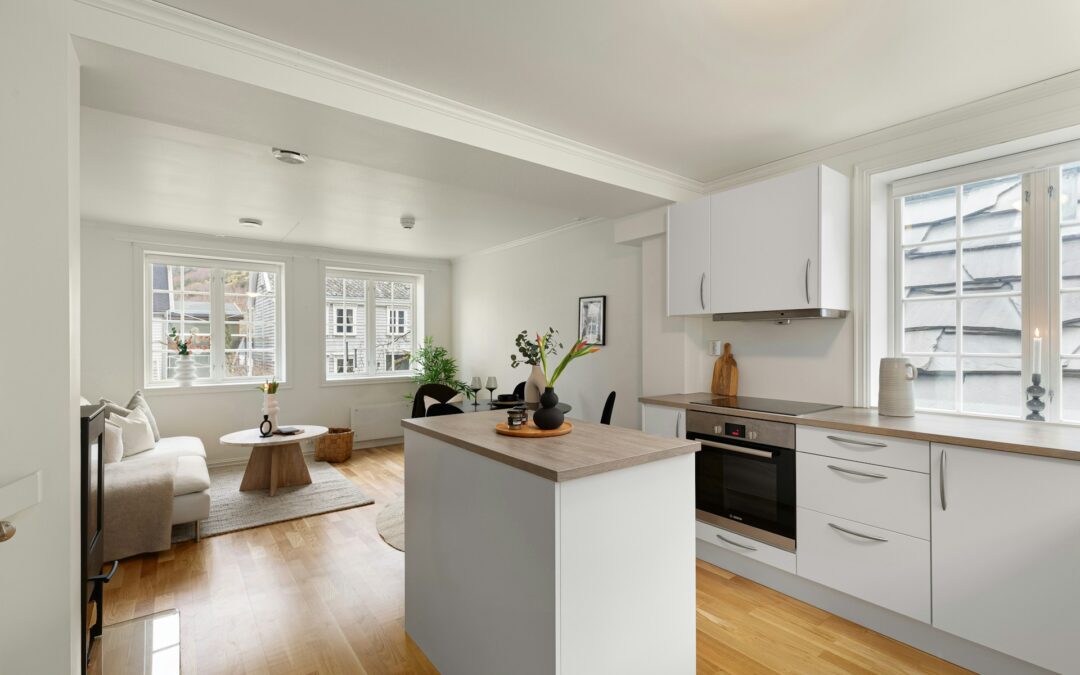
A well-designed kitchen should make daily life easier, not add stress. If your layout feels cramped, storage is never enough, or traffic flow turns cooking into a chore, it’s time for a smarter plan.
At Ambiance Creations, kitchen remodeling and designing start with how you live, then build beauty around function. That means Florida-ready materials, a clear workflow, and choices that stay timeless.
Inside, you’ll find layout fixes that reduce bottlenecks, storage upgrades that actually work, and planning steps that help prevent costly surprises.
Understand Kitchen Remodeling Design Before You Start
Remodeling your kitchen goes beyond a facelift. It means rethinking how your kitchen works, its flow, and how it fits your life. With a smart plan grounded in strong design principles (and often expert guidance), your kitchen can stay practical and beautiful for years.
Depending on your goals, you may add storage, adjust the kitchen’s size, or shift walls and doorways to improve function. Most projects start by pinpointing what isn’t working and what you want instead.
Do you need more room to prep, better organization, or a kitchen built for hosting? These answers guide every decision, and the result is an investment that can raise home value and daily enjoyment.
Design Principles in Kitchen Renovation
Good design balances form and function. Your kitchen should feel inviting while making everyday tasks easier.
Start with layout, workflow, and smart use of space. The classic work triangle (sink, stove, refrigerator) reduces extra steps and supports smoother cooking.
From there, many modern plans add an island or peninsula for prep space and seating. Smart storage, such as pull-out shelves and built-in organizers, helps keep clutter in check.
Finally, layered lighting (ambient, task, accent) supports both mood and usability. Durable surfaces like stone or engineered quartz can handle Florida’s sun and humidity with fewer worries.
Importance of Professional Planning
Professional planning brings your vision to life in a way that truly works. It helps reduce costly mistakes and delays by resolving details early.
Skilled designers translate lifestyle needs into a clear plan, then coordinate trades and schedules to keep the process smoother.
They also understand local codes, warranties, and materials that perform in Southwest Florida’s climate. That expertise supports a kitchen that lasts.
Planning Your Kitchen Remodel
A strong start comes from clear goals, a realistic scope, and a timeline that fits your home life. When those pieces are in place, your project stays on track, and your decisions stay confident.
Setting Goals and Investment
Start by defining what you want your kitchen to do. Consider style, function, and how you cook or entertain day to day. Next, write your priorities in order. For example, are you aiming for more storage, better lighting, or a more open layout?
Then, plan your investment carefully. Consider materials, labor, and a cushion for unexpected changes or hidden conditions.
A clear investment limit helps prevent surprises, especially when selecting humidity- and salt-resistant cabinetry and engineered surfaces.
Identifying Your Needs
Your kitchen should reflect how you live. Do you cook daily, or do you host more than you sauté? Do you need storage for appliances, or an island for casual meals and homework?
To clarify what matters most, list your must-haves and nice-to-haves:
- Large fridge or two smaller units?
- Multiple ovens or one high-end model?
- More counter space or more seating?
Once you know your priorities, it becomes easier to shape a layout that supports your habits. A design team can also help maximize potential without overcomplicating the plan.
Timeline Considerations
Understanding time requirements makes planning far easier. Kitchen remodels can run from several weeks to a few months, depending on the scope and material lead times.
Break the timeline into phases: design, approvals, ordering, demolition, installation, and final details. Shipping, inspections, and trade scheduling can add time between phases.
Because delays happen, plan for setbacks such as late arrivals or surprise repairs. A flexible mindset reduces stress and keeps the work moving forward.
Layout and Space Optimization
Kitchen function improves when layout, storage, and movement are planned together. The goal is a space that feels open, orderly, and effortless to use.
Choosing the Right Kitchen Layout
Your layout is the foundation of how the kitchen works. Common options include galley, L-shape, U-shape, and island designs.
A galley layout fits narrow spaces by placing counters and appliances on opposing runs. An L-shape opens the room and works well in small to mid-size kitchens.
If you cook with others, an island can add prep space and become a daily gathering point. Choose a layout based on how many people cook, eat, and move through the space each day.
Maximizing Storage Solutions
Storage determines how calm and functional your kitchen feels. Use every inch with built-ins, pull-outs, and deep drawers.
Custom cabinetry can include corner carousels, vertical dividers, and hidden trash bins. These features keep items accessible while reducing countertop clutter.
Also, use vertical space with taller uppers that reach the ceiling. Open shelving can add style and quick access for everyday items. For the best results, plan storage around routines. Keep tools near prep zones and group similar items together for easier reach.
Enhancing Traffic Flow
A kitchen should support easy movement, especially when multiple people are cooking or cleaning at once. Prevent bottlenecks by creating clear paths between key zones.
The work triangle connects the sink, stove, and refrigerator with a comfortable walking space. Aim for about 4 to 9 feet between points.
Keep walkways at least 36 inches wide. Around an island, allow 42 to 48 inches for smoother circulation. When the flow is right, no one has to squeeze past or wait in line. Every day kitchen life simply feels easier.
Selecting Cabinetry and Countertops
Cabinetry sets the foundation of the kitchen, and countertops add durability and style. Together, they define the look and performance of your most-used space.
Types of Cabinets
Cabinets come in many styles and materials, and each affects both appearance and function. Popular looks include Shaker for clean lines and flat-panel for a sleek, modern feel.
Wood choices like maple, oak, and cherry add warmth and strength. Engineered options can improve stability and lower maintenance, which can be helpful in humid conditions.
Finish matters, too. Painted cabinets shift the room’s tone, while stained finishes highlight wood grain. Hardware can also make a major impact, and it’s one of the fastest ways to refresh a look. To support daily function, consider deep drawers, pull-out shelves, and smart dividers to reduce clutter.
Countertop Materials and Styles
Countertops must handle daily wear while looking great beside your cabinets. Common materials include quartz, granite, marble, and laminate.
Quartz is popular for its low maintenance and resistance to stains and scratches. Granite offers natural variation but needs periodic sealing. Marble delivers a high-end look but is more prone to etching and scratching.
Color and texture shift the mood. Light tones can open the room, while darker stone adds contrast and drama. Edge profiles also matter for style and comfort, especially in high-traffic kitchens. In Florida, prioritize surfaces that tolerate humidity and sunlight without constant upkeep.
Appliance Integration and Placement
Well-planned appliances make the kitchen feel cohesive and work more efficiently. The best layouts reduce awkward steps, counter clutter, and pinch points.
Choosing Energy-Efficient Appliances
Energy-efficient appliances can lower utility bills and support a greener home. Look for the ENERGY STAR label when available.
Choose appliances that match household size and cooking habits. Features like power-saving modes can add convenience over time.
Most importantly, select appliances early in the kitchen remodeling design process. When sizes and specs are confirmed up front, cabinetry, clearances, and electrical needs can be planned accurately. That preparation makes installation smoother and the finished layout more satisfying.
Make Your Kitchen Flow: Strategic Appliance Positioning
Place appliances to support a natural rhythm between prep, cooking, and cleanup. The work triangle helps keep movement efficient.
Keep the main points clear and properly spaced, usually 4 to 9 feet apart. That spacing prevents collisions and keeps the workflow comfortable during busy moments.
Add landing zones near key appliances. Leave counter space beside the fridge for groceries and beside the oven for hot dishes.
Install ovens and microwaves at heights that are comfortable for daily use. Built-in and panel-ready options can also create a cleaner look, with appliances sitting flush and blending into cabinetry.
Lighting That Works and Wows
Lighting affects how your kitchen feels and how well you can work. The right mix creates warmth, clarity, and a polished finish you notice every day.
Task and Ambient Lighting
Task lighting targets work areas such as counters, sinks, and cooktops. Under-cabinet lights reduce shadows for safer prep.
Ambient lighting fills the room with a soft, even glow. Recessed fixtures and dimmers help adjust the mood as the day changes.
When you combine both types, your kitchen stays comfortable and functional from morning coffee to late-night cleanup.
Choosing Fixtures for Style
Fixtures shape the kitchen’s character. Pendants over an island can be both a focal point and a practical source of light.
Choose shapes and finishes that fit your overall design, such as brushed metal for modern rooms or glass for an airy look.
Accent lighting can highlight features you love, from art to open shelving. A few intentional fixture choices can make the whole space feel finished and personal.
Flooring and Wall Treatments That Last
Kitchen surfaces need to stand up to daily messes while still looking refined years later. In Florida, durability matters even more because humidity and sun can be tough on finishes.
Popular Kitchen Flooring Options
Kitchen floors face spills, moisture, and heavy traffic. Porcelain tile, luxury vinyl plank, and hardwood are common choices.
Porcelain tile resists water and cleans easily, making it a strong fit for busy kitchens. Luxury vinyl plank can mimic wood or stone while feeling softer underfoot. Hardwood adds warmth and timeless appeal, but it needs proper sealing for humidity. Natural stone looks impressive but requires more maintenance and care.
Backsplashes and Wall Finishes
Walls protect against splatters and define the visual tone. Ceramic and glass tile backsplashes stay popular for easy cleaning.
Textured or patterned tile can add interest without overwhelming the room. Panels and water-resistant paint offer simpler updates.
Coordinating backsplash, counters, and flooring creates cohesion. Taking time here often elevates the whole design.
Color Schemes and Material Selection: Setting the Tone
Your colors and materials shape the kitchen’s personality and its long-term performance. In kitchen remodeling and designing, it pays to balance style with practicality for Florida living.
Coordinating Colors and Textures
Begin with a main tone for cabinets and walls. Soft grays, warm beiges, and creamy whites keep the space bright and calm.
Add depth with accents such as navy, deep green, or muted blues. Texture matters, so mix smooth finishes with wood grain or stone.
Matte cabinets pair well with polished quartz or stone. You can mix sheen levels, but keep a consistent palette for harmony. Also, consider color temperature, since warm tones feel cozy and cool tones feel crisp and modern.
Blending Materials for Cohesion
Choose materials that handle the sun and humidity. Engineered quartz is durable and low-maintenance, and stone can perform well with proper care.
Wood cabinetry needs finishes that protect against moisture while maintaining character. Coordinate tile, counters, and cabinetry to avoid visual clutter.
Material pairings to consider:
- Quartz countertop + matte or glossy cabinets: durable, easy to clean
- Natural wood + stone tile backsplash: warmth and texture contrast
- Porcelain tile + solid-color cabinetry: moisture resistance
Flooring should also fit the climate. Porcelain or stone tile performs well in humidity, and wood-look porcelain can deliver warmth with durability.
Eco-Friendly Kitchen Design: Small Choices, Big Impact
A greener kitchen starts with thoughtful materials and efficient energy use. These choices reduce environmental impact while improving resilience and comfort.
Green Material Options
Renewable and reclaimed materials can add character and reduce demand for new resources. Consider reclaimed wood or bamboo when suitable.
Recycled glass and some engineered surfaces can be durable and low-maintenance in humid climates. Low-VOC paints and finishes can support healthier indoor air quality.
Salvaged elements can be a smart way to personalize the space while reducing waste.
Energy-Saving Features
Efficient appliances can reduce energy use without sacrificing performance. When possible, select ENERGY STAR-rated models.
LED lighting with dimmers saves power and improves flexibility. Maximizing natural light can reduce daytime lighting needs. Water-saving fixtures and smart controls can add convenience while helping your kitchen run more efficiently.
Working with Pros: Making Your Remodel Smoother
The right team can make the process less stressful and more predictable. Clear roles and communication protect quality and keep your vision on track.
How to Find the Right Kitchen Designer
Look for a designer who listens well and understands Florida conditions. Sun exposure and humidity can affect material performance.
A strong designer helps you select durable surfaces, cabinetry, and appliances that fit your life. They should also share investment ranges and timelines clearly to reduce surprises.
Ask about the process, documentation, and how they handle changes or unexpected issues. The best relationships balance your vision with honest, experience-based guidance.
Collaborating with Contractors
Contractors bring the plan to life. Keep communication consistent to avoid delays and misunderstandings.
Review the schedule, daily site expectations, and standards for cleanliness and protection of adjacent spaces.
Clarify who is coordinating each trade, including plumbing, electrical, and installation teams. When the designer and contractor work as one unit, your investment is better protected and the outcome is easier to achieve.
Finishing Touches: Make It Yours
Details give the kitchen its personality. Decor and smart features can add comfort, convenience, and a sense of home. The best finishing choices support daily life while reinforcing a cohesive design.
Decorative Elements
Small upgrades can make a big impact. Consider textured backsplashes or statement hardware such as brass or matte black.
Layered lighting adds comfort and function, especially with under-cabinet lighting and pendants. Artwork, greenery, and a few meaningful objects add warmth without clutter.
Open shelving can display favorites and keep essentials close. Natural stone and wood fit the Florida style and can perform well with proper finishes.
Incorporating Smart Technology
Smart features can make kitchen routines easier. Touchless faucets and smart lighting reduce contact and add convenience.
Connected appliances can support preheating, monitoring, and efficiency. Well-designed storage (soft-close drawers, pull-outs) also improves daily use. When chosen carefully, tech upgrades feel seamless and support a kitchen that works as well as it looks.
Bring Clarity Back to Your Kitchen
A kitchen remodel should solve daily frustrations, not create new ones. When layout, storage, and material choices work together, cooking and gathering feel effortless again.
Clear planning and durable selections protect your investment and help your kitchen perform beautifully in Florida’s climate.
If you’re ready to turn confusion into confidence, Ambiance Creations is here to help. Get in touch to start designing a kitchen that truly works for your life.
Frequently Asked Questions
What does kitchen remodeling and designing include?
Kitchen remodeling and designing covers layout planning, workflow, storage strategy, materials, finishes, lighting, and appliance integration. It connects how the kitchen looks with how it performs, so daily routines feel ea,sier and the space stays cohesive.
When should I choose appliances during the design process?
Choose appliances early, ideally before final cabinet drawings. When sizes, venting, electrical, and clearances are confirmed up front, your cabinetry, landing zones, and traffic flow can be designed correctly, which reduces costly adjustments later.
How do I know if I need to change my kitchen layout?
If you regularly feel crowded, take too many steps between key zones, or have bottlenecks around the sink or fridge, your layout likely needs attention. A design review can identify whether a simple reconfiguration, an island adjustment, or a larger change will improve function.
What are the best storage upgrades for a kitchen remodel?
The best upgrades are the ones that match how you cook and clean. Deep drawers for pots, pull-out shelves for base cabinets, tray dividers, corner solutions, and a dedicated trash pull-out can make the kitchen feel calmer and more efficient without adding square footage.
Which countertop materials work well for Florida homes?
Engineered quartz is popular for durability and low maintenance, and many natural stones perform well with proper care. In Florida conditions, prioritize materials that tolerate humidity, heat, and daily use, and confirm sealing and care requirements before final selection.
What cabinet features help kitchens stay organized long term?
Functional interiors matter as much as door style. Look for soft-close drawers, full-extension glides, adjustable shelves, pull-out pantry storage, and customized zones for small appliances, recycling, and cooking tools so everything has a logical home.
What lighting plan makes a kitchen feel brighter and more usable?
A layered plan works best: recessed or surface-mounted ambient lighting for the room, under-cabinet task lighting for counters, and statement fixtures or accents for warmth. Dimmers help shift the mood from cooking to entertaining without changing the entire setup.
How long does a typical kitchen remodel take?
Timelines vary by scope, but most projects span several weeks to a few months. Design and selections, ordering and lead times, demolition, installation, and final punch work all add up, so planning early helps reduce surprises.
How can I reduce disruption during a kitchen remodel?
Finalize key decisions early, confirm lead times before demolition, and plan a temporary kitchen zone for essentials. Clear communication on schedules, site access, and daily cleanup expectations can make the remodel feel far more manageable.
What mistakes should I avoid in Kitchen remodeling designing?
Common issues include choosing finishes before confirming layout, delaying appliance selection, underestimating storage needs, and skipping lighting layers. Avoiding these missteps starts with a clear plan that prioritizes workflow, durability, and long-term usability.