
Your kitchen sink and cabinet affect how smoothly your day runs, from morning prep to nightly cleanup.
When storage is poorly planned, sinks feel cramped, and materials don’t handle moisture well, even simple tasks become frustrating. Clutter builds fast, water damage becomes a concern, and the space never feels efficient.
At Ambiance Creations, we focus on solving those issues, helping you create a layout that works better, lasts longer, and supports real daily use. Keep reading to learn how to choose the right sink style, size, and materials that make cleanup faster and organization easier
Sink and Cabinet Kitchen Essentials
A good kitchen combines the right sink with well-built cabinets to create a workspace that fits your needs. The sink cabinet anchors your kitchen’s busiest area, bringing together plumbing, storage, and function.
Key Components of Sink and Cabinet For Kitchens
Your sink cabinet system includes a few key parts that work together. The sink base cabinet supports your sink and gives access to plumbing connections underneath.
These cabinets usually measure about 36 inches wide, 24 inches deep, and 34.5 inches tall. Inside, there’s usually an open space with no shelves or drawers in the main section, so you can fit your garbage disposal, water supply lines, and drain pipes.
Many designs now add side storage or pull-out drawers to make better use of the space around your plumbing. That’s a huge help if you’re tired of searching in the dark under the sink.
The countertop sits on top of the cabinet and supports your sink. There’s a cutout in the counter that matches your sink’s dimensions.
Manufacturers reinforce the cabinet floor to handle the weight of a full sink and whatever you stash below. You’ll want that, especially if you tend to let dishes pile up.
Types of Kitchen Sinks
Drop-in sinks rest on top of your counter with a visible rim. You can install these yourself pretty easily, and they work with most countertop materials.
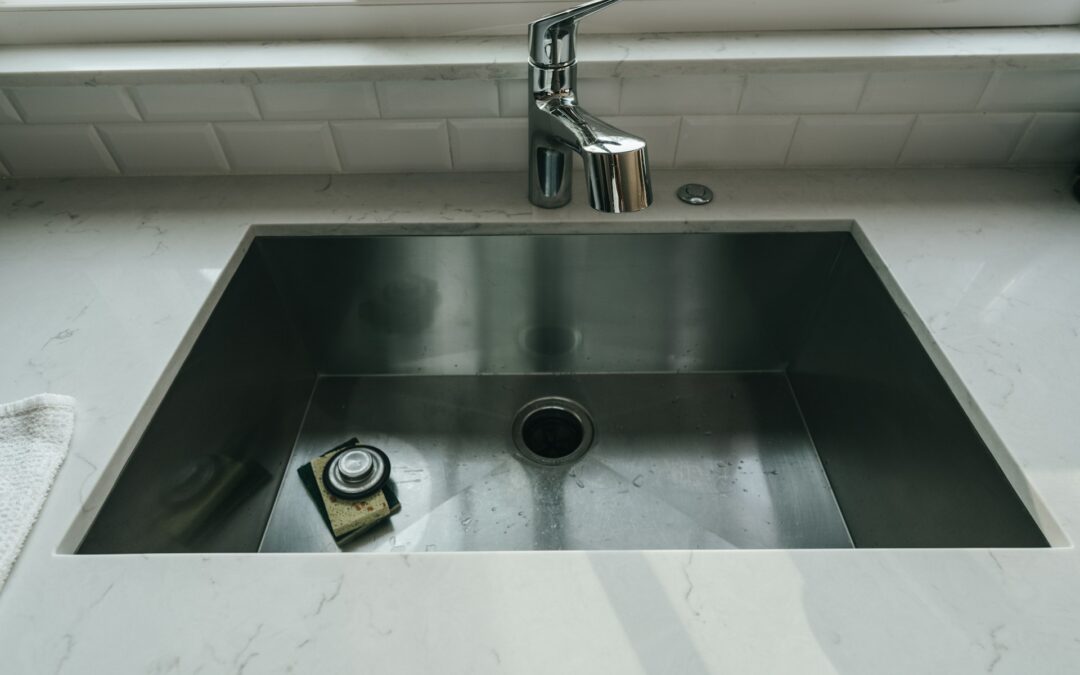
Undermount sinks attach below the counter for a clean, modern look. You’ll need a solid countertop material like granite or quartz, and professional installation is usually the best route. Wiping crumbs straight into the sink is genuinely satisfying.
Farmhouse sinks extend past your cabinet front with an exposed apron. These big, deep basins need special sink base cabinets built to support their weight and fit their unique shape.
Integrated sinks combine the sink and counter in one seamless piece. You’ll find these in stainless steel or solid surface composites.
Cabinet Materials and Styles
Solid wood cabinets are durable and have that classic look many homeowners love. Oak, maple, and cherry are popular picks. If they get dinged up, you can refinish them.
Plywood construction brings strength and moisture resistance. Good cabinets use plywood for the box, even if the doors are solid wood.
MDF (Medium Density Fiberboard) costs less than wood and works well for painted finishes. Just keep it dry. If it gets wet, it swells.
Laminate cabinets have a protective coating over particle board or MDF. They resist moisture better than bare MDF and come in tons of colors and patterns. If you’re trying to keep costs controlled, they’re a strong option.
You’ve got style choices like shaker, flat-panel, raised-panel, and louvered. Each one changes the vibe of your kitchen while doing the same basic job.
Choosing the Perfect Sink for Your Kitchen
The right kitchen sink balances practical needs with your design goals. Three main things shape this decision: how the sink mounts, the size and depth you need, and the material that fits your investment level and lifestyle.
Top-Mount vs. Undermount Sinks
Top-mount sinks (also called drop-in sinks) rest on top of your counter with a visible rim. You can use them with any countertop material, and if you’re handy, you can often install one yourself.
The rim helps contain water, but it can make wiping crumbs into the sink more annoying. Undermount sinks attach beneath the countertop for a clean, seamless look.
You can sweep spills right from the counter into the sink with no rim in the way. You’ll need a water-resistant countertop like granite or quartz, and it’s usually a job for the pros since the sink needs strong, secure support.
Your choice affects daily cleaning and the overall style of your kitchen sink and cabinet. Top-mount works well for DIY and cost control. Undermount delivers a sleeker look, with a higher install investment.
Size and Depth Considerations
Measure your cabinet base before you shop. Your sink can’t be wider than the cabinet holding it. Most kitchen sinks run from 22 to 33 inches wide.
Leave at least 3 inches between the sink edge and cabinet walls for support. Standard sink depth is 8 to 10 inches.
Deeper sinks hold more dishes and reduce splashing, but you’ll bend farther to reach the bottom. If you’re shorter or have back issues, 8 inches can be the better choice.
Think about how many bowls you need. Single-bowl sinks give you room for big pots and baking sheets. Double-bowl designs let you wash on one side and prep or rinse on the other.
Selecting Sink Materials
Stainless steel is still the most popular. It resists stains, handles heat, and works for most investment levels. Go for 18-gauge or lower numbers for better quality.
Composite granite sinks blend stone and resin for a matte finish that hides scratches and water spots. They cost more than stainless but offer better sound dampening and come in lots of colors.
Cast iron with porcelain coating gives a classic look and serious durability. These are heavy and need strong cabinet support, but they can last decades with proper care. The coating can chip if you drop something heavy.
Fireclay sinks deliver the farmhouse look with a smooth, glossy surface that resists stains and scratches. They’re expensive and heavy, but they don’t chip as easily as cast iron.
Selecting the Right Kitchen Cabinets
Your cabinet choice impacts both the look of your kitchen and how well things work with your sink. Material quality, storage layout, and finish all matter in a sink-and-cabinet kitchen that truly works for you.
Base Cabinets for Sink Installations
Your sink base cabinet has to stand up to water and plumbing fixtures. Standard sink base cabinets are 36 inches wide, but you’ll find options from 30 to 42 inches depending on your sink.
Look for cabinets made from water-resistant materials like plywood or marine-grade particleboard. These won’t warp or break down if they get wet.
The cabinet should have a water-resistant coating on all interior surfaces. Make sure there’s enough depth for your plumbing. Most base cabinets are 24 inches deep, which is standard.
You’ll want easy access to shut-off valves and drain pipes. Check for a false drawer front at the top if you want a seamless look. It hides the sink while keeping the cabinet face looking consistent.
Some models include tip-out trays behind the false front for sponges and scrub brushes. That’s a simple upgrade that keeps things tidy.
Storage Solutions and Organization
Smart storage makes your sink cabinet more useful. Pull-out trays and shelves let you grab supplies from the back without crawling in.
These are great for cleaning supplies and trash bins. A tilt-out tray at the sink front is perfect for soap and sponges, keeping everything within reach while you’re washing up.
Some cabinets come with built-in dividers to organize cleaning products. Door-mounted racks work well for spray bottles, dish soap, and hand towels.
Under-sink organizers with adjustable shelves help you work around plumbing. Drawer inserts near your sink keep utensils, dish towels, and tools in order.
Think about your daily habits. If you compost, a pull-out bin system is a major quality-of-life improvement. If you store lots of products, go for deeper shelves with risers so you can see everything.
Finishes and Colors
Cabinet finishes need to stand up to water, grease, and daily wear. Painted finishes in semi-gloss or satin are easy to clean and hold up well near sinks.
Darker colors hide water spots better than lighter ones. Wood stains show off natural grain but need more maintenance. Add a protective topcoat to improve moisture resistance.
Light stains like oak or maple brighten up your kitchen, while darker walnut or espresso adds depth. Laminate finishes are cost-effective and resist moisture well.
They come in many colors and patterns, including realistic wood looks. Thermofoil cabinets have smooth surfaces that wipe clean, but can peel if they get too much heat or moisture.
Try to coordinate your cabinet finish with your sink material. Stainless steel sinks pair nicely with gray or white cabinets. White farmhouse sinks look great with both painted and stained cabinets. Dark sinks pop against lighter cabinet colors if you want contrast.
Installation and Maintenance Tips
Getting your sink and cabinet setup right from the start can save you a lot of hassle later. The key is choosing the right installation approach, waterproofing properly, and staying consistent with care.
Professional vs. DIY Installation
Installing kitchen cabinets yourself can save money if you’ve got basic carpentry skills and tools. You’ll need a level, drill, stud finder, and cabinet hardware.
First, locate the wall studs, secure the upper cabinets, and then install base cabinets while keeping everything level. Sink installation adds complexity: plumbing connections and the risk of water damage.
You’ll assemble the hardware, mount the sink, and make leak-proof plumbing connections. Many homeowners do this themselves with step-by-step guides.
If you’re not comfortable with plumbing or carpentry, hiring a pro is worth the investment. Installation mistakes can lead to leaks, water damage, and expensive repairs. Professionals work faster and often offer labor warranties, which adds peace of mind.
Proper Sealing and Waterproofing
Water is the enemy of kitchen cabinets. Seal all gaps between the sink and countertop with waterproof silicone caulk.
Apply a continuous bead around the sink rim and smooth it out before it dries. Check inside the cabinet for any exposed wood around plumbing holes. Seal these areas with waterproof caulk or primer.
A drip tray or plastic liner under the sink can catch leaks before they damage the cabinet bottom. Inspect the seals around your faucet base and sink drain connections.
Leaks show up here often. Tighten loose connections and replace worn washers or gaskets right away.
Cleaning and Care for Longevity
Wipe down cabinet surfaces weekly with a damp cloth and mild soap. Skip harsh chemicals or abrasive cleaners since they can dull or damage finishes.
Dry everything right away to minimize water spots and moisture. Clean your sink daily to avoid stains and buildup.
Use baking soda and water for stainless steel sinks, and avoid bleach on porcelain or composite materials. Check under the sink monthly for leaks, moisture, or mold.
Tighten cabinet hardware every few months since normal use can loosen screws. If you spot water damage, dry the area and fix the source as soon as possible. A little regular maintenance goes a long way.
Trendy Design Ideas for Sink and Cabinet Kitchens
Today’s kitchens focus on smart storage, sustainable materials, and tech that makes cooking easier. Trends can help you create a space that looks good and works for your real life.
Modern Layouts and Configurations
Floor-to-ceiling cabinetry is popular for 2026 kitchens. You get extra storage without taking up more floor space.
Store rarely used items on higher shelves and keep everyday pieces within easy reach. Hutch cabinets are back, too: tall, stylish, and practical.
They combine open shelves with closed storage, so you can display favorite dishes while hiding visual clutter. They work in both small and large kitchens.
Popular sink placement options include:
- Undermount sinks that sit flush with your countertop for easy cleanup
- Farmhouse sinks in kitchen islands for a statement look
- Corner sinks that make the most of awkward L-shaped layouts
Two-tone cabinet designs are everywhere. You might go darker on the bottom and lighter on top, or paint your island a different color than your wall cabinets.
Eco-Friendly Features
Sustainable materials are taking center stage in kitchen design. Recycled materials and responsibly sourced wood help lower environmental impact while staying stylish.
Water-saving faucets with aerators can cut water use by up to 30%, while maintaining solid pressure for rinsing dishes or prepping.
Look for cabinets with low-VOC finishes and formaldehyde-free construction. These choices can support better indoor air quality. Bamboo and reclaimed wood cabinets are gaining traction as eco-friendly alternatives. They offer a fresh twist on traditional materials and look refined.
Composite sinks made from recycled granite or quartz bring durability and a sustainability angle. They resist scratches and stains, and they come in colors that suit many palettes.
Incorporating Smart Technology
Smart faucets with touchless sensors improve convenience and cleanliness. Wave your hand to turn the water on or off when your hands are messy.
Voice-activated features can control your faucet, lighting, and appliances through your home system, helping you adjust settings while you cook or clean.
Cabinet lighting with motion sensors adds everyday luxury. LED strips inside cabinets brighten back corners and add a clean, modern edge.
Smart features to consider:
- Temperature-controlled faucets with digital displays
- Charging stations tucked into cabinet drawers
- Automated cabinet doors that open with a gentle push
- Water filtration systems built right into the faucet
Smart sinks with built-in cutting boards and colanders streamline food prep. Some models include multiple workstations in one sink, creating a spot for each task.
When Your Sink and Cabinets Finally Work Together
A poorly planned kitchen sink and cabinet creates daily friction, from wasted space to constant moisture issues and hard-to-clean surfaces. When the layout, materials, and storage are aligned, everyday tasks become easier, and your kitchen feels calmer and more efficient.
Ambiance Creations helps homeowners solve these frustrations with thoughtful design and durable solutions. Get in touch!
Frequently Asked Questions
How do I choose the right sink for my existing cabinets?
Start by measuring your base cabinet width and depth. Your sink must fit comfortably inside the cabinet while leaving room for plumbing and support. Most sinks need at least three inches of clearance on each side to install securely.
Also consider how you use your kitchen daily. Larger or deeper sinks work better for heavy cooking, while smaller sinks may suit compact layouts or secondary prep areas.
Can I replace my sink without changing my cabinets?
In many cases, yes. Drop-in sinks are the easiest replacement option because they rest on top of the countertop cutout. Undermount or farmhouse sinks may require cabinet modifications or countertop changes.
Always confirm cabinet strength and opening size before choosing a new sink style.
What cabinet material works best around a kitchen sink?
Plywood construction performs best near sinks because it resists moisture and warping better than particleboard or MDF. A sealed interior finish is just as important as the exterior material.
Look for cabinets with water-resistant coatings and reinforced bases to handle long-term exposure to humidity and occasional leaks.
Is a single-bowl or double-bowl sink better?
Single-bowl sinks provide more space for large pots and baking sheets, making them popular in modern kitchens. Double-bowl sinks help separate washing and rinsing tasks but require wider cabinets.
Your decision should reflect how you cook, clean, and use your sink throughout the day.
How can I improve storage under my sink?
Pull-out trays, adjustable organizers, and door-mounted racks help maximize under-sink space around plumbing. Tip-out trays at the sink front are useful for sponges and small items.
Planning storage early prevents wasted space and keeps everyday supplies easy to reach.
What countertop types work best with sink and cabinet kitchens?
Solid surfaces like quartz, granite, and solid-surface composites pair well with undermount sinks for a clean, seamless look. Laminate countertops work best with drop-in sinks.
Your countertop choice affects installation options, maintenance needs, and long-term durability.
How do I protect cabinets from water damage?
Seal all sink edges and plumbing cutouts with waterproof silicone caulk. Use a drip tray or liner inside the cabinet to catch minor leaks.
Regularly check connections under the sink to catch moisture issues early and extend the life of your cabinets.