
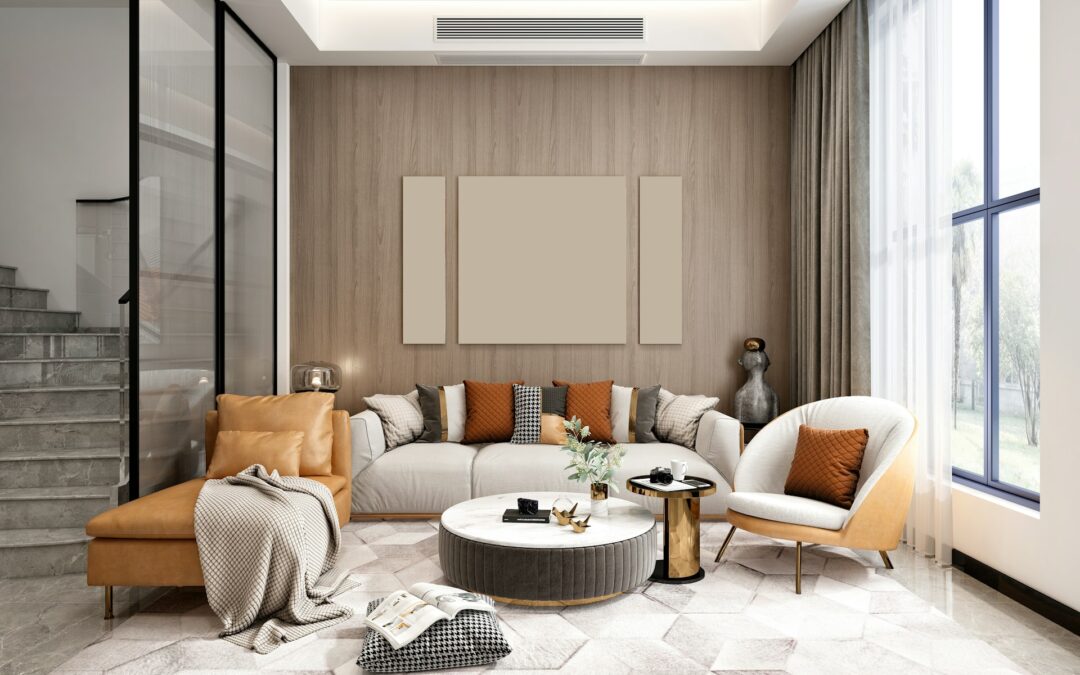
At Ambiance Creations, thoughtful living room remodeling turns an everyday room into a space that feels welcoming the moment you walk in. The goal is a room that looks beautiful and works effortlessly for real life.
With the right mix of layout, color, lighting, and storage, you can create a living room that supports relaxing, entertaining, and everything in between. Simple design decisions often deliver the biggest impact.
In this guide, you’ll find living room remodeling ideas for planning your space, choosing finishes, selecting furniture, and adding personal touches that fit Southwest Florida living. Explore what’s possible, then adapt each idea to suit your own home.
Planning Your Living Room Remodel
Starting your remodel means knowing what you have, what you want, and how you’ll get there. You’ll balance your space, decide on an investment, choose a style that fits you, and set a timeline to keep the project on track.
Thoughtful living room remodeling begins with clear priorities, so every decision supports your goals and everyday routines.
Assessing Your Current Space
Begin by looking closely at your living room. Note the size, layout, and flow from one area to another.
Identify what works well and what makes everyday use tricky. Check lighting, both natural and artificial, as it affects color and mood. Take measurements of walls, doors, windows, and furniture to understand space limitations and opportunities.
Think about your lifestyle. Do you need room for family gatherings, quiet reading, or a media area? Write down how you and your family use the space now and what you wish were different.
Setting an Investment Plan
Decide how much you want to invest in your living room. This helps guide your choices on materials, labor, and design details. Break the investment into categories such as flooring, paint, furniture, lighting, and labor costs.
Prioritize your spending. For example, spending more on durable flooring or quality seating might be smarter than splurging on decorative items. Keep a small reserve for unexpected needs that come up during the remodel.
Being clear about your investment from the start helps avoid overspending and stress.
Defining Your Style
Think about what makes you feel comfortable and inspired. Collect images from magazines, websites, or social media to find styles you like.
Look for patterns in colors, furniture shapes, and textures. Decide if you want a modern, coastal, traditional, or eclectic design. Your style should reflect your personality and how you live.
Consider how your living room’s new look will connect with the rest of your home, especially if you use open-plan layouts common in Southwest Florida homes.
Creating a Remodeling Timeline
Set a realistic schedule based on the scope of work. Include time for planning, ordering materials, and construction or installation phases. Factor in delays that are common, like waiting for custom cabinetry or special finishes.
Also, plan for daily living and decide if you will live in the space during the remodel or need a backup plan. Clear communication with your contractor or designer helps keep the timeline on track.
Living Room Layout Ideas
Choosing the right layout shapes how your living room feels and works. You want a plan that fits your lifestyle, makes good use of space, and guides movement smoothly through the room.
Smart layouts are at the heart of successful living room remodeling, especially in homes where spaces connect and flow together.
Open Concept Arrangements
Open concept layouts remove walls to blend your living room with dining or kitchen areas. This creates a bright, airy space where light flows freely.
You can arrange seating to face a central feature like a fireplace or place a large sectional to anchor the space. Focus on balance by keeping pathways clear and furniture proportional.
Use rugs or lighting to define the living area without breaking the open feel. This layout works well if you like entertaining or want a casual, connected vibe.
Zoning for Functionality
Zoning means dividing your living room into areas with distinct jobs. For example, create a reading nook by placing a comfy chair and lamp in one corner.
Set up a TV zone with a sofa and media console in another. Use furniture placement, area rugs, or shelving units to mark zones. This way, your space feels organized and practical. It becomes easier to switch from relaxing to working or socializing without clutter.
Optimizing Traffic Flow
Good traffic flow means you can move easily through your living room without bumping into furniture. Keep main walkways at least 30 inches wide.
Arrange seating so people don’t have to squeeze past one another or cross in front of the TV. Think about doors, windows, and natural paths people take. Avoid placing large pieces near entry points. Clear traffic paths improve comfort and help your room feel more welcoming.
Color Schemes and Paint Inspiration
Choosing the right colors can transform your living room into a warm, inviting space. Whether you want calm neutrals or bold accents, your choices set the tone for the entire room.
Below, you’ll find tips on how to pick palettes, use accent walls, and work with light colors to enhance your space. Color is one of the easiest tools in living room remodeling to refresh a room quickly.
Selecting a Color Palette
Start by thinking about the mood you want to create. Soft blues and greens bring calm, while warm tones like ochre and terracotta add coziness.
For Southwest Florida homes, colors that reflect natural light, such as sandy beige or seafoam green, work well. Use a 3-color rule: one main color for walls, a secondary color for furniture or larger pieces, and a third for smaller accents like pillows or artwork.
Keep samples in your living space before deciding. This lets you see how light changes the color throughout the day.
Accent Walls and Features
An accent wall adds visual interest without overwhelming the room. Choose one wall to highlight with a deeper shade or textured paint.
Deep navy or charcoal gray can create a strong focal point behind your sofa or media area. If paint alone feels too simple, consider combining it with wall features like wainscoting, wood panels, or subtle wallpaper patterns.
These add layers of texture and dimension. Keep other walls neutral so the accent wall stands out. This approach works especially well in open layouts you’ll find in Bonita Springs or Naples homes, where defining zones enhances flow without closing spaces.
Using Light Neutrals
Light neutrals like warm white, soft taupe, or pale gray make rooms feel airy and spacious. They reflect natural light, which is perfect for Florida’s bright, sunny days.
These shades create a clean backdrop that lets your furniture and decor shine. Pair them with natural textures like rattan, oak, or linen for a coastal, relaxed vibe.
If you prefer color but want to keep it subtle, try neutrals with a hint of pastel blue or green. This adds warmth but keeps the room feeling open and fresh.
Furniture Selection and Placement
Choosing furniture with care and placing it smartly shapes how your living room feels and works. Think about the size of each piece and how you use the space.
You want comfort, style, and easy flow all in one, especially when planning a living room remodeling that will serve you for years.
Choosing the Right Sofa
Pick a sofa that fits the size of your room without crowding it. Measure your space first, then find one that feels cozy but leaves room to move.
Consider a sofa with durable, easy-to-clean fabric suited for Southwest Florida’s climate, like linen blends or performance textiles. Look for features you’ll use daily, such as deep seats for lounging or firm cushions for support.
A neutral color works well to match your other decor, but don’t be afraid to add a bold accent with pillows.
Multipurpose Furniture Solutions
Use furniture that serves more than one purpose to make the most of your living room. Ottomans with storage, sleeper sofas, or coffee tables with shelves add function without clutter.
Think about your lifestyle: Do you need extra seating for guests or places to hide toys and blankets? Multipurpose pieces keep your space tidy and flexible.
Choose solid construction and finishes that hold up to humidity and everyday use, so they stay attractive longer.
Arranging for Conversation
Set up your furniture to encourage talking and connection. Position sofas and chairs so people face each other comfortably, not too far apart or crowded. Leave about 18 to 24 inches between seating and tables for easy reach. Avoid blocking natural light or room paths.
A good conversation area also includes side tables or ottomans within reach for drinks or books. This simple layout change makes your room welcoming and practical, reflecting your lifestyle beautifully.
Flooring Options for Living Rooms
Choosing the right flooring affects how your living room feels and functions. Durability, comfort, and style all play key roles. You’ll want options that work well with Florida’s climate and reflect your personal taste, especially when planning long-lasting living room remodeling.
Hardwood and Laminate Choices
Hardwood floors bring warmth and timeless beauty to your living room. They are strong and can last decades with proper care.
Engineered hardwood is ideal for homes in Southwest Florida because it resists humidity better than solid wood. Laminate is an investment-conscious alternative that mimics hardwood’s look.
It’s scratch-resistant and easier to maintain, which suits busy households. Look for laminate with a water-resistant core to handle any spills or humidity.
Carpet and Area Rugs
Carpets add softness and sound absorption, making the living room cozy. Choose a low-pile or indoor-outdoor carpet for easy cleaning and to fight Florida’s moisture.
Neutral shades keep the room light and airy. Area rugs are great if you want wood or tiles but still want warmth underfoot. Layering rugs lets you add pattern or color without a full carpet install.
Natural fibers like wool or cotton feel nice, but check for stain resistance. Rugs also define seating zones when you entertain in open floor plans.
Sustainable Flooring Materials
Sustainable flooring options combine eco-friendliness with style and practicality. Bamboo is a fast-growing wood alternative that handles humidity better than many hardwoods.
It offers a clean, modern look in varying tones. Cork is another natural option. It’s soft, insulating, and resists mold and mildew, perfect for coastal homes.
Cork also dampens noise and adds a unique texture to your floors. Recycled tile or reclaimed wood can bring character and reduce environmental impact.
Innovative Lighting Solutions
Lighting shapes the mood and function of your living room. Using different layers, bold pieces, and natural light can transform your space.
Each approach combines style with practical use to suit your daily activities and brightens your home thoughtfully.
Layered Lighting Plans
A layered lighting plan uses three types of light: ambient, task, and accent. Ambient lighting gives general light, like ceiling fixtures or recessed LEDs.
Task lighting helps with activities such as reading or working, often through table or floor lamps. Accent lighting highlights art, shelves, or architectural features.
To design a perfect layered plan, start with a central fixture or recessed lights. Add lamps near seating for reading comfort. Install adjustable wall sconces or LED strips to draw attention to key points. This mix gives you control over brightness and sets different moods throughout the day.
Statement Lighting Fixtures
A statement fixture grabs attention and adds personality to your room. It could be a large chandelier, a sculptural pendant, or a unique cluster of lights.
Choose pieces that match your style and room size. For example, a modern, geometric fixture suits a minimalist space, while a brushed metal fixture fits a coastal home.
When selecting statement lighting, think about scale and placement. The fixture should hang at eye level without blocking views or movement. Using dimmable bulbs helps adjust light levels easily, keeping the room inviting from day to night.
Maximizing Natural Light
Natural light makes your living room feel open and fresh. Maximizing it starts with window treatments.
Choose sheer curtains or blinds that let sunlight in while reducing glare. Avoid heavy drapes that block light during the day. Arrange seating and furniture to face windows and reflect light with mirrors or light-colored walls.
Skylights and glass doors also increase daylight flow. Think about Southwest Florida sun angles to prevent overheating while allowing warmth.
Wall Decor and Art Displays
Your walls are a chance to bring personality and style to your living room. Choosing the right art and decor helps balance function with beauty. You want pieces that fit your space, add light, and give you places to display what matters.
Gallery Walls
A gallery wall is a great way to showcase your favorite photos, prints, or artwork all in one place. You can mix frames of different sizes and shapes, but it’s important to keep some consistency.
Choose a color theme or similar frame styles to keep it looking neat. Start by laying your arrangement on the floor to find the right balance.
Hang the center art at eye level, around 57 inches from the floor. Use picture hanging strips or nails spaced evenly to keep it straight. This adds a personal touch without crowding your room.
Mirrors for Space and Light
Mirrors do two things: they make your room feel bigger and brighten it by reflecting light. Choose a mirror with an interesting frame to act as wall art, too.
Round or oval shapes soften sharp angles, while a clustered mirror arrangement can feel modern. Place a large mirror across from a window for the best light bounce.
Mirrors with textured or metallic frames add texture, which creates visual interest. For rooms with less natural light, mirrors can bring warmth and a welcoming vibe.
Creative Shelving
Shelves aren’t just for storage; they’re ways to show your style. Floating shelves add a clean, modern look and keep surfaces open. Use them to display small plants, books, or curated collections.
Built-in shelves create a cozy nook for your decor. Use a mix of vertical and horizontal shapes to guide the eye and avoid clutter. Coordinate your shelf items by color or theme for a polished, thoughtful feel.
Window Treatments and Coverings
Choosing the right window treatments helps control light, privacy, and style in your living room. Whether you prefer soft fabrics or sleek, adjustable blinds, your selections can boost comfort and add character to your space.
Curtains and Drapes
Curtains and drapes soften a room with texture and color. You can pick from lightweight sheers to heavy blackout fabrics depending on your needs.
Lightweight curtains let in natural light while reducing glare. They’re great if you want a bright, airy feel without sacrificing privacy. Heavier drapes block sunlight and provide insulation.
These work well in Southwest Florida, where heat and humidity are factors. Ask about fabrics that resist fading from strong sun, such as solution-dyed acrylic or polyester blends. Mount your curtains high and wide to make windows feel larger and the ceiling taller.
Using layered curtains helps you switch between filtering light and fully blocking it. Your window treatments should complement your living room’s color scheme and furniture style to keep the look cohesive.
Blinds and Shades
Blinds and shades offer clean lines and practical control over light and privacy. Wood or faux wood blinds add warmth but withstand humidity better than real wood.
Roller shades are simple and modern. Look for materials that resist mold and fading. Cellular shades provide insulation by trapping air in honeycomb cells, which helps with temperature control in Florida homes.
Adjustable blinds let you control how much light enters without fully closing them, balancing daylight with privacy. Motorized options are available and can be integrated with your smart home system for easy control. Consider layering shades with curtains for added depth and versatility.
Integrating Smart Window Solutions
Smart window treatments are rising in popularity because they combine convenience with energy savings. You can automate blinds and shades using apps or voice commands to adjust light and privacy instantly.
Scheduling them to open with sunrise and close at sunset enhances natural lighting and could reduce your cooling needs. Some smart treatments sync with your thermostat or lighting system for seamless comfort.
A remote control is especially helpful for hard-to-reach windows or large living rooms with many windows. Using smart systems lets you enjoy a comfortable space while protecting your furnishings from sun damage.
Fireplace and Focal Point Ideas
Choosing the right fireplace and focal point can change your living room’s feel. It’s about blending style with function and making sure it fits your lifestyle.
You can create a modern look, add tech with an entertainment center, or highlight architectural details to draw the eye.
Modern Fireplace Designs
Modern fireplaces bring sleek, clean lines and often use materials like stone, concrete, or metal. You might choose a wall-mounted gas fireplace that takes up less space while adding warmth and style.
These designs usually have minimal mantels or none at all, letting the flame itself be the star. You can install linear fireplaces that stretch horizontally for a wide, cozy feel.
LED lighting around the fireplace enhances the look, creating mood and depth. Electric fireplaces are also a smart choice if you want a smoke-free, easy-to-install option that stays cool to the touch.
Entertainment Center Integration
Testing your living room’s look with an entertainment center plus fireplace makes your space both cozy and practical. Combine the TV and fireplace in one built-in unit to save wall space.
Mount your TV above or beside the fireplace, but make sure the heat won’t affect your electronics. Storage cabinets, shelves, or cubbies around the fireplace keep remotes, books, and games organized.
Integrated lighting and sound systems create a seamless experience for relaxing or hosting.
Highlighting Architectural Features
Your fireplace can highlight beams, niches, or other unique room details. Stone surrounds, or custom tile work, draw attention to the fireplace and add natural texture.
You might use wood beams or molding to frame the fireplace for a classic but fresh look. Lighting plays a big role here.
Use spotlights or sconces to brighten and emphasize your architectural features. Floating shelves or mantel space can showcase your art or collections, making the wall a true focal point.
Storage Solutions for Living Rooms
A well-organized living room needs clever storage that keeps clutter out of sight but remains easy to access. You can choose built-in cabinetry for a seamless look, hidden storage furniture to maximize space, or open shelves arranged for both display and order.
Built-In Cabinetry
Built-in cabinetry offers a clean, polished look while giving you plenty of storage. It fits perfectly into unused corners or along walls without taking extra floor space.
Choose materials like wood or engineered surfaces that stand up to Southwest Florida’s humidity. Custom cabinets can store books, games, or media equipment, keeping everything neat and tidy.
Adding glass doors or lighting inside any open display sections lets you showcase decor or collections.
Hidden Storage Furniture
Hidden storage furniture is perfect if you want a clutter-free look without sacrificing cozy seating. Look for coffee tables, ottomans, or benches that open to reveal storage inside.
This type of furniture hides away blankets, pillows, or toys, making your living room feel calm and spacious. Pieces with lift tops or drawers give easy access without interrupting your room’s flow. Select furniture that matches your design style for a cohesive, organized look.
Organizing Open Shelves
Open shelves are great for keeping items visible and easy to grab, but they need to be tidy. Use baskets, bins, or decorative boxes to store smaller items, reducing visual clutter.
Arrange books by size or color, and mix in objects like plants or framed photos for a balanced look. Keep frequently used items at eye level so they are easy to reach.
Shelving made from natural wood or metal works well in coastal Southwest Florida homes, offering durability and style. You control both display and storage with this flexible option.
Personalizing Your Living Room
Adding personal touches helps your living room feel like your own space. Elements like greenery, family treasures, and collections bring warmth and character. These details make the room more than just a place to sit; they tell your story.
Adding Plants and Greenery
Plants brighten your living room with natural color and life. Choose low-maintenance options like snake plants or pothos if you want easy care.
Place plants near windows for sunlight or use grow lights for darker spaces. You can mix large floor plants with smaller potted ones on shelves or tables.
Greenery softens sharp corners and adds texture. Use decorative pots or baskets that match your style for a polished look. Plants also improve air quality, making your living room fresh and inviting every day.
Incorporating Heirlooms
Family heirlooms create a unique link to your history. Display items like vintage clocks, framed photos, or handmade quilts where they stand out.
Use floating shelves or shadow boxes to protect and highlight these pieces. Group heirlooms with other decor to balance old and new styles.
Heirlooms add emotional value, reminding you of loved ones and stories. This makes your living room feel personal and deeply connected to your life.
Showcasing Collections
If you collect items like books, art, or ceramics, your living room is the perfect display space. Use custom shelves or cabinets designed to fit your collection’s size and shape.
Arrange collections by color, size, or theme to create visual interest. Consider lighting options like spotlights to highlight key pieces.
Sharing your collections in the room makes it interesting and tells visitors about your passions.
Eco-Friendly Remodeling Ideas
When remodeling your living room, you can make choices that protect the environment and improve your home’s air quality.
Using sustainable products and energy-saving features helps reduce waste and utility costs over time.
Recycled and Upcycled Materials
Using recycled or upcycled materials lowers demand for new resources. Look for reclaimed wood for flooring or furniture.
This type of wood adds charm and has a smaller environmental impact. You can also consider upcycled decor, like vintage textiles or refurbished cabinetry.
These pieces keep materials out of landfills and add a unique character to your space.
Energy-Efficient Lighting
Switching to LED bulbs cuts energy use by up to 75 percent compared to traditional bulbs. LEDs last longer, which means fewer replacements and less waste.
You can also install dimmer switches to adjust brightness and save even more energy. Consider adding smart lighting systems that allow you to control lights remotely or set schedules.
This prevents lights from staying on when you don’t need them, helping reduce your power bill. Choosing fixtures with ENERGY STAR ratings ensures you get the best efficiency.
Low-VOC Paints and Finishes
Volatile organic compounds (VOCs) in many paints release harmful chemicals into your home’s air. Choosing low-VOC or zero-VOC paints improves indoor air quality and reduces odors during and after painting.
These paints come in many colors and finishes, so you don’t have to sacrifice style. They also tend to be more durable, which means repainting less often, another way to reduce waste. For finishes on wood or cabinetry, opt for water-based options that have fewer toxins. This keeps your living room healthier and safer, especially if you have children or pets.
Final Touches and Styling
The last layer of your living room’s remodel sets the mood and brings personality to the space. Choosing soft fabrics, textured rugs, and timely decoration helps your room feel inviting and balanced without clutter.
Textiles and Throw Pillows
Soft touches like throw pillows and cozy textiles make your living room feel warm and comfortable. Pick pillows in colors and patterns that match your main palette to add interest without overwhelming the room.
Mixing textures is key. Combine linen, velvet, or woven fabrics to add depth. Use pillows of different sizes, but keep the overall look tidy by sticking to 3 to 5 pillows per seating area. A quality throw blanket folded on a chair or couch invites warmth and style.
Layering Rugs
Layering rugs can add visual appeal and define zones in your living room. Start with a large, neutral base rug to anchor the space.
Place smaller, patterned rugs on top to introduce texture and color. Make sure each rug fits the furniture it touches. For example, the main rug should extend under all seating to unify the area.
Accent rugs can highlight a reading nook or coffee table. Natural fibers like jute or wool are great for Southwest Florida. They are resilient and complement a coastal or casual style. Layered rugs also absorb sound and add softness underfoot, improving your room’s comfort.
Seasonal Decor Updates
Changing decor with the seasons keeps your living room fresh without a full remodel. Use accessories like vases, candles, or artwork to reflect the time of year.
In spring and summer, choose lighter colors and natural materials. Think soft blues, greens, and white ceramics with fresh flowers or shells.
For fall and winter, swap in deep hues, textured blankets, and warm lighting to create coziness. Storing seasonal items smartly allows easy swaps. Consider rotating decorative pieces every three months to keep your space feeling dynamic and tied to your lifestyle in Southwest Florida.
A Living Room You’ll Love Every Day
Thoughtful living room remodeling turns your main gathering space into a room that looks refined and lives comfortably.
By focusing on layout, lighting, finishes, and storage, you create a space that feels calm, functional, and inviting for everyday life in Southwest Florida.
When you’re ready to shape these ideas around your home, Ambiance Creations is here to guide the process from concept to final styling. Get in touch to start your living room transformation.
Frequently Asked Questions
What are some investment-friendly ways to decorate my living room?
Look for simple updates like swapping pillows or adding a textured throw. Use plants and natural light to brighten the space without high costs. Painting a wall or changing lampshades can refresh your room easily.
How can I make a small living room appear more spacious?
Choose light colors and use mirrors to reflect light. Keep furniture low-profile and avoid overcrowding. Open layouts and multi-purpose furniture help keep the space airy and organized.
What are the latest trends in modern living room design?
Natural materials like wood and stone remain popular. Clean lines with soft, rounded furniture add comfort. Sustainable fabrics and layered lighting offer warmth and style that fit Florida living well.
Can you suggest ways to incorporate personal style into living room decor?
Display art, photos, or collections that tell your story. Mix textures and colors that you love while keeping the space balanced. Use unique pieces that feel meaningful, turning the room into a true reflection of you.
What furniture layouts work best for a cozy yet stylish living area?
Arrange seating to encourage conversation, like in a circular or L-shape. Keep pathways clear and use rugs to define zones. Balance comfort with clean lines to avoid clutter and maintain flow.
Where can I find inspiration for unique living room interior designs?
Online platforms and home tours in communities such as Pelican Marsh or Naples offer fresh looks suited to Southwest Florida. Explore spaces that highlight living room remodeling ideas, indoor–outdoor flow, and coastal influences.