
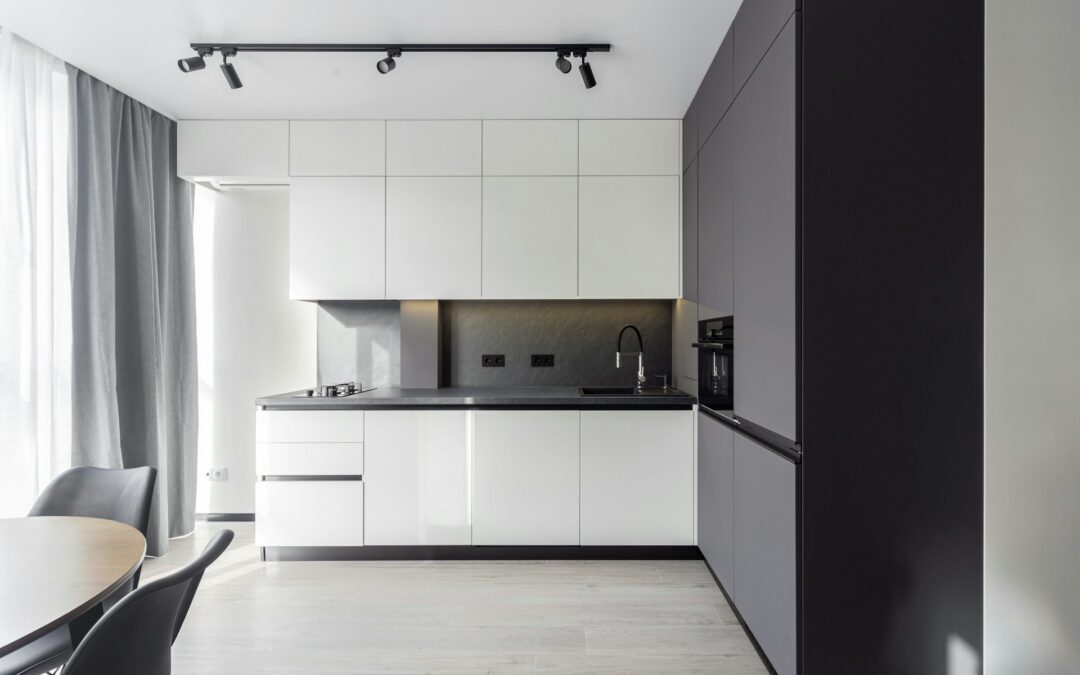
Luxury kitchen cabinets should do more than look impressive. If your current cabinetry feels outdated, lacks storage, or doesn’t reflect your home’s style, it can make the entire kitchen feel inefficient and uninspired.
At Ambiance Creations, we help homeowners select luxury kitchen cabinets that solve layout challenges, improve organization, and elevate everyday living. The right materials and craftsmanship make a noticeable difference in both function and long-term value.
Below, you’ll discover cabinet types, premium finishes, and design features that address common frustrations while creating a kitchen that feels refined, practical, and truly custom.
Types of Luxury Kitchen Cabinets
Luxury kitchen cabinets come in a few main types, mostly defined by how they’re made and installed. Each type has its own perks when it comes to design, quality, and price.
Custom Cabinets
Custom cabinets are built entirely for your kitchen, from scratch. A cabinet maker creates each piece to fit your exact measurements, style, and storage needs.
You control every detail: wood type, finish, hardware, interior organizers, even the depth. Custom cabinets work in tricky spots like angled walls or sloped ceilings that standard cabinets can’t handle.
Key benefits of custom cabinets:
- Perfect fit for any kitchen layout
- Unlimited design options
- Premium materials like walnut, oak, and maple
- Hand-crafted quality and attention to detail
- Built to last 50+ years
But let’s be honest: they’re pricey and take time. Custom cabinets are the most expensive option and can take anywhere from 8 to 16 weeks to build and install.
Semi-Custom Cabinets
Semi-custom cabinets start with standard cabinet boxes, but you can tweak them. You work within a manufacturer’s range, but add personal touches through different options.
These offer more flexibility than stock cabinets, but don’t hit the full price of a custom job. You can change dimensions a bit, pick your wood, door style, and add features like soft-close hinges or pull-outs.
Quality-wise, they sit between stock and custom. Many luxury brands offer semi-custom lines with high-end materials and finishes.
Semi-custom cabinets usually show up in 6 to 10 weeks. They cost more than stock, less than custom, and they’re a smart pick if you want luxury with controlled investment.
Inset Cabinets
Inset cabinets have doors and drawers that sit flush inside the cabinet frame, not on top of it. This creates crisp lines and a furniture-like look that’s common in high-end kitchens.
Building these takes precision. Each door has to fit just right, with tiny, even gaps all around, which is why inset cabinets cost more than overlay styles.
Inset construction works in traditional, transitional, and even modern kitchens. The style pairs well with Shaker doors, raised panels, and flat-front designs.
There are trade-offs, though. Inset cabinets give you a little less storage since the doors sit inside the frame, and they may need more upkeep as wood shifts with weather.
Premium Materials and Finishes
The materials and finishes you pick shape the whole vibe of luxury kitchen cabinets. Solid woods, exotic veneers, high-end lacquers, and metal details all bring something different to the table.
Solid Wood Selection
Solid wood is still the gold standard for luxury kitchen cabinets. You’ll see walnut, oak, cherry, and maple leading the pack. Walnut gives you rich, dark brown tones with beautiful grain. It’s dense and tough, perfect for doors and frames.
Cherry wood starts lighter and reddens over time, aging into a deeper, richer color. Oak comes in two flavors: white oak is lighter and more neutral, while red oak has bolder grain and warmer undertones.
Maple is great if you want a smooth, even look. Its tight grain takes stain well and stands up to wear, and the light color is versatile across finishes.
Exotic Veneers
Exotic veneers let you enjoy rare woods without the sky-high cost of solid construction. These are thin slices of real wood glued over plywood or other stable cores. Zebrawood brings bold stripes and a dramatic look. Ebony leans into deep black tones, while teak offers warm honey color plus natural oils that resist moisture.
Veneers can be more stable than solid wood. They’re less likely to warp or crack with temperature swings, and you can book-match sheets for mirror-image patterns across doors.
Quality matters here. Premium veneers should be at least 1/32 inch thick so you can sand and refinish if you ever need to.
High-End Lacquers
Lacquer finishes give cabinets an ultra-smooth, glassy feel. You can pick high-gloss, semi-gloss, or matte. High-gloss lacquer reflects light and makes colors pop, which is great for modern kitchens. It does show fingerprints, so you’ll be wiping it down more often.
Matte lacquer hides smudges better and reads more understated and sophisticated. It absorbs light, which adds depth to darker colors.
Application is just as important as the lacquer itself. Premium finishes need several coats with sanding between each one for a surface that resists scratches and household chemicals.
Metal Accents
Metal details add a modern, eye-catching twist to luxury kitchen cabinets. Brass brings warmth and develops a patina over time. Stainless steel has that professional kitchen vibe. It’s easy to clean and matches appliances, and brushed finishes hide fingerprints better than polished ones.
Chrome gives you a bright, reflective look that works in both traditional and modern kitchens. It’s more affordable than brass but still feels upscale.
You can add metal through edge banding, handle insets, or even full metal-front cabinets. Mixing metal with wood breaks up long runs of cabinetry, but keeps finishes consistent for a pulled-together look.
Signature Design Features
Luxury kitchen cabinets stand out because of features that blend beauty with smart function. Think hidden storage, well-placed lighting, and elegant display options.
Innovative Storage Solutions
Luxury cabinets should make life easier. Pull-out spice racks keep seasonings at your fingertips while you cook.
Deep drawers with custom dividers store pots, pans, and baking sheets upright, so you’re not digging around. Corner cabinets often waste space, but luxury designs fix that with Lazy Susans and pull-out units that bring everything forward.
Trash and recycling bins tuck away behind cabinet doors, so your kitchen stays neat. Tall pull-out pantries reveal shelves of food storage, and tray dividers keep boards and sheets organized.
Integrated Lighting
Cabinet lighting takes your kitchen from basic to beautiful. Under-cabinet LED strips light up your counters for safer prep and cooking.
Inside the cabinets, motion-sensor lights turn on when you open the doors. Glass-front cabinets look even better with interior lighting that highlights your dishes and décor.
Toe-kick lighting adds a soft glow at floor level, perfect for late-night snacks. Many luxury cabinet systems let you control lights from one switch or your phone.
Glass Display Cabinets
Glass-front cabinets bring elegance and let you show off your favorite pieces. Clear glass makes collections feel airy, while frosted or textured glass offers a more subtle effect.
Frame styles matter, too. Aluminum frames feel modern, while wood frames match classic cabinets, and frameless options can look extra clean. Inside, adjustable glass shelves help you fit different items. Contrasting back panels or mirrored finishes can make what’s inside pop without feeling busy.
Popular Styles in Luxury Kitchens
Luxury kitchen cabinets usually fall into three main style camps. Each one shapes the mood of your space through door profiles, finishes, hardware, and layout.
Modern Luxury
Modern luxury kitchens focus on clean lines and simple shapes. Cabinets often use flat-panel doors with minimal trim.
Key features include:
- Handleless cabinets with push-to-open hardware
- High-gloss lacquer finishes in white, gray, or bold colors
- Integrated appliances that blend into the cabinetry
- Horizontal wood grain patterns
You’ll often see floor-to-ceiling cabinets for a seamless wall effect. Materials like glass, metal, and engineered woods add interest without clutter.
Hardware stays minimal: slim pulls in brushed nickel, chrome, or matte black. Sometimes designers skip handles entirely for an even smoother look.
Classic Elegance
Classic elegant kitchens highlight traditional craftsmanship. Cabinets feature raised panel doors, decorative moldings, and detailed woodwork.
Cabinet doors use frame-and-panel construction with visible joints and depth. Woods like cherry, walnut, and maple with rich stains are popular, but white painted cabinets remain timeless.
Traditional touches include:
- Crown molding at the top of cabinets
- Furniture-style feet on base cabinets
- Glass-front uppers with mullion details
- Ornate corbels and decorative brackets
Hardware plays a bigger role in classic kitchens. Brass, bronze, or nickel pulls and knobs can add personality while matching the woodwork.
Transitional Designs
Transitional kitchens mix modern and classic elements for a balanced look. Cabinets might use simple Shaker-style doors that work across design directions.
This style offers flexibility. You can pair painted cabinets with natural wood accents or mix door styles in the same kitchen. Finishes often stay in neutral territory: gray, taupe, or soft white. Details are less ornate than classic styles, but there’s more warmth than in modern designs.
Hardware tends to be simple, with mixed metal finishes that bridge old and new. The goal is cohesion, so nothing feels out of place.
Choosing the Perfect Luxury Cabinetry for Your Home
Picking out luxury kitchen cabinets takes real planning. You’ll want to consider your layout, your style goals, and expert input to make sure the final result performs as beautifully as it looks.
Assessing Your Space
Start by measuring your kitchen: walls, ceiling height, windows, and doors. Note where appliances will go and how much counter space you’ll need. Think about how you actually use your kitchen. Need space for small appliances, deep drawers for pots and pans, or floor-to-ceiling cabinets for maximum storage?
Pay attention to natural light. Darker finishes like navy or charcoal work best in bright kitchens, while lighter finishes help rooms that don’t get much sun.
Look for odd angles or awkward corners. Custom luxury cabinetry handles quirks far better than standard options.
Customization Options
Luxury kitchen cabinets open up a wide range of material choices. Hardwoods like cherry, walnut, and maple each bring distinct grain and color.
Hardware makes a big difference. Brass and gold are trending, especially with darker cabinets, while chrome, nickel, and matte black stay reliably timeless. Interior features matter, too. Pull-out drawers, soft-close hinges, and built-in organizers keep everything tidy and easy to reach.
Finish choices range from glossy to matte. High-gloss reflects light and reads modern, while matte helps hide fingerprints and leans more classic.
Working With a Designer
A designer helps you make choices that fit your investment and your goals. They know which cabinet makers deliver consistent quality and can provide samples you can evaluate at home.
Designers create detailed plans that show exactly how your luxury kitchen cabinets will look. Those plans cover measurements, materials, door styles, and hardware specifications.
They also help you avoid costly mistakes, like selecting cabinetry that doesn’t suit your appliance clearances. Your designer can source accessories and coordinate with contractors to keep details aligned.
They stay on top of timelines and deliveries, which reduces stress. Bring inspiration photos to the first meeting so your preferences are clear from day one.
A Kitchen Worth Coming Home To
Luxury kitchen cabinets are more than a visual upgrade. They’re a lasting investment in daily comfort, organization, and the character of your home.
When you pair premium materials with thoughtful storage and a style that fits your architecture, the results feel effortless. The best kitchens work hard, look refined, and hold up beautifully over time.
If you want guidance selecting luxury kitchen cabinets that match your lifestyle and long-term plans, Ambiance Creations is here to help. Get in Touch!
Frequently Asked Questions
What makes kitchen cabinets “luxury”?
Luxury kitchen cabinets stand apart because of premium materials, precision craftsmanship, and tailored design. They often use solid hardwoods, high-end veneers, and multi-step finishes that enhance durability and visual depth.
Beyond materials, luxury cabinetry focuses on function. Features like soft-close hardware, custom storage inserts, and detailed construction methods elevate everyday performance.
Are luxury kitchen cabinets worth the investment?
Luxury kitchen cabinets are a long-term investment in both daily comfort and home value. Higher-quality materials and construction typically mean greater durability and fewer issues over time.
They also improve organization and workflow. When cabinetry is designed around how you actually use your kitchen, it enhances efficiency as much as appearance.
How long do luxury kitchen cabinets last?
Well-built luxury kitchen cabinets can last decades when properly maintained. Solid wood construction, reinforced joinery, and professional installation all contribute to longevity. Finish quality also matters. Multi-layer finishes with proper sealing help protect surfaces from moisture, wear, and everyday cleaning.
Can luxury kitchen cabinets be customized to my space?
Yes. Many luxury kitchen cabinets offer extensive customization, from wood species and door profiles to interior storage solutions and specialty inserts. Custom and semi-custom options can accommodate unique layouts, ceiling heights, appliance specifications, and design preferences for a cohesive result.
What styles are most popular for luxury kitchen cabinets?
Modern, classic, and transitional styles remain the most requested. Modern designs emphasize clean lines and minimal hardware, while classic styles feature raised panels and decorative moldings. Transitional kitchens blend both approaches. This balanced style allows homeowners to combine warmth and simplicity for a timeless look.