
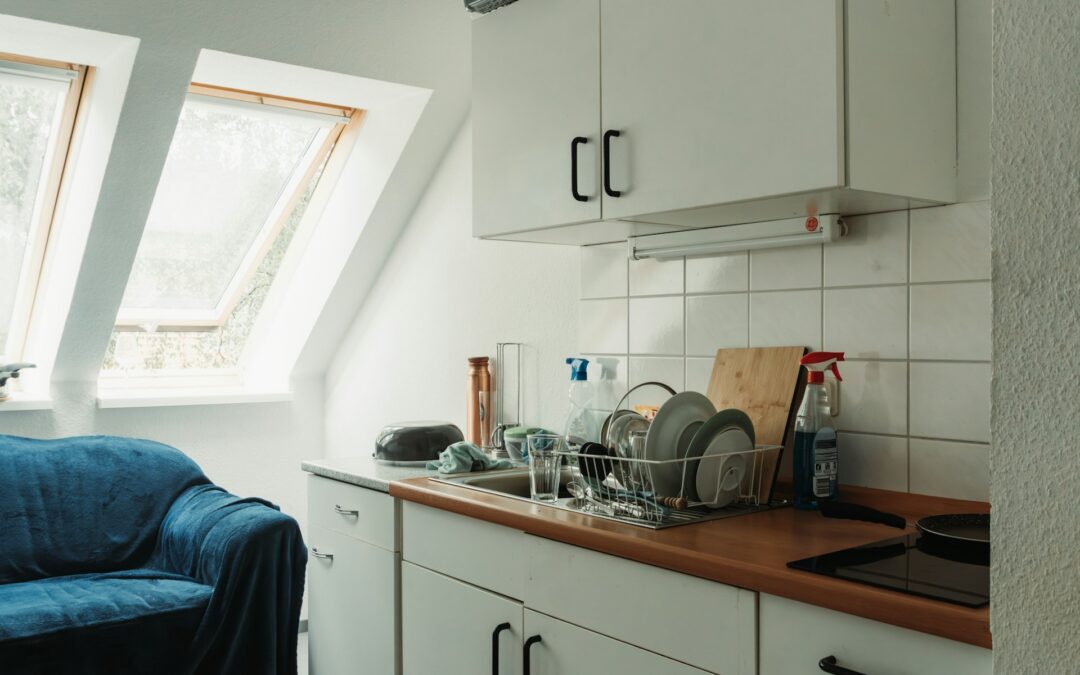
Open-shelving cabinets look beautiful in photos, but many homeowners struggle with keeping them organized, balanced, and clutter-free. Without the right approach, shelves can quickly become messy or impractical for everyday use.
At Ambiance Creations, we help homeowners design open-shelving cabinets that are both stylish and functional, ensuring everything has a place while still creating a light, welcoming space.
In this guide, you’ll learn how to plan, install, and style open-shelving cabinets so they stay organized, visually appealing, and easy to maintain.
What Are Open-Shelving Cabinets?
Open-shelving cabinets are storage units without doors or front panels, keeping dishes, glasses, and kitchen essentials visible and accessible. This design creates a lighter and more open visual feel while allowing you to grab items quickly when cooking or serving.
Shelves can be mounted directly to the wall using brackets or built into existing cabinet frames. Either approach allows you to access plates, bowls, and cups without opening anything. Many homeowners install open shelving in place of upper cabinets, while others combine open shelves with traditional closed cabinetry.
This design works well in modern, farmhouse, and minimalist kitchens, making open-shelving cabinets a flexible option for many interior styles.
Types of Open-Shelving Cabinets
Open-shelving cabinets come in several styles, each offering a different balance of structure, visual impact, and storage capacity. Choosing the right type depends on your kitchen layout, the weight of the items you plan to store, and the overall design style of the space.
Floating Shelves
Floating shelves attach directly to the wall using hidden brackets. Because the supports are concealed, they create a clean, streamlined appearance that works especially well in modern or minimalist kitchens.
Bracket-Mounted Shelves
Bracket-mounted shelves use visible metal or wooden supports underneath. These brackets add decorative character and structural support, making them a great option for holding heavier items like dishes, cookware, or appliances.
Built-In Open Shelving
Built-in open shelving fits inside existing cabinet frames. In many cases, homeowners simply remove cabinet doors to create open-shelving cabinets within their current layout, offering a quick way to introduce open storage without a full remodel.
Corner Shelving Units
Corner shelving units make use of awkward corner spaces that are often difficult to utilize. These units usually include two or three tiers that wrap around the corner, helping maximize storage while improving accessibility.
Industrial Pipe Shelving
Industrial pipe shelving uses metal pipes and fittings as structural supports. This design creates a rugged, industrial lookthat pairs well with rustic, loft-style, or modern farmhouse interiors.
Key Features
Open-shelving cabinets offer quick access to everyday items, eliminating the need to constantly open and close cabinet doors.
Shelves typically range from 8 to 12 inches deep, providing enough space for plates, mugs, and glasses. Shelf height can also be adjusted depending on the items you plan to store.
Most open-shelving cabinets are made from wood, metal, or glass:
- Wood shelves provide warmth and complement many kitchen styles
- Metal shelves create a sleek or industrial appearance
- Glass shelves offer a lighter visual effect but may show dust more easily
Benefits of Open-Shelving Cabinets
Open-shelving cabinets can make your kitchen feel brighter, lighter, and more spacious while showcasing everyday items. They also provide easy access to cookware and dishes, allowing you to express your personal style through how items are displayed.
Enhanced Visual Appeal
Open shelving brings an airy, open feeling to your kitchen. Removing solid cabinet doors allows the room to feel larger and more inviting.
Everyday items like dishes, glassware, and serving bowls become part of the design. Colorful mugs, vintage pieces, or textured ceramics can add personality without requiring extra décor.
This approach is especially helpful in smaller kitchens, where bulky cabinets can make the space feel crowded. Open-shelving cabinets can be styled to match almost any aesthetic, from modern minimalism to warm farmhouse interiors.
Easy Access and Organization
Open shelves make it easy to grab what you need. Everything remains visible, so you spend less time searching for items while cooking.
This setup works best for frequently used items such as:
- Coffee mugs
- Dinner plates
- Cooking oils
- Everyday glassware
You’ll also notice immediately when something is running low, which can make meal planning and grocery shopping easier. Because everything stays visible, open-shelving cabinets naturally encourage tidy organization and thoughtful storage.
Versatility in Design
Open shelving adapts easily to different interior styles. Wooden shelves create warmth and texture, while metal brackets can produce a modern, architectural look.
Another advantage is flexibility. Shelf heights can be adjusted to fit taller vases or shorter jars, and adding or removing shelves is often simpler than installing new cabinetry.
You can also organize the shelves however you prefer:
- Cookbooks on one shelf
- Dish stacks on another
- Plants or décor placed throughout
Many homeowners update their styling seasonally, which allows open-shelving cabinets to evolve with the space over time.
Planning and Designing Open-Shelving Cabinets
Successful open shelving depends on careful material selection, accurate measurements, and thoughtful integration with the surrounding kitchen design.
Choosing Materials and Finishes
Wood remains the most common material for open-shelving cabinets because it is both durable and versatile. Popular options include pine, oak, maple, and walnut.
Pine is softer and more affordable, while hardwoods like oak or maple provide greater durability for heavier items.
Metal brackets come in a wide range of styles, from industrial black iron to polished stainless steel. Matching shelf hardware with other kitchen elements, such as cabinet pulls or faucets, helps create a cohesive look.
Finishes also influence the final appearance:
- Natural wood sealants highlight grain patterns and warmth
- Painted finishes in white or gray suit contemporary kitchens
- Stained wood adds color while preserving texture
Durability is essential in kitchens. Shelves are exposed to moisture, grease, and regular cleaning, so applying a protective sealant helps prevent damage.
Measuring and Layout Tips
Before installing open-shelving cabinets, measure the wall space carefully. Typical shelf depths range from 10 to 12 inches for dishes and glassware. Larger items may require shelves 14 to 16 inches deep.
Vertical spacing should generally be:
- 12 to 15 inches between shelves for dishes
- 16 to 18 inches for taller appliances
Leave at least 18 inches between the countertop and the first shelf to maintain comfortable workspace clearance.
Important measurements include:
- Wall width and height
- Countertop-to-ceiling distance
- Electrical outlet locations
- Window and appliance placement
Using a stud finder and level during installation ensures shelves remain secure and properly aligned.
Integrating with Existing Decor
Open-shelving cabinets should complement the kitchen’s existing style. Rustic kitchens often pair well with reclaimed wood shelves and iron brackets, while modern kitchens benefit from clean lines and minimal hardware.
Shelf color should coordinate with cabinets and countertops. For example:
- Light wood shelves pair well with white cabinetry
- Dark shelves create contrast against lighter walls
When deciding shelf placement, consider what will be displayed. Everyday items should remain within comfortable reach, while decorative pieces can sit higher. Spacing between shelves also influences the overall feel. Closer shelves create a cozy, layered effect, while wider spacing emphasizes openness.
Installation and Maintenance Tips
Proper installation ensures your open-shelving cabinets remain secure and safe. Routine cleaning also keeps them looking fresh and organized.
Step-by-Step Installation Guide
Proper installation is essential to ensure open-shelving cabinets remain secure, level, and safe for everyday use. Following a clear process helps prevent uneven shelves, weak mounting, or long-term stability issues.
Installation Checklist
- Locate wall studs. Use a stud finder to identify and mark each stud clearly before drilling.
- Measure and mark shelf placement. In most kitchens, shelves work best 18 to 20 inches above countertops, with 12 to 15 inches between shelves.
- Draw level guidelines. Use a level to mark straight lines across the wall so brackets and shelves install evenly.
- Secure the brackets. Attach brackets directly to wall studs using wood screws at least 2.5 inches long.
- Install the shelves. Once brackets are secure, place shelf boards on top and check alignment.
- Mount floating shelves properly. Install the hidden mounting hardware into the studs first, then slide the shelf onto the supports.
- Pre-drill shelf holes. Drilling pilot holes helps prevent wood splitting and ensures smoother installation.
Safety Considerations
Avoid relying solely on drywall anchors in kitchens. Dishes and cookware can become heavy, so sturdy support is essential. Most brackets support between 25 and 30 pounds, depending on material and design.
Spacing brackets properly helps distribute weight:
- Up to 24 inches apart for wood shelves
- Around 16 inches apart for glass shelves
Shelves should remain at least 18 inches away from heat sources such as stoves. After installation, gently test the shelf’s stability before placing items on it.
Cleaning and Upkeep
Because open-shelving cabinets remain exposed, they collect dust and grease more quickly than closed cabinets. Weekly cleaning with a damp microfiber cloth helps maintain their appearance.
For deeper cleaning:
- Use warm water with mild dish soap
- Avoid harsh chemicals that may damage finishes
- Remove all items once a month to clean thoroughly
Check bracket screws every few months to ensure they remain tight and secure.
Creative Styling Ideas for Open-Shelving Cabinets
Open shelves allow everyday kitchen items to become part of the design. The goal is to balance practical storage with visual interest.
Showcasing Decorative Items
Mix functional pieces with decorative elements to create a layered display. Start with your most attractive dishes, bowls, and glassware. Add small decorative accents such as:
- Ceramic vases
- Small plants
- Vintage kitchen tools
Layer items at different heights by placing taller pieces in the back and shorter items in front. This technique adds depth while keeping everything visible.
Cookbooks with attractive spines or framed artwork can also enhance the display. A touch of greenery, such as herbs or trailing plants, brings natural energy to the shelves.
Leaving some empty space is important. When shelves feel overcrowded, the display can appear cluttered. Maintaining open space helps each item stand out.
Color Coordination Strategies
Color grouping creates a polished, organized look. You might arrange dishes across shelves by color, or select a limited palette that complements the kitchen.
Common approaches include:
- White or neutral dishware for a timeless appearance
- Blues and greens for a coastal aesthetic
- Warm tones like terracotta and cream for earthy spaces
- Dark colors, such as navy or black, for modern contrast
Repeating the same color at intervals across shelves helps create visual rhythm. Mixing matte and glossy finishes in similar tones also adds texture without disrupting the color scheme.
If you display colorful items, balance them with neutral elements like white or natural wood to prevent the shelves from feeling overwhelming.
Seasonal Styling Inspirations
Seasonal updates are a simple way to keep open-shelving cabinets feeling fresh and visually interesting throughout the year. Instead of redesigning the entire shelf, swapping a few decorative items can reflect the mood and colors of each season.
Spring
Spring styling works well with fresh flowers, pastel ceramics, and light linens. Soft colors and natural elements help create a bright, airy display that reflects the renewal of the season.
Summer
Summer shelves often feature bright fruit bowls, colorful glassware, and subtle coastal accents such as shells or woven baskets. These elements add energy and warmth while maintaining a relaxed, seasonal feel.
Autumn
Autumn styling focuses on warm tones and natural textures. Small pumpkins, terracotta pottery, copper accents, and dried wheat bundles can bring a cozy harvest-inspired look to open shelving.
Winter
Winter arrangements often highlight white ceramics, evergreen branches, and metallic accents such as silver or gold. These pieces create a clean, festive atmosphere without overwhelming the shelves.
Keeping seasonal décor stored in a dedicated box makes it easy to rotate items and refresh open-shelving cabinets without reorganizing the entire display.
Designing Spaces That Feel Both Organized and Personal
Open-shelving cabinets offer more than storage. They create an opportunity to blend function, design, and personality within your home.
When carefully planned, these shelves improve accessibility while adding visual character to kitchens, living spaces, and work areas. By choosing durable materials, measuring correctly, and styling shelves with intention, open-shelving cabinets can transform everyday items into part of your home’s design story.
At Ambiance Creations, thoughtful design always begins with understanding how people live in their spaces. If you’re considering open shelving as part of a kitchen or interior update, get in touch to explore ideas that combine organization, beauty, and long-lasting craftsmanship.
Frequently Asked Questions
Are open-shelving cabinets practical for everyday kitchens?
Yes, open-shelving cabinets can be very practical when they are planned for items you use regularly. Plates, bowls, mugs, and cooking oils are easy to reach, which can make daily cooking and serving more efficient.
The key is keeping frequently used items at eye level and avoiding overcrowding. When organized thoughtfully, open shelves can make a kitchen feel more functional and easier to navigate.
Do open-shelving cabinets make kitchens look cluttered?
Open-shelving cabinets only look cluttered when shelves are overfilled or poorly organized. Leaving intentional empty space helps maintain a clean and balanced appearance.
Grouping similar items together, using consistent dishware, and limiting decorative objects can create a cohesive display that feels organized rather than busy.
How do you keep open shelves clean?
Because open-shelving cabinets are exposed, they naturally collect more dust and grease than closed cabinets. A quick wipe with a damp microfiber cloth once a week usually keeps them looking fresh.
Occasionally, removing all items for a deeper clean helps maintain both the shelves and the items displayed on them.
What items work best on open-shelving cabinets?
The best items for open-shelving cabinets are those you use frequently. Everyday dishes, glassware, and coffee mugs are ideal because they are regularly rotated and easy to reach.
Decorative pieces such as plants, ceramic bowls, cookbooks, or small artwork can also be added to bring personality to the display.
Are open-shelving cabinets durable enough for heavy items?
Yes, when installed correctly, open-shelving cabinets can support heavier kitchen items. Proper installation into wall studs and strong brackets is essential for stability.
Heavier cookware or appliances should always be placed on lower shelves where the weight is better supported and easier to access safely.
Can open-shelving cabinets work in small kitchens?
Open-shelving cabinets are often a great option for smaller kitchens. Removing bulky upper cabinets can make the room feel more open and visually spacious.
Light-colored shelves, minimal décor, and consistent dishware help maintain a bright and uncluttered appearance while still providing useful storage.