
Tight layouts, limited storage, and outdated finishes often make a powder room feel forgotten. A thoughtful powder room remodel solves these issues by turning a cramped half bath into a space that feels intentional and welcoming.
With Ambiance Creations, the focus is on smart design choices that maximize function without sacrificing style. Even small updates can improve flow, lighting, and everyday guest usability.
Inside, you will find practical guidance on materials, layout decisions, and design details that help your powder room work better and look refined for years to come.
Planning Your Powder Room Remodel
A successful powder room remodel starts with careful planning before you pick up a single tool or step into a showroom. You need to understand space limitations, settle on a design direction, and set a clear investment range that accounts for all project costs.
Assessing Your Space
Measure your powder room carefully: length, width, and ceiling height. Write down where the plumbing, outlets, light switches, windows, and doors are located.
Check the clearance around your toilet and sink. You need at least 15 inches from the center of the toilet to any wall or fixture on either side. The area in front of the toilet should have 21 inches of clear space, though 30 inches feels much better.
Look for water damage, soft spots, or mold, especially behind the toilet and under the sink. Fix these issues before you start decorating.
Note where your plumbing lines run. Moving them adds a lot of cost. If you keep fixtures where they are, you will save money and time.
Defining Your Style
Pick a style that matches or complements the rest of your home. Modern styles have clean lines and minimal decoration, while traditional ones use classic fixtures and detailed trim.
Choose your main materials first. Ceramic or porcelain tile, natural stone, wood vanities, or painted walls all have different costs and maintenance needs.
Select a color scheme with two or three main colors. Lighter colors make small spaces feel bigger. Bold colors and patterns are great in powder rooms since guests only pop in for a minute anyway.
Think about the mood you want. Soft lighting and neutral tones feel calming. Bright fixtures and contrasting colors make a statement.
Setting a Realistic Investment Range
A basic powder room remodel often costs between $5,000 and $10,000 for materials and labor. If you want high-end finishes, you might spend $15,000 or more.
Break your investment into categories:
- Fixtures: 25–35% (toilet, sink, faucet)
- Flooring: 15–20%
- Walls and paint: 10–15%
- Lighting: 10–15%
- Vanity or storage: 15–20%
- Labor: 30–40% if hiring professionals
- Contingency: 10–15% for surprises
Add 10–15% extra for hidden issues like water damage or code updates. Most remodels run into something unexpected. If you are hiring help, get quotes from three contractors. Compare their estimates and ask what each price includes.
Design Ideas and Inspiration
A powder room remodel gives you the chance to make bold choices that might feel too risky in bigger spaces. With less square footage, you can splurge on luxury finishes or statement pieces that turn this compact room into something memorable.
Trending Powder Room Styles
Moody and dramatic designs are trending in powder rooms right now. Dark walls in navy, charcoal, or forest green create an intimate, sophisticated vibe. These rich colors work especially well in windowless powder rooms where natural light is not an issue.
Art Deco styling is back with geometric patterns, brass fixtures, and luxe materials like marble and velvet. Curved mirrors, hexagonal tiles, and bold wallpaper nod to that 1920s glamour.
Coastal and French-inspired designs offer a lighter, breezier alternative. Soft blues, weathered wood, and vintage-style fixtures bring a relaxed elegance that feels timeless.
Contemporary minimalism remains a favorite for those who prefer clean lines and simple forms. Think neutral palettes, floating vanities, and minimal hardware for a calm, uncluttered space.
Color Palette Selection
Color sets the mood for the whole room. Dark shades like deep green, navy, or charcoal can make a small powder room feel cozy, not cramped, especially when you pair them with good lighting and reflective surfaces.
Light neutrals such as warm whites, soft grays, and beiges create an airy feel and make the room look bigger. These are great if your powder room lacks natural light or you want a more classic look.
A bold accent wall lets you play with color without overwhelming the space. Try one statement wall in a vibrant shade while keeping the others neutral. Patterned wallpaper is another way to add personality and visual interest without committing to paint.
Monochromatic schemes, using different shades of one color, create a cohesive, pulled-together look. This works with any color family and gives you flexibility with accessories and fixtures.
Choosing Fixtures and Hardware
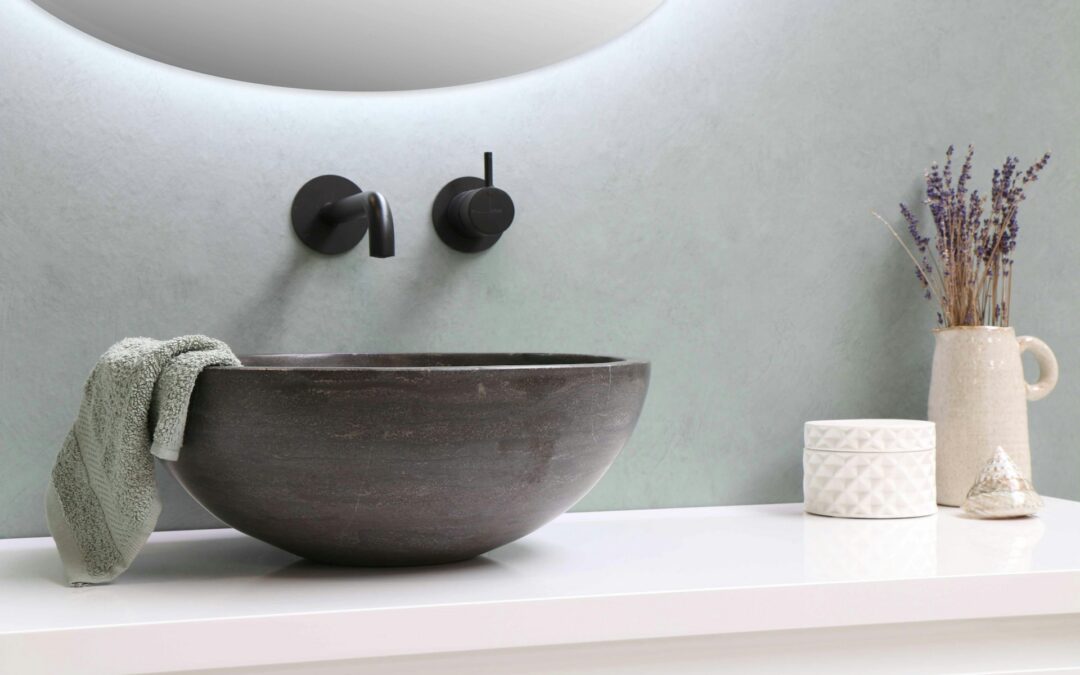
The sink and faucet combo usually steals the show in powder rooms. Pedestal sinks save space in tight layouts, while wall-mounted vanities give you storage and make cleaning the floor easier. Vessel sinks on narrow consoles add a sculptural touch.
Match your faucet finish to your overall design vibe. Matte black brings drama and a modern edge. Brushed brass or gold adds warmth and works beautifully with both traditional and contemporary styles. Polished chrome is classic and pairs with anything.
Lighting deserves special attention. Wall sconces on either side of the mirror give even, flattering light. If your ceiling is high enough, a statement chandelier or pendant adds personality.
Small details like cabinet pulls, towel bars, and toilet paper holders stand out in a tiny room. Coordinate them with your faucet finish for a polished look.
Essential Upgrades for Functionality
Making your powder room more functional comes down to smart storage and good lighting. These two upgrades can improve your space day to day and support a smoother powder room remodel experience.
Smart Storage Solutions
Storage needs to fit in tight spaces without making the room feel cramped. Wall-mounted cabinets keep the floor clear and help the room feel bigger.
A floating vanity with drawers hides away toiletries, extra towels, and cleaning supplies. Look for vanities with built-in organizers or dividers so small items do not get lost.
Over-the-toilet shelving uses vertical space you would otherwise ignore. Store extra toilet paper, a few decorative items, and guest essentials within easy reach.
Recessed medicine cabinets built into the wall save precious square footage. They stash medications and personal items out of sight, keeping your countertop clear.
Small baskets or bins inside cabinets help keep things organized. Label them so guests can easily find what they need.
Lighting Options for Small Spaces
Good lighting makes a small powder room feel bigger and more inviting. You need more than just an overhead fixture. Sconces on either side of the mirror get rid of shadows on faces. They work better than a single light above the mirror for makeup or checking your appearance.
LED lights use less energy and last longer than older bulbs. They also produce less heat, which matters in a small, enclosed space. A statement pendant or small chandelier adds style and ambient light. Make sure it fits your ceiling height and room size.
Install dimmer switches so you can adjust brightness depending on the time of day or your mood. They are simple to add and give you more control.
Materials and Finishes
The right materials and finishes can turn a basic powder room into a polished jewel box. Light-colored paints and glossy tiles make small rooms feel bigger, while durable surfaces handle daily use without looking worn.
Wall Treatments and Paint Choices
High-gloss or semi-gloss paint works well for powder room walls since these finishes resist moisture and wipe clean easily. Light colors like white, cream, or soft gray reflect light and make the space feel more open.
Washable wallpaper with bold patterns is fair game in a powder room remodel. You can get creative without overwhelming your home. Wainscoting or board-and-batten adds texture and protects walls from splashes near the sink.
These treatments usually cover the lower third of your walls and pair nicely with paint above.
Popular wall finish options:
- High-gloss paint (easiest to clean)
- Semi-gloss paint (good moisture resistance)
- Washable wallpaper (adds pattern)
- Tile wainscoting (maximum durability)
Dark accent walls can look dramatic, but save them for spaces with plenty of light.
Flooring Options
Porcelain or ceramic tile is a practical choice for powder room floors. These materials handle moisture well and come in styles that mimic wood, marble, or concrete.
Luxury vinyl plank is an investment-friendly alternative that installs quickly and feels warmer underfoot than tile. Small-format tiles like hexagons or penny rounds suit compact spaces and need fewer cuts around fixtures.
Large-format tiles cut down on grout lines, which means less cleaning and a more streamlined look. Your flooring should coordinate with your walls, but it does not have to match exactly. A patterned floor tile pairs well with simple wall colors, while basic flooring lets bold wallpaper take center stage.
Hiring Professionals vs. DIY
When you are planning a powder room remodel, you will need to decide if you want to handle the work yourself or bring in a contractor. This choice depends on your skills, your investment range, and how much time you truly have.
Cost Considerations
DIY remodeling can save you 20–30% on total costs. You will pay for materials and tools, not labor. But mistakes can get expensive if you have to redo work or call in help later.
Hiring professionals costs more upfront, but you get expertise and often a warranty. You will not need to buy specialty tools or spend weekends deep in renovation.
Time and Skill Requirements
Professional contractors finish powder room remodels two or three times faster than most DIYers. They know how to handle unexpected issues and make sure everything is up to code.
If you are handy, you might handle painting or swapping out simple fixtures. Plumbing, electrical, or tile work usually calls for a pro.
When DIY makes sense:
- Simple cosmetic updates like painting or changing hardware
- You have some home improvement experience
- Your timeline is flexible
- You actually enjoy hands-on projects
When to hire a pro:
- Plumbing or electrical updates are needed
- Structural changes come into play
- You do not have the time or skills
- The job needs permits and inspections
Your powder room is small, which can make it a good place to start. Since guests use it, you still want it to look sharp.
When Small Spaces Deserve Better Design
A cramped or outdated powder room can leave a poor impression, even when the rest of your home feels polished. A well-executed powder room remodel solves common frustrations like poor lighting, lack of storage, and awkward layouts.
By focusing on smart planning and durable finishes, this small space can feel comfortable, intentional, and easy for guests to use. The right updates make the room feel larger, brighter, and far more functional.
If you are ready to elevate a space that often gets overlooked, Ambiance Creations offers a thoughtful, detail-driven approach. Get in Touch!
Frequently Asked Questions
How long does a powder room remodel usually take?
Most powder room remodels take one to three weeks, depending on the scope of work. Cosmetic updates move quickly, while plumbing, electrical, or custom finishes can extend the timeline.
What upgrades make the biggest impact in a powder room?
Lighting, wall finishes, and the vanity deliver the most noticeable results. Because the space is small, even one high-impact feature can transform the entire room.
Can a powder room remodel improve resale value?
Yes. A clean, updated powder room leaves a strong impression on guests and potential buyers. It signals that the home is well cared for, even in smaller spaces.
Should I keep the existing layout during a remodel?
Keeping plumbing and fixtures in their original locations reduces complexity and cost. Layout changes are possible, but they usually require a higher investment and longer timelines.
What materials work best for powder rooms?
Moisture-resistant paints, porcelain or ceramic tile, and durable countertops perform well. These materials handle frequent use while staying easy to clean and maintain.
Is wallpaper a good idea for a powder room?
Yes. Powder rooms are ideal for wallpaper because they have less humidity than full baths. Washable or vinyl-backed options offer durability without sacrificing style.
How do I make a small powder room feel larger?
Lighter colors, strong lighting, floating vanities, and large mirrors all help visually expand the space. Reducing clutter also makes a noticeable difference.
Do I need permits for a powder room remodel?
Permits are usually required if plumbing or electrical systems are altered. Simple cosmetic updates like paint, fixtures, or cabinetry often do not require permits, but local codes vary.