
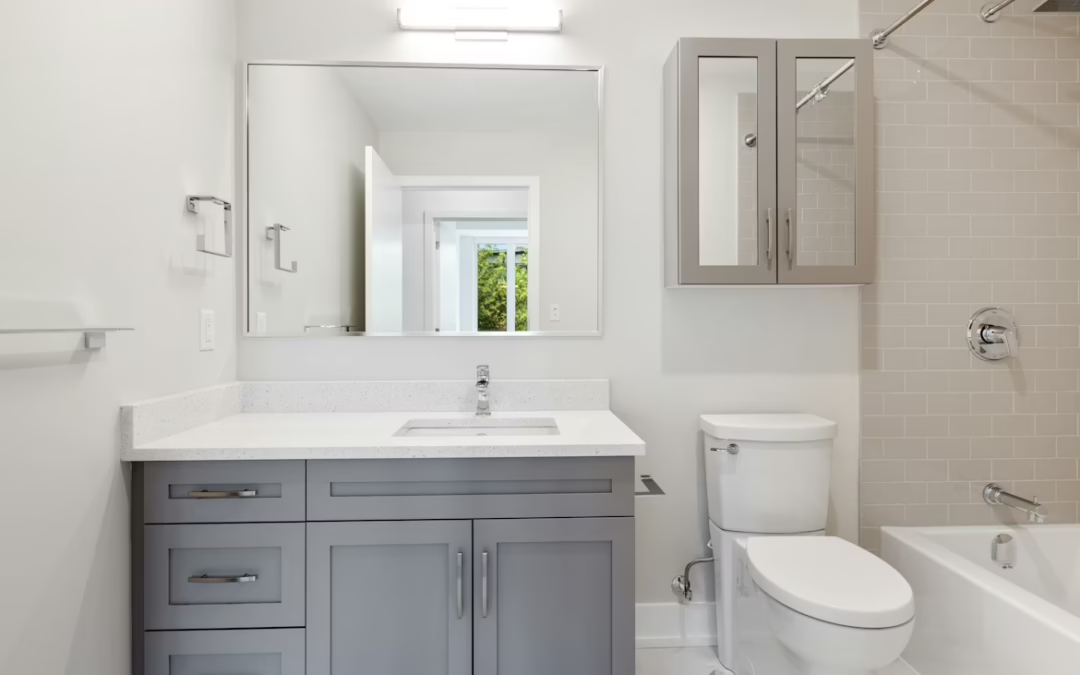
Renovating a bathroom is one of the most satisfying projects you can take on as a homeowner. Whether you’re diving into a full remodel or just giving the space a little facelift, your choices will shape how the room feels and works for years to come.
At Ambiance Creations, we always say: start with what you actually need from your bathroom, not just what looks good in a magazine.
Great bathroom design balances style and function. Sure, a gorgeous bathroom is fun to show off, but if it doesn’t work day to day, what’s the point? We pay close attention to layout, materials, and your personal style, because all three matter.
This guide collects the bathroom ideas and inspiration that really make a difference. We’ll talk layouts, shower choices, tile, and those little finishing touches that pull everything together.
Choose The Right Layout Before Anything Else
Layout really drives every other decision in a bathroom renovation. Where you put the big stuff—like the shower, toilet, and vanity—changes how you move around and use the space.
Getting the placement right means the room feels open, traffic flows easily, and you don’t end up bumping into things every morning.
Planning For Small Bathrooms And Tight Footprints
Small bathrooms can be tricky. Every inch matters. If you install a wall-mount toilet, you save visual floor space and make the room feel bigger. Pedestal sinks have a similar effect. They skip the bulky cabinet, keeping the footprint lean.
Think vertical for storage. Tall cabinets, shelves above the toilet, and wall niches all add storage without crowding the floor.
Designing Shared Spaces For Better Flow
Shared bathrooms really benefit from clear zones. A simple partition wall between the toilet and shower lets two people use the room at once. No more waiting for your turn just to brush your teeth.
Wall-mounted sinks at different heights work well for kids’ bathrooms. In a primary bath, a double vanity with two sides gives each person their own space. That’s a big help during the morning rush.
Making A Galley-Style Layout Feel Open
Galley-style bathrooms put fixtures along parallel walls, just like a narrow kitchen. The trick is to keep the middle walkway open. That way, moving through the room feels easy and natural.
Light colors, big mirrors, and matching furniture help avoid that tunnel feeling. A fresh paint color, maybe soft mint or warm linen, can give the space personality without any construction.
Start With The Shower And Tub Decisions
The shower and tub are usually the biggest things in the bathroom. They set the style, shape the layout, and can eat up a lot of your budget.
When A Walk-In Shower Makes The Most Sense
If you rarely use the tub, a walk-in shower is usually the way to go, especially in small bathrooms. Swapping the tub for a roomy walk-in can make the space feel much bigger.
A curbless shower takes it even further. There’s no step to trip over, and the floor looks seamless. It’s easier to clean and works for all ages. Add a built-in shower niche to keep your shampoos organized. It keeps things tidy and off the floor.
In a shared bathroom, a double shower with two heads on a bold tile wall is a real upgrade. It’s functional and feels pretty luxurious.
How To Style Freestanding Tubs As A Focal Point
Freestanding tubs need space to shine. Placing one near a window or centering it on a stone tile wall makes it a true focal point. These tubs come in sculptural shapes that feel like furniture. Hang a dimmable light above for that spa vibe.
A tray, a candle, and a green plant on the floor nearby keep things intentional but not cluttered. If you go bold with the tub, keep the rest of the finishes simple. Let the tub do the talking.
Wet Rooms, Open Showers, And Curbless Options
A wet room is fully waterproofed, with no shower enclosure. This works best in bigger bathrooms, where the tub and shower share one tiled zone. Open showers—no doors, maybe just a glass panel or half wall—feel modern and airy.
Put the tub just outside the shower area to keep things practical and the path clear. Curbless showers are easy to step into and out of. They also make sense for long-term accessibility.
Build Around Vanity, Sink, And Storage Choices
The vanity is where function and style really meet. Sink style, storage, and mirror placement all spring from this one piece.
Double Vanity Vs Single Vanity Setups
A double vanity makes life easier in a shared bathroom. Two sinks, two storage zones, and matching mirrors keep things organized and symmetrical. In smaller bathrooms, a single vanity is usually smarter. Pick one with good storage so you don’t lose function.
Floating Vanity And Wall-Mounted Looks
Floating vanities attach right to the wall, leaving the floor open underneath. This makes the room look larger and less crowded.
They work especially well in modern bathrooms that love clean lines. Pair a floating vanity with an integrated sink and frameless mirror for a sleek look.
Picking The Best Sink Style For Daily Use
Sink style really changes both the look and the cleaning routine. Undermount sinks sit under the counter, so wiping up is easy.
Vessel sinks sit on top of the counter and make a statement, but you’ll need a taller vanity to keep things comfortable.
Integrated sinks—where the bowl and counter are one piece—look super clean and modern. Pedestal sinks skip storage but work great in powder rooms where style wins out.
Pick Materials And Tile That Elevate The Space
Tile is the backdrop for everything in the bathroom. Choose wisely, and the whole room feels intentional and pulled together.
Stone, Ceramic, And Mosaic Tile Ideas
Stone tile brings warmth and texture you just can’t fake. Marble, travertine, and slate each have their own vibe. They work on floors, walls, and even in the shower.
Ceramic tile is a budget-friendly chameleon. It comes in every color and size, and some versions mimic stone without the high cost. Mosaic tile is perfect for accents, shower floors, and niches. It adds grip and pattern in small doses.
Zellige tile has a handmade look that’s really trending. Its irregular surface catches light in a way machine-made tile just can’t.
Where To Use Tile Backsplash And Accent Surfaces
A tile backsplash behind the vanity protects the wall and adds a shot of style. Run it floor-to-ceiling to draw the eye up and make the ceiling feel higher.
In the shower, wrapping tile all the way around creates a unified, durable look. Pick one bold accent wall—maybe zellige or a graphic ceramic—to give the room a focal point.
Mixing Texture For A More Layered Finish
Mixing tile textures brings depth. Try a smooth, large tile on the floor and a hand-textured tile on the walls for contrast.
Matte floor tile with glossy wall tile changes how light plays in the room, depending on the time of day. Combining materials—like wood-look tile with stone—adds warmth and variety without making things feel chaotic.
Layer Lighting, Fixtures, And Finishing Details
Lighting and details are what really bring your bathroom renovation to life. These choices pull everything together and set the mood.
Creating A Cohesive Color Palette
Pick two or three colors and repeat them across tile, paint, and accessories. This keeps the room from feeling scattered.
Warm neutrals, soft whites, and earthy greens are big for 2026. They feel calm, timeless, and easy to update later. A tight color palette also makes it simple to swap out decor without a full repaint or retile.
Choosing Fixtures, Hardware, And Accessories
Match your fixtures and hardware for a polished look. Mixing finishes—like brass and matte black—can work, but stick to one family if you want it to feel cohesive.
Wall-mounted lights at vanity height give the most flattering light for getting ready. Accessories like soap dispensers, towel rings, and hooks seem small, but they really finish the space.
Using Mirrors, Window Treatments, And Decor Thoughtfully
A statement mirror above the vanity does double duty: function and style. Try an arched-top or oversized frameless mirror to bounce light around.
Cafe curtains offer privacy without blocking all the light. They suit farmhouse, vintage, and transitional styles perfectly.
Keep decor simple: a plant, a tray, maybe a piece of art. Too much stuff just makes the room feel busy.
Match Your Renovation To A Clear Design Style
Pick a design style before you start shopping. It saves time and helps everything work together in the end.
Modern And Contemporary Looks That Feel Current
Modern bathrooms love clean lines, minimal fuss, and a tight color palette. Floating vanities, frameless glass showers, and matte black fixtures are all staples.
Contemporary bathrooms are a little more flexible. They incorporate current trends while staying grounded in comfort and function. For 2026, think warm stone, wood accents, and sculptural tubs. Those touches define the look right now.
Transitional And Classic Approaches With Staying Power
Transitional bathrooms blend traditional and modern. Shaker cabinets with a frameless mirror and brushed nickel hardware are a good example. This style is a good fit if you want a bathroom that won’t feel dated in a few years.
Classic bathrooms lean into symmetry and rich materials. Subway tile, pedestal sinks, and built-in tubs fit right in. This approach works especially well if your home already has some vintage charm.
Vintage, Farmhouse, And Mediterranean Character
A vintage bathroom borrows from the past—think clawfoot tubs, mosaic hex tile, and antique fixtures. Warm colors and old-school details bring in personality.
Modern farmhouse bathrooms mix shiplap, open shelves, and apron sinks with crisp white finishes. It’s relaxed and inviting.
Mediterranean bathrooms bring in terracotta, hand-painted tiles, arched mirrors, and warm plaster. Even a red bathroom can look elegant if you ground it with stone tile and brass.
Your Renovated Bathroom Should Feel Effortless Every Day
Renovated bathroom inspiration becomes more valuable when it supports your comfort, routines, and coastal lifestyle. Quality materials and thoughtful planning help your space feel calm, durable, and refined.
At Ambiance Creations, we bring craftsmanship, white-glove coordination, and Southwest Florida design knowledge to your home. Your bathroom should feel personal, polished, and built for daily ease.
For a space shaped by lasting comfort and beauty, get in touch to start a clear, design-led conversation.
Frequently Asked Questions
What are the best layout ideas for a small bathroom with a shower and toilet?
Put the toilet on a side wall and use a curbless or corner walk-in shower to maximize space. A wall-mount toilet and floating vanity keep the floor open and the room feeling airy. Always keep a clear path between fixtures—that’s key in any small bathroom.
How can I remodel my bathroom on a budget without it looking cheap?
Focus your budget on a few high-impact upgrades. Swapping out the vanity, new cabinet pulls, and retiling the shower can change everything without moving plumbing. Paint the walls and update accessories like mirrors, towel bars, and lighting for an even more affordable refresh.
Which colors and tile styles make a small bathroom feel bigger?
Light, neutral walls and floors push the space outward visually. Large tiles with minimal grout lines make the room feel more continuous. Vertical tile patterns and floor-to-ceiling surrounds draw the eye up, adding height and openness.
What are the most popular bathroom design trends people are using right now?
For 2026, people love warm stone tile, freestanding tubs, floating vanities, zellige accents, and curbless showers. Matte and antique-finish hardware are edging out chrome. Comfort, smart storage, and thoughtful materials are driving most bathroom remodels.
Where can I find real-life bathroom remodel photo galleries for ideas?
Look for completed bathroom remodels that reflect the size, layout, and architectural style of your home. Before-and-after projects help you compare material combinations, lighting, storage ideas, and space planning in a more realistic way.
Photo galleries become more useful when they show multiple angles, finish details, and how the bathroom connects to nearby spaces. That context helps you make more confident design decisions before your renovation begins.
What should I prioritize first when planning a bathroom renovation?
Start with the layout and plumbing. Honestly, moving pipes or drains usually eats up the biggest chunk of your budget.
Once you’ve nailed down the layout, focus on the shower or tub. That’s the next major decision, and it shapes everything else.
After you’ve settled those basics, you can finally dive into picking finishes, fixtures, and decor. That’s the fun part, right?
But don’t rush—those foundational choices really set the tone for the whole project.