
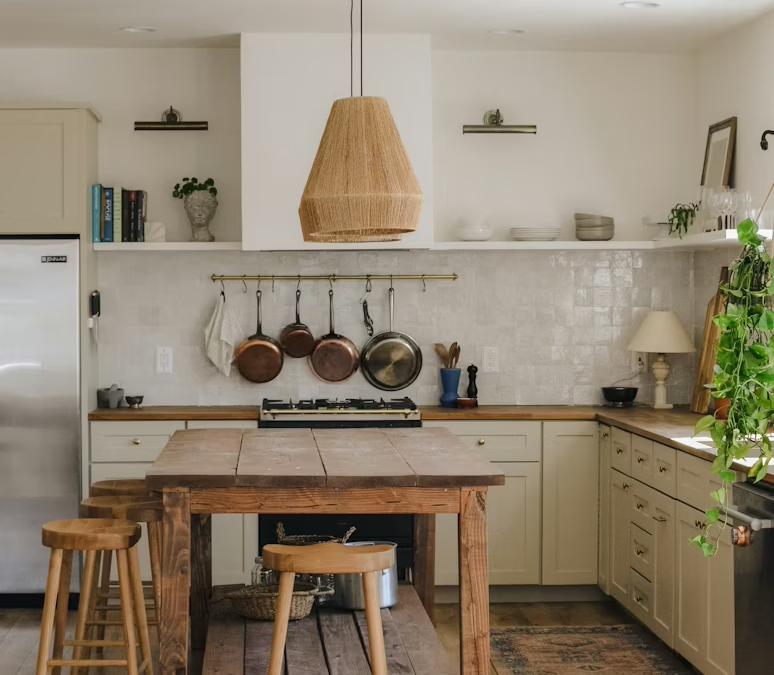
If you’re planning a kitchen remodel, choosing sustainable kitchen materials is one of the smartest ways to enhance your home while reducing environmental impact. At Ambiance Creations, we focus on materials that combine long-term performance, refined aesthetics, and responsible sourcing.
The kitchen is one of the most resource-intensive spaces in any home, making material selection especially important. By prioritizing durability, low-emission products, and efficient design, you can create a space that supports healthier indoor air quality and lasting functionality.
In this guide, you will explore countertops, cabinetry, flooring, and everyday upgrades. You will also learn how to evaluate materials, understand key certifications, and make informed decisions that elevate both design and sustainability.
How to Choose Better Materials First
Selecting sustainable kitchen materials starts with understanding performance, sourcing, and lifespan. The best options reduce environmental impact while maintaining strength and visual appeal.
What Makes a Material Truly Lower Impact
A material is not sustainable simply because it carries a label. You need to evaluate its full lifecycle, including sourcing, manufacturing energy, durability, and disposal.
Look for recycled content, rapidly renewable resources like bamboo, or responsibly harvested wood. Choose products with low or zero VOCs to support healthier indoor air quality, since they release fewer harmful chemicals into your home.
Materials that require less processing typically create a smaller environmental footprint, making them a reliable starting point for responsible selection.
Balancing Durability, Maintenance, and Cost
Durability plays a central role in sustainability because longer-lasting materials reduce waste and the frequency of replacements. A surface that holds up for decades will always outperform one that needs frequent replacement.
Consider how you use your kitchen daily. High-traffic zones require materials that resist wear and clean easily, while lower-use areas can accommodate more delicate finishes.
Compare upfront investment with lifespan. A material that lasts twenty years often delivers stronger long-term value than one that is replaced every seven years.
Why Sourcing and Certifications Matter
Certifications help verify environmental claims and guide better decisions. FSC-certified wood supports responsible forestry practices, while Greenguard Gold ensures low chemical emissions.
When selecting paints and finishes, review actual VOC levels instead of relying on general claims. Responsible sourcing ensures materials perform well while protecting environmental and human health.
Countertop Options With Lower Environmental Impact
Countertops define both function and aesthetics in a kitchen. Today’s sustainable kitchen materials offer durability, performance, and refined design without compromise.
Recycled Glass and Terrazzo-Inspired Surfaces
Recycled glass countertops use post-consumer materials like bottles and windows, creating a surface that is both durable and visually distinctive. They offer strong heat resistance and long-term performance.
These surfaces resist stains when sealed properly, and some designs incorporate concrete for a terrazzo-style finish that reduces reliance on newly quarried stone.
Each slab features natural variation, which creates a unique, high-end look that stands apart from conventional options.
Wood, Bamboo, and Reclaimed Timber Worktops
Wood countertops introduce warmth and texture, making them a timeless design choice. Reclaimed wood extends the life of existing materials while reducing landfill waste.
Bamboo grows quickly and offers excellent strength, making it one of the most renewable countertop options available. It also resists bacteria naturally and adapts to multiple finishes.
Both materials require sealing and occasional maintenance, but they age beautifully and can be refinished instead of replaced, extending their lifecycle.
Paper Composite and Alternative Surface Materials
Paper composite surfaces combine recycled paper with resin to create dense, durable countertops that perform similarly to stone. These materials resist heat and moisture while offering a refined, matte appearance.
Other options, such as recycled plastic surfaces and stainless steel, provide durability and sustainability. Stainless steel stands out for hygiene, heat resistance, and recyclability. Together, these materials deliver modern aesthetics with long-term performance, making them strong choices for sustainable kitchen design.
Cabinetry, Flooring, and Wall Finishes
Cabinetry and finishes define the overall environment and represent a large portion of material use. Choosing sustainable kitchen materials in these areas significantly impacts both indoor air quality and longevity.
Cabinet Materials That Last Longer
Cabinets built from FSC-certified or reclaimed wood support responsible sourcing while offering durability. Bamboo provides another strong option due to its rapid renewability and structural strength.
Avoid particleboard with urea-formaldehyde binders, as these release harmful chemicals over time. Instead, choose plywood with no-added-formaldehyde adhesives for improved indoor air quality.
Durable cabinetry reduces replacement frequency and strengthens long-term value within the kitchen.
Flooring Choices for Busy Kitchens
Kitchen flooring must handle moisture, foot traffic, and daily wear. Bamboo and cork provide durable and renewable solutions that perform well under pressure.
Cork offers natural cushioning and antimicrobial properties, which improve comfort during extended use. Reclaimed hardwood adds character while reducing material waste. These flooring options balance resilience, comfort, and sustainability in high-use environments.
Paints, Adhesives, and Finishes That Support Healthier Air
Low-VOC and zero-VOC paints improve indoor air quality while maintaining strong performance. They eliminate the harsh chemical odors often associated with traditional finishes.
Choose water-based adhesives and finishes whenever possible to reduce harmful emissions. Natural options like lime wash and clay plaster provide breathable, non-toxic alternatives. These finishes enhance both the visual quality and health of the kitchen environment.
Appliances and Lighting That Cut Energy Use
Efficient systems complement sustainable kitchen materials by reducing energy consumption and supporting long-term performance.
What to Look for in High-Efficiency Appliances
Energy-efficient appliances reduce electricity and water usage without sacrificing performance. Look for Energy Star certification, induction cooktops, convection ovens, and dishwashers with smart sensors.
These features optimize energy use while maintaining cooking precision and reliability. Selecting the right appliances enhances both sustainability and functionality.
Where Energy Star Ratings Make the Biggest Difference
Focus on appliances that operate continuously or frequently. Refrigerators run around the clock, making them the most impactful upgrade for energy savings.
Modern dishwashers also reduce water and energy consumption significantly compared to older models. Prioritizing these appliances delivers measurable efficiency gains.
Lighting Upgrades That Save Power Every Day
LED lighting reduces energy use while extending lifespan. It offers consistent performance and requires less frequent replacement than traditional bulbs.
Layered lighting designs improve efficiency by directing light where it is needed most. Under-cabinet lighting and dimmers provide greater control while reducing unnecessary energy use.
Everyday Swaps for a Lower-Waste Cooking Space
Small changes reinforce the benefits of sustainable kitchen materials and meaningfully reduce daily waste.
Food Storage and Reusable Alternatives
Replacing single-use plastics with reusable solutions like glass containers, beeswax wraps, and stainless steel storage significantly reduces waste. These alternatives maintain convenience while offering long-term durability and improved environmental performance.
Composting Setups for Small and Large Kitchens
Composting diverts food waste from landfills and reduces methane emissions. Even small kitchen setups can support effective composting systems.
Use countertop bins for daily collection and transfer waste to outdoor systems or community programs. This process simplifies waste management while supporting sustainability.
Simple Tools That Replace Single-Use Products
Reusable tools such as cloth towels, silicone mats, and refillable dispensers reduce long-term waste and ongoing costs. These simple upgrades quickly replace disposable products and deliver consistent value over time.
Budget-Friendly Sourcing and Smarter Renovation Decisions
Integrating sustainable kitchen materials does not require excessive spending. Strategic decisions help maximize impact while maintaining efficiency.
When Reuse Beats Buying New
Refacing cabinets or updating finishes preserves existing materials and reduces waste. Keeping the current layout also minimizes construction impact and material use. Reuse often represents the most environmentally responsible approach, especially when structural elements remain in good condition.
Where to Find Salvaged and Secondhand Materials
Salvage yards, reuse centers, and local marketplaces offer quality materials at reduced cost. These sources provide access to reclaimed wood, fixtures, and unique design elements. Using salvaged materials reduces environmental impact while adding character to the space.
Which Upgrades Deliver the Best Long-Term Value
Focus on upgrades that improve efficiency and durability, such as energy-efficient appliances, LED lighting, and long-lasting surfaces. These choices reduce maintenance needs and operational costs, transforming sustainable kitchen materials into a lasting investment.
Design a Kitchen That Lasts
Choosing sustainable kitchen materials allows you to create a space that balances performance, beauty, and environmental responsibility. Every surface, finish, and fixture contributes to a kitchen that functions efficiently while supporting long-term durability.
At Ambiance Creations, we guide each project with a focus on thoughtful material selection and refined execution. Our approach ensures your kitchen reflects both elevated design and lasting value through carefully chosen materials and seamless coordination.
Get in touch to start designing a kitchen that delivers enduring quality, healthier living, and a meaningful investment in your home.
Frequently Asked Questions
What are the best sustainable kitchen materials for countertops?
The best sustainable kitchen materials for countertops include recycled glass, bamboo, reclaimed wood, and paper composite surfaces. These options offer durability while reducing environmental impact through recycled or rapidly renewable resources.
Each material brings a unique look and performance level, so the right choice depends on how you use your kitchen and the level of maintenance you prefer.
Are sustainable kitchen materials durable enough for daily use?
Yes, many sustainable kitchen materials are highly durable and designed for long-term performance. Materials like recycled glass, stainless steel, and bamboo can withstand heavy daily use when properly installed and maintained.
Durability is a key part of sustainability, since longer-lasting materials reduce the need for replacement and minimize waste over time.
How do sustainable materials improve indoor air quality?
Sustainable materials often contain low or zero volatile organic compounds (VOCs), which means they release fewer harmful chemicals into your home. This improves indoor air quality and creates a healthier kitchen environment.
Choosing certified products, such as Greenguard Gold finishes or no-added-formaldehyde cabinetry, helps ensure safer air for everyday living.
Are sustainable kitchen materials more expensive?
Some sustainable kitchen materials require a higher upfront investment, but they often provide better long-term value. Their durability, lower maintenance needs, and energy efficiency can reduce costs over time.
Focusing on high-impact upgrades, such as countertops or cabinetry, helps balance investment while still achieving meaningful results.
Can I create a sustainable kitchen without a full remodel?
Yes, you can incorporate sustainable kitchen materials without a full renovation. Simple updates like switching to LED lighting, using low-VOC paint, or adding reusable storage solutions can make a noticeable difference. Even small changes contribute to a more efficient and environmentally responsible kitchen over time.