
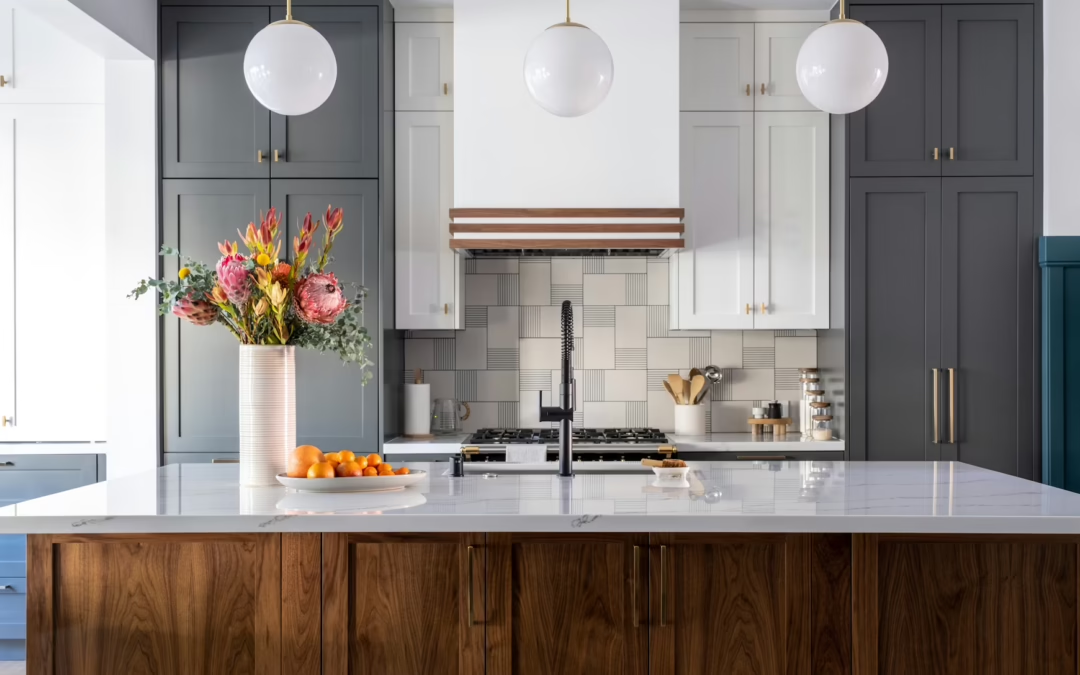
Many kitchens feel flat or uninspired when every cabinet is the same color. Two-tone cabinet design offers a simple way to introduce contrast, depth, and personality without completely redesigning the space.
At Ambiance Creations, we often see homeowners struggle to balance style and function when updating their kitchens. The right cabinet design can highlight key areas like the island, improve visual flow, and make the room feel more intentional.
In this guide, you’ll discover how two-tone cabinet design works, the most popular color combinations, and practical strategies to create a balanced, high-end kitchen that feels both modern and timeless.
What Is Two-Tone Cabinet Design?
Two-tone cabinet design uses two different colors or finishes for kitchen cabinets instead of relying on a single tone. The technique creates visual contrast while helping organize the space.
Another common approach is assigning a bold color to the kitchen island while keeping perimeter cabinets neutral. The goal is not simply mixing random colors but creating purposeful visual zones.
Darker cabinets in one area paired with lighter cabinetry elsewhere naturally divide the kitchen without adding walls. Some kitchens also combine painted cabinetry with natural wood finishes to introduce warmth and texture.
Key Characteristics
Contrast is the defining feature of two-tone cabinet design. The cabinet colors should differ enough to create a clear visual distinction.
Common pairings include dark lower cabinets with white or cream uppers, or a navy island surrounded by light gray perimeter cabinetry. Balance is essential for the design to feel intentional.
Many designers suggest using lighter tones for about 60–70% of the cabinetry, allowing the darker or bolder color to anchor the remaining space.
Two-tone kitchens often highlight specific architectural elements. An island becomes a focal point when finished in a contrasting tone, and features like a coffee bar or beverage station can stand out when given their own color treatment.
Popular Color Combinations for Two-Tone Cabinets
The right palette can dramatically elevate a two-tone cabinet design. Some combinations create calm and understated spaces, while others introduce energy and contrast.
Classic White and Wood Tones
White and natural wood remains one of the most timeless pairings in two-tone cabinet design. The brightness of white cabinetry pairs beautifully with the warmth and texture of wood.
Using white on upper cabinets keeps the room feeling open and airy, while wood lowers add grounding and warmth.
Light woods like oak, maple, or birch create a Scandinavian-inspired feel. Darker woods such as walnut or cherry introduce depth and richness.
The arrangement can also be reversed, though it is less common. The white and wood pairing tends to hide wear better than all-white kitchens and allows flexibility with countertops and backsplash materials.
Bold Contrasts
High-contrast palettes make a strong statement in two-tone cabinet design. Black lower cabinets with white uppers create a sleek, contemporary look. Navy paired with white or cream offers contrast while remaining softer and more approachable.
Deep forest green with white creates a natural, calming effect, while charcoal gray with white adds boldness without overwhelming the space.
In these designs, darker lowers visually anchor the room while lighter uppers prevent the kitchen from feeling heavy. This strategy works especially well in kitchens with taller ceilings.
Neutral Palettes
Neutral color combinations provide subtle sophistication in two-tone cabinet design. Cream paired with greige creates warmth and refinement, while light gray uppers with darker gray lowers add depth without overpowering the room.
Beige and taupe create a similar layered effect with a warmer tone. Off-white combined with soft gray produces a gentle contrast.
Neutral palettes allow homeowners to introduce personality through bold backsplashes, statement lighting, or patterned flooring while keeping cabinetry timeless.
Soft Pastel Pairings
Pastel tones bring personality to a two-tone cabinet design while maintaining a soft aesthetic. Sage green paired with white or cream feels calm, modern, and timeless. Soft blue-gray with white introduces a relaxed coastal atmosphere. Pale blush combined with cream offers a gentle warmth, while mint with white delivers a subtle vintage-inspired look.
Pastel tones often work best on lower cabinets paired with white or cream uppers to keep the space balanced. These palettes also complement natural materials such as wood countertops, brass hardware, and marble or quartz surfaces.
Design Strategies for a Balanced Look
A successful two-tone cabinet design relies on thoughtful color placement and coordination with other kitchen elements.
Choosing Upper and Lower Cabinet Colors
Upper cabinets are typically lighter than lower cabinets in a two-tone cabinet design. This mirrors natural visual balance, where lighter tones appear above darker ones.
White, cream, or light gray uppers reflect light and make ceilings appear higher, while darker lowers, such as navy, charcoal, or forest green, provide visual stability.
If a kitchen receives abundant natural light, darker upper cabinets can add dramatic contrast. Adequate lighting is important to ensure the room still feels open.
A helpful guideline is the 60-30-10 rule:
- 60% primary cabinet color
- 30% secondary cabinet color
- 10% accent elements such as hardware or décor
This distribution keeps the palette cohesive and balanced.
Using Accent Colors Effectively
The kitchen island is often the ideal location for a bold accent in two-tone cabinet design. A navy or deep green island can stand out beautifully against neutral perimeter cabinets. Limiting accent areas prevents visual clutter. One or two focal elements usually create the strongest impact.
Natural wood also functions as a color element. Wood tones paired with painted cabinets add warmth and organic texture.
Hardware helps unify the palette. Brass or gold complements warm tones like cream or sage, while chrome or matte black pairs well with cooler palettes such as white and gray.
Coordinating with Countertops and Backsplash
Countertops should complement both cabinet tones in a two-tone cabinet design. White quartz or marble works with most color combinations and creates a clean visual break between upper and lower cabinets.
Darker countertops, such as black granite or soapstone, generally work best when at least one cabinet color remains light. This prevents the kitchen from feeling visually heavy.
Backsplashes should echo cabinet colors without matching exactly. White subway tile can bridge white uppers with darker lowers, while patterned tiles may incorporate both cabinet tones plus a subtle accent. Wood countertops introduce an additional natural element and soften modern color palettes.
Benefits of Two-Tone Cabinet Design
Beyond aesthetics, two-tone cabinet design offers practical advantages that enhance both functionality and comfort.
Enhanced Visual Interest
Two-tone cabinets introduce depth that single-color kitchens rarely achieve. Contrasting lower and upper cabinets guide the eye through the space, creating layers rather than a single flat visual plane.
This design approach is especially effective for highlighting architectural features such as kitchen islands or decorative hardware.
Breaking cabinetry into color zones also prevents large kitchens from feeling monotonous and helps spaces appear thoughtfully composed.
Space Perception and Lighting
One of the most powerful benefits of two-tone cabinet design is how it influences spatial perception. Light upper cabinets draw the eye upward, making ceilings appear taller. Darker lower cabinets ground the space and conceal everyday wear in high-traffic areas.
Lighter cabinetry reflects natural and artificial light, brightening work surfaces and improving visibility. Two tones can also help balance uneven lighting. Darker cabinets may reduce glare in sunny areas, while lighter cabinets reflect light in dimmer sections of the kitchen.
Customization Opportunities
Two-tone cabinet design allows homeowners to mix materials, finishes, and colors for a personalized look.
Painted cabinets can be paired with natural wood or matte finishes combined with glossy accents to create subtle textural contrast. The flexibility also makes future updates easier. Repainting an island or accent section is far simpler than refinishing the entire kitchen.
Two tones also help connect the kitchen with the rest of the home. Lower cabinets may echo flooring tones, while upper cabinets coordinate with wall colors or backsplash materials.
Tips for Implementing Two-Tone Cabinet Designs
Thoughtful planning ensures the two-tone cabinet design remains cohesive, durable, and visually balanced over time.
Selecting the Right Paint or Finish
Choosing a durable cabinet paint is essential for longevity. Oil-based paints offer smooth finishes and strong scratch resistance, but require longer drying times. Water-based paints dry faster and produce less odor. Satin or semi-gloss finishes are typically best for kitchens because they resist moisture and are easier to clean.
Testing colors is important. Painting large sample boards and observing them under different lighting conditions helps ensure the tones work throughout the day.
For wood cabinetry, select stains that harmonize with the painted tones. Warm woods pair well with cream or beige, while cooler gray palettes complement natural or whitewashed wood finishes. A quality primer improves adhesion and prevents stains from bleeding through the paint.
Integrating Hardware and Accessories
Hardware acts as a visual bridge between cabinet colors in a two-tone cabinet design. Brushed nickel and stainless steel suit many palettes, while matte black hardware creates contrast against lighter cabinetry. Brass and gold finishes introduce warmth to neutral color schemes.
Consistency is key. Using the same knobs and pulls across cabinetry keeps the design cohesive.
Accessories should also reinforce the color palette:
- Faucets should coordinate with cabinet hardware.
- Lighting fixtures can echo darker cabinet tones.
- Bar stools or counter chairs can introduce complementary accent colors.
Even small details, such as outlet covers or switch plates, should blend with the cabinetry for a polished appearance.
Maintaining Color Consistency
Maintaining a two-tone cabinet design requires simple, consistent care. Cabinets should be cleaned with gentle solutions such as warm water and mild dish soap applied with a soft cloth.
Harsh chemicals should be avoided because they can damage painted finishes. Spills should be wiped promptly, especially near sinks and cooktops where moisture and grease accumulate.
Touch-ups should be performed when chips or scratches appear. Keeping labeled leftover paint allows quick maintenance when needed. High-traffic areas, particularly lower cabinets near appliances, may need repainting after several years, even if the rest of the cabinetry remains in excellent condition.
Elevate Your Kitchen with Two-Tone Cabinet Design
Two-tone cabinet design continues to grow in popularity because it combines creativity, function, and long-term versatility.
Thoughtful color placement can enhance lighting, highlight architectural features, and create a kitchen that feels intentionally designed rather than uniform.
At Ambiance Creations, thoughtful cabinetry planning and material selection help ensure every kitchen balances beauty with everyday performance.
Get in touch to explore how two-tone cabinetry can transform your kitchen into a space that feels both refined and uniquely yours.
Frequently Asked Questions
What is a two-tone cabinet design in a kitchen?
Two-tone cabinet design uses two different colors or finishes for kitchen cabinets instead of a single color throughout the space. Most commonly, homeowners choose lighter upper cabinets and darker lower cabinets, or give the kitchen island a contrasting color.
This approach adds visual depth and helps define different areas of the kitchen without changing the layout. It is a popular strategy for creating a custom, high-end appearance.
Are two-tone cabinets still in style?
Yes. Two-tone cabinet design continues to be a strong kitchen trend because it adds dimension and personalization without overwhelming the space.
Designers often use the technique to highlight islands, break up large cabinet runs, or introduce warmth through wood tones. Because the concept is flexible, it works well in modern, transitional, and traditional kitchens.
What colors work best for a two-tone cabinet design?
Some of the most popular combinations for two-tone cabinet design include:
- White upper cabinets with navy or charcoal lowers
- Natural wood paired with white cabinetry
- Light gray uppers with darker gray lowers
- Sage green with cream or off-white
The best pairing depends on your lighting, countertops, flooring, and overall kitchen style.
Should upper or lower cabinets be darker?
In most two-tone cabinet design layouts, the lower cabinets are darker while the upper cabinets remain lighter. This creates visual balance because darker colors anchor the room while lighter colors reflect light and make the space feel taller.
However, kitchens with strong lighting or large windows may successfully reverse this approach for a dramatic effect.
Is a two-tone cabinet design good for small kitchens?
Yes. A two-tone cabinet design can actually make a small kitchen feel larger when used thoughtfully.
Lighter upper cabinets help reflect light and visually raise the ceiling, while darker lower cabinets ground the space and hide everyday wear. This contrast adds interest without making the kitchen feel crowded.
Can an island be a different color than the cabinets?
Absolutely. In many kitchens, the island becomes the focal point of two-tone cabinet design. Using a bold color on the island while keeping perimeter cabinets neutral adds contrast and draws attention to the center of the room. This strategy works especially well in open-concept kitchens where the island connects cooking, dining, and living spaces.
Does a two-tone cabinet design affect resale value?
A well-executed two-tone cabinet design can increase visual appeal and help a kitchen stand out to potential buyers. Neutral combinations such as white and wood, gray and white, or navy and cream tend to have the broadest appeal. These palettes add character while still feeling timeless and versatile.