
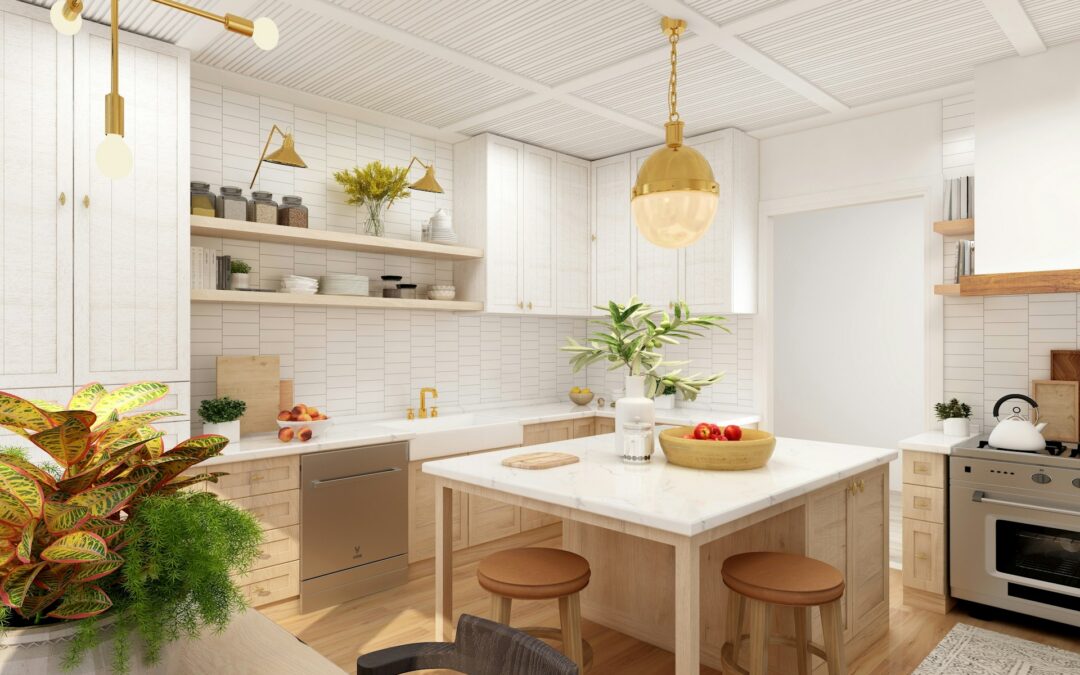
A successful kitchen design and remodel begins with clarity, purpose, and a strong understanding of how your space supports daily life. Whether you cook often, entertain regularly, or want a kitchen that finally feels organized, early decisions shape every outcome that follows.
At Ambiance Creations, we believe great design blends functionality, quality, and refined aesthetics. The most successful kitchens are not only beautiful, but also intentional in how they work, flow, and support your lifestyle.
In this guide, you’ll explore key elements of a well-planned kitchen, including layout, storage, materials, lighting, and style direction. Each section helps you make confident decisions and brings you closer to a kitchen that feels cohesive, elevated, and uniquely yours.
Start With Layout, Workflow, and Scope
Your layout defines how comfortably you cook, clean, and move through the space each day. When you get the structure right, every other decision becomes easier.
How to Choose the Right Kitchen Layout
The ideal layout depends on your room’s size and shape, and on how many people use the kitchen at once. Common options include:
- L-shaped layouts for open-concept homes with room for an island
- U-shaped layouts for dedicated kitchens with maximum counter space
- Galley kitchens for narrow spaces where efficiency matters most
- Eat-in kitchens for built-in dining
Start by mapping the work triangle between your sink, stove, and refrigerator. This keeps your most-used zones within easy reach.
If two people cook regularly, consider a double-workstation layout with separate prep and cooking zones.
Island vs. Peninsula for Your Floor Plan
A kitchen island works best when you have enough clearance on all sides. Plan for at least 36 to 42 inches of walkway space.
A peninsula connects to an existing counter or wall, making it ideal for smaller rooms while still adding prep space and seating.
Choose what fits your space, not just what’s trending. A well-placed feature improves flow and function more than a popular one.
Improving Traffic Flow and Everyday Function
Design your kitchen so movement feels natural. Keep main walkways at least 42 inches wide and avoid placing appliances where open doors block access.
Think about real-life use:
- Where do groceries land?
- Where do kids sit or work?
Small adjustments like adding a landing zone or relocating storage can significantly improve daily use.
When to Refresh vs. Fully Reconfigure
Not every kitchen design and remodel requires a full overhaul. If your layout works, focus on updating finishes and fixtures.
A refresh includes:
- Cabinet doors
- Countertops
- Lighting and paint
A full renovation involves:
- Moving walls
- Relocating plumbing
- Changing the footprint
If the function fails, invest in reconfiguration. If appearance feels dated, a refresh delivers strong results.
Build Smart Storage and Cabinetry
Cabinetry defines both function and visual impact. Thoughtful storage planning improves daily efficiency and long-term satisfaction.
Cabinet Configurations That Maximize Space
Upgrade standard cabinets with features that increase usability:
- Deep drawers for pots and pans
- Pull-out pantry shelves
- Floor-to-ceiling pantry cabinets
- Toe-kick drawers for flat storage
Prioritize solutions that directly address your storage challenges.
Open vs. Closed Storage Solutions
Balance form and function with a mix of storage types:
- Open shelving for everyday items
- Glass-front cabinets for display
- Closed cabinets for a clean, clutter-free look
Use each intentionally to maintain both accessibility and visual order.
Specialty Features Worth Adding
Small upgrades can transform your experience:
- Appliance garages to conceal small devices
- Coffee stations with dedicated storage
- Built-in organizers for utensils and spices
These features streamline routines and keep surfaces clear.
How to Plan Storage Around Daily Habits
Observe how you use your kitchen before finalizing storage. Place items where you naturally reach for them.
Store dishes near the dishwasher and prep tools near work zones. Designing around real habits ensures your kitchen design and remodel feel intuitive long after completion.
Choose Countertops, Backsplashes, and Flooring
Surfaces shape both style and durability. Select materials that balance performance with visual appeal.
Best Countertop Materials for Style and Durability
Popular options include:
- Quartz for low maintenance and durability
- Granite for natural variation
- Marble for high-end appeal
- Butcher block for warmth
Quartz remains a top choice due to its durability and minimal upkeep.
Backsplash Options From Classic Tile to Full Slabs
Your backsplash protects walls while adding personality:
- Subway tile for timeless versatility
- Slab backsplashes for seamless luxury
- Patterned tile for visual interest
Tile offers flexibility and easy updates if your style evolves.
Flooring Choices for Beauty and Wear
Choose flooring that handles daily use:
- Tile for durability
- Hardwood for warmth and continuity
- Luxury vinyl for versatility
Match your flooring to your lifestyle and maintenance preferences.
How to Mix Finishes Without Overwhelming the Space
Limit your palette to two or three materials. Balance texture and tone for cohesion. If your countertop features bold veining, keep the backsplash simple. If it stays subtle, introduce more character through tile.
Plan Lighting, Appliances, and Ventilation
These elements directly affect how your kitchen functions day-to-day.
Layered Lighting for Prep, Dining, and Ambiance
Combine three lighting types:
- Ambient lighting for overall brightness
- Task lighting for work zones
- Accent lighting for style and mood
Use dimmers to adjust lighting throughout the day.
Appliance Choices That Support Modern Living
Select appliances based on how you cook:
- Induction cooktops for efficiency
- Panel-ready appliances for seamless design
- Pot fillers for convenience
Choose features that improve daily use, not just appearance.
Why the Range Hood Matters
A range hood improves air quality and protects cabinetry. It can also serve as a visual focal point. Select one that matches your cooking habits and kitchen scale.
Ways to Add Natural Light
Maximize daylight whenever possible:
- Install larger windows
- Add skylights
- Use reflective surfaces
Natural light enhances every finish and color in your kitchen.
Pick a Style and Color Direction
Style decisions define your kitchen’s personality and influence every detail.
Timeless Looks That Age Well
Reliable styles include:
- Transitional kitchens
- Classic white kitchens
- Modern minimalist kitchens
Neutral palettes support long-term appeal and flexibility.
Warm Minimalist and Organic Design Ideas
Combine natural materials with clean lines for a modern yet inviting look. Focus on texture and restraint rather than excess.
Using Color in a Livable Way
Introduce color strategically:
- Painted islands
- Two-tone cabinetry
- Accent walls
Test colors in your space to ensure they work with lighting and materials.
How Metals and Texture Finish the Room
Coordinate finishes across fixtures and hardware. Mix textures like wood, stone, and fabric to add depth without clutter.
Pull the Whole Room Together
A cohesive kitchen feels intentional without appearing over-designed.
Design Details That Create a Cohesive Look
Repeat materials and finishes throughout the space. Use consistent tones and subtle connections to unify the design.
Feature Ideas That Add Personality and Comfort
Incorporate personal touches:
- Coffee stations
- Built-in seating
- Display cabinets
- Plants or natural elements
These details make your kitchen feel lived-in and welcoming.
Mistakes to Avoid Before Final Decisions
Avoid common pitfalls:
- Prioritizing style over function
- Forgetting outlet placement
- Skipping material samples
- Ignoring sight lines
- Rushing timelines
Careful planning ensures your kitchen design and remodel deliver lasting satisfaction.
Elevate Your Kitchen Design and Remodel Experience
A thoughtfully executed kitchen design and remodel brings together layout, materials, and craftsmanship in a way that feels seamless and lasting. When each decision supports both function and style, the result is a space that enhances daily living while maintaining a refined aesthetic.
Every element, from cabinetry to lighting, plays a role in creating a kitchen that feels intentional and cohesive. Taking the time to plan carefully ensures your investment delivers both immediate impact and long-term satisfaction.
At Ambiance Creations, we help transform ideas into spaces that reflect your lifestyle with precision and care. View our work to explore how a well-designed kitchen can elevate your entire home.
Frequently Asked Questions
What is the first step in a kitchen design and remodel?
Start with your layout and workflow. Define how you move through the space, where key appliances sit, and how zones connect. This foundation guides every other decision and prevents costly changes later.
How long does a kitchen design and remodel typically take?
Timelines vary based on scope. A refresh may take a few weeks, while a full renovation with custom cabinetry and structural changes can take several months. Planning ahead and ordering materials early helps avoid delays.
Is it better to choose appliances before cabinetry?
Yes, appliance-first planning ensures everything fits properly and functions as intended. Appliance sizes, ventilation needs, and clearances directly influence cabinet design and layout.
What type of cabinetry offers the best value?
Custom cabinetry provides the most flexibility and tailored storage, making it a strong long-term investment. Semi-custom options also offer excellent functionality with more standardized sizing.
How do I choose materials that will last?
Focus on durability and maintenance. Quartz countertops, quality cabinetry finishes, and resilient flooring perform well in busy kitchens. Choose materials that match both your lifestyle and design goals.
Should I include an island in my kitchen design?
Include an island only if your space allows proper clearance. Islands improve prep space, storage, and seating, but a peninsula may work better in smaller layouts.
How can I make my kitchen feel more cohesive?
Limit your palette to a few materials and repeat them throughout the space. Consistent finishes, coordinated hardware, and balanced textures create a unified, intentional design.
What are the most common mistakes to avoid?
Avoid prioritizing style over function, skipping material samples, and underestimating storage needs. Careful planning ensures your kitchen design and remodel deliver both beauty and usability.