
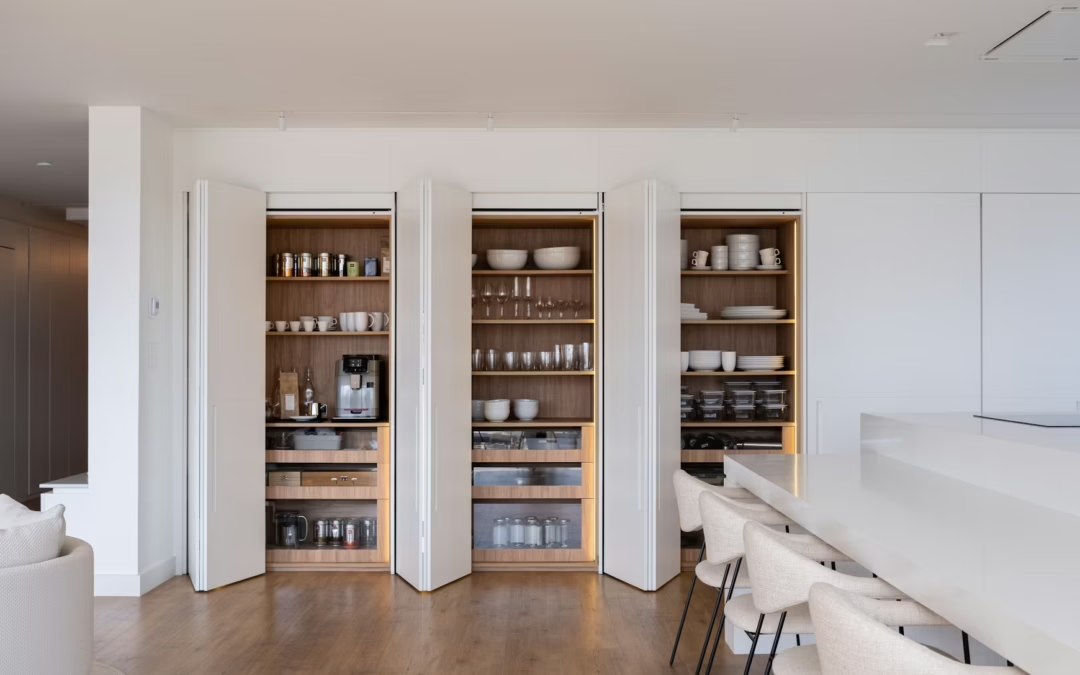
A cluttered kitchen makes everyday tasks harder than they should be. With pantry cabinet installation, you can reclaim storage, improve organization, and create a space that works efficiently. At Ambiance Creations, every design focuses on functionality, quality, and lasting value.
This guide simplifies the process so you can plan, install, and finish your pantry cabinet with confidence. You will learn how to avoid common mistakes, maximize storage, and create a clean, organized kitchen.
If your current storage feels limited or disorganized, this step-by-step approach will help you transform it into a space that feels intentional and easy to use.
Pantry Cabinet Installation Planning
Proper planning sets the foundation for a successful pantry cabinet installation. When you measure carefully, select the right cabinet, and gather all tools in advance, the installation becomes far more efficient and accurate.
Assessing Your Space
Measure the installation area at least three times to ensure accuracy. Record height, width, and depth while accounting for baseboards, outlets, and switches that may affect placement.
Check ceiling height and floor level, since even slight unevenness can impact alignment. Use a level to identify problem areas early and plan adjustments before installation begins.
Locate wall studs with a stud finder and mark them clearly, as they provide the structural support your cabinet requires. Review nearby doors or obstacles as well, ensuring the cabinet doors open fully without interference.
Choosing the Right Pantry Cabinet
Select a cabinet size that fits your measurements while leaving a small margin on each side for adjustments. Standard cabinet widths range from 12 to 36 inches, while custom cabinetry offers a more tailored fit with a higher investment.
Consider how you will use the storage space. Fixed shelves support heavier items, while adjustable shelves provide flexibility for changing needs. Pull-out shelves improve accessibility and make daily use more convenient.
Depth also plays an important role, as shallow cabinets suit tighter spaces and deeper cabinets maximize storage capacity. Material selection matters too, with plywood offering durability and particleboard providing a more accessible option.
Gathering Essential Tools and Materials
Prepare all tools before beginning your pantry cabinet installation to avoid interruptions during the process. Having everything ready allows you to work efficiently and maintain accuracy throughout each step.
Basic Tool List:
- Power drill and bits
- 4-foot level
- Stud finder
- Tape measure
- Pencil
- Clamps
- Safety glasses
Use 2.5 to 3-inch wood screws for secure mounting, and keep wall anchors, shims, painter’s tape, and wood filler nearby. Having a second person available will make lifting and positioning the cabinet significantly easier and safer.
Preparing for Pantry Cabinet Installation
Preparation ensures a smooth installation and long-term stability. When your space is ready and measurements are confirmed, the cabinet will sit correctly and remain secure over time.
Measuring and Marking the Area
Measure the full installation space carefully and mark the cabinet’s top position clearly. Most pantry cabinets sit on the floor or align 18–20 inches above a countertop, depending on the layout.
Mark stud locations within the cabinet width to guide secure mounting. Confirm that the cabinet fits through entryways before moving it into place, which prevents delays during installation.
Use a level to draw a straight reference line across the wall, ensuring the cabinet installs evenly and maintains proper alignment from the start.
Wall Preparation and Safety Precautions
Clear the work area completely by removing furniture, décor, and outlet covers that may interfere with installation. This step creates a safe and unobstructed workspace. Inspect the wall for cracks or damage, then repair any imperfections with joint compound and allow it to dry fully. Taking time here improves both stability and final appearance.
Wear safety goggles and a dust mask while drilling or cutting, and turn off power to nearby outlets before beginning work. Ask for assistance when lifting the cabinet to ensure both safety and precision during placement.
Step-by-Step Pantry Cabinet Installation Process
A successful pantry cabinet installation depends on careful assembly, secure mounting, and precise adjustments that ensure long-term performance.
Assembling the Pantry Cabinet
Lay out all components on a flat, clean surface and review the instructions before starting. Identifying each part in advance helps avoid confusion and saves time during assembly.
Insert dowels into pre-drilled holes, align panels carefully, and tighten cam locks securely without overtightening. This approach protects the hardware while ensuring a strong structure.
Attach the back panel to maintain alignment and stability, then install shelf pins at desired heights before positioning the cabinet upright.
Securing Cabinets to the Wall
Mark the wall studs clearly and position the cabinet in place, using shims to correct any uneven flooring. Proper positioning ensures the cabinet sits level and stable.
Check alignment with a level across all directions, then drill pilot holes through the mounting rails into the studs. Secure the cabinet using 3-inch wood screws, starting at the top and working downward.
Adjust alignment as needed before tightening all screws fully, ensuring the cabinet remains straight and properly supported.
Adjusting Doors and Hardware
Align cabinet doors using hinge adjustment screws, which allow precise vertical, horizontal, and depth adjustments. Careful alignment ensures smooth operation and a clean appearance.
Maintain even spacing around the doors and adjust gradually until the gaps appear balanced. Install handles or knobs consistently, pre-drilling holes to prevent damage and ensure uniform placement.
Ensuring Level and Alignment
Check the cabinet thoroughly with a level across the front and sides, as even minor misalignment can affect door movement and overall function.
Adjust shims as needed and trim any excess material once alignment is correct. Test doors and shelves to confirm smooth operation and stability, making final adjustments where necessary.
Finishing Touches for Pantry Cabinets
Final details enhance both the appearance and usability of your pantry cabinet. When completed thoughtfully, these elements create a cohesive and refined look.
Installing Molding and Trim
Install crown molding to bridge the gap between the cabinet and ceiling, cutting corners at precise angles for a seamless fit. Secure the molding with brad nails or adhesive while maintaining tight placement to avoid visible gaps.
Focus on key areas such as crown molding, base trim, and side panels to ensure a finished appearance. Fill nail holes with matching wood putty, then sand and touch up surfaces for a polished result.
Customizing Shelves and Interior
Adjust shelves to accommodate different storage needs, using shelf pins to reposition them easily over time. Adding liners protects surfaces and simplifies cleaning while improving durability.
Incorporate pull-out drawers, baskets, or door racks to improve accessibility and organization. Use clear bins and labels to group similar items, making everyday use more efficient and intuitive.
Maintenance and Pantry Organization Tips
Consistent care keeps your pantry cabinet performing at its best while maintaining a clean and organized space.
Cleaning and Care
Clean shelves every three months using a damp cloth and mild soap, removing all items before wiping surfaces thoroughly. Regular cleaning prevents buildup and preserves the cabinet’s finish.
Check weekly for spills or crumbs and use a handheld vacuum for quick maintenance. Clean cabinet doors monthly with gentle products and tighten any loose hardware during routine inspections.
Maximizing Pantry Storage
Use clear containers for dry goods to improve visibility and maintain freshness. Organize frequently used items at eye level, and place heavier items on lower shelves for safety and convenience.
Add shelf risers or tiered organizers to increase usable space without overcrowding. Group similar items together and label shelves or containers to maintain long-term organization and efficiency.
Create a Pantry That Works for You
Struggling with cluttered shelves and hard-to-reach items can make your kitchen feel frustrating every day. A well-planned pantry cabinet installation solves these issues by creating organized, accessible storage that supports how you actually use your space.
When every item has a place, your kitchen becomes easier to navigate and more enjoyable to use. Thoughtful layout, proper installation, and smart storage features all work together to eliminate daily inconvenience and wasted time.
At Ambiance Creations, every solution is designed with purpose and precision. Ready to simplify your kitchen? Get in touch to create a pantry that brings clarity and ease to your daily routine.
Frequently Asked Questions
What should I consider before starting pantry cabinet installation?
Start by measuring your space carefully and identifying wall studs for secure mounting. You should also think about how you plan to use the pantry so the layout and shelving match your daily needs. Proper planning helps you avoid alignment issues and ensures a smoother installation process.
Can I handle pantry cabinet installation on my own?
Many homeowners can complete pantry cabinet installation with basic tools and preparation. However, having a second person helps with lifting, positioning, and keeping the cabinet level during installation. For larger or custom units, extra support improves both safety and accuracy.
What type of pantry cabinet is best for small kitchens?
Slim or shallow-depth cabinets work best in compact spaces. Adjustable shelves and pull-out features help maximize storage without overcrowding the area. Choosing the right configuration allows you to make the most of limited square footage.
How do I ensure my pantry cabinet stays level?
Use a level during each stage of installation and adjust with shims as needed. Securing the cabinet directly to the wall studs also prevents shifting over time. Taking time to check alignment ensures doors function properly and the cabinet remains stable.
What are the best storage solutions for pantry organization?
Clear containers, labeled bins, and pull-out shelves improve visibility and access. Grouping similar items together also keeps the space organized and easy to maintain. These small upgrades make a big difference in daily use.
How often should I maintain my pantry cabinet?
Wipe down shelves every few months and check for spills or crumbs weekly. Regular cleaning prevents buildup and keeps your pantry looking fresh. You should also tighten hardware occasionally to maintain stability and performance.