
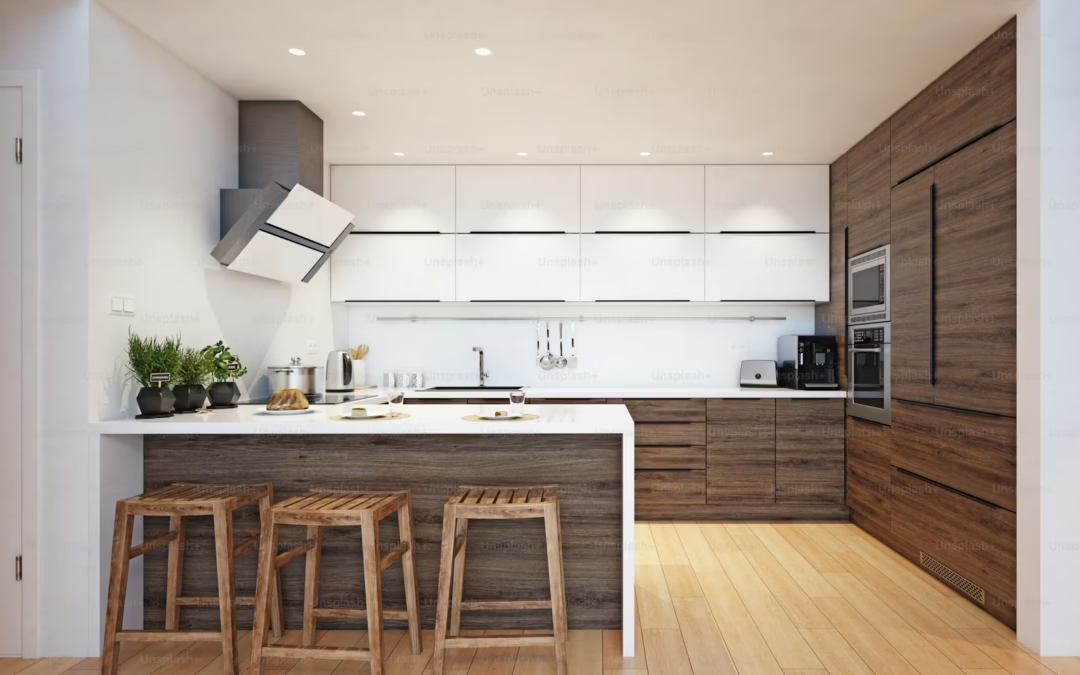
A kitchen remodel before-and-after reveals how thoughtful design transforms daily living in Naples homes. It shows how space, light, and flow come together to elevate how you cook and gather.
At Ambiance Creations, we approach each remodel with a focus on craftsmanship and design integrity. We consider coastal climate demands, from humidity-resistant materials to seamless indoor-outdoor transitions. Your kitchen becomes a space that performs beautifully while reflecting your home’s setting.
In this guide, you’ll discover what truly drives transformation, from layout planning to material selection. We’ll explore design decisions, common missteps, and finishing details that define exceptional results. Each insight helps you create a kitchen that feels as good as it looks.
What Makes a Dramatic Transformation
The most striking kitchen transformations come down to three shifts: better flow, more light, and smarter use of space. When all three improve together, the before-and-after difference feels dramatic.
Layout Improvements
A poor layout makes kitchens frustrating. If you cross the room from the fridge to the stove, cooking becomes a chore.
Opening a closed-off kitchen to dining or living areas is a common upgrade. Removing even a partial wall can make the space feel twice as large.
Adding an island where there wasn’t one gives you prep space, storage, and a casual place to eat. In tighter kitchens, a slim rolling cart can serve that role without major construction.
Lighting Upgrades
Dark kitchens feel smaller and less inviting. Swapping one ceiling fixture for recessed lights, under-cabinet strips, and pendants changes the entire feel.
Natural light matters too. Enlarging a window or adding one where a wall stood can make the space feel airy. Layered lighting gives flexibility —You need strong task lighting for prep and softer light for evening use.
Storage Gains
Cluttered counters make any kitchen feel messy. Deeper drawers, pull-out shelves, and tall pantry cabinets keep everything organized.
Think about what sits on your counters now. If appliances and tools lack a place, your remodel should provide dedicated storage zones.
Planning the Project Scope
Getting clear on your project scope prevents surprises and delays. Define what changes, what stays, and what remains optional.
Needs Versus Wish List
Start with two lists. Your needs include items that are broken, unsafe, or not working. Your wish list includes upgrades that enhance your space. Common needs include flooring repairs, wiring updates, or layout fixes.
Wish-list items may include a pot filler, wine fridge, or custom shelving. If costs rise, trim the wish list first.
Timeline Expectations
A minor refresh, like paint and backsplash, takes two to four weeks. A full remodel with cabinets and systems takes eight to twelve weeks after construction begins.
Design and planning add four to eight weeks before that. Custom cabinets may take six weeks or longer to arrive. Set up a temporary kitchen space. You’ll likely need it longer than expected.
Permit Considerations
Cosmetic updates often don’t need permits. Structural, electrical, and plumbing changes usually do. Skipping permits can create issues during resale. Confirm your contractor includes permits in the agreement.
Budget Choices That Show
Where you invest determines how your kitchen remodel’s before-and-after photos look. Some upgrades create a strong visual impact, while others improve daily function.
High-Impact Splurges
Cabinets and countertops create the biggest visual shift. They cover the largest surfaces in the room. A high-quality quartz or stone countertop instantly elevates the space. Soft-close cabinets add durability and refinement. A statement range or oversized sink can anchor the design.
Smart Cost-Saving Swaps
You don’t need to replace everything to create impact. Consider these alternatives:
- All-new cabinets can be replaced with refacing or repainting for a fresh look.
- Natural stone can be swapped for quartz or butcher block with a strong visual appeal.
- Hardwood flooring can be replaced with luxury vinyl plank for durability and style.
- Custom tile backsplashes can be simplified with large-format or peel-and-stick options.
- Full appliance suites can be scaled back to one standout appliance with supporting models.
Painting cabinets a fresh tone remains one of the most cost-effective upgrades. It transforms dated finishes without replacing the structure.
Value Versus Visual Appeal
Some upgrades look great, but don’t add resale value. Others improve both function and return. Updated lighting, appliances, and layout typically offer the best return. Highly personalized finishes may limit appeal. Choose designs that feel personal but remain broadly appealing.
Design Elements That Change the Look
Finishes and materials define the visual shift in your kitchen before and after the remodel. Cohesion matters more than individual choices.
Cabinet Style and Finish
Cabinets define the room’s tone. Switching from traditional wood to flat-panel styles creates a modern look. Two-tone cabinetry adds depth. Lighter upper cabinets and darker bases create contrast. Soft neutrals like sage, blue, and greige offer updated color without feeling trendy.
Countertop and Backsplash Pairings
Your countertop and backsplash should complement each other. If one has a pattern, keep the other simple.
Popular pairings include:
- White quartz with marble-look tile for a timeless finish.
- Butcher block with soft neutral tile for warmth.
- Dark stone with light backsplash for contrast.
A high-end backsplash can elevate the entire space without overwhelming costs.
Flooring and Hardware Selections
Flooring anchors the room visually. Luxury vinyl plank offers durability and moisture resistance. Hardware acts as the finishing detail. Swapping knobs and pulls for updated finishes quickly modernizes the look.
Common Mistakes That Weaken Results
Even large remodels fall short when function is overlooked. Daily usability matters as much as appearance.
Poor Workflow Decisions
The kitchen work triangle still matters. Poor spacing between sink, stove, and fridge slows everything down.
Placing the dishwasher far from storage creates inconvenience. Keep it close to where dishes belong. Ensure enough counter space near the stove for safe prep and cooking.
Trendy Choices That Date Quickly
Trends fade quickly, and open shelving requires constant upkeep and styling. Bold colors and patterns may feel dated within a few years. Keep major elements timeless. Use trends in small, changeable details like lighting or décor.
Underestimating Storage
Lack of storage remains a top regret after remodeling, so plan carefully for all items you use daily. Drawers often outperform cabinets for accessibility, while tall pantry cabinets maximize vertical space. Smart storage solutions prevent clutter and improve function.
How to Evaluate the Finished Space
After completion, assess how well your kitchen performs. Focus on both function and long-term value.
Functionality Checkpoints
Use the kitchen daily before making adjustments. Pay attention to:
- Whether appliances open without conflict.
- Whether lighting supports your prep areas.
- Whether cabinets open fully without obstruction.
- Whether essential items remain within easy reach.
Small adjustments can resolve minor issues quickly.
Resale Considerations
A kitchen remodel often returns 50 to 80 percent of its value. Neutral finishes and strong layouts attract buyers. Avoid overly personal design choices if you plan to sell soon. Keep the foundation timeless.
Photo-Worthy Finishing Touches
Final details bring the space together. Keep counters minimal with a few intentional items. Turn on under-cabinet lighting and add texture with a runner. Style open shelves sparingly. Take before-and-after photos from the same angle. Seeing the transformation highlights every decision you made.
Your Southwest Florida Home Deserves Intentional Design
A successful kitchen remodel, before and after, reflects more than just a visual change. It shows how thoughtful layouts, durable materials, and refined details improve how you live each day. When every element works together, your kitchen feels effortless and complete.
At Ambiance Creations, we guide your project with a white-glove approach that prioritizes precision and local expertise. We coordinate every detail with care, from material selection to final installation. Your kitchen becomes a space designed to perform beautifully in Southwest Florida’s climate.
Now is the time to invest in a kitchen that supports your lifestyle and enhances your home’s value. Get in touch to begin your transformation with a team that understands what exceptional design requires.
Frequently Asked Questions
What should I expect from a kitchen remodel before and after in Southwest Florida?
You can expect a transformation in layout, lighting, and material performance suited to coastal conditions. Kitchens often gain better flow, brighter spaces, and humidity-resistant finishes. The result is a space that feels open, functional, and aligned with your lifestyle.
How long does a kitchen remodel typically take in Naples or nearby areas?
A full kitchen remodel usually takes eight to twelve weeks once construction begins. Design planning and material sourcing can add another four to eight weeks. Timelines vary based on customization, permitting, and coordination across trades.
Do I need permits for a kitchen remodel in Southwest Florida?
Yes, permits are required for structural, electrical, plumbing, and gas line changes. Cosmetic updates like painting or hardware swaps typically do not require approval. Proper permitting ensures your remodel meets code and protects long-term property value.
What materials work best for kitchens in humid coastal climates?
Quartz countertops, sealed natural stone, and moisture-resistant cabinetry perform well in humid environments. Luxury vinyl plank flooring also handles moisture and wear effectively. These materials maintain their appearance while supporting long-term durability.
How does appliance-first planning improve kitchen design?
Appliance-first planning ensures your layout supports how you cook and use the space. It allows proper spacing, ventilation, and storage integration from the start. This approach avoids costly adjustments later and improves daily functionality.
What are the most common mistakes to avoid in a kitchen remodel?
Common mistakes include poor workflow planning, insufficient storage, and overly trendy design choices. These issues reduce long-term satisfaction and usability. A balanced approach keeps your kitchen both timeless and highly functional.
How do I know if my kitchen remodel investment adds value?
A well-designed kitchen with quality materials and an efficient layout typically adds strong resale appeal. Neutral finishes and durable surfaces attract a broader range of buyers. View our work to see how thoughtful design choices translate into lasting value for your home.