
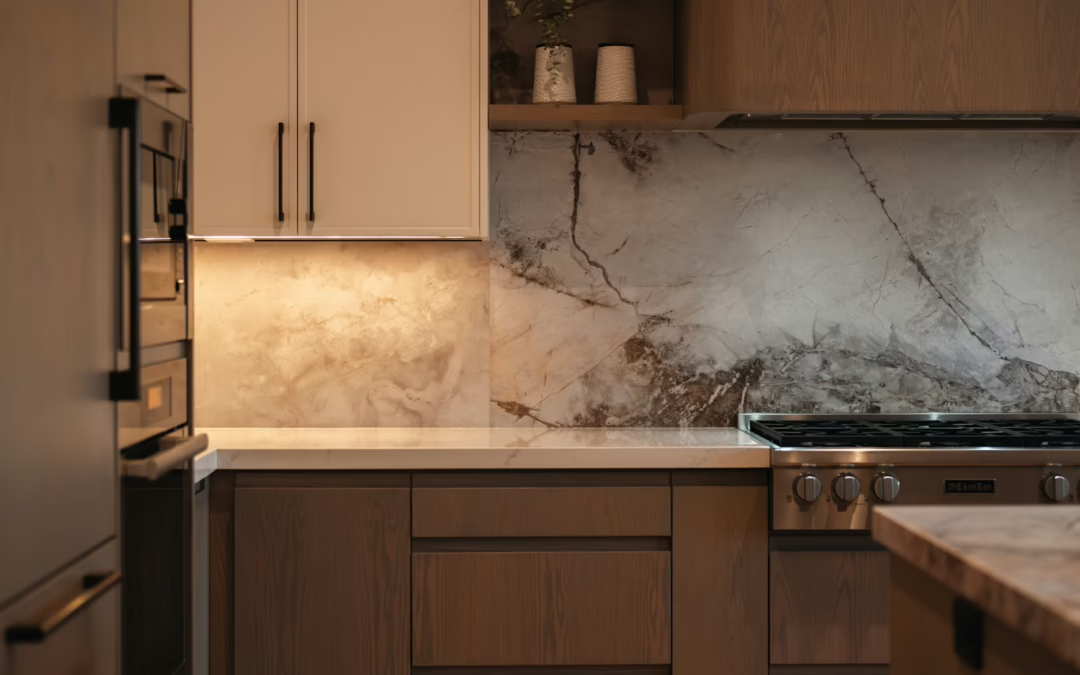
Your kitchen should move effortlessly with your daily life, blending beauty with purpose in every detail. A thoughtful kitchen remodel estimate in Southwest Florida gives you the clarity to shape that vision without unexpected turns.
At Ambiance Creations, we approach each project with a focus on craftsmanship, thoughtful design, and coastal durability. Your kitchen must perform in humidity, support indoor-outdoor living, and feel effortless in a waterfront home.
In this guide, you’ll learn what shapes your estimate, how materials impact cost, and where smart planning makes the biggest difference. You’ll gain the clarity needed to move forward with confidence.
What Shapes A Kitchen Remodel Estimate
Three categories tend to eat up the largest share of any kitchen budget: cabinetry, countertops, and appliances. Together, they often account for 60 to 70 percent of your total spend.
Cabinetry and Storage Choices
Cabinets almost always swallow the single biggest chunk of a kitchen remodel estimate. Stock cabinets from a home improvement store might cost $3,000 to $8,000 for a standard kitchen. Semi-custom options run $8,000 to $18,000, while fully custom cabinetry can easily exceed $25,000.
If your existing boxes are in good shape, refacing them with new doors and hardware is a popular shortcut. This approach can cut your cabinet budget by 30 to 50 percent and still give you a fresh look.
Countertop and Backsplash Materials
Countertop prices vary dramatically by material. Laminate starts around $10 to $40 per square foot installed. Quartz and granite typically fall between $50 and $150 per square foot. Natural stone slabs or premium porcelain can reach higher prices.
Backsplash tile adds another $800 to $3,500, depending on the material and the size of the area you need to cover. Subway tile remains one of the most budget-friendly options, while handmade or large-format tiles are more expensive.
Appliance Upgrades and Layout Changes
A basic appliance package with a range, refrigerator, dishwasher, and microwave starts around $2,500 to $5,000. Moving into professional-grade brands can push that number to $15,000 or more.
Layout changes add cost fast. Moving a sink or gas line requires plumbing and gas work, which can easily add $1,500 to $5,000.
Relocating electrical outlets for a new island or range hood tacks on even more. Keeping appliances in their current positions is probably the simplest way to keep your estimate in check.
Typical Price Ranges by Project Scope
Kitchen remodels fall into three broad categories, and the price difference between them is significant. Knowing which level fits your goals keeps you from overplanning or under-budgeting.
Cosmetic Refresh
A cosmetic refresh focuses on surface-level changes. You’re keeping the existing layout, cabinets, and appliances.
The work typically includes:
- Painting or refacing cabinet doors
- New hardware and fixtures
- Updated lighting
- Fresh paint or wallpaper
- New backsplash
Expect to spend roughly $5,000 to $15,000. This range works well if your kitchen functions fine but just looks dated.
Mid-Range Renovation
A mid-range renovation replaces more components while still working within the existing footprint. You might install new semi-custom cabinets, quartz countertops, a tile backsplash, and a mid-tier appliance package.
This scope usually lands between $15,000 and $45,000. Most homeowners fall into this category.
High-End Custom Build
A high-end remodel means tearing the room down to the studs and starting over. Custom cabinetry, premium countertops, top-of-the-line appliances, new plumbing and electrical, and structural changes are all on the table.
Budgets here start at around $50,000 and regularly exceed $100,000. Projects that involve knocking out walls, expanding the footprint, or adding features like a butler’s pantry push costs even higher.
If you’re going this route, you’ll want a designer and an experienced general contractor to guide you every step of the way.
Labor, Permits, and Hidden Expenses
Materials get a lot of attention, but labor, permits, and surprise costs can quietly add thousands to your kitchen remodel estimate. Overlooking these items is one of the most common budgeting mistakes.
Contractor and Trade Fees
Labor typically accounts for 35 to 40 percent of a kitchen remodel budget. Your general contractor coordinates the project and takes a fee, usually 10 to 20 percent of the total job cost.
Beyond the general contractor, you’ll likely need specialists:
- Plumber: $500 to $3,000+
- Electrician: $500 to $3,000+
- Tile installer: $1,000 to $3,500
- Painter: $500 to $2,000
- Flooring installer: $800 to $3,000
Rates vary by region. Kitchens in metro areas like New York, San Francisco, or Los Angeles often carry labor costs 20 to 40 percent higher than the national average.
Permit Requirements and Inspections
Any work that involves plumbing, electrical, gas lines, or structural changes usually requires a permit. Permit fees range from $100 to $1,500, depending on your city and the scope of work.
Skipping permits might seem like a way to save money, but it can create serious problems. Unpermitted work can stall a future home sale, void your insurance, or lead to code violations you’ll need to fix later.
Contingency Funds for Surprises
Older homes love to hide problems behind walls. Water damage, outdated wiring, and asbestos are all issues that surface once demolition starts.
Set aside 10 to 20 percent of your total budget as a contingency fund. On a $30,000 remodel, that means keeping $3,000 to $6,000 in reserve.
If nothing goes wrong, great. If something does, at least you won’t have to stop the project while you figure out financing.
How to Build a Realistic Budget
A realistic kitchen budget starts with honest priorities and solid research. The gap between what you want and what you can comfortably afford is where most planning mistakes happen.
Prioritizing Must-Haves vs. Nice-to-Haves
Before you look at a single tile sample, make two lists. The first list covers things you truly need, such as replacing a failing dishwasher or fixing water-damaged cabinets.
The second list covers upgrades you’d love but can live without, like a pot filler or under-cabinet lighting. Fund every item on the first list before spending a dollar on the second.
This approach prevents the common trap of splurging on a gorgeous countertop while running out of money for proper lighting.
Comparing Quotes Effectively
Get at least three detailed written estimates from licensed contractors. A good estimate breaks costs into individual line items for materials, labor, permits, and project management.
Watch out for bids that lump everything into a single number. You need to see what each component costs so you can compare apples to apples.
The lowest bid isn’t always the best value. A suspiciously cheap quote often means the contractor left something out or plans to cut corners.
Setting a Smart Spending Buffer
Your working budget shouldn’t equal every dollar you have available. A smart buffer means keeping your planned spend at 80 to 85 percent of your maximum.
The remaining 15 to 20 percent covers your contingency fund and any small upgrades you might want to add once you see the project taking shape. Track spending weekly throughout the project. Costs can creep up fast, and catching overruns early gives you time to adjust.
Ways to Reduce Costs Without Cutting Quality
Saving money on a kitchen remodel doesn’t mean settling for cheap results. Strategic choices in layout, materials, and timing can trim your budget by 20 to 40 percent while still giving you a kitchen you’re proud of.
Keeping the Existing Footprint
Every time you move a sink, range, or refrigerator, you add plumbing, electrical, and possibly gas work. Keeping appliances and fixtures in their current locations eliminates those costs entirely.
If your layout works but feels cramped, small tweaks like removing an upper cabinet or adding open shelving can make the space feel bigger without any pipe or wire relocation.
Mixing Premium and Budget Finishes
You don’t need to pick the same quality level for everything. A practical approach is to spend more on surfaces you touch and see every day, like countertops and cabinet hardware, and save on less visible items.
For example:
- Splurge: Quartz countertops, quality faucet
- Save: Laminate or vinyl plank flooring, stock upper cabinets, basic can lights
This mix keeps your kitchen looking polished while freeing up budget for the things that matter most.
Timing the Project Strategically
Contractors usually hit their busiest stretch in spring and summer. If you schedule your remodel for late fall or winter, you might snag better pricing and faster timelines since demand drops off.
Appliance sales really ramp up around holiday weekends, think Memorial Day, Labor Day, or Black Friday. If you buy appliances during those sales and stash them until the work kicks off, you could save hundreds, maybe even thousands. It’s worth planning your material runs around those seasonal promos at supply stores, too.
Your Southwest Florida Kitchen Deserves Thoughtful Planning
A well-crafted kitchen remodel estimate reflects more than numbers. It aligns materials, layout, and performance with how you live every day in Southwest Florida. When you plan with intention, your kitchen becomes both functional and enduring.
At Ambiance Creations, we guide your project with precision, refined design, and white-glove coordination. We ensure every detail supports coastal living, from humidity-resistant materials to seamless indoor-outdoor flow.
Get in touch to begin your kitchen transformation with clarity and confidence.
Frequently Asked Questions
What should a kitchen remodel estimate include in Southwest Florida?
A kitchen remodel estimate should include cabinetry, countertops, appliances, labor, permits, and contingency funds. In Southwest Florida, it must also account for humidity-resistant materials and ventilation needs. Clear line items help you understand where your investment goes and avoid surprises during construction.
How does humidity affect my kitchen remodeling costs?
Humidity impacts material selection and long-term durability, which directly affects your estimate. You’ll want moisture-resistant cabinetry, sealed surfaces, and proper ventilation systems to protect your space. These upgrades may raise upfront costs but reduce maintenance and future repairs.
Is it more cost-effective to keep my kitchen layout the same?
Yes, keeping your existing layout typically lowers your kitchen remodel estimate. You avoid added plumbing, electrical, and gas line work, which can quickly increase costs. Strategic design updates can still transform your space without relocating major components.
What is a realistic contingency for a kitchen remodel estimate?
A realistic contingency ranges from 10 to 20 percent of your total project cost. This reserve covers hidden issues like outdated wiring or water damage discovered during demolition. Planning this buffer ensures your project continues smoothly without delays.
How long does a kitchen remodel take in Southwest Florida?
Most kitchen remodels take 6 to 12 weeks, depending on scope and material availability. Custom cabinetry, inspections, and coastal-specific considerations can extend timelines slightly. Planning ahead and coordinating trades carefully helps keep your project on track.
Should I prioritize appliances or cabinetry first in my estimate?
You should prioritize appliances first, as they influence layout, cabinetry dimensions, and electrical planning. This approach creates a more functional design and prevents costly adjustments later. It also ensures your kitchen supports how you cook and entertain.
When is the best time to start a kitchen remodel project?
Late fall and winter often provide better scheduling flexibility and potential cost advantages. Contractors typically have more availability, which can improve timelines and coordination. View our work to explore design ideas and plan your next step with confidence.