
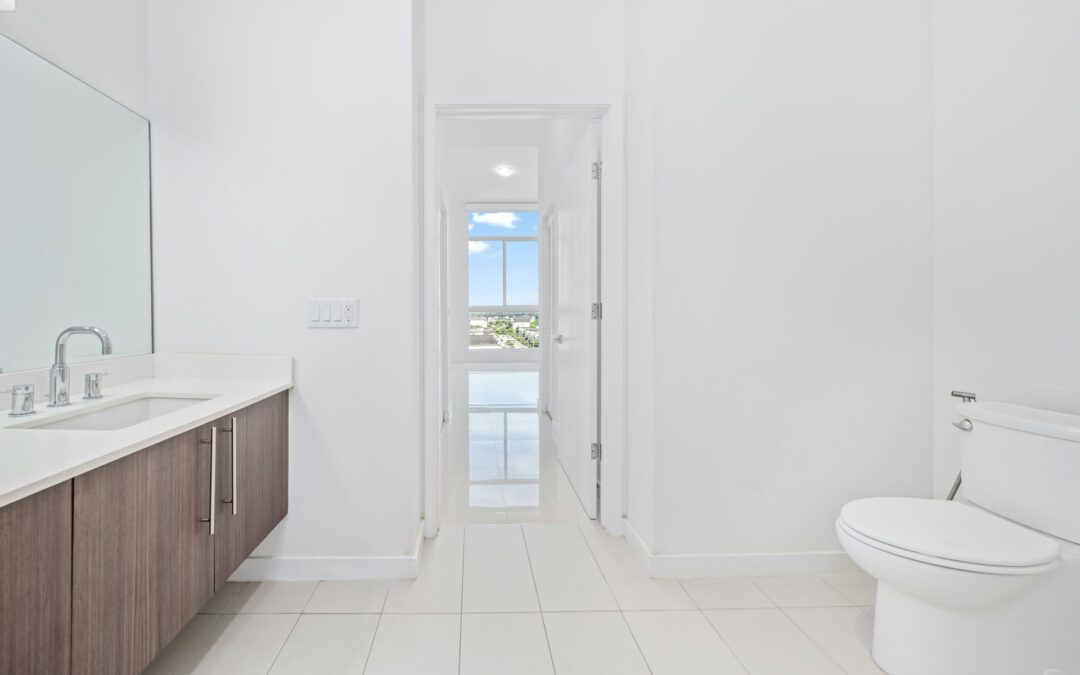
Outdated or poorly designed cabinets can make your bathroom feel cluttered, cramped, and harder to use than it should be. When storage does not work, even simple routines become frustrating.
A bathroom cabinet remodel solves common pain points like wasted space, awkward layouts, and worn finishes without requiring a full renovation. The right cabinet updates can improve flow, organization, and how the room feels day to day.
At Ambiance Creations, we focus on cabinet solutions that balance durability, function, and clean design. Below, you will find practical guidance to help you plan smarter upgrades that actually improve how your bathroom works.
Planning Your Bathroom Cabinet Remodel
Start with a plan. It saves time, reduces mistakes, and keeps your choices aligned from day one. Focus on three essentials: your investment range, what you need to store, and a realistic timeline. When those are clear, the rest falls into place.
Setting Your Investment Range
Your investment range will guide most decisions. Decide what you can spend comfortably, then break it into categories.
Include cabinets, hardware, potential installation help, plus paint or stain. Set aside 10%–15% for surprises, like hidden water damage or plumbing updates.
Typical investment ranges:
- Basic refresh: $200–$800 (paint, new hardware, minor repairs)
- Mid-range update: $800–$3,000 (new stock cabinets or refacing)
- High-end remodel: $3,000–$10,000+ (custom cabinets, premium materials)
Compare options before committing. Stock cabinets are usually the lowest cost, semi-custom offers flexibility, and custom is built around your exact layout.
Assessing Cabinet Needs
Look at what you actually store. Is it just toiletries and towels, or a full set of hair tools, cleaning products, and extras?
Measure your current cabinet area and list what is not working. Common issues include poor reach, wasted corners, and no space for bulky items. Write down the pain points so your bathroom cabinet remodel solves real problems.
Consider who uses the bathroom. A family bath needs different storage than a guest bath. Kids benefit from lower access, while a primary bath may need separate zones for each person. Think ahead, too. Storage needs often change as routines and households evolve.
Choosing a Remodel Timeline
Most cabinet projects take a weekend to a few weeks, depending on the scope. Painting might wrap up in a couple of days, with drying time. Installing new cabinets can take longer, especially if you order semi-custom or custom pieces.
Typical timeline breakdown:
- Planning and shopping: 1–2 weeks
- Demolition: 1–2 days
- Installation: 3–7 days
- Finishing touches: 1–3 days
Account for lead times. Custom cabinetry can take months, while stock cabinets are often available quickly. Order early to keep the schedule on track.
Selecting Bathroom Cabinet Styles
Style sets the mood, but it should still support function and daily use.
Popular Cabinet Designs
Traditional cabinets feature raised panels, decorative trim, and classic hardware. Wood tones like cherry or oak help deliver a timeless look.
Modern cabinets focus on clean lines, flat fronts, and minimal hardware. Floating vanities are popular because they make the floor visible, which helps the room feel larger.
Shaker-style cabinets strike a balance with simple recessed panels. They fit nearly any design direction and stay relevant over time.
Transitional cabinets blend traditional warmth with modern simplicity. Subtle details and neutral colors allow flexibility as decor evolves.
Material and Finish Options
Solid wood is hard to beat for durability. Hardwoods like maple, oak, and cherry can handle bathroom moisture well when properly sealed.
MDF offers a smooth paint-ready surface and can be cost-effective. Good ventilation is important because MDF can swell if exposed to persistent moisture.
Plywood is a strong middle ground. Many high-quality cabinets use plywood boxes with solid-wood or veneer doors for a durable build.
Painted finishes offer endless color options and a uniform look. Stains highlight natural grain. A protective topcoat matters either way for moisture resistance.
Customization Choices
Stock cabinets are the most affordable and fastest to source. If standard sizes fit your layout, they can be a strong choice.
Semi-custom cabinets allow adjustments in size and features. You can often fine-tune height, depth, and storage accessories.
Custom cabinets are built from scratch for your space. They cost more, but they are ideal for unusual layouts or highly specific storage needs.
Popular upgrades include soft-close hinges, pull-out shelves, built-in outlets, drawer dividers, glass doors, and open shelving. You can also add dedicated storage for hair tools or cleaning supplies.
Functional Features for Modern Cabinets
A well-designed bathroom cabinet remodel improves how the room works, not just how it looks.
Storage Solutions
Drawers often outperform basic cabinet doors. You can see items quickly, and fewer things disappear in the back. Deep drawers are ideal for towels, while shallow drawers organize small daily items.
Pull-out organizers are especially useful under sinks. Sliding trays reduce bending and make tight spaces more accessible. Some include bins for cleaning products or sections for styling tools.
Vertical dividers keep bottles upright and easy to grab. They save space and reduce clutter. Built-in outlets inside drawers keep toothbrushes and razors charged but out of sight. Some systems also include interior lighting that turns on when the drawer opens.
Soft-Close Hardware
Soft-close hinges and slides prevent slamming, reduce wear, and make cabinets feel more premium.
You can often add soft-close adapters to existing cabinets if you are not replacing the boxes. It is a practical upgrade that supports long-term durability.
Organizational Accessories
Drawer inserts prevent small items from getting lost in a mess. Adjustable dividers let you customize storage for your routine. Bamboo and plastic are both easy to clean.
Door-mounted racks add storage in unused space. They work well for brushes, sprays, and compact tools. Tiered shelf organizers make it easier to see small bottles and frequently used items.
Step-By-Step Bathroom Cabinet Installation
Installing cabinets is straightforward with careful prep and accurate measurements.
Preparation and Demolition
Shut off the water supply, usually under the sink. Disconnect plumbing before removing anything. Unscrew the P-trap and supply lines with a wrench, and keep a bucket nearby for remaining water.
Remove doors and drawers to reduce weight. Locate the fasteners securing the cabinet to the wall and detach them carefully.
Once the cabinet is out, inspect the wall for damage and level issues. Patch holes, address soft spots, and clean the area so the new installation has a stable base.
Cabinet Assembly Tips
Lay out all parts and hardware before starting. Confirm nothing is missing. Read the instructions carefully, since assembly varies by manufacturer. Avoid guessing, as a single wrong step can lead to misalignment later.
Helpful tips:
- Work on a soft surface to prevent scratches
- Hand-tighten cam locks, then finish with a screwdriver
- Add a small amount of wood glue in dowel holes for strength
- Measure diagonals to confirm the cabinet is square before tightening
Install drawer slides and hinges before hanging the cabinet. It is easier and more accurate at ground level.
Installation Best Practices
Locate wall studs with a stud finder. Cabinets should be anchored to studs rather than drywall alone. Mark a level line for the cabinet base. Use a long level to keep the run straight.
Basic process:
- Drill pilot holes through the cabinet back into the studs
- Drive 3-inch screws partway
- Check level side-to-side and front-to-back
- Shim where needed if the wall is uneven
Use at least four screws into studs, spaced for stability. Reconnect plumbing with care. Use plumber’s tape on threaded connections, then turn the water on slowly and check for leaks.
Finishing Touches and Maintenance
The final details help your bathroom cabinet remodel look intentional and last longer.
Hardware Selection
New knobs and pulls can change the whole look. Options like brushed nickel, matte black, oil-rubbed bronze, and chrome can complement most styles.
Measure existing hole spacing before buying. Knobs use one hole, pulls use two. If you change spacing, you will need to fill old holes and drill new ones.
Keeping finishes consistent across the bathroom creates a cleaner overall result. Hardware often ranges from $3 to $15 per piece, depending on material and design.
Painting or Staining
Paint delivers a smooth, modern finish in nearly any color. Use a high-quality primer and apply two thin coats for better durability than a single thick coat.
Stain highlights natural grain. Sand thoroughly, apply stain evenly, and wipe excess for a lighter tone. Let it sit longer for a deeper color. Both paint and stain should be protected with a moisture-resistant topcoat. Polyurethane or a clear sealer helps prevent swelling and wear.
Cleaning and Care Tips
Wipe cabinets weekly with a damp cloth to remove dust and splatter. For deeper cleaning, mild dish soap and warm water work well.
Avoid harsh chemicals and abrasive scrubbers, since they can dull or damage finishes. Dry surfaces right away to prevent water spots and warping.
Run the bathroom fan during showers to reduce humidity. Check hardware occasionally and tighten loose screws before they cause misalignment.
Turn Cabinet Frustration Into Everyday Ease
When cabinets waste space, stick, or trap clutter, the bathroom never feels finished. A smart bathroom cabinet remodel solves these daily pain points with a better layout, smoother operation, and materials built to last.
The right choices improve storage, reduce visual noise, and make routines faster and calmer. Small changes, planned well, deliver outsized results.
If your cabinets are holding the room back, Ambiance Creations can help align design and function. Get in Touch!
Frequently Asked Questions
What problems does a bathroom cabinet remodel solve?
A bathroom cabinet remodel addresses common issues like cluttered counters, wasted storage, poor layout, and worn finishes. It improves how the space functions without requiring a full bathroom renovation.
Can I remodel cabinets without changing the entire bathroom?
Yes. Cabinets can be updated independently through refacing, refinishing, hardware upgrades, or full replacement. These changes often deliver a major visual and functional upgrade on their own.
How do I know if my existing cabinets can be reused?
If the cabinet boxes are structurally sound and free from water damage, they are often good candidates for refinishing or refacing. Swollen panels, warped boxes, or mold usually signal that replacement is the better option.
What cabinet features make the biggest daily difference?
Drawers instead of deep cabinets, pull-out organizers, soft-close hardware, and built-in electrical outlets are among the most impactful upgrades. These features reduce frustration and improve accessibility.
Are drawers better than traditional cabinet doors?
In most cases, yes. Drawers allow full visibility and easier access, especially in lower cabinets. They help prevent items from getting lost in the back.
How do I choose materials that handle bathroom moisture?
Sealed solid wood, marine-grade plywood, and moisture-resistant finishes perform well in humid environments. Proper ventilation is just as important as material choice.
How much space should I plan around bathroom cabinets?
Plan for at least 21 inches of clear standing space in front of the vanity. Doors and drawers should open fully without hitting toilets, walls, or other fixtures.
Can storage be added during a bathroom cabinet remodel?
Absolutely. Pull-out trays, vertical dividers, tiered shelving, taller cabinets, and integrated organizers can all be added to increase usable storage without expanding the footprint.
How long does a bathroom cabinet remodel usually take?
Simple updates like hardware swaps or painting may take a few days. Full cabinet replacement can take one to several weeks, depending on customization and lead times.
What maintenance keeps cabinets looking new?
Regular wiping with a damp cloth, avoiding harsh cleaners, drying surfaces quickly, and using the bathroom fan during showers all help protect finishes and extend cabinet life.