
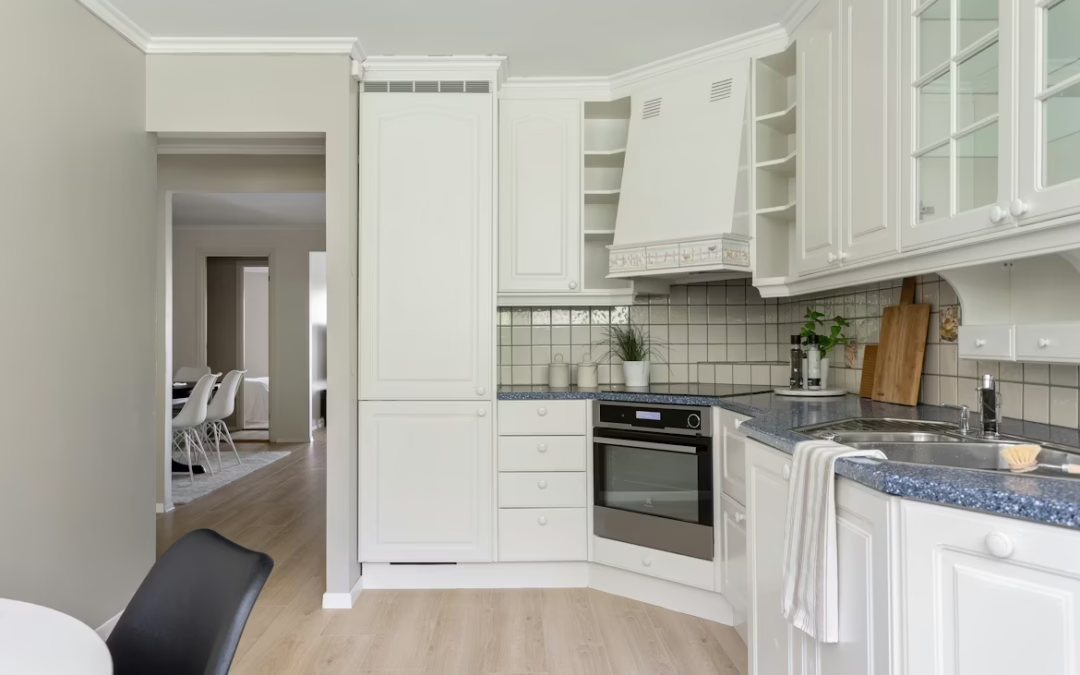
A well-designed kitchen should feel effortless, organized, and refined. The right corner cabinet solutions help Naples homeowners maximize storage while keeping every item within easy reach. In Southwest Florida homes, thoughtful cabinetry also supports open layouts and everyday entertaining.
At Ambiance Creations, we design kitchens that balance functionality with timeless craftsmanship. From humidity-resistant finishes to appliance-first layouts, every detail supports the way you live and move through your home. Your cabinetry should feel intentional, not crowded or difficult to navigate.
This guide explores storage systems, cabinet layouts, and specialty features that transform underused corners into practical design elements. You’ll also discover ideas that improve accessibility, maintain visual balance, and elevate your kitchen experience. The right approach can make your entire kitchen feel larger, calmer, and easier to use.
Best Solutions for Hard-to-Reach Base Corners
Base corner cabinets often waste valuable kitchen storage. Lazy Susan systems, blind corner pull-outs, swing-out shelves, and corner drawer designs each solve access challenges differently. The best choice depends on your cabinet style and the items you plan to store.
Lazy Susan Systems
A lazy Susan shelf remains one of the most popular corner cabinet solutions for good reason. The rotating trays bring everything into view, so you avoid digging into dark corners.
Full-circle units fit double-door cabinets, while D-shaped or half-moon units work well with single-door cabinets. Materials range from plastic and wire to wood and stainless steel. Two-tier and three-tier systems maximize vertical storage without crowding the cabinet.
Avoid overloading the shelves with tall bottles or very heavy cookware. Lighter cookware, pantry items, and spices keep the rotation smooth and functional.
Blind Corner Pull-Out Organizers
Blind corner pull-outs solve one of the toughest kitchen storage problems. These systems slide forward and swing outward, bringing hidden contents directly toward you.
Most models feature two-tier trays mounted on smooth glide tracks. As you pull the front shelf, the rear shelf follows along a curved path. You gain easy access without reaching into the cabinet.
Many pull-out organizers support heavy cookware, baking sheets, and small appliances. Before ordering, measure your cabinet opening carefully and confirm whether you need a left-hand or right-hand configuration.
Swing-Out and Pull-Out Shelf Designs
Swing-out shelves attach to pivot arms mounted inside the cabinet door. When you open the cabinet, the shelves move outward, providing clear access to stored items.
Pull-out shelving uses glide rails that bring shelves directly toward you. Lower drawers often hold heavier cookware, while upper shelves work well for dishes or pantry storage.
Both styles improve visibility and reduce strain when compared to fixed shelving. Adjustable shelf heights also help you customize the layout for your daily kitchen routine.
Corner Drawer Alternatives
Corner drawers offer a modern alternative to traditional shelving. Instead of a standard cabinet door, the drawers extend in a V-shape or L-shape that follows the corner angle.
These drawers fully extend, so items never disappear into the back of the cabinet. You can store utensils, cookware, linens, or serving pieces with far better organization.
Accordion-style drawers use hinged fronts that fold as the drawer opens. They create a clean exterior while revealing surprisingly spacious storage inside.
Choosing the Right Cabinet Shape and Layout
Not every corner cabinet uses the same layout. Your kitchen design influences which shape provides the best access and storage efficiency.
Diagonal and Angled Cabinet Designs
A diagonal corner cabinet sits at a 45-degree angle across the corner. The angled opening creates easier access and improves visibility inside the cabinet.
Angled cabinet designs function similarly, though the cabinet face may vary by manufacturer. Both layouts pair well with rotating shelving systems and lazy Susans.
These cabinets provide wider access than blind corners, though they require more adjoining wall space. Always confirm surrounding cabinet and countertop measurements before installation.
Blind Corner vs. Diagonal Access
Blind corner cabinets sit flush against the wall, allowing one section of the cabinet to extend behind the neighboring cabinet. This design saves wall space but limits accessibility without interior organizers.
Diagonal cabinets provide easier access thanks to their wider openings. Pairing them with rotating shelves further improves organization.
If your layout limits wall space, blind corner cabinetry may remain the most practical choice. In that case, a pull-out organizer becomes essential for usability.
Planning Clearances and Door Swings
Before selecting any corner cabinet solutions, check nearby cabinet doors and drawer swings carefully. Open all adjacent doors at the same time to identify potential collisions.
Most base corner cabinets require at least 36 inches of clearance along adjoining walls. Measure carefully from the interior corner outward.
Consider your kitchen workflow as well. If the corner sits near a refrigerator or range, make sure open doors and pull-outs do not interrupt traffic flow.
Upper Corner Ideas That Add Storage Without Bulk
Upper corner cabinets offer excellent storage without visually overwhelming the kitchen. Glass-front cabinets, floating shelves, and hidden storage features keep corners useful while maintaining an open feel.
Glass-Front Display Options
Glass-front corner cabinets display dishes, glassware, and decorative pieces without the heaviness of solid doors. The reflective surface also helps the kitchen feel brighter and more open.
Clear glass creates full visibility, while frosted glass softens the look of stored items. Interior LED lighting adds warmth and beautifully highlights display pieces.
Open Shelving and Floating Shelf Ideas
Open corner shelving removes bulky cabinet boxes and creates a lighter visual effect. Floating shelves follow the corner angle and provide display space for cookbooks, plants, bowls, or decorative accents.
This design works especially well in smaller kitchens where upper cabinets may feel too heavy. Open shelving also supports a more curated and personalized kitchen aesthetic. If you prefer a cleaner look with less visual clutter, closed cabinetry may still serve you better.
Appliance Garage and Hidden Storage Features
An appliance garage keeps countertop appliances concealed while maintaining quick access. Corner locations work especially well because the deeper footprint comfortably accommodates larger items.
You can store coffee makers, blenders, or toasters behind roll-up or flip-up doors. The cabinetry blends seamlessly into the surrounding kitchen design while keeping counters organized.
Hidden upper corner compartments also work well for vitamins, charging stations, or smaller everyday essentials.
Specialty Setups for Function-First Kitchens
Some corners work best when assigned a dedicated function instead of standard storage. These specialized setups improve kitchen flow and support everyday routines more effectively.
Corner Sink and Prep Zone Layouts
A corner sink transforms unused space into a productive prep area. The angled layout creates counter space on both sides of the sink, making food preparation more efficient.
Many corner sink cabinets also include storage below for cleaning supplies or narrow pull-out organizers. Because plumbing in corners can become more complex, plan utility placement early in the remodel process.
Coffee Stations, Pantry Towers, and Wine Storage
A corner coffee station keeps mugs, coffee beans, and appliances in one organized location. Adding shelves above the counter creates a compact and efficient beverage center.
Tall pantry towers maximize vertical storage and provide easy access to dry goods and canned items.
Corner wine storage also works beautifully with open shelving or built-in bottle racks. These specialty features help every part of the kitchen serve a clear purpose.
Trash, Recycling, and Everyday Utility Features
Hidden trash and recycling systems keep waste bins out of sight while preserving floor space. Many models include separate compartments for recycling, compost, and household trash.
Narrow pull-out drawers beside corner cabinets store foil, wraps, or cleaning supplies neatly. Built-in utensil organizers and divided drawers further improve functionality. The best corner cabinet solutions give every inch of the kitchen a practical role.
Style Details That Make Corners Feel Intentional
A functional cabinet should also feel visually integrated with the rest of your kitchen. Finishes, lighting, and thoughtful detailing help the corner storage feel cohesive rather than improvised.
Matching Hardware and Finishes
Carry the same cabinet hardware finish throughout the kitchen, including corner cabinetry. Matching pulls, hinges, and knobs create a polished and consistent appearance.
If you mix finishes, repeat them intentionally throughout the space. Coordinated details strengthen the overall kitchen design.
Lighting, Color, and Visual Balance
Interior cabinet lighting adds warmth and improves visibility in darker corners. LED puck lights and strip lighting work especially well inside glass-front cabinets and open shelving.
Using the same cabinet color throughout the kitchen creates visual continuity. Contrasting shelf finishes or cabinet interiors can add depth without overwhelming the design.
When to Use Banquettes or Window-Friendly Shelving
If a kitchen corner includes a window, bulky cabinetry may block valuable natural light. Open shelving or low-profile floating shelves preserve brightness while still providing storage.
Corner banquettes also create smart seating opportunities in eat-in kitchens. Built-in benches with hidden storage underneath maximize functionality without crowding the room.
For windowed corners, shorter shelving beside the glass keeps the kitchen feeling bright, open, and balanced.
Your Kitchen Deserves Smarter Storage That Feels Seamless
The best corner cabinet solutions improve more than storage capacity. They create smoother movement, cleaner sightlines, and a kitchen that feels easier to use every day. Thoughtful layouts, durable materials, and intentional detailing help every corner contribute to the overall design.
At Ambiance Creations, we coordinate every detail with precision, from cabinetry layouts to finish selections and installation planning. Our Southwest Florida design experience helps you create a kitchen that supports entertaining, organization, and long-term functionality without sacrificing visual balance.
When your kitchen works beautifully, daily routines feel simpler and more refined. Get in touch to explore cabinetry solutions that maximize storage, improve accessibility, and elevate the way your home functions.
Frequently Asked Questions
What are the best corner cabinet solutions for small kitchens?
The best corner cabinet solutions for smaller kitchens include lazy Susans, pull-out organizers, and corner drawers. These options improve visibility and help you use difficult areas more efficiently. In Southwest Florida homes with open-concept layouts, streamlined storage also helps kitchens feel larger and less crowded.
Are blind corner cabinets still a good option for modern kitchens?
Blind corner cabinets still work well when paired with high-quality pull-out systems. Modern organizers bring hidden contents forward, which makes cookware and pantry items much easier to access. They also preserve valuable wall space in tighter kitchen layouts.
Which corner cabinet design provides the easiest access?
Diagonal corner cabinets typically provide the easiest access because the angled opening creates better visibility inside the cabinet. When combined with rotating shelving, they allow you to reach stored items without excessive bending or stretching. Many homeowners choose this layout during full kitchen remodels for improved functionality.
Can corner cabinets support heavy cookware and appliances?
Many pull-out corner organizers support heavy cookware, baking sheets, and smaller countertop appliances. High-quality glide systems distribute weight evenly and create smoother movement over time. Proper installation also helps maintain durability in humid Southwest Florida environments.
Are floating shelves a good alternative to upper corner cabinets?
Floating shelves work well when you want a lighter and more open kitchen design. They create display space without adding visual bulk, which suits coastal and indoor-outdoor kitchen styles throughout Southwest Florida. Open shelving also keeps frequently used items within easy reach.
How do I make corner cabinets feel more intentional in my kitchen design?
Matching hardware, integrated lighting, and coordinated finishes help corner cabinetry feel cohesive with the rest of the kitchen. Interior lighting inside glass-front cabinets or open shelving adds warmth and improves visibility. Consistent detailing creates a more refined and balanced overall design.
Should I include specialty storage features in a kitchen remodel?
Specialty features like appliance garages, pantry towers, and hidden recycling systems can significantly improve daily kitchen function. These additions help organize high-use items while reducing countertop clutter and improving workflow.