
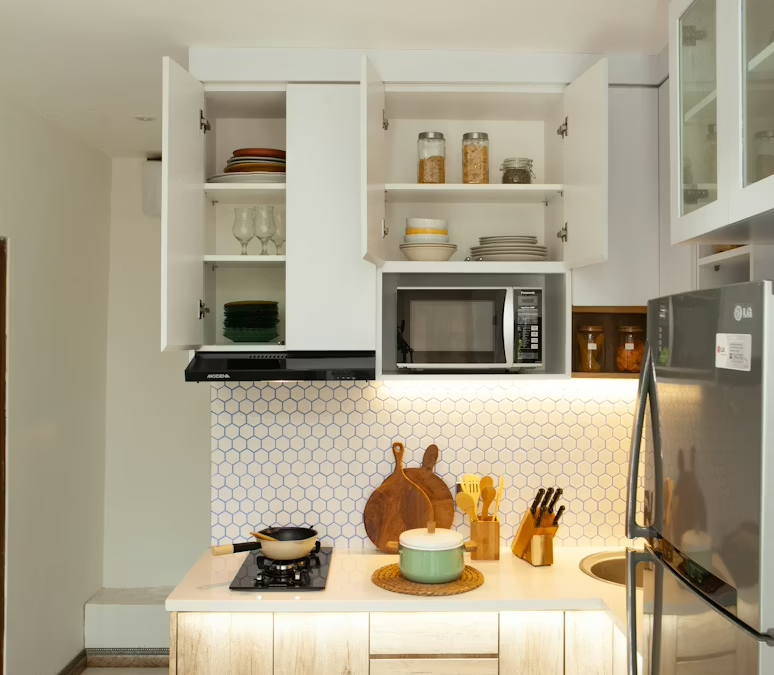
If you’ve got a small kitchen, you already know how quickly space feels limited. Countertops fill up, storage gets tight, and movement becomes restricted.
A well-designed compact kitchen can work just as efficiently as a larger one when every detail serves a purpose. At Ambiance Creations, we focus on small kitchen renovation ideas that improve flow, maximize function, and create a refined, intentional space.
Below, you’ll find practical strategies for layout planning, storage, materials, and appliances. Each idea helps you create a kitchen that feels open, organized, and tailored to how you live.
Start With the Right Layout
Your floor plan sets the tone for everything else. When you choose the right layout, you improve flow, increase usable counter space, and create a kitchen that feels larger than it is.
Choose a Floor Plan That Matches Your Space
Not every layout fits every kitchen, so selecting the right one matters. A galley kitchen keeps everything within reach, which makes it efficient for tight spaces. This layout supports quick movement and minimizes unnecessary steps during daily tasks.
If your kitchen connects to a living or dining area, an open-concept layout expands visual space. This approach creates a more expansive feel while improving interaction between rooms.
An L-shaped layout works well when you have a corner to utilize. It provides two walls of cabinetry while keeping the rest of the room open for seating or circulation. Keep the work triangle in mind by positioning the sink, stove, and refrigerator within a few steps of each other.
When to Use an Island, Peninsula, or Work Table
An island works only when you have enough clearance to maintain proper flow. In most small kitchens, a peninsula offers a better solution because it adds prep space and seating without overwhelming the room.
A rolling work table introduces flexibility into the layout. You can move it when needed for additional prep space and store it away to maintain openness.
Improve Circulation in Narrow and Open Rooms
Look for elements that interrupt movement and limit accessibility. Replacing swinging doors with pocket doors or removing them entirely can open pathways and improve flow.
Flat or recessed cabinet hardware prevents snagging in tight areas. In open layouts, define the kitchen using flooring or rugs instead of physical barriers to maintain a seamless transition.
Add Storage Without Making the Room Feel Crowded
Storage defines success in a small kitchen, but adding more cabinets is not always the answer. A thoughtful approach ensures everything has a place without making the space feel heavy or enclosed.
Use Vertical Space More Efficiently
Maximize wall space above counters with open shelving or ceiling-height cabinetry. This approach keeps essentials accessible while reducing visual bulk and maintaining openness. Use the highest shelves for items you rarely need, which frees up lower storage for everyday use. Wall-mounted racks or magnetic strips further increase efficiency by relocating frequently used tools.
Even narrow gaps can become functional storage areas for spices or small containers, helping you take advantage of every available inch.
Build Smarter Cabinet Storage
Interior cabinet design plays a critical role in organization and usability. Pull-out pantries, even in narrow spaces, significantly improve access and visibility.
Consider upgrades such as pull-out spice racks, Lazy Susans for corner cabinets, and drawer dividers for utensils. Stackable inserts also help double storage capacity without expanding the footprint.
These enhancements increase efficiency and keep everything within reach while maintaining a clean, organized appearance.
Hide Clutter in Dedicated Appliance Zones
Keeping countertops clear makes the kitchen feel larger and more refined. Appliance garages allow you to store small appliances while keeping them accessible and ready to use.
Built-in microwaves or concealed storage solutions free up valuable surface space. When you reduce visible clutter, the entire kitchen feels more open and intentional.
Pick Materials and Finishes That Visually Expand the Space
Materials influence how large your kitchen feels, making them a key part of any design strategy. Light tones, reflective surfaces, and consistent patterns help create a sense of openness.
Best Cabinet Colors for a Brighter Look
White cabinetry reflects light and expands visual space, making it a popular choice for smaller kitchens. Soft neutrals such as pale gray or light wood tones offer warmth while maintaining brightness.
High-gloss finishes enhance light reflection, while simple door styles reduce visual clutter. Matching cabinet and wall colors softens transitions and contributes to a seamless look.
Countertop Choices for Durability and Style
Quartz remains a top choice due to its durability and low maintenance. Light tones help brighten the space and maintain visual consistency throughout the kitchen.
Butcher block introduces warmth and texture, creating balance in modern designs. Using a single countertop material throughout the kitchen strengthens continuity and avoids visual fragmentation.
Backsplashes That Add Depth and Light
Reflective backsplashes, such as glass or polished tile, improve light distribution and add subtle depth. Extending the backsplash to the ceiling draws the eye upward, making the room feel taller.
Avoid overly busy or dark finishes, as they absorb light and can make the space feel more confined.
Choose Fixtures and Appliances That Work Harder
Every element in a small kitchen should serve a clear purpose. Prioritizing efficiency, scale, and integration ensures the space performs at a high level.
Prioritize Compact and Integrated Appliances
Smaller appliances often perform just as effectively while freeing up valuable space. Counter-depth refrigerators align with cabinetry, creating a streamlined appearance.
Multifunctional appliances reduce the number of items needed, which helps maintain openness. Careful measurement ensures that every appliance fits properly without disrupting flow.
Use Lighting to Make the Kitchen Feel Larger
Layered lighting enhances both function and atmosphere. Combining under-cabinet lighting, recessed fixtures, and pendant lighting creates a balanced and well-lit environment.
Keeping windows unobstructed allows natural light to enhance the space. Choosing fixtures with minimal visual weight ensures illumination without crowding the design.
Select Sink and Hardware Upgrades With Purpose
A single-bowl sink provides more usable space for washing larger items. Deep basins improve efficiency and reduce the need for additional drying areas.
Hardware should complement the scale of the cabinetry. Sleek finishes introduce personality while maintaining a clean and cohesive look.
Bring in Style Without Sacrificing Function
A small kitchen can still feel warm and expressive when you approach design with intention. Carefully selected details can enhance both aesthetics and usability.
Ways to Create Warmth in Modern Small Kitchens
Natural elements such as wood surfaces or woven textures soften modern finishes and add depth. Subtle greenery, like fresh herbs, introduces color while remaining practical.
How to Get a Farmhouse Look in a Compact Space
Farmhouse style works best when applied with restraint in smaller kitchens. A statement sink, open shelving, and a few curated accessories create character without overwhelming the space. Pair these elements with light cabinetry and warm surfaces to maintain balance and cohesion.
Decor Details That Double as Storage
Decor can serve both functional and visual purposes when chosen carefully. Glass jars organize pantry items while maintaining a clean look, and hanging rails provide accessible storage for utensils.
Trays help group cooking essentials, and wall-mounted boards keep notes and lists visible without using counter space. Leaving some surfaces open preserves a sense of clarity and openness.
Designed for How You Live Every Day
The most effective small kitchen renovation ideas go beyond aesthetics and focus on how the space supports your daily routine. When layout, storage, and materials work together, even a compact kitchen can feel open, efficient, and highly functional.
Thoughtful planning allows every inch to serve a purpose, from improving circulation to reducing visual clutter. The result is a kitchen that not only looks refined but also performs effortlessly under everyday use.
At Ambiance Creations, we create spaces that balance beauty with precision, ensuring each detail enhances both form and function. If you’re ready to elevate your kitchen into a space that truly works for you, get in touch to begin your next investment.
Frequently Asked Questions
What are the best layout options for small kitchen renovation ideas?
The best layouts depend on your space, but galley, L-shaped, and open-concept designs consistently perform well. Each option focuses on improving flow and keeping essential areas within easy reach.
A well-planned layout ensures that your sink, stove, and refrigerator support a smooth workflow. This approach reduces unnecessary movement and makes daily tasks more efficient.
How can I add more storage without making my kitchen feel crowded?
Focus on vertical storage, smart cabinet interiors, and multi-functional features. Ceiling-height cabinetry, pull-out shelves, and hidden compartments help maximize space without adding visual weight.
Keeping countertops clear and organizing items into dedicated zones also helps maintain a clean, open feel.
What materials work best in small kitchens?
Light-colored materials and reflective finishes help make a small kitchen feel larger. Quartz countertops, glossy cabinets, and glass or polished tile backsplashes improve brightness and visual openness.
Using consistent materials throughout the space also creates a seamless look that enhances the overall design.
Are compact appliances a good choice for small kitchens?
Compact and integrated appliances are ideal for small kitchens because they save space without sacrificing performance. Counter-depth refrigerators and multi-functional appliances help maintain a streamlined layout. Choosing the right size appliances ensures better circulation and prevents overcrowding.
How do I make a small kitchen feel bigger?
You can make a small kitchen feel larger by improving lighting, reducing clutter, and using cohesive materials. Layered lighting, open sightlines, and minimal visual interruptions all contribute to a more spacious feel.
Simple design choices, such as matching cabinet and wall colors, can also visually expand the space.
Can I still add style to a small kitchen without losing function?
Yes, style and function can work together when you choose elements carefully. Decorative features like open shelving, natural textures, and curated accessories can enhance the space without overwhelming it. The key is to select items that serve a purpose while contributing to the overall design.