
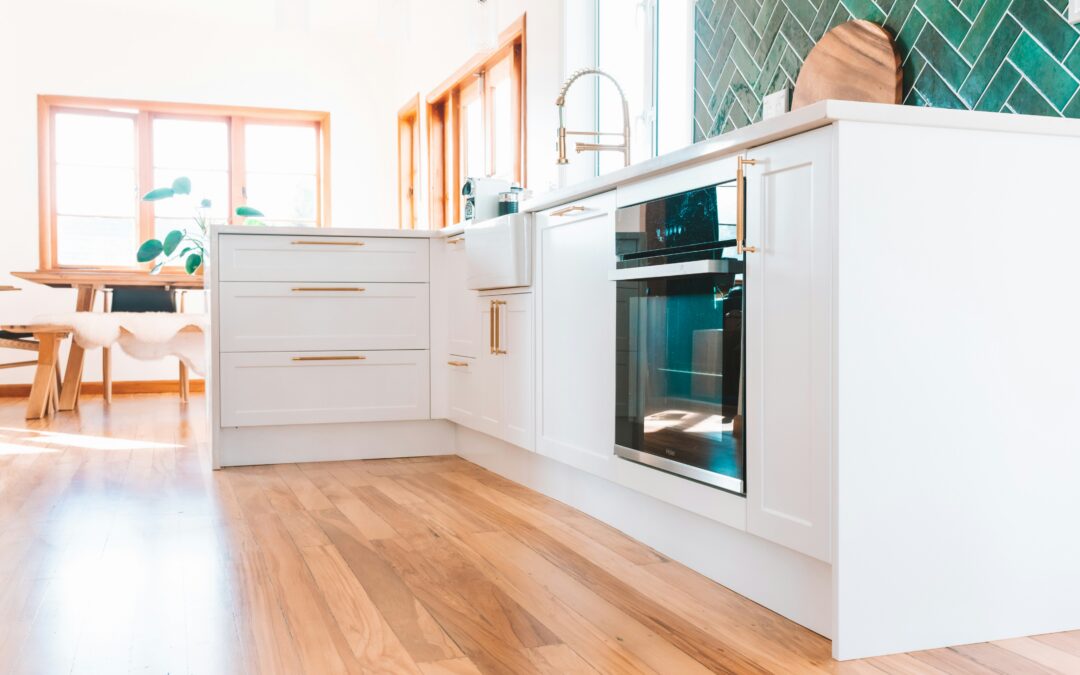
Custom kitchens often fall short when cabinets don’t fit the space or the way you use it. Awkward gaps, poor storage, and generic designs can make everyday cooking feel cluttered and inefficient.
At Ambiance Creations, homeowners choose custom kitchen cabinets to eliminate wasted space and gain storage that actually works. Every cabinet, drawer, and organizer is designed to match how you cook, store, and move through your kitchen.
This guide explains the key benefits, materials, design options, planning tips, installation process, and maintenance strategies that help custom kitchen cabinets deliver long-term function and lasting style.
Benefits of Custom Kitchen Cabinets
Custom kitchen cabinets offer exceptional design flexibility and help homeowners maximize every inch of space. They also contribute to a kitchen that feels intentional, cohesive, and highly functional.
Personalized Design Solutions
With custom kitchen cabinets, every detail is your choice, from door styles and finishes to hardware and interior organization. You can select the exact wood species, stain color, and storage features that match both your aesthetic and lifestyle.
Functionality is where customization truly shines. If you are tall, upper cabinets can be mounted slightly higher. If baking is a priority, deeper drawers can store rolling pins, mixers, and baking sheets. Your kitchen begins to reflect how you actually cook and live.
Customization also solves tricky architectural conditions. Sloped ceilings, awkward corners, or historic details no longer limit design possibilities. Custom kitchen cabinets can be built precisely to match your home’s structure and character.
Optimal Space Utilization
Another major advantage of custom kitchen cabinets is efficient use of space. Cabinets can extend from floor to ceiling, eliminating the gaps commonly found with stock cabinetry.
Interior accessories improve organization as well. Pull-out shelves bring items forward for easy access, while dividers keep trays, cutting boards, and lids neatly arranged.
Specialty features enhance functionality even further. Deep drawers work well for pots and pans, rotating trays make corner cabinets usable, and tall pantry cabinets with adjustable shelving adapt as storage needs change.
Enhanced Home Value
High-quality custom kitchen cabinets can significantly enhance a home’s resale appeal. Kitchens remain one of the most important areas buyers evaluate, and well-designed cabinetry signals craftsmanship and thoughtful investment.
A cohesive cabinetry design often creates a strong first impression during home showings. Compared with dated or basic cabinetry, custom work stands out immediately.
Return on investment varies, but kitchen improvements frequently rank among the most valuable upgrades. Custom kitchen cabinets are especially appealing in mid-range and high-end homes where buyers expect elevated finishes and smart storage.
Popular Styles and Materials
Custom kitchen cabinets offer nearly unlimited design possibilities. Whether your kitchen leans classic, modern, or transitional, material selection plays a major role in both aesthetics and durability.
Traditional and Modern Designs
Traditional cabinet styles highlight decorative details such as raised panel doors, crown molding, and elegant hardware. Warm woods like cherry, oak, or maple reinforce a timeless and welcoming atmosphere.
Modern custom kitchen cabinets take a minimalist approach. Slab doors, flat panels, and sleek finishes create a clean, uncluttered appearance that works well in contemporary homes.
Shaker cabinets bridge the gap between classic and modern design. Their recessed panel and simple lines make them versatile enough to complement nearly any kitchen style.
Wood Types and Finishes
Hardwoods remain the foundation of premium custom kitchen cabinets. Maple features a smooth grain that accepts stain evenly. Cherry gradually develops a rich, deep tone over time. Oak offers pronounced grain patterns that add texture and character.
Cabinet boxes are often constructed from durable plywood because it resists warping and provides structural stability. The visible cabinet faces and doors typically use hardwood for strength and appearance.
Finishes significantly influence the final look. Painted finishes provide unlimited color flexibility, while stains highlight the natural grain of the wood. Clear finishes preserve the natural beauty of the material with minimal alteration.
Eco-Friendly Cabinet Options
Sustainability is increasingly important in cabinetry design. Bamboo, a rapidly renewable material, offers strength and a distinctive grain pattern suited to modern kitchens.
Reclaimed wood is another compelling option for custom kitchen cabinets. Lumber from barns, factories, or historic structures can be repurposed into cabinetry with unique textures and natural patina.
Homeowners concerned about indoor air quality can select cabinets finished with low-VOC or water-based coatings. Materials certified by sustainable forestry organizations further support environmentally responsible building practices.
Planning Your Custom Kitchen Cabinets
A successful cabinetry project begins with thoughtful planning. Accurate measurements, cohesive design decisions, and realistic financial planning help ensure the final result meets expectations.
Measuring and Layout Considerations
Start by measuring the full kitchen layout, including wall lengths, ceiling height, and corner dimensions. Mark windows, doors, plumbing lines, and electrical outlets on the layout drawing.
Appliance placement is equally important. Refrigerators generally require about one inch of clearance on each side for airflow, while dishwashers typically need a 24-inch cabinet opening.
Common cabinet measurements include:
- Base cabinets: 24 inches deep, 34.5 inches tall
- Wall cabinets: 12 inches deep, 30–42 inches tall
- Standard countertop height: 36 inches
Maintain at least 18 inches of space between the countertop and wall cabinets for a comfortable workspace. Walkways should be about 42 inches wide, or 48 inches if multiple people cook together.
Sketching the kitchen layout on graph paper or using digital design tools helps visualize cabinet placement and ensures comfortable movement throughout the room.
Color Schemes and Hardware Selection
Cabinet color should coordinate with countertops, backsplash materials, and flooring. Neutral colors such as white or gray remain popular because they complement many materials and maintain long-term appeal.
Natural wood tones, including maple, walnut, and oak, introduce warmth and texture. Darker colors like navy or charcoal create strong visual contrast but may show fingerprints more easily.
Hardware choices influence the overall style. Matte black and brushed nickel often suit contemporary kitchens, while brass or bronze complements traditional designs.
Typical hardware placement includes:
- Pulls on the upper corner of the wall cabinet doors
- Pulls on the lower corner of the base cabinet doors
- Centered knobs for smaller doors and drawers
Ordering extra hardware pieces is a practical step in case replacements are needed during installation.
Investment Planning for the Project
The investment for custom kitchen cabinets generally ranges from $500 to $1,200 per linear foot, depending on materials, finishes, and complexity.
Additional costs may include:
- Installation labor: $50–$100 per hour
- Hardware: $3–$15 per piece
- Countertops: $40–$200 per square foot
- Removal of existing cabinets: $300–$500
It is wise to set aside 10–15 percent of the total project cost for unexpected repairs or adjustments uncovered during renovation.
Experienced DIY builders sometimes construct their own cabinets, which may reduce costs. However, building cabinetry requires specialized tools, woodworking expertise, and a significant time commitment.
The Custom Cabinet Installation Process
Installing custom kitchen cabinets generally involves three main phases: design, manufacturing, and professional installation.
Consultation and Design Phase
The process begins with a consultation with a cabinet designer or contractor. During this meeting, you discuss design preferences, storage needs, and overall project goals.
The designer measures the kitchen carefully to ensure accurate planning. You will also review samples of door styles, wood species, and finish options.
Once selections are finalized, detailed cabinet drawings are created. These plans outline dimensions, layouts, and materials so the final product aligns with your vision. This phase typically takes one to three weeks.
Manufacturing and Preparation
After design approval, skilled craftsmen begin building the cabinets. The manufacturing stage usually requires six to twelve weeks, depending on the project complexity.
Cabinet components are cut, assembled, sanded, and finished in a controlled workshop environment. Doors, drawers, and hardware are fitted, and every cabinet is inspected for quality before delivery.
During this period, homeowners often prepare the kitchen by removing old cabinetry and completing electrical or plumbing adjustments.
Professional Installation Tips
Installation begins with upper cabinets, followed by base cabinets. Professional installers carefully level each cabinet to ensure doors and drawers operate smoothly.
Cabinets are secured to wall studs for structural support. Shims are used to correct minor wall irregularities and maintain precise alignment.
Final details such as crown molding, toe kicks, and filler panels complete the installation and create a seamless appearance. Most installations take two to five days, depending on the size and complexity of the kitchen.
Care and Maintenance for Long-Lasting Cabinets
With proper care, custom kitchen cabinets can last decades. Many high-quality cabinets remain functional and beautiful for 20 to 50 years or longer.
Cleaning and Protection Guidelines
Regular cleaning preserves both appearance and durability. Wipe cabinet surfaces weekly using a soft cloth and warm water. For stubborn residue, add a small amount of mild dish soap.
Always dry cabinets immediately to prevent moisture damage. Avoid harsh chemicals, bleach, or abrasive scrubbers, which can dull or scratch the finish.
Helpful daily habits include:
- Wiping spills immediately
- Using coasters for wet containers
- Minimizing prolonged direct sunlight exposure
- Running the exhaust fan during cooking
- Avoiding wet towels hanging on cabinet doors
Periodic polishing with a finish-appropriate product helps maintain the cabinet’s protective coating.
Repairing Minor Damages
Minor scratches can often be repaired with wood touch-up markers that match the cabinet finish. Apply the marker carefully and wipe away any excess.
Deeper scratches may require wood filler sticks or putty matched to the cabinet color. After filling the area, smooth the surface for a clean repair.
Loose hinges can usually be tightened with a screwdriver. If screw holes are stripped, filling them with wood glue and toothpicks before reinstalling the screws can restore a secure hold.
Drawer slides that feel worn should be replaced promptly to prevent further wear on the cabinet structure. Checking door alignment every few months and making small hinge adjustments helps maintain smooth operation.
Create a Kitchen That Works for You
Poor storage, wasted space, and cabinets that don’t match your routine can make even a beautiful kitchen frustrating to use. Custom kitchen cabinets solve these problems by giving you storage designed specifically for your space, your layout, and how you cook every day.
When cabinets are built to fit your kitchen perfectly, every inch works harder. From smart organizers to floor-to-ceiling designs, the right cabinetry eliminates clutter and creates a kitchen that feels organized, efficient, and comfortable to use.
At Ambiance Creations, thoughtfully designed custom kitchen cabinets help homeowners transform inefficient kitchens into highly functional spaces built for real life. Get in touch to start planning cabinetry that truly fits your home.
Frequently Asked Questions
What are custom kitchen cabinets?
Custom kitchen cabinets are cabinets designed and built specifically for your kitchen layout. Unlike stock or semi-custom options, they are made to precise measurements and can include personalized materials, finishes, storage solutions, and hardware selections.
This level of customization allows homeowners to create cabinetry that fits both the space and the way they cook, store items, and move through the kitchen.
Are custom kitchen cabinets worth the investment?
Many homeowners consider custom kitchen cabinets a valuable long-term investment because they maximize storage, improve functionality, and enhance the overall appearance of the kitchen.
High-quality cabinetry also tends to last longer than standard options, which can contribute to improved home value and stronger buyer appeal if the property is ever sold.
How long does it take to build custom kitchen cabinets?
The timeline for custom kitchen cabinets typically ranges from six to twelve weeks after the design is finalized. This timeframe allows cabinet makers to cut materials, assemble components, apply finishes, and complete quality checks.
The installation process usually takes two to five days, depending on the size of the kitchen and the complexity of the cabinetry design.
What materials are commonly used for custom kitchen cabinets?
Most custom kitchen cabinets use hardwoods such as maple, cherry, or oak for doors and visible cabinet surfaces. Cabinet boxes are often built with high-quality plywood because it offers durability and resistance to warping.
Finishes may include paint, stain, or clear protective coatings, each offering different visual results and maintenance requirements.
Can custom kitchen cabinets fit unusual kitchen layouts?
Yes, custom kitchen cabinets are especially useful in kitchens with unique layouts. Sloped ceilings, tight corners, and irregular wall dimensions can all be addressed with cabinets built to exact measurements.
This flexibility allows homeowners to eliminate wasted space and achieve a seamless look throughout the kitchen.
How do you maintain custom kitchen cabinets?
Maintaining custom kitchen cabinets typically involves regular cleaning with a soft cloth and mild soap solution. Avoid harsh chemicals or abrasive cleaning tools that could damage the finish.
Periodic hardware checks, quick repairs for scratches, and proper ventilation during cooking can help cabinets maintain their appearance and function for decades.