
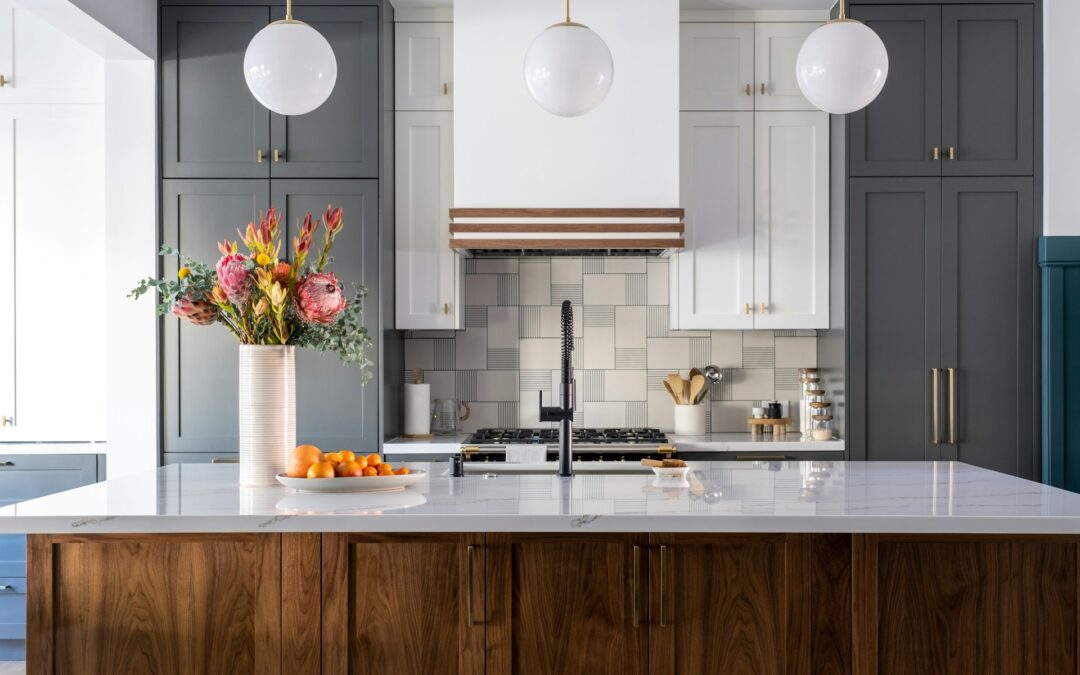
Planning a kitchen renovation often starts with one frustrating question: how much is it to remodel a kitchen without overspending or cutting corners? Costs can vary widely, and unclear pricing makes early decisions stressful.
Most homeowners struggle to balance expectations, material choices, and long-term value. Without a clear breakdown, it’s easy to feel stuck before planning even begins.
This guide from Ambiance Creations simplifies the numbers, explains what truly drives cost, and helps you plan a smart investment with fewer surprises ahead.
Average Kitchen Remodel Costs
Most kitchen remodels land between $15,000 and $50,000, though your final price depends on kitchen size and the extent of your plans. Expect to spend about $150 to $250 per square foot for a full renovation.
National Price Ranges
A minor kitchen remodel usually costs between $10,000 and $20,000. This level of work might mean painting cabinets, swapping out countertops, or updating appliances without changing the overall layout.
Mid-range renovations typically run from $20,000 to $65,000. Here, you might replace cabinets, put in new flooring, and upgrade several features at once.
Major remodels start at $65,000 and can easily exceed $130,000. Think full transformation with high-end materials, custom cabinets, and possibly moving plumbing or electrical systems.
The national average across all project types sits around $27,000, which helps many homeowners baseline how much it costs to remodel a kitchen in practical terms.
Typical Cost Breakdown
Cabinets usually take the biggest share of costs at about 30–40% of total spend. Labor expenses account for roughly 25%, so you might plan about $2,500 in labor for every $10,000 you spend.
Appliances typically use up 15–20%. Countertops often run 10–15%, and flooring uses about 7%. The rest goes to lighting, plumbing fixtures, hardware, and finishing touches.
These smaller line items add up, so it helps to track them early instead of treating them as afterthoughts.
Factors That Impact Overall Costs
Your kitchen’s square footage directly affects total cost. Larger kitchens need more materials and labor hours, which drives up expenses.
The quality of materials matters a lot. Stock cabinets cost far less than custom-built options, and laminate countertops are more affordable than granite or quartz.
Your location matters, too. Labor and material costs can vary widely from one region or city to another. Whether you keep your existing layout or move plumbing and electrical systems also has a major impact on your final bill.
Key Elements Influencing Kitchen Remodel Pricing
Three main factors drive your kitchen remodel costs: size, scope, and materials. Your kitchen’s size sets the baseline, the scope determines how extensive the work will be, and material choices can swing costs dramatically.
Size of the Kitchen
Square footage directly impacts how much you’ll spend on materials and labor. A smaller kitchen, say 70 square feet, costs less to remodel than a 200-square-foot space because you need fewer cabinets, less countertop, and less flooring.
Labor costs also rise as size increases. Contractors spend more time installing cabinets across a larger wall, and electricians may run more wiring for additional outlets and light fixtures.
Typical size categories:
- Small (70–100 sq ft): Apartment or condo kitchens
- Medium (100–150 sq ft): Standard single-family home kitchens
- Large (150–200+ sq ft): Open-concept or luxury home kitchens
Each size jump can add thousands, even when the materials stay the same.
Scope of Renovation
The extent of your project makes a major difference in overall costs. A cosmetic update, like painting cabinets and swapping hardware, costs far less than a full tear-out down to the studs.
Minor remodels might include new cabinet doors, updated lighting, and fresh paint. These surface changes keep existing layouts intact. Mid-range remodels typically replace cabinets, countertops, and appliances, but stay within the same kitchen footprint.
Major renovations involve moving plumbing and electrical, removing walls, or expanding the space. You’ll likely need permits, structural work, and multiple contractors. These projects can cost three or four times more than cosmetic updates.
Material Selection
Your choice of materials heavily influences your total investment. Stock cabinets from big-box stores cost a fraction of custom cabinetry built to your exact specs.
Countertop materials vary widely. Laminate might be $10–$40 per square foot, granite $40–$100, and premium quartzite up to $100–$200 per square foot.
Flooring has the same range. Vinyl costs less than hardwood or tile, and installation complexity can change labor costs, too.
Appliances also vary. Basic models handle everyday cooking at reasonable prices, while premium finishes and smart features can cost several times more.
You don’t always need top-tier materials to get a kitchen that looks great and works well for daily life. The goal is to choose finishes that match how you cook, clean, and live, while staying clear on how much it costs to remodel your kitchen based on your priorities.
Cost Comparison by Remodel Type
Kitchen remodels typically fall into three pricing categories based on the work involved and materials used. Your total cost depends on whether you’re making surface-level changes, updating most components, or doing a complete transformation.
Cosmetic Updates
A cosmetic update focuses on surface changes without replacing major components or moving plumbing and electrical work. You’ll usually spend between $10,000 and $20,000 for this type of project.
This range often covers painting cabinets instead of replacing them, installing new hardware, and adding a fresh backsplash. You might also upgrade lighting fixtures, replace your faucet, or install new flooring over what’s already there.
Common cosmetic improvements include:
- Cabinet refacing or painting
- New cabinet hardware and hinges
- Peel-and-stick or traditional backsplash
- Updated light fixtures
- Fresh wall paint
- New sink faucet
These changes refresh the look without the expense of a full renovation, and many cosmetic projects finish in a week or two with minimal disruption.
Mid-Range Remodels
Mid-range remodels cost between $20,000 and $65,000 and involve replacing most kitchen elements while keeping the existing layout. You’ll typically get new cabinets, countertops, appliances, and flooring without moving walls or major plumbing.
Your spending often goes toward stock or semi-custom cabinets, laminate or lower-end granite countertops, and mid-grade stainless steel appliances. Flooring might be vinyl plank or ceramic tile, and under-cabinet lighting is a common upgrade.
This type of remodel usually takes four to six weeks. You get stronger materials than a cosmetic update while avoiding major structural costs. joshbigoshfree nude leaks
High-End Renovations
High-end renovations start at $65,000 and can exceed $130,000 for extensive projects. These often mean gutting the entire space and may include layout changes, structural modifications, and premium materials.
You might choose custom cabinets built to your specs, stone countertops like marble or quartz, and professional-grade appliances. If you’re moving walls, adding an island, relocating plumbing and gas lines, or adding specialty features, costs climb quickly.
Premium features often include:
- Custom cabinetry with specialty finishes
- High-end stone countertops
- Professional-grade appliances
- Custom tile work or hardwood flooring
- Smart home tech integration
- Designer lighting packages
These projects take eight to twelve weeks or more, depending on complexity. You’ll likely work with designers and need permits for structural changes.
Planning Your Investment and Managing Expenses
A kitchen remodel needs careful financial planning if you want to avoid overspending. Knowing how to set a realistic investment range, plan for surprises, and spot ways to save helps you get the kitchen you want without extra stress.
Setting a Realistic Investment Range
Start by figuring out what you can comfortably invest. Many experts suggest spending between 5% and 15% of your home’s value on a kitchen renovation.
For a standard 12 × 12 kitchen, you should expect to plan around $27,000 for a mid-range remodel, though final costs depend on scope and materials. Break down your investment plan into categories so tracking stays simple:
- Cabinetry and hardware: 29% ($7,800)
- Labor and installation: 20–25% ($5,400–$6,750)
- Appliances: 15% ($4,050)
- Countertops: 10% ($2,700)
- Flooring: 7% ($1,890)
- Lighting and fixtures: 5% ($1,350)
- Other materials: 14–19% ($3,780–$5,130)
Set aside 10–20% as a contingency fund for surprises. It’s often the difference between staying on track and making rushed decisions.
Hidden and Unexpected Costs
Many homeowners underestimate the true cost of a kitchen remodel. Permit fees can range from $500 to $2,000 depending on your area and project size.
Structural problems can appear once demolition starts. You might find outdated wiring, plumbing issues, or water damage that needs immediate attention, and these repairs can add thousands.
Moving appliances, dumpster rentals, and temporary kitchen setups also add up. If you end up eating out more during the remodel, factor those meal costs in as well.
Delivery fees and possible storage costs for materials can also show up late in the process, so it helps to account for them early.
Ways to Save Money
You can cut costs by keeping your existing kitchen layout instead of moving plumbing and electrical. Moving sinks, stoves, or adding outlets gets expensive quickly. Refinish or reface your current cabinets rather than replacing them. That can save 30–50% compared to buying new.
Shop for materials during off-season sales or look for floor models and discontinued items at appliance stores. It’s sometimes possible to find meaningful discounts on quality products.
Do some tasks yourself if you have the skills and time. Painting, removing cabinets, or installing a backsplash may be manageable for handy homeowners.
Leave electrical, plumbing, gas lines, and structural changes to licensed professionals. The risk is too high, and mistakes can cost more than hiring help upfront.
Always compare at least three contractor quotes before choosing. The lowest bid isn’t always the best, but multiple estimates help you spot fair pricing and scope gaps.
Professional Services and Labor Costs
Labor typically takes up 25% to 35% of your kitchen remodel costs. You’ll need to decide whether to hire a general contractor or manage multiple specialists yourself, and whether to handle any work on your own.
General Contractors vs. Specialized Professionals
A general contractor manages your entire project and coordinates different trades. They usually charge 10% to 20% of your total project cost as their fee.
On a $30,000 kitchen remodel, that’s $3,000 to $6,000 for project management and coordination.
A general contractor typically handles:
- Scheduling all workers
- Obtaining permits
- Managing subcontractors
- Ensuring code compliance
- Solving issues as they arise
You can also hire specialized professionals directly, such as electricians, plumbers, cabinet installers, and tile setters. Each charges their own rate, typically $50 to $150 per hour, depending on the trade and your location.
Direct-hiring can reduce markup, but you become the project manager. You’ll juggle schedules, handle conflicts, and make sure work happens in the right order.
DIY vs. Hiring Pros
Some kitchen tasks are doable for a handy homeowner, while others require licensed expertise.
Painting walls, swapping cabinet hardware, and replacing some light fixtures are common DIY wins, and they can reduce labor costs.
Always hire professionals for:
- Electrical work (safety and code requirements)
- Plumbing (risk of leaks and water damage)
- Gas line work (serious safety hazard)
- Structural changes (building codes)
A hybrid approach works well for many projects. You handle demolition and painting, and licensed pros manage technical work. This can reduce labor spend by 15% to 30%. Know your limits before diving in, because correcting DIY mistakes can be costly.
Make Confident Decisions Before You Remodel
Unclear pricing is one of the biggest reasons kitchen remodels feel stressful. When you understand where costs come from, it’s easier to plan wisely and avoid surprises that derail your investment.
Knowing how much it costs to remodel a kitchen starts with clarity on scope, materials, and labor, not guesswork. A realistic plan helps align expectations with results you’ll enjoy long term.
For guidance that turns uncertainty into confidence, Ambiance Creations is ready to help. Get in touch to start planning with clarity and purpose.
Frequently Asked Questions
How much typically does a 10×10 kitchen remodel cost?
A 10×10 kitchen remodel usually lands in the $12,000 to $35,000 range. This size is often used for baseline estimates. If you’re updating paint, hardware, or other light upgrades, you’ll be near the lower end. A full renovation with new cabinets, countertops, appliances, and floors pushes the cost higher.
What is the average cost for a 12×12 kitchen renovation?
For a 12×12 kitchen, expect to spend between $14,600 and $41,500. The middle ground is around $27,000. The extra space over a 10×10 means more cabinets, countertops, and flooring, which increases both material and labor costs.
Could you share the average per square foot cost of a kitchen remodel?
Full kitchen remodels tend to run $150 to $250 per square foot. This range typically covers most project components, excluding major structural changes. For smaller refreshes, you may see $75 to $100 per square foot. For luxury finishes, costs can exceed $250 per square foot.
What is the estimated cost to update kitchen cabinets during a remodel?
Cabinets are a major cost driver. Refacing old cabinets costs about $4,000 to $10,000. If you’re replacing them, plan on $8,000 to $20,000 or more. Custom cabinets can be significantly higher depending on design and materials.
What’s the rough cost of a 10×20 kitchen renovation project?
A 10×20 kitchen is 200 square feet, so you’re looking at $30,000 to $50,000 for a full remodel in many markets. A larger space means more cabinets, counters, flooring, and labor. If you choose premium materials and design features, costs can rise beyond $70,000.
Can you tell me how much I can expect to pay for labor when remodeling a kitchen?
Labor usually takes up about 20% to 35% of your total kitchen remodel cost. So, if your project costs $30,000, you might pay between $6,000 and $10,500 for labor. If your remodel includes moving utilities or complex changes, labor costs tend to land at the higher end.