
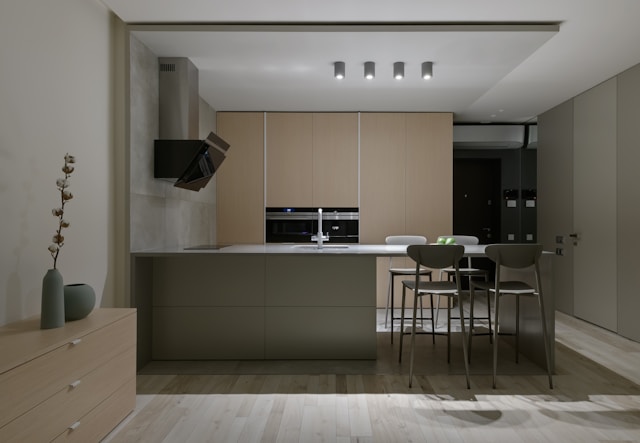
Do you ever wish your small kitchen could feel more open, organized, and inviting? With the right setup, it absolutely can. A small kitchen cabinet with a countertop adds both storage and style, making even compact spaces feel thoughtfully designed.
Think of it as the heart of your kitchen, a space that keeps everything within reach while giving you room to prep, cook, or simply enjoy your morning coffee. When designed well, it brings warmth, balance, and everyday convenience to your home.
At Ambiance Creations, we create kitchen spaces that blend functionality with beauty. Our small kitchen cabinets are made using quality materials and coastal-ready finishes that stand up to Southwest Florida’s humidity while maintaining timeless charm. Each design is crafted to fit your lifestyle perfectly.
In this blog, we will cover:
- How to choose the perfect small kitchen cabinet and countertop for your space
- Functional design ideas that maximize storage and comfort
- Expert tips on styling, maintenance, and smart investments for long-term value
Let’s start by exploring how to choose the right small kitchen cabinet with a countertop that transforms tight spaces into beautifully functional rooms.
Choosing the Right Small Kitchen Cabinet With Countertop
Finding the perfect balance of size, storage, and surface in a small kitchen takes care and planning. You want cabinets that fit your space and meet your daily needs, paired with countertops that are both durable and stylish without crowding your area. Several key choices shape how well your kitchen works for you.
Measuring Your Space
Start by obtaining the exact dimensions of your kitchen area. Measure the wall lengths, ceiling heights, and available floor space. Remember to include space for doors, windows, and appliances. For usability, allow at least 20-24 inches of countertop depth.
Use a tape measure or ask for a complimentary measurement from professionals like Ambiance Creations to avoid errors. A precise plan prevents ordering cabinets that are too big or too small. Keep walkways clear, aiming for at least 36 inches of aisle space whenever possible. This helps maintain smooth traffic flow.
If your kitchen is tight, focus on vertical space to add storage without crowding counters.
Assessing Storage Needs
Think about how much storage you genuinely require. Do you need high cabinets for rarely used items or pull-out drawers for pots and pans?
Organize based on your cooking habits to maximize function. Smart storage solutions like corner carousel units or vertical racks make a big difference in smaller kitchens. Open shelving can create an airy feeling while keeping frequently used items within easy reach. Make a list of what you use most, then work with your designer to customize cabinet layouts.
Our team often integrates hidden organizers and specialty compartments to keep your kitchen tidy without wasting space.
Selecting Countertop Materials
Countertops in small kitchens need to balance style, maintenance, and durability.
- Quartz and engineered stones are popular because they resist stains and scratches, which is key in active kitchens.
- Light-colored surfaces help your kitchen feel larger by reflecting natural light. If you prefer contrast, pair darker countertops with lighter cabinetry, which still opens up the room visually.
- Consider materials that handle Southwest Florida’s humidity and sun without fading or warping.
- Your countertop should be easy to clean and strong enough for all your food prep tasks.
Types of Small Kitchen Cabinets With Countertops
Choosing the right cabinets and countertops shapes how your small kitchen feels and works. You want pieces that save space but offer storage, style, and durability. Here’s a look at common types that fit well in smaller kitchens and what makes them practical.
Freestanding Units
Freestanding cabinets are movable pieces that don’t attach permanently to walls. They work well if you need flexibility or extra storage without a full remodel. These units often include flat countertops for prep and can have shelves or drawers underneath. Because they aren’t fixed, you can rearrange or take them if you move.
Many freestanding cabinets come in compact sizes designed to fit against walls or narrow spaces, perfect for maximizing a small kitchen’s layout. You can choose different materials and finishes to match your decor and keep everything cohesive.
Wall-Mounted Cabinets
Wall-mounted cabinets are installed above counters or appliances to free up floor space. They are excellent in small kitchens because they add storage without taking up space away from walking or work areas.
Since they sit high, you can store items you don’t use daily but still want easy access. For a lighter, airier feel, you might see styles with glass-front doors or open shelving. Pairing these with a matching countertop underneath creates a clean, connected look while keeping durable surfaces at convenient heights.
Corner Cabinets
Corner cabinets make use of spaces that are often wasted.
Corners in small kitchens can become dead zones if not planned properly. These cabinets are designed with special shelves, like lazy Susans or pullouts, so you can easily reach utensils, pots, or pantry goods. They help increase storage without crowding your kitchen.
You get a seamless look and functional workspace when paired with a custom countertop that fits the corner shape. This smart use of corners can turn awkward spaces into bright spots in your kitchen design, especially in Southwest Florida homes where every inch matters.
Design Ideas for Small Kitchen Cabinets With Countertops
When working with a small kitchen, your cabinet and countertop choices shape how the space feels and works for you. Focus on designs that balance style with smart storage and easy maintenance. Using quality materials that match Southwest Florida’s humidity will keep your kitchen looking fresh for years.
Modern Minimalist Styles
A modern minimalist approach uses clean lines, simple colors, and sleek hardware for a fresh look. Choose flat-panel cabinets in light shades like white or soft gray to make your kitchen feel airier.
Pair them with quartz or solid-surface countertops in neutral tones to keep surfaces bright and easy to clean. Open or glass-front cabinets add lightness and showcase your favorite pieces without cluttering the space.
Floating shelves or ceiling-high cabinets maximize vertical storage. Simple, streamlined handles or push-to-open doors limit distractions and create a calm environment.
Traditional Looks
Traditional small kitchens spotlight warm wood cabinets with classic details like raised panels or beadboard. Opt for finishes like maple, cherry, or painted wood in cream or light brown to add warmth without feeling heavy.
Granite or natural stone countertops complement wood tones well and bring a natural texture. Traditional designs often use crown molding or decorative trim to add a refined touch. Think of small touches like classic brass or bronze hardware, which can bring personality without overwhelming the room.
Multi-Functional Designs
Multi-functional cabinets and countertops save space by combining storage, prep, and dining zones. Consider narrow kitchen islands that double as breakfast bars or prep stations to add functional surfaces without crowding.
Pull-out shelves, tiered utility carts, and hidden spice racks organize your items smartly. Wall-mounted breakfast bars or folding counters give you extra space on demand. These choices help your kitchen work harder for you, especially in tight Southwest Florida homes where every inch counts.
Organizational tips for small spaces
Keeping your small kitchen cabinet and countertop area tidy takes tricks that save space and improve function. Focus on smart storage that works with your kitchen’s height, inside your cabinets, and within your drawers to make everyday use easier and more enjoyable.
Maximizing vertical storage
Vertical space is often overlooked but offers enormous potential in small kitchens.
- Use tall shelves or add extra shelving inside your cabinets to double your storage without crowding counters.
- Wall-mounted racks for spices, utensils, or pots clear countertop clutter.
- Magnetic strips can hold knives or metal tools neatly on the wall.
- You can also hang pots or mugs from hooks under shelves or cabinets, freeing up cabinet space for dishes and food. This draws your eye up and creates a feeling of openness.
- Adding a small open shelf above your countertop keeps everyday items like oils or flour accessible but off the work surface.
Utilizing cabinet accessories
Inside your cabinets, accessories like pull-out trays, lazy Susans, and adjustable shelves make a real difference. These let you use every inch more efficiently and avoid the frustration of digging through cluttered shelves.
Pull-out shelves provide easy reach to items in the back, while lazy Susans rotate so nothing gets lost in corners. Adjustable shelving lets you tailor space for tall bottles or stacked plates. Door-mounted racks also add extra storage for lids, cutting boards, or cleaning supplies.
Choosing quality cabinet accessories means your small kitchen won’t feel cramped or disorganized.
Smart drawer solutions
Drawers can be powerful organizers when designed well.
- Use dividers to separate utensils and gadgets so everything stays in place.
- Deep drawers work well for pots, pans, and bakeware, keeping bulky items out of sight but easy to access. You can install inserts specifically for knives, silverware, or spices to keep small items tidy.
- Consider adding soft-close mechanisms to protect your cabinets and add a refined feel.
- Drawer systems that stack vertically inside tall cabinets also maximize storage.
Smart drawer planning ensures your countertop remains clear and your most-used items are always within easy reach.
Installation Tips for Small Kitchen Cabinets
Installing cabinets in a small kitchen requires careful planning to make the most of limited space. You’ll want to prepare your area well and decide if you can handle the work yourself or if hiring a pro is better. Knowing the right steps helps avoid mistakes and keeps the project running smoothly.
Pre-Installation Preparation
A smooth cabinet installation starts with proper prep. Taking a little extra time before you begin ensures your new setup fits perfectly and lasts for years. Here’s how to get ready:
- Clear the kitchen area: Remove old cabinets, appliances, and any clutter so you have an open workspace. This prevents accidental damage during installation.
- Check wall alignment: Use a level to see if your walls are plumb and even. Small kitchens often have uneven walls, so use shims where needed to keep cabinets straight.
- Plan your layout carefully: Measure for appliances, countertops, and walking space to make sure everything fits smoothly together.
- Mark your wall studs: Identify solid anchoring points for your cabinets to ensure stability. Keep an eye on electrical outlets and plumbing lines that might interfere with placement.
- Gather your tools: Have essentials ready—drill, level, stud finder, wood shims, tape measure, and screws. Being organized saves time later.
- Protect your surfaces: Use a drop cloth or cardboard to shield your floors and countertops from scratches and dust.
Proper preparation may feel simple, but it’s the foundation of a professional-looking, long-lasting installation.
DIY Installation vs. Hiring a Professional
If you have basic carpentry skills and tools, installing small kitchen cabinets yourself can save money. DIY lets you control timing and ensures you know every detail of your space. However, handling heavy cabinets and precise leveling can be challenging in tight areas. Hiring a professional brings experience and efficiency.
Professionals ensure cabinets fit perfectly with minimal gaps, especially important in small kitchens where every inch counts. Firms like Ambiance Creations specialize in fine craftsmanship and use a client-first, clean jobsite approach, reducing stress and unexpected delays.
Consider your comfort with tools, time availability, and the complexity of your kitchen layout. A professional installation often adds long-term value to your investment and provides durability and a polished look in Southwest Florida’s coastal climate.
Maintaining Your Small Kitchen Cabinet and Countertop
Keeping your small kitchen cabinets and countertops in top shape means regular cleaning and taking steps to protect surfaces from damage. Paying attention to these details helps your kitchen look fresh and function well for years.
Cleaning Techniques
Clean your cabinets often to avoid a buildup of dirt and grease.
- Wipe them daily with a soft cloth and warm, soapy water.
- Avoid harsh chemicals, which can harm finishes and colors. Instead, try gentle cleaners designed for wood or laminate surfaces.
- Mix equal parts water and white vinegar for tough stains, then test in a hidden spot before cleaning the entire area.
- Dry cabinets thoroughly after cleaning to prevent moisture damage.
- Remember to wipe handles and edges where grime collects quickly.
- Wipe down your countertops after each use to keep them clear of crumbs and spills. This stops stains and sticky patches that are harder to clean later.
- Using a microfiber cloth helps pick up dust and residue without scratching surfaces.
Protecting Countertop Surfaces
Prevent damage by using cutting boards instead of cutting directly on your countertop. Hot pans should never go straight on the surface; always place a trivet or heat pad underneath to avoid burns and discoloration.
Avoid placing wet containers or canned goods directly on the countertop to stop rings and moisture damage. Sealing stone countertops yearly keeps them resistant to stains and water. Small kitchens especially benefit from smart organization that limits clutter and reduces the risk of accidents.
Styling and Decorating Small Kitchen Cabinets With Countertops
When styling small kitchen cabinets with countertops, focus on color, finish, and decorative touches that enhance beauty and function. Thoughtful choices can open your space and show off your personality without crowding the room.
Color and Finish Choices
Choose light, neutral colors for cabinets to keep your kitchen airy and open.
- Whites, soft grays, or pale blues are popular because they reflect more light and make small spaces seem larger.
- Matte finishes reduce glare and help hide fingerprints. Semi-gloss adds a subtle shine that brightens the room.
- Pair your cabinets with countertops in complementary tones. For example, a light quartz countertop works well with white cabinets.
- Avoid busy patterns; instead, look for subtle veining or texture. This keeps the look clean and timeless.
At Ambiance Creations, we recommend materials that withstand Southwest Florida’s humidity, such as engineered stone or durable laminates.
Adding Decorative Touches
Small kitchens benefit from simple decorative details that add charm without clutter.
- Consider brushed brass or matte black hardware to create a warm, modern look against your cabinets.
- Open shelving or glass-front cabinets allow you to display curated dishware or artisan pieces. This adds personality while keeping things light.
- Avoid overcrowding by choosing just a few meaningful items. You can also layer texture with runner mats, wood cutting boards, or small plants on the countertop.
These touches bring life into the space while keeping it functional and fresh.
Budgeting and Shopping for Small Kitchen Cabinets With Countertops
Planning your investment in small kitchen cabinets with countertops means balancing quality, style, and cost. Knowing where to look and how much to allocate helps you make smart choices that fit your space and lifestyle.
Setting a Realistic Budget
Small kitchen cabinets with countertops generally cost between $2,000 and $10,000. Your total depends on cabinet material, finish, and countertop type.
Wood cabinets and stone or quartz countertops cost more, while laminate or ready-to-assemble pieces are less expensive. Installation fees and hardware add to your expenses, so include those in your estimates.
Thinking about your daily needs will help you prioritize where to invest more, such as in durable surfaces or smart storage. Planning early to pick appliances first can influence the layout and avoid costly changes later.
We focus on creating functional, elegant kitchens that last, with selections tailored to your home’s style and climate.
Where to Buy Quality Cabinets
Start with local showrooms or design services that understand Southwest Florida living. Shopping locally offers the chance to see materials and craftsmanship firsthand.
You can explore custom, semi-custom, or stock cabinets to fit your space and quality needs. Online options might be more budget-friendly but can lack the personal touch and fitting support. Choose a provider who handles more than just cabinets and offers surfaces, sinks, and hardware. This ensures a seamless kitchen vision from concept to installation.
Look for seasoned professionals like Ambiance Creations, who communicate clearly and manage timing well. Our guidance can save you time and give you peace of mind throughout your kitchen transformation.
The Bottom Line
Designing a small kitchen that feels stylish and functional is all about thoughtful choices. The right cabinet and countertop can completely change how your space looks and works — turning everyday routines into something effortless. With durable materials, smart layouts, and elegant finishes, even a compact kitchen can feel open and inviting.
At Ambiance Creations, we combine quality craftsmanship with a client-first approach to bring your kitchen vision to life. From concept to installation, every detail is handled with care so your home feels as beautiful as it is functional.
Get in touch today and let’s design a kitchen that truly welcomes you home.
Frequently Asked Questions
Even a small kitchen renovation can bring up plenty of questions. From saving space to finding the right materials, here are some quick, practical answers to help you plan confidently and make the most of your new setup.
How can I make a small kitchen feel more open without removing cabinets?
Opt for glass-front doors or open shelving to reduce visual heaviness. Using light-colored paint and under-cabinet lighting also brightens the space, creating an airy, spacious feel without sacrificing storage.
What’s the best countertop color for a compact kitchen?
Lighter shades like cream, white, or pale gray reflect light and make the space feel larger. You can add subtle contrast with warm wood tones or brushed metal accents for balance and depth.
How do I maximize storage in a small kitchen without clutter?
Use multi-functional cabinets with pull-out trays, corner carousels, and vertical dividers. Add hooks or magnetic strips under cabinets to store mugs or utensils neatly while keeping counters clear for prep work.
Can I mix different cabinet finishes in a small kitchen?
Yes! Mixing finishes adds dimension and character. For example, pair white upper cabinets with natural wood lowers. The key is to keep tones cohesive so the space still feels connected, not crowded.
What’s the easiest way to keep small kitchen cabinets looking new?
Wipe them weekly with a damp microfiber cloth to remove grease and dust. Avoid harsh cleaners, and always dry surfaces afterward. Adding handles or pulls can also prevent oils from damaging cabinet fronts over time.