
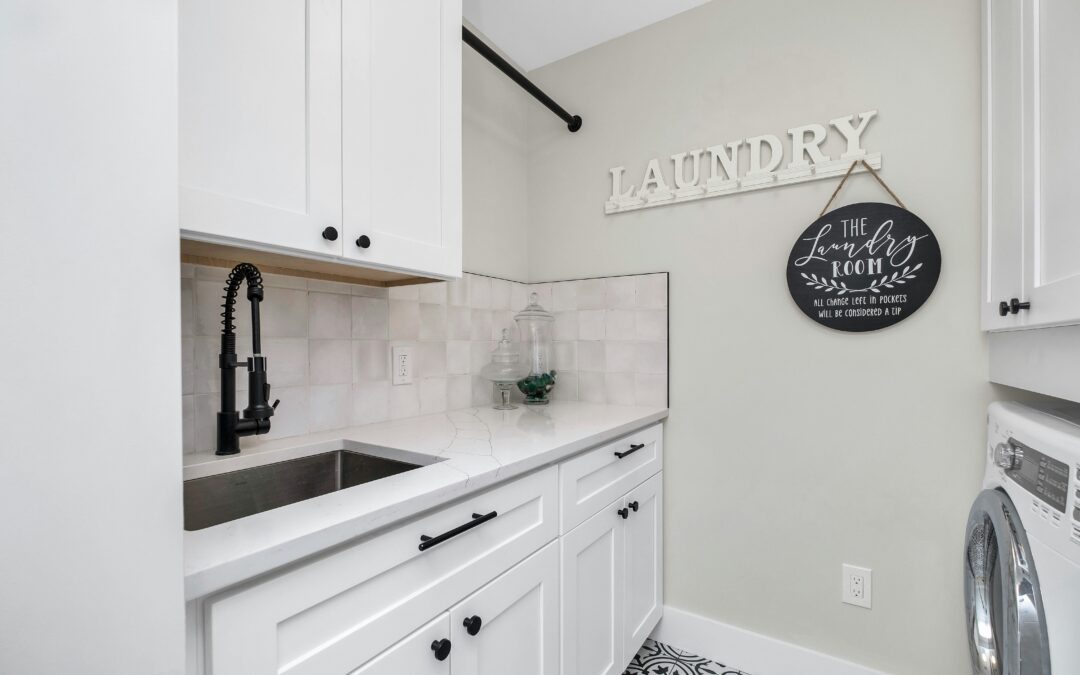
Laundry rooms often become cluttered, with supplies scattered and no clear place for essentials. The right laundry room cabinets bring order to the space, giving everything a defined home while improving the room’s functionality.
At Ambiance Creations, every design focuses on quality, efficiency, and refined organization. Well-planned cabinetry simplifies daily routines by keeping items accessible and surfaces clear. Instead of working around clutter, you move through tasks with ease and consistency.
This guide covers cabinet types, durable materials, layout strategies, and smart organization ideas. You’ll find practical ways to create a laundry room that feels structured, efficient, and intentionally designed.
Types of Laundry Room Cabinets
Laundry room cabinets fall into three main categories, each serving a distinct purpose within a well-organized space. Selecting the right combination ensures both storage efficiency and visual balance, allowing every item to have a designated place without overcrowding the room.
Base Cabinets
Base cabinets sit directly on the floor and typically measure 34 to 36 inches high, forming the foundation for countertops. These surfaces provide space for folding, sorting, and treating garments, improving daily workflow, and keeping tasks contained in one area.
Most base cabinets include a mix of drawers and doors, creating a balanced storage system. Drawers store smaller essentials like dryer sheets and stain removers, while doors conceal bulkier items such as detergents and cleaning supplies. Standard depths range from 24 to 30 inches, aligning with most appliances to create a cohesive, built-in appearance.
Many designs also incorporate pull-out hampers or tilt-out bins, which simplify sorting and keep laundry off the floor. These integrated features reduce clutter and support a more streamlined routine.
Wall Cabinets
Wall cabinets mount above appliances or countertops, making use of vertical space that often goes unused. They typically measure 12 to 24 inches deep and up to 42 inches high, offering substantial storage without interfering with movement below.
Install wall cabinets at a height that keeps everyday items within reach while preserving a clear workspace underneath. These cabinets are ideal for storing backup supplies, seasonal items, or less-used tools. Glass-front doors allow visibility, while solid doors maintain a clean and concealed appearance.
Tall Utility Cabinets
Tall cabinets extend from floor to ceiling, providing full-height storage for cleaning tools and larger household items. Heights range from 84 to 96 inches, with widths between 18 and 36 inches to accommodate different layouts.
Adjustable shelving allows flexibility as storage needs change, while specialized compartments keep items like brooms, vacuums, and ironing boards neatly contained. These cabinets centralize storage and significantly reduce visual clutter throughout the room.
Choosing Materials for Laundry Room Cabinets
Material selection plays a critical role in how well your cabinets perform over time. Laundry rooms require finishes that handle moisture, temperature changes, and frequent use while maintaining their appearance.
Solid Wood Options
Solid wood delivers strength and a timeless aesthetic that elevates the overall design of the space. Hardwoods such as oak, maple, and cherry perform well when properly sealed, offering durability that withstands daily wear.
Applying a protective finish is essential to prevent warping or swelling caused by humidity. While wood requires periodic maintenance, it provides long-term value and a refined, natural look that enhances the room. Marine-grade plywood offers a strong alternative with improved moisture resistance.
Laminate and MDF
MDF provides a smooth surface that works well for painted finishes and typically requires a lower initial investment than solid wood. However, proper sealing is necessary to prevent moisture absorption and maintain structural integrity over time.
Laminate cabinets feature a durable surface that resists stains and cleans easily, making them practical for busy households. Available in a wide range of styles, laminate offers versatility while maintaining consistent performance in controlled environments.
Moisture-Resistant Materials
High-moisture-resistant (HMR) board enhances standard MDF by improving its resistance to humid conditions. This material offers a balanced solution between durability and cost, making it suitable for many laundry room applications.
Thermofoil cabinetry wraps MDF in a protective vinyl layer, sealing the surface and simplifying maintenance. For the highest level of moisture resistance, marine-grade plywood remains one of the most reliable options available.
Explore cabinet finishes and tips to choose the perfect kitchen look.
Design and Layout Considerations
A well-planned layout transforms a laundry room into a functional and efficient workspace. Thoughtful design ensures that every element supports daily tasks while maintaining a clean and organized environment.
Maximizing Space
Maximize vertical storage by extending cabinets to the ceiling, which allows you to use every available inch. Installing cabinets above washers and dryers provides convenient access to frequently used items while keeping surfaces clear.
Incorporating space-saving features such as narrow pull-out cabinets, built-in sorting stations, and over-the-door organizers further enhances efficiency. Corner cabinets and pull-out systems make previously unused areas accessible and practical.
Cabinet Depth and Sizing
Base cabinets typically measure 24 inches deep to align with standard appliances, while upper cabinets average 12 inches deep to maintain comfort and clearance. These proportions help create a balanced and functional layout.
Allow at least one inch of space around appliances for ventilation, and maintain a minimum of 36 inches of clearance in front of cabinets. These measurements ensure ease of movement and prevent the space from feeling restricted.
Ergonomic Placement
Position frequently used items between waist and eye level to reduce strain and improve accessibility. Storing heavier items in lower cabinets minimizes lifting effort and supports safer daily use.
Install hardware at comfortable heights and incorporate pull-out drawers where possible. These adjustments enhance usability and make routine tasks more efficient and comfortable.
Organization and Storage Solutions
Smart storage features improve efficiency and keep your laundry room visually organized. Thoughtful cabinet enhancements allow you to maintain order while making everyday tasks easier to manage.
Built-In Shelving
Built-in shelving provides dedicated space for detergents, fabric softeners, and cleaning supplies. Adjustable shelves allow flexibility, accommodating different container sizes as your needs evolve.
Open shelving offers quick access to frequently used items, while closed shelving conceals clutter and maintains a polished appearance. Interior shelving and corner solutions ensure that no space goes unused.
Pull-Out Drawers
Pull-out drawers improve visibility and accessibility, eliminating the need to reach into deep cabinets. This feature allows you to organize smaller items efficiently while keeping everything within easy reach.
Using drawer dividers helps separate supplies and maintain order. Deeper drawers can store baskets or bulk items, making them a versatile addition to your cabinetry.
Integrated Hampers
Integrated hampers keep dirty laundry hidden while maintaining a clean and organized environment. Pull-out designs save floor space and streamline the sorting process.
Multiple compartments allow you to separate fabrics in advance, reducing time spent sorting later. Ventilated designs improve airflow and help prevent moisture buildup, keeping your space fresh.
Learn about kitchen countertops renovation in this complete guide.
Installation and Maintenance Tips
Proper installation and consistent maintenance ensure that your cabinets remain durable and visually appealing. Taking the time to plan and care for your cabinetry protects your investment over the long term.
Preparing the Space
Measure your space carefully and mark all utilities, including outlets and plumbing, before installation begins. Locating wall studs ensures that cabinets are securely mounted and properly supported.
Clearing the area and preparing tools in advance helps streamline the installation process. Level surfaces contribute to better alignment and a more professional result.
Professional vs. DIY Installation
DIY installation can work for simple layouts if you have the necessary tools and experience. However, wall-mounted cabinets require precision and secure anchoring to ensure safety and longevity.
Professional installation provides accuracy and efficiency, particularly for complex designs or heavier cabinetry. This approach reduces risk and ensures a polished final result.
Cleaning and Upkeep
Clean cabinet surfaces regularly using a damp cloth and mild soap to prevent buildup. Dry surfaces immediately to avoid moisture damage and maintain the integrity of finishes.
Address spills promptly, especially those involving detergents or cleaning agents. Periodically inspect hardware and tighten any loose components to keep cabinets functioning properly. For wood cabinets, occasional polishing helps preserve the finish and maintain a refined appearance over time.
Elevate Everyday Living with Thoughtful Design
Laundry spaces deserve the same level of design consideration as any other area in your home. With the right laundry room cabinets, you create an environment that promotes efficiency while maintaining a clean, refined aesthetic.
A thoughtful combination of layout, materials, and storage solutions transforms daily routines into a more seamless experience. Every design decision contributes to a space that feels organized, functional, and visually cohesive.
At Ambiance Creations, each project reflects a commitment to craftsmanship and purposeful design. Get in touch to explore tailored cabinetry solutions that bring lasting value and sophistication to your home.
Frequently Asked Questions
What are the best cabinets for a laundry room?
The best laundry room cabinets combine durability, moisture resistance, and smart storage features. Base cabinets provide workspace, wall cabinets maximize vertical storage, and tall cabinets handle bulkier items. A mix of these options creates a balanced and functional layout.
What materials work best for laundry room cabinets?
Materials that resist moisture and wear perform best in laundry rooms. Solid wood with proper sealing offers long-term durability, while laminate and thermofoil provide easy maintenance. For higher humidity areas, moisture-resistant boards or marine-grade plywood deliver added protection.
How can I maximize space with laundry room cabinets?
Maximize space by extending cabinets to the ceiling and using vertical storage. Incorporate pull-out drawers, corner units, and narrow cabinets for tight spaces. Keeping frequently used items within reach also improves efficiency and reduces clutter.
Are custom laundry room cabinets worth the investment?
Custom cabinetry allows you to tailor storage to your exact needs and layout. It improves functionality, enhances organization, and creates a cohesive design. Over time, this level of customization adds lasting value and convenience.
What features improve laundry room organization?
Built-in shelving, pull-out drawers, and integrated hampers significantly improve organization. Adjustable shelves accommodate different items, while drawer dividers keep smaller supplies in order. These features help maintain a clean and efficient workspace.
How high should laundry room cabinets be installed?
Install cabinets so frequently used items sit between waist and eye level. Wall cabinets typically go about 18 inches above countertops, while taller cabinets can extend to the ceiling for additional storage. Proper placement improves comfort and accessibility.
How do I maintain laundry room cabinets?
Clean cabinets regularly with a damp cloth and mild soap, then dry them immediately to prevent moisture damage. Address spills quickly and check hardware periodically. Occasional maintenance, especially for wood finishes, helps preserve their appearance and durability.