
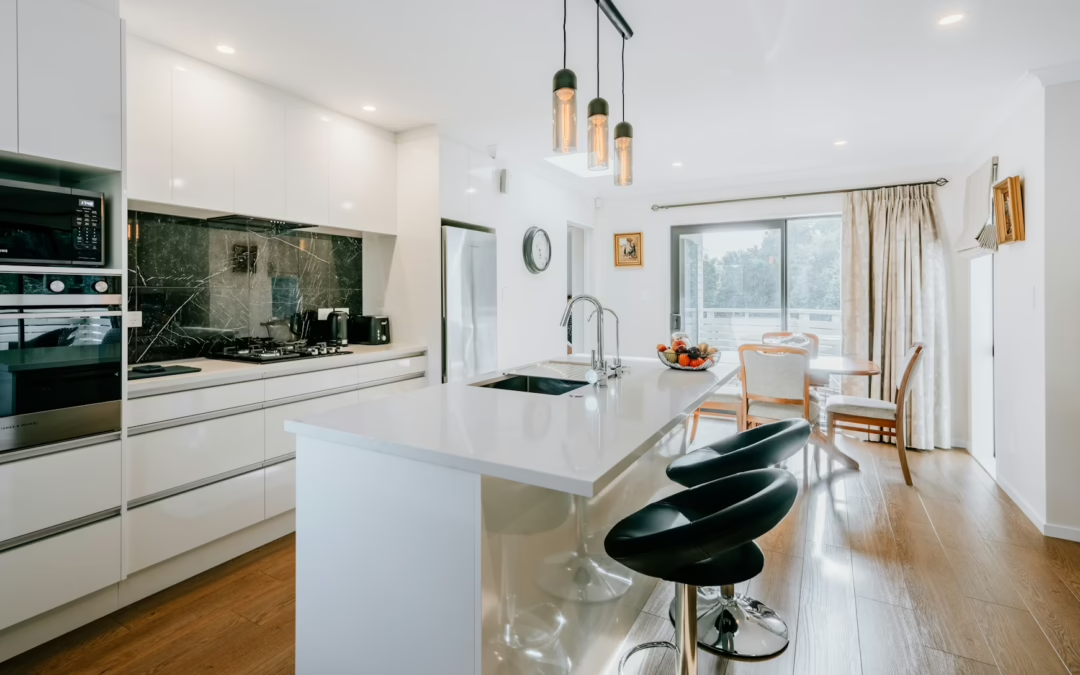
Your home deserves new countertops that elevate both function and design in Southwest Florida. The right surface improves daily use while creating a polished, refined look for your kitchen or bathroom.
At Ambiance Creations, we design countertop spaces that balance durability, craftsmanship, and timeless style. Your materials should handle coastal humidity, active kitchens, and indoor-outdoor living without sacrificing elegance.
This guide explores countertop materials, installation planning, maintenance, and long-term value. You’ll also learn how thoughtful selections can improve comfort, durability, and the overall feel of your space.
Choosing the Right Material
Your countertop material affects maintenance, durability, appearance, and daily use. Quartz and granite remain popular choices, while butcher block and laminate offer practical alternatives for different design goals.
Quartz vs. Granite Performance
Quartz is an engineered stone made from crushed quartz and resins. Since it’s non-porous, it resists stains well and never needs sealing.
You also get consistent color and pattern variation from slab to slab, which makes design planning easier. Many homeowners choose quartz for its clean look and simple maintenance.
Granite is a natural stone, so every slab offers unique movement and veining. It handles heat extremely well, though you’ll need yearly sealing to protect against stains.
If you want a one-of-a-kind surface and don’t mind occasional upkeep, granite delivers lasting value. Both materials can last 25 years or more with proper care.
Butcher Block Warmth and Maintenance
Butcher block adds natural warmth that stone surfaces cannot fully replicate. It works especially well on kitchen islands or accent sections paired with another countertop material.
Wood countertops need more maintenance than stone. You’ll need to oil the surface regularly and sand out scratches or stains over time.
Moisture control matters too. Water around seams can cause warping if you leave it untreated for long periods.
With consistent care, butcher block countertops can last 20 years or more. They also create a softer, more inviting look in kitchens with coastal or transitional styling.
Laminate and Solid Surface Value
Laminate remains one of the most cost-effective choices for new countertops. Modern styles mimic stone and wood finishes far better than older laminate designs.
Solid surface materials offer another practical option. These surfaces resist moisture, come in many colors, and allow you to sand away light scratches.
Neither material matches the durability of quartz or granite, but both create a refreshed appearance without a major investment. They also work well in guest baths, laundry rooms, and secondary spaces.
Budget and Cost Factors
Understanding what drives countertop pricing helps you avoid surprises during the quoting process. Material choice impacts cost the most, but fabrication details and installation services also affect the final number.
Material Price Ranges
Here’s a general installed price range per square foot:
| Material | Price Per Sq. Ft. (Installed) |
| Laminate | $10 – $30 |
| Solid Surface | $40 – $65 |
| Butcher Block | $35 – $70 |
| Granite | $50 – $100 |
| Quartz | $55 – $120 |
| Marble | $75 – $150+ |
A standard kitchen with roughly 40 square feet of countertop space usually falls between $2,000 and $10,000, depending on the material you choose.
Fabrication and Edge Profile Costs
Fabrication includes cutting, polishing, shaping, and finishing the slabs. Straight edges usually come standard with most countertop pricing.
Decorative edge profiles increase costs. Common upgrades include:
- Eased edges: A clean, modern finish with slightly softened corners.
- Bullnose edges: Rounded edges that create a softer traditional look.
- Waterfall edges: Slabs that continue vertically down the cabinet sides for a dramatic effect.
Sink and cooktop cutouts also add to fabrication pricing. Always ask for an itemized quote so you understand exactly what your estimate includes.
Removal, Plumbing, and Hidden Fees
Removing old countertops usually costs between $200 and $500. Heavy stone materials may also require cabinet reinforcement.
Plumbing reconnects for sinks and dishwashers often add another $150 to $300. Some installers include these services, while others bill separately.
Before signing a contract, confirm whether your quote includes disposal, plumbing, backsplash removal, and delivery fees.
Style, Color, and Finish Decisions
The look of your new countertops shapes the overall feel of your kitchen or bathroom. Color, edge profile, and finish all influence how the space feels day to day.
Matching Cabinets and Flooring
Contrast creates balance in most kitchens. Dark cabinets pair well with lighter countertops such as white, cream, or soft gray surfaces. Lighter cabinetry often works best with medium-toned or veined countertops that add visual depth. Flooring also plays a major role in the final look.
Always review physical samples together before making a decision. Digital screens rarely show undertones and texture accurately.
Popular Edge Profiles
Edge profiles may seem subtle, but they change the personality of the room. Popular options include:
- Eased: Simple and modern with clean lines.
- Beveled: Angled edges that add subtle detail.
- Bullnose: Rounded edges that soften the appearance.
- Ogee: Decorative curves suited for traditional kitchens.
- Waterfall: Contemporary slab extensions that create bold visual impact.
Simple profiles often cost less and fit today’s clean design trends more naturally.
Matte, Polished, and Textured Finishes
Polished finishes create a glossy surface that highlights color and veining. They also reflect more light throughout the room.
Matte and honed finishes continue gaining popularity because they soften the look of stone and hide fingerprints better. Many homeowners prefer them for relaxed coastal interiors.
Leathered and textured finishes introduce additional depth and texture. Your ideal finish depends on your design style and how much daily maintenance you prefer.
Measurement, Layout, and Installation
Accurate measurements and careful planning help prevent costly installation issues. Most quartz and stone projects require professional templating before fabrication begins.
When to Template the Space
Installers complete templating after cabinets are fully installed and leveled. During this step, they create detailed measurements for every countertop section and appliance cutout.
Avoid ordering countertops using rough measurements alone. Even minor inaccuracies can delay installation or create fit issues.
If you’re replacing countertops while keeping your cabinets, remove old backsplash materials before templating begins.
Sink, Seam, and Overhang Planning
Choose your sink style early in the process. Undermount sinks require cutouts in the slab before installation, while drop-in sinks install more easily later.
Seam placement affects both appearance and durability. Experienced fabricators place seams in less visible areas and away from high-stress sections.
Most countertops include a 1- to 1.5-inch overhang. Kitchen islands with seating usually require larger overhangs with support brackets underneath.
What to Expect During Installation Day
Most countertop installations take between three and six hours for an average kitchen. Installers disconnect plumbing, remove old countertops, and secure the new slabs in place.
Clear your counters and empty nearby cabinets before the crew arrives. Keeping pets and children away from the work area also improves safety.
You should expect some noise and dust during installation, especially if installers make adjustments on-site. Most plumbing reconnects happen the same day.
Care, Durability, and Long-Term Value
Routine maintenance helps countertops stay beautiful and functional for years. Every material performs differently, so understanding its strengths helps you prevent unnecessary damage.
Stain, Heat, and Scratch Resistance
Here’s how popular countertop materials typically perform:
| Material | Stain Resistance | Heat Resistance | Scratch Resistance |
| Quartz | High | Moderate | High |
| Granite | Moderate | High | High |
| Laminate | Moderate | Low | Low |
| Butcher Block | Low | Low | Moderate |
| Solid Surface | Moderate | Low | Moderate |
Even heat-resistant stone benefits from trivets and hot pads. Extreme temperature changes can damage surfaces over time.
Daily Cleaning Best Practices
Quartz and granite clean easily with warm water, mild dish soap, and a soft cloth. Avoid bleach, harsh chemicals, and abrasive scrubbers.
Butcher block requires quick drying after cleaning to protect the wood. Regular mineral oil applications help maintain the surface and prevent drying. Laminate surfaces handle most household cleaners well, though abrasive products can wear down the finish.
Resale Impact and Lifespan
Updated countertops remain one of the most desirable kitchen upgrades for homeowners and buyers alike. Quartz and granite continue attracting attention because they combine durability with low maintenance.
Quartz and granite often last 25 to 30 years or longer with proper care. Laminate typically lasts 10 to 15 years, while butcher block can last decades with consistent upkeep.
Choosing quality new countertops now can improve daily living and reduce the need for future replacements. A well-planned countertop investment often adds lasting value to your home.
Your Southwest Florida Home Deserves Thoughtful Design
The right new countertops bring together durability, comfort, and lasting visual appeal. Quality materials and careful planning help your kitchen or bath feel more refined every day.
At Ambiance Creations, we coordinate every detail with precision, from material selection to installation planning. Your project benefits from white-glove service, durable finishes, and designs suited for Southwest Florida living.
A well-designed countertop upgrade can improve both daily function and long-term home value. Get in touch to explore surfaces, layouts, and finishes that fit your lifestyle and your home.
Frequently Asked Questions
What is the best material for new countertops in Southwest Florida?
Quartz remains one of the most popular choices for new countertops in Southwest Florida because it resists moisture, stains, and humidity well. Granite also performs beautifully in coastal homes if you maintain the surface with regular sealing.
How much do new countertops typically cost?
Most countertop projects range between $3,500 and $6,500, depending on the material, fabrication details, and kitchen size. Quartz, granite, and marble usually cost more because they require specialized fabrication and installation.
How long does countertop installation take?
Most installations take one day once fabrication is complete. The overall process, including measurements, fabrication, and scheduling, usually takes several weeks from start to finish.
Are quartz countertops better than granite?
Quartz offers easier maintenance because the surface is non-porous and never needs sealing. Granite handles heat exceptionally well and gives your kitchen a unique, natural pattern that many homeowners prefer.
Do I need to replace my cabinets when installing new countertops?
You can often keep your existing cabinets if they remain level and structurally sound. Many homeowners update countertops first to refresh the space without completing a full kitchen remodel.
What countertop finish works best for coastal homes?
Matte and honed finishes work especially well in Southwest Florida homes because they soften reflections and hide fingerprints more easily. These finishes also complement relaxed coastal interiors and indoor-outdoor living spaces.
How do I prepare for countertop installation day?
Clear countertops, empty nearby cabinets, and create open pathways before the installers arrive. If you’re planning a kitchen or bath update, view our work to explore ideas that help you plan materials, layouts, and finishes with more confidence.